Liaoning Borui Machinery Co., Ltd — Manufacturer & Wholesale Supplier
About Liaoning Borui Machinery Co., Ltd - Steel Casting Supplier in China
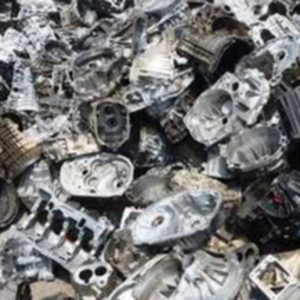
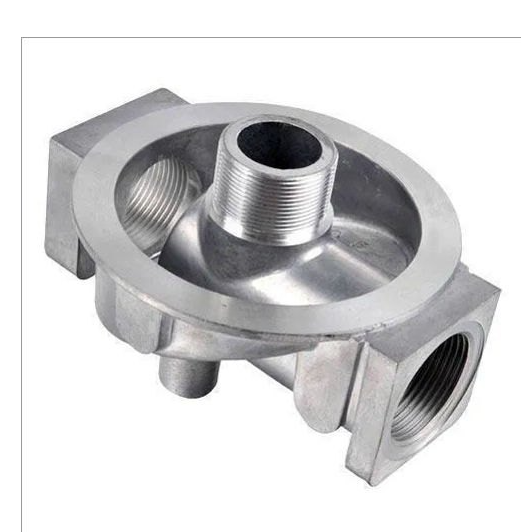
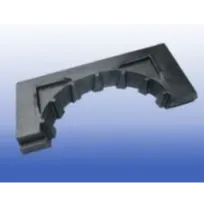
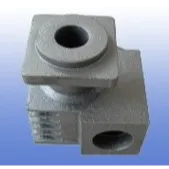
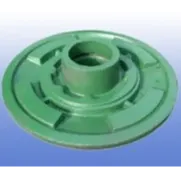
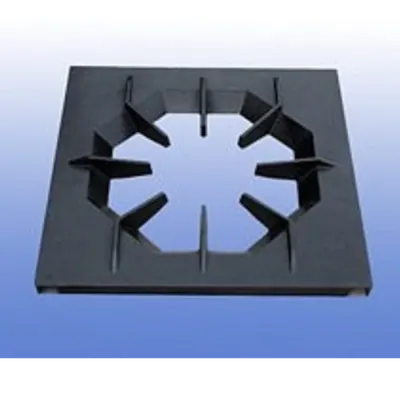
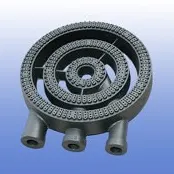
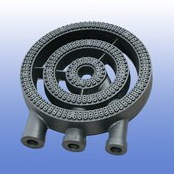
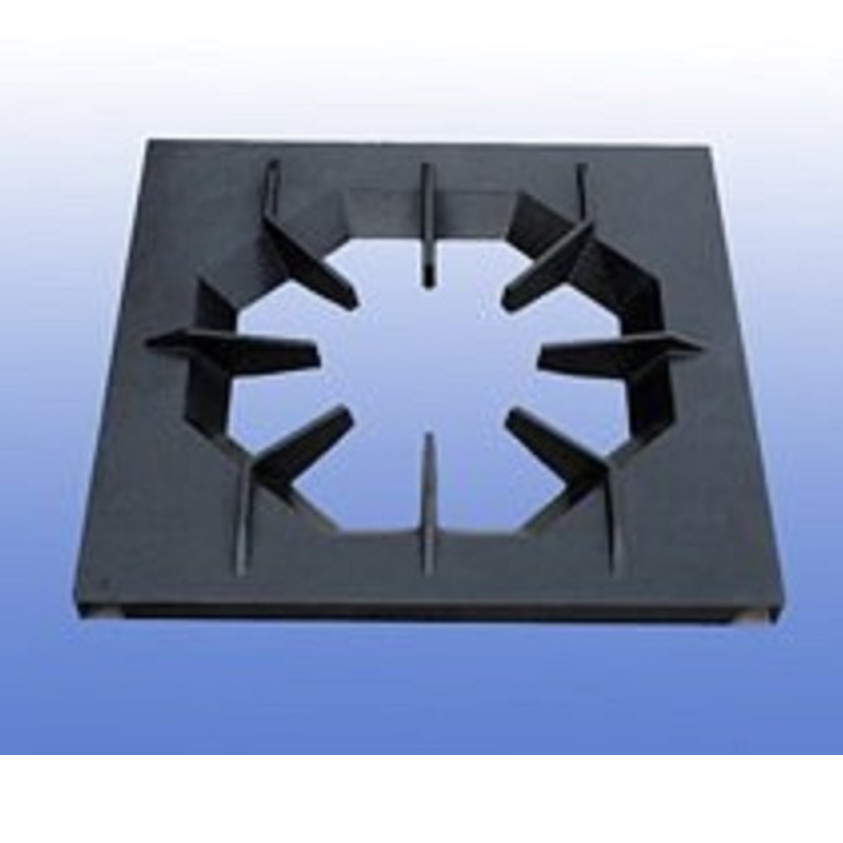
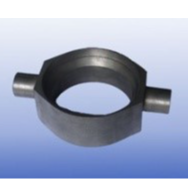
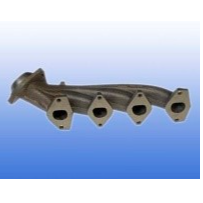
China, Dandong city in Liaoning province, lists nine active casting products in its catalogue. The items cover gray‑iron stove burners (HS 7321.90) made from GJL/GJV grade iron with 2.5‑4.0 % carbon, gray‑iron stove grates (HS 7321.11) of FC200‑FC300 grade, aluminium hydraulic cylinder cradle brackets (HS 7602.00) typically cast from A356 or LM6 alloys, exhaust manifolds (HS 8708.93) using gray iron FC200‑250 or ductile iron SG400‑500, tractor parts (HS 8708.99) of gray iron FC250 or ductile iron SG400‑15, seeding knife points (HS 7325.99) from gray or ductile iron, generic cast steel castings (HS 7325.99), gray‑iron castings (HS 7206.10) of GG20/FC200 grade, and ductile‑iron castings (HS 7204.49) of SG iron. The company reports an annual output of 10,000 tons, indicating a mid‑size foundry operation.
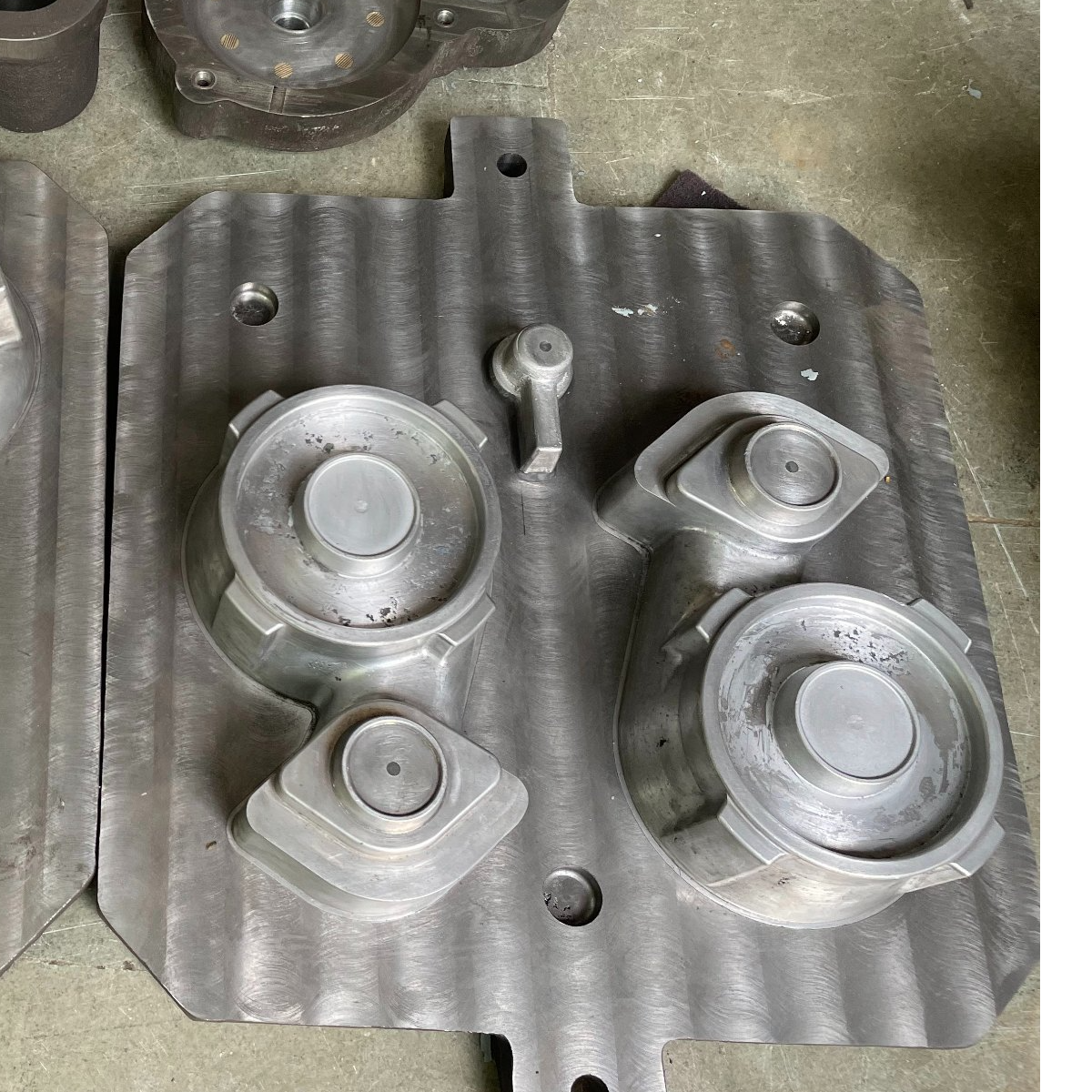
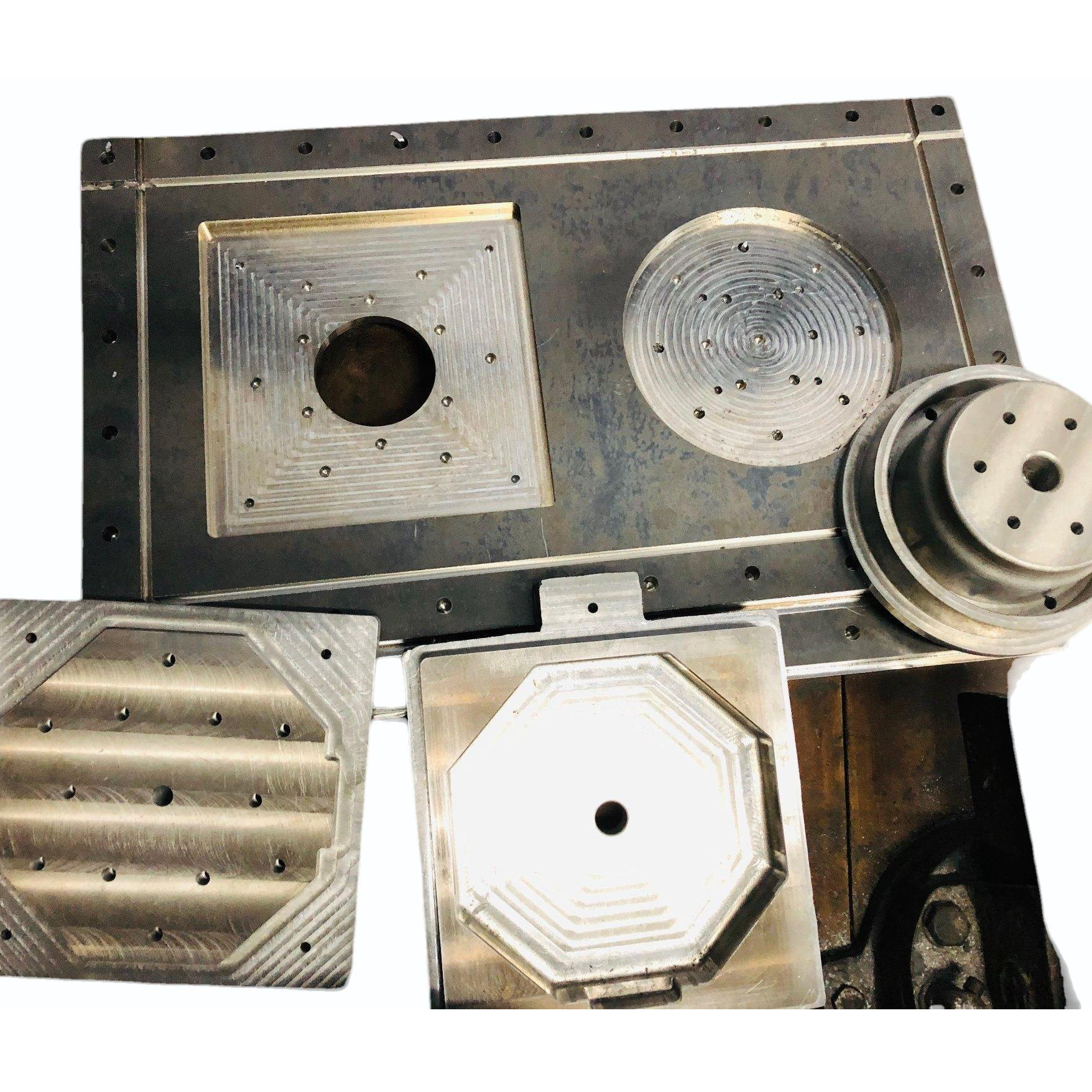
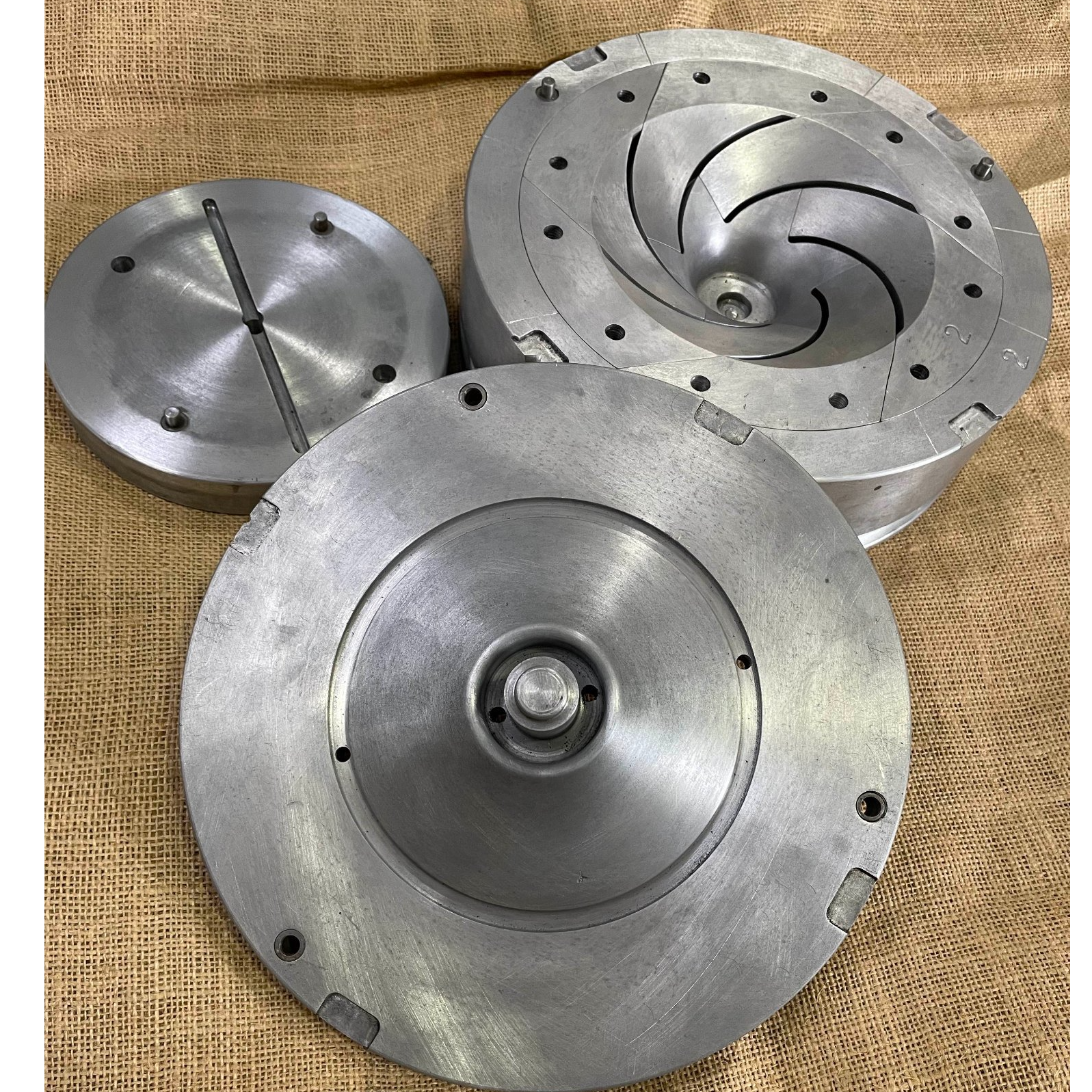
The manufacturing line includes automatic molding, resin sand, pre‑coated resin sand, green sand, shell molding and lost‑wax investment casting, complemented by an in‑house machining workshop for rough and finish work. Liaoning Borui Machinery holds an ISO/TS 16949 certificate and operates quality inspection devices, which aligns with typical automotive‑industry quality systems.
Product Range and Specialties of Liaoning Borui Machinery Co., Ltd
The catalogue’s nine items span gray‑iron, ductile‑iron, aluminium and steel alloys. Gray‑iron stove burners are produced from GJL/GJV grades where carbon content of 2.5‑4.0 % yields a tensile strength of roughly 180‑250 MPa, while stove grates of FC200‑FC300 meet ASTM A48 Class 20‑30 specifications for compressive load. Aluminium cradle brackets are normally cast from A356 alloy, offering a tensile strength near 310 MPa and a typical hardness of 70 HB; LM6 provides similar properties with improved fluidity for thin‑wall sections. Exhaust manifolds and tractor parts use either gray iron (FC200‑250) or ductile iron (SG400‑500), grades that correspond to ASTM A536 Class 80‑100 with elongation above 12 %. Cast steel items fall under ASTM A536/A537 standards, and ductile‑iron castings follow the SG400‑600 range, which is common for high‑strength automotive components.
Trade and Export Information - Liaoning Borui Machinery Co., Ltd
China remains one of the world’s largest exporters of cast iron and aluminium components, with Dandong‑based foundries supplying the United States, United Kingdom, Germany, Italy and Australia. HS‑code families involved include 7321 (cast iron products), 7602 (aluminium castings), 8708 (automotive parts), 7325 (other castings of iron or steel), 7206 (iron in primary forms) and 7204 (ductile iron). Buyers typically request ISO/TS 16949 or ISO 9001 certification, CE marking for automotive applications, and mill test certificates that confirm chemical composition and mechanical properties. Standard logistics involve wooden crates or steel pallets loaded into 20‑ft or 40‑ft containers, shipped FOB Dandong or CIF major ports such as Shanghai or Tianjin. Export controls for casting alloys focus on compliance with REACH and, where applicable, the U.S. ITAR for defence‑related parts.
Typical import markets for these castings are the automotive, construction, agricultural machinery and heavy‑equipment sectors. Regulatory checks often include customs pre‑inspection of HS codes, material safety data sheets and conformity to ASTM or EN standards, especially for pressure‑bearing components like exhaust manifolds or hydraulic brackets.
Sourcing from Liaoning Borui Machinery Co., Ltd - Buyer Guidance
When sourcing from this supplier, request a current ISO/TS 16949 certificate and, where relevant, an ISO 9001 copy. Material test reports should detail chemical composition (e.g., carbon 2.5‑4.0 % for gray iron) and mechanical results such as tensile strength, hardness and elongation, referenced against ASTM A48, A536, B108 or equivalent standards. Verify dimensional tolerances and surface finish from the machining workshop, and ask for a mill test certificate for any aluminium alloy parts.
Typical lead times for a 1‑ton batch range from 30 to 45 days, with minimum orders usually defined by weight or by the number of casting pieces rather than a fixed monetary threshold. Confirm packaging details - wooden crates, steel pallets, moisture‑proof wrapping - and request a pre‑shipment inspection report to ensure compliance with the buyer’s quality system before loading.
Frequently Asked Questions About Liaoning Borui Machinery Co., Ltd
What product categories does Liaoning Borui Machinery offer?
The supplier lists nine casting items: gray‑iron stove burners (HS 7321.90), stove grates (HS 7321.11), aluminium cradle brackets (HS 7602.00), exhaust manifolds (HS 8708.93), tractor parts (HS 8708.99), seeding knife points (HS 7325.99), generic cast steel castings (HS 7325.99), gray‑iron castings (HS 7206.10) and ductile‑iron castings (HS 7204.49).
Which material grades are typical for the gray‑iron products?
The catalogue specifies Gray Iron GJL/GJV with carbon 2.5‑4.0 % and FC200‑FC300 grades; industry equivalents are ASTM A48 Class 20‑30, delivering tensile strength around 180‑250 MPa.
What certifications does the supplier hold?
The facts state the company possesses an ISO/TS 16949 certificate; buyers normally also request ISO 9001 or product‑specific test certificates for casting quality.
How are the castings shipped?
Standard practice for Chinese casting exporters is to pack items in wooden crates or steel pallets, load them into 20‑ft or 40‑ft containers, and ship FOB Dandong or CIF major ports such as Shanghai or Tianjin.
What documentation should a buyer request before purchase?
Typical documents include the ISO/TS 16949 certificate, a material test report (chemical composition and mechanical properties per ASTM A48/A536), a dimensional inspection report, and a mill test certificate for aluminium alloys.
What are common quality tests for the hydraulic cylinder cradle bracket?
Aluminium brackets are usually checked for tensile strength (≈310 MPa for A356), hardness (≈70 HB), and dimensional tolerance (±0.2 mm) according to ASTM B108.
What lead time and minimum order are typical for these castings?
Chinese foundries often quote a 30‑45 day production lead time for a batch of 1 ton or more; minimum orders are generally defined by weight or by the number of casting pieces rather than a fixed monetary value.





 Dandong, China








.jpg.png)