Agriculture›
 Apparel and fashion accessories›
 Construction & real estate›💡Electronic & Electrical›🍎Food & Beverages›🛋️Home furnishing & supplies›⚗️Industrial goods & chemical›🪨Minerals & metals›📦Miscellaneous›Agriculture›Apparel and fashion accessories›Construction & real estate›💡Electronic & Electrical›🍎Food & Beverages›🛋️Home furnishing & supplies›⚗️Industrial goods & chemical›🪨Minerals & metals›📦Miscellaneous›
Ivory Ina Recycling Product Catalog

About Ivory Ina Recycling - Scrap Materials Supplier in China
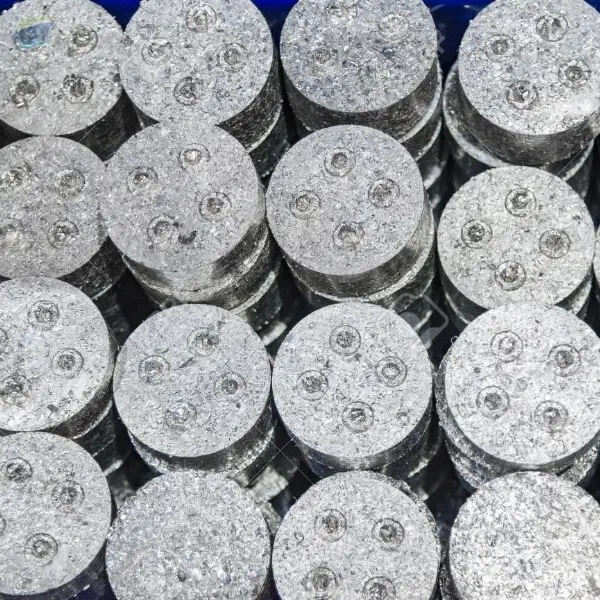
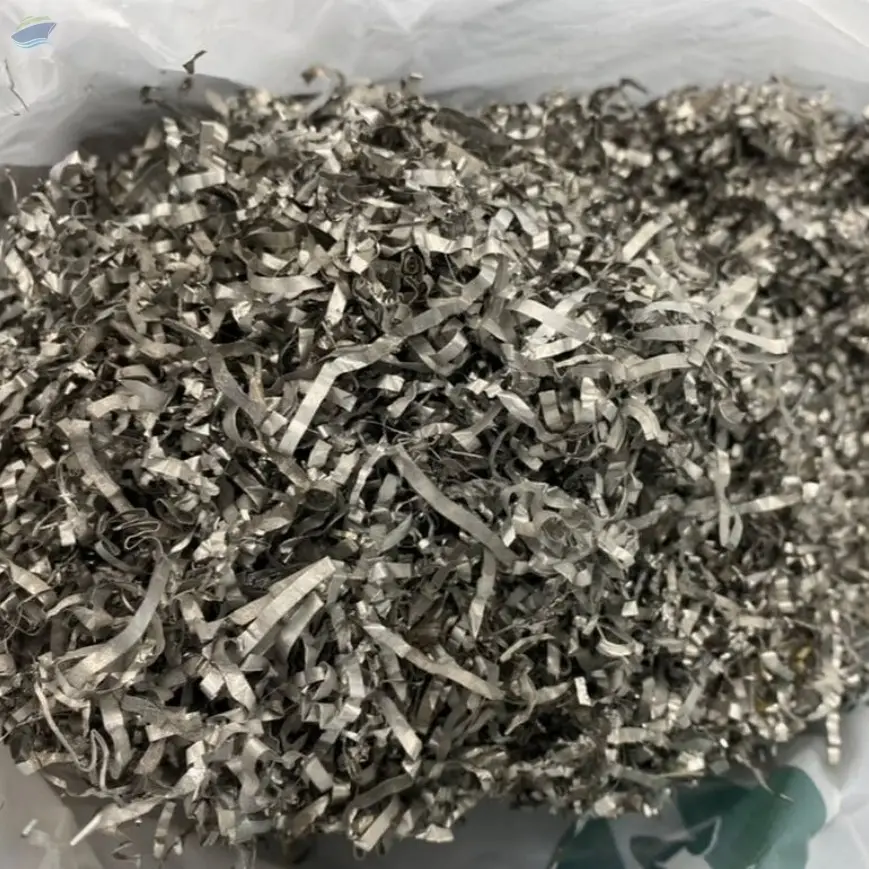
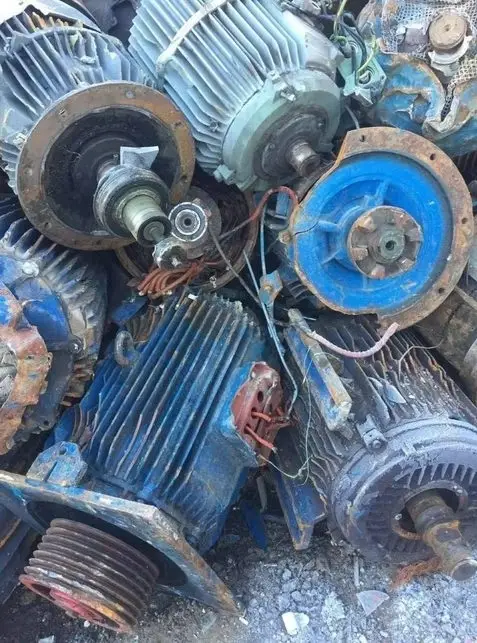
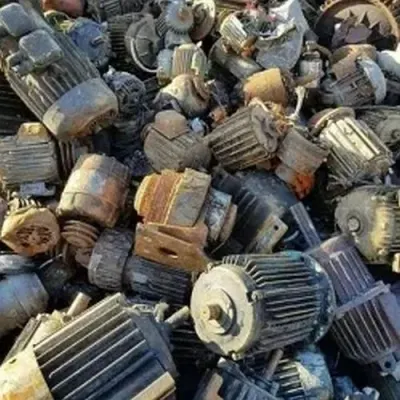
Ivory Ina Recycling operates from Fujian province in China and currently lists seven active product lines in its online catalogue. The catalogue includes electric motor scrap classified under HS code 7404.00, aluminium UBC can scrap under HS 7602.00, several grades of BOPP film scrap under HS 3915.90, LDPE plastic scrap under HS 3915.10, ABS plastic scrap also under HS 3915.90, PMMA acrylic scrap under HS 3915.90, and polyurethane foam scrap under HS 3920.99. Each entry specifies the material type - electric motor, UBC aluminium, BOPP film, LDPE, ABS, PMMA acrylic and PU foam - providing clear HS‑code alignment for customs processing.
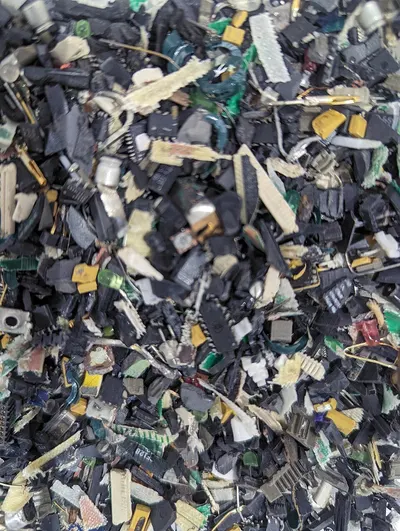
The supplier’s top‑category tags include PCB scrap, ship and marine scrap, electronic scrap, lead scrap, automobile scrap, foam leather, used computer parts and aluminium shredded scrap, indicating a focus on both metal and polymer waste streams. Although the catalogue enumerates seven product groups, the broader category list reflects the range of scrap streams the company can source, process and export for recycling or re‑processing purposes.
Product Range and Specialties of Ivory Ina Recycling
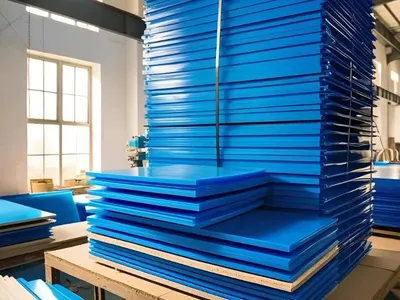
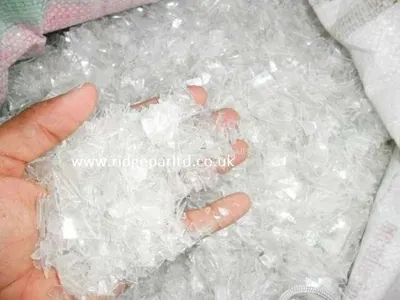
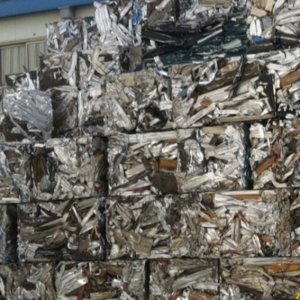
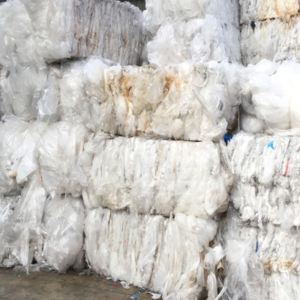
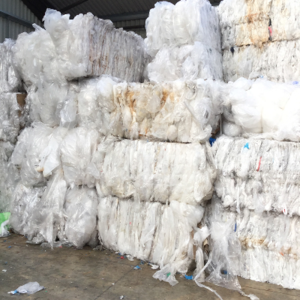
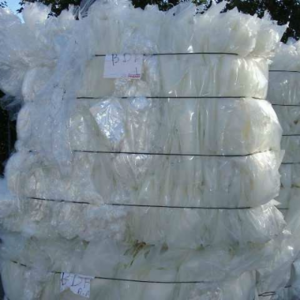
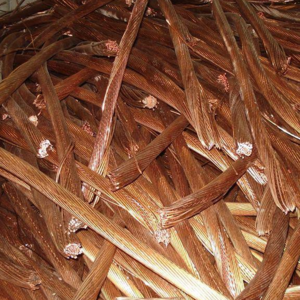
The electric motor scrap offering (HS 7404.00) typically comprises copper windings, steel laminations and assorted ferrous alloys, with common purity levels of 95 % copper and 80 % steel after sorting. Aluminium UBC can scrap (HS 7602.00) is usually sourced from beverage cans and alloy‑rim wheels, graded by alloy series (e.g., 3003, 5052) and often sold in bales of 1‑2 tonne with a minimum aluminium content of 92 %. BOPP film scrap (HS 3915.90) is separated into printed and unprinted grades, with typical thicknesses from 10 µm to 30 µm and melt flow indices (MFI) of 5‑15 g/10 min. LDPE scrap (HS 3915.10) is commonly supplied as clean bales or rolls, with density around 0.92 g/cm³ and MFI 0.5‑4 g/10 min. ABS scrap (HS 3915.90) is usually graded by impact strength (e.g., 30 J) and melt flow (2‑8 g/10 min). PMMA acrylic scrap (HS 3915.90) is often sorted by optical clarity and thickness (0.5‑5 mm). Polyurethane foam scrap (HS 3920.99) is generally classified by density (30‑150 kg/m³) and cell structure, and shipped in bulk baled form.
Frequently Asked Questions About Ivory Ina Recycling
What types of metal scrap does Ivory Ina Recycling offer?
The catalogue lists electric motor scrap (HS 7404.00) and aluminium UBC can scrap (HS 7602.00), which include copper windings, steel laminations and aluminium alloy cans commonly sorted into bales of 1‑2 tonne.
Which plastic grades are available from this supplier?
Available plastics include printed and unprinted BOPP film scrap (HS 3915.90), LDPE film scrap (HS 3915.10), ABS plastic scrap (HS 3915.90), PMMA acrylic scrap (HS 3915.90) and polyurethane foam scrap (HS 3920.99), each supplied in bulk bales or rolls.
What documentation should a buyer request before purchase?
Buyers should request a recent laboratory analysis report, any ISO 9001/ISO 14001 certificates, REACH registration proof for plastics, and a copy of the customs declaration showing the correct HS code.
What are the typical minimum order quantities?
Metal scrap bales generally have a MOQ of 2 metric tonnes, while plastic scrap bales or rolls are often accepted from 1 metric tonne onward.
What packaging methods are used for shipment?
Metal scrap is usually packed in steel bales, plastic scrap in double‑layered polyethylene bags or bulk containers, and PU foam in palletized bundles, all suitable for 20 ft or 40 ft containers.
 China
Related Suppliers & Products
Explore similar suppliers, related products and trending categories




.jpg.png)