Ivory Pharmachem S.A — Verified Trader & Wholesale Supplier

About Ivory Pharmachem S.A - Plastic Scrap Supplier in Colombia

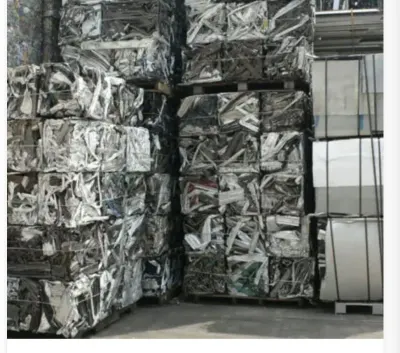
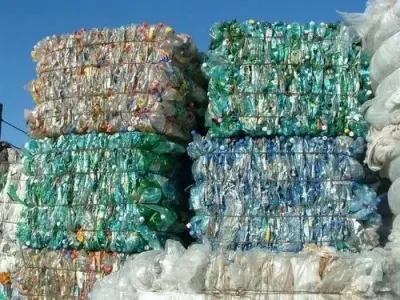
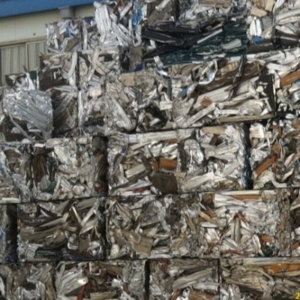
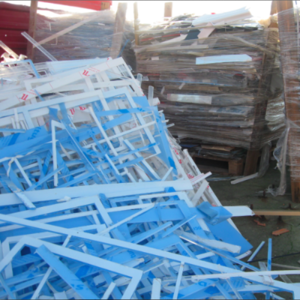
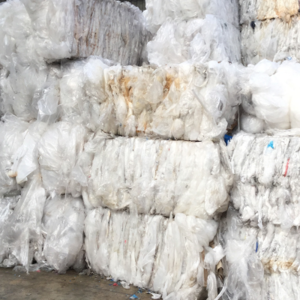
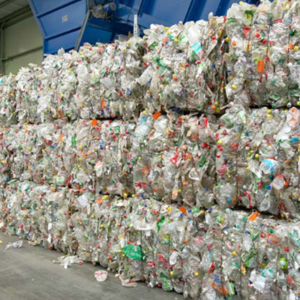
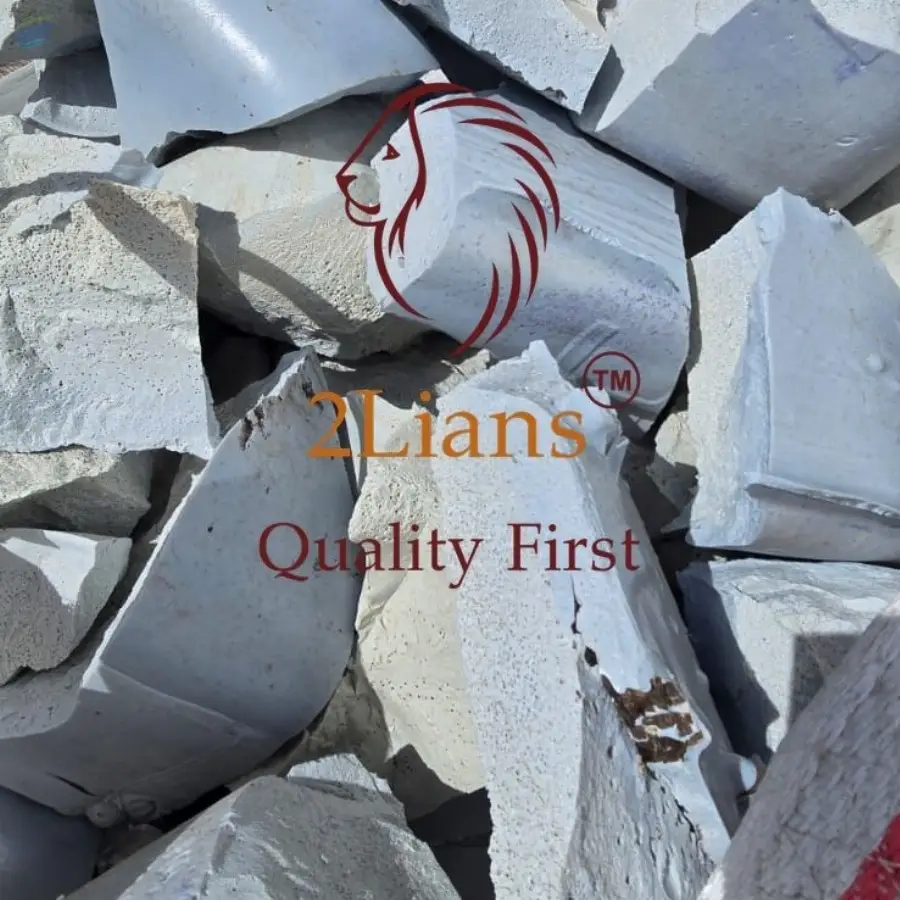
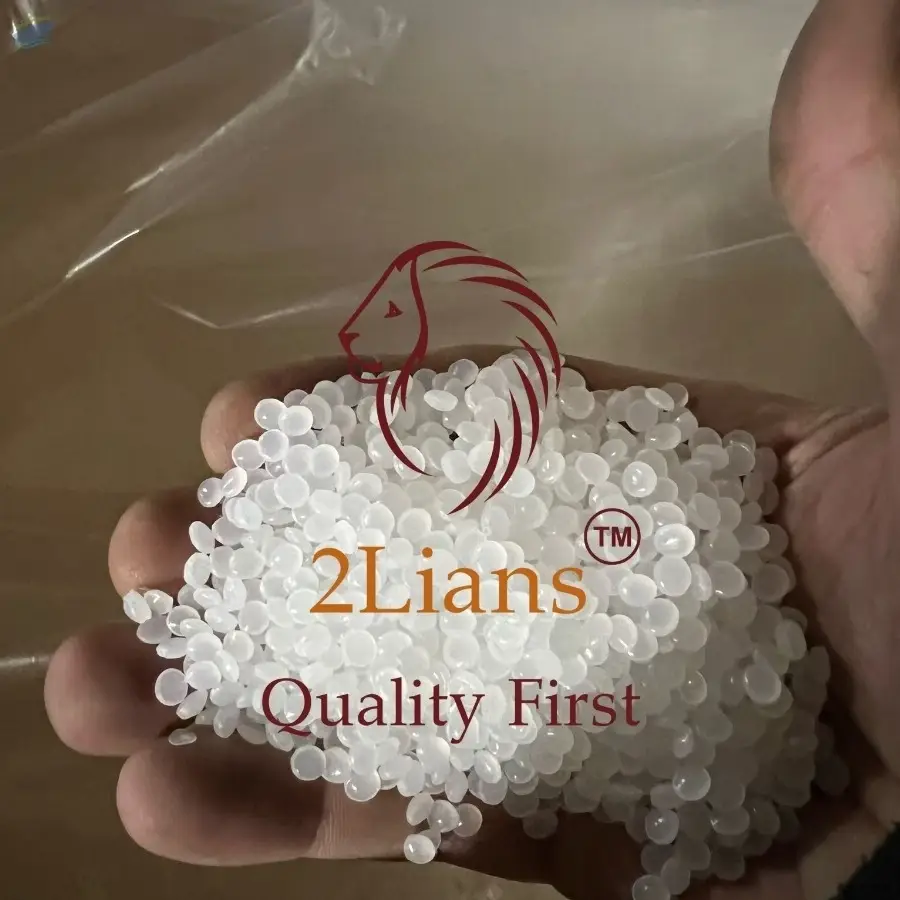
Colombia, Antioquia region hosts Ivory Pharmachem S.A, which lists seven distinct recyclable material products in its current catalogue. The offerings include Low Density Polyethylene (LDPE) roll scrap, various forms of Polyethylene Terephthalate (PET) bottle bales, High Density Polyethylene (HDPE) bottle and milk‑bottle scrap, polyurethane (PU) furniture foam, and two aluminum scrap lines - wheel rims and universal‑bottom‑cans (UBC). Each product is classified under specific HS‑code families: LDPE and HDPE items fall under 3915.10, PET bottles and PU foam under 3915.90, and all aluminum scrap under 7602.00. Material descriptions note post‑industrial or post‑consumer origins for the plastics and primary aluminum alloy for the metal scraps.

The supplier’s profile states activity in 85 countries, indicating a broad export footprint for these commodity streams. No additional processing or manufacturing steps are claimed; the catalogue focuses on bulk recyclable feedstock ready for re‑grinding, baling or melting downstream. All listed items are presented as scrap grades suitable for further re‑processing by plastics recyclers, metal smelters or alloy producers.

Product Range and Specialties of Ivory Pharmachem S.A

Ivory Pharmachem S.A’s catalogue covers recycled LDPE film and granule scrap, PET bottle bales, HDPE bottle and milk‑bottle scrap, PU foam pieces, and two aluminum scrap grades. In the plastics sector, recycled LDPE is typically evaluated by melt‑flow index (MFI) values between 0.5 and 5 g/10 min and ash content below 0.5 %. PET bottle bales are usually sorted to meet food‑grade PET standards such as ISPM 15‑compliant contamination limits and intrinsic viscosity (IV) around 0.70 - 0.80 dl/g. HDPE scrap for bottles generally targets a density range of 0.941 - 0.965 g/cm³ and a melt flow index of 0.2 - 3 g/10 min. PU foam scrap is assessed for hardness (Shore A 30 - 80) and open‑cell content. Aluminum scrap from wheels and UBC cans is commonly classified by alloy series (e.g., 6000‑series) and purity levels above 90 % aluminum, with typical tensile strength of 150 - 250 MPa after remelting.

Typical industry specifications complement the supplier’s list: recycled plastic grades often require compliance with ASTM D7612 (Standard Practice for Determination of Recycled Content) and REACH registration for European buyers, while aluminum scrap frequently needs to meet ISO 9001 quality‑management and the International Aluminium Institute’s “Aluminum Scrap Standard”. These benchmarks help buyers match the supplied grades to downstream processing requirements.

Trade and Export Information - Ivory Pharmachem S.A

Colombian exporters of recycled plastics and aluminum scrap primarily serve markets in the European Union, United States, and Southeast Asia, where demand for circular‑economy feedstock remains strong. HS‑code 3915.10 (plastic waste, polymerised) and 3915.90 (other plastic waste) are subject to customs inspections for contamination, moisture content (typically <0.5 %) and proper documentation of origin. Aluminum under HS‑code 7602.00 is inspected for alloy composition and may require a Certificate of Origin and a non‑hazardous declaration under the Basel Convention. Logistically, bulk plastics are usually shipped in 20‑ft or 40‑ft containers on pallets or in bale‑bundles, while aluminum scrap is often loaded in open‑top containers or bulk trucks. Common Incoterms include FOB Medellín or Cartagena ports, with CIF to European ports frequently used. Colombia’s trade agreements with the EU and the United States facilitate reduced duties on recyclable materials, making the country a competitive source for these commodities.

Exporters from Colombia generally prepare a Material Safety Data Sheet (MSDS), a third‑party laboratory test report (e.g., MFI for LDPE/HDPE, IV for PET), and, where required, REACH registration numbers. Buyers typically request compliance with ISO 14001 environmental management for recycled streams and may ask for a traceability matrix linking the scrap to its original collection stream. Packaging standards call for moisture‑resistant tarpaulin wraps for plastic bales and steel‑framed containers for aluminum to prevent corrosion during sea transit.

Sourcing from Ivory Pharmachem S.A - Buyer Guidance

When sourcing LDPE or HDPE scrap from Ivory Pharmachem S.A, request a recent laboratory analysis showing melt‑flow index, density, ash and moisture percentages, and a REACH registration confirmation if the shipment is destined for the EU. For PET bottle bales, ask for intrinsic viscosity data, color‐light transmission values, and a food‑grade compliance statement (e.g., FDA 21 CFR 177.1520 or EU Regulation 282/2008).

For the polyurethane foam scrap, obtain a hardness (Shore A) report and a bulk density measurement to confirm suitability for cushioning or insulation applications. Aluminum wheel and UBC scrap should be accompanied by an alloy composition chart, a purity assay (typically >90 % Al), and a non‑hazardous waste certificate. Verify the HS‑code declared on the commercial invoice matches the product type, and confirm the supplier’s packaging method aligns with your import logistics (e.g., 20‑ft container for plastics, open‑top container for aluminum).

Frequently Asked Questions About Ivory Pharmachem S.A

What types of recycled plastic does Ivory Pharmachem S.A offer?

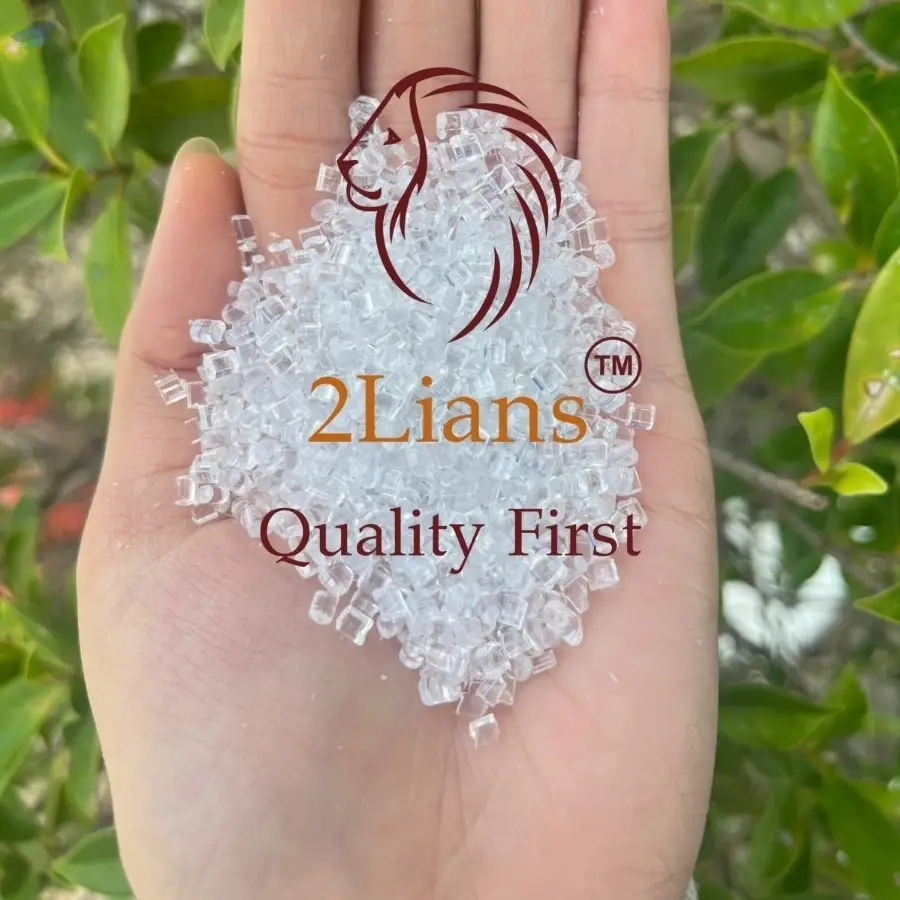
The catalogue lists recycled LDPE film and granule scrap, PET bottle bales, HDPE bottle scrap and HDPE milk‑bottle scrap, and polyurethane foam pieces. Each product is classified under HS‑code 3915.10 or 3915.90 depending on polymer type.

Which HS‑codes are used for the listed plastic and metal products?

Plastic waste items (LDPE, HDPE, PET, PU) use HS‑code 3915.10 for polymerised plastics and 3915.90 for other plastic waste. Aluminum wheel and UBC scrap are listed under HS‑code 7602.00.

Are there standard quality tests I should request for the LDPE scrap?

Buyers usually ask for a melt‑flow index (MFI) test, ash content, moisture level, and a visual contamination assessment. A third‑party lab report complying with ASTM D7612 is common practice.

What documentation is typical for PET bottle bales?

Typical documents include intrinsic viscosity (IV) results, a food‑grade compliance statement, a REACH registration number if exported to the EU, and a certificate of origin.

How is aluminum scrap from wheels and cans graded?

Aluminum scrap is graded by alloy series (often 6000‑series), purity percentage (generally >90 % Al), and tensile strength after remelting. A lab assay and alloy composition sheet are standard verification documents.

What are the usual shipment sizes and packaging for these commodities?

Recycled plastics are commonly packed in 20‑ft or 40‑ft containers on pallets or as tightly bound bales, while aluminum scrap is usually loaded in open‑top containers or bulk trucks with steel framing to avoid deformation. Moisture‑resistant tarpaulins are typical for plastic bales.

Which certifications are commonly required for importing these recycled materials?

Importers often require ISO 9001 quality‑management certification, REACH registration for EU destinations, and compliance with ASTM D7612 for recycled plastics. Aluminum scrap may need a non‑hazardous waste certificate and ISO 14001 environmental‑management proof.

What Incoterms does Ivory Pharmachem S.A typically use?

The supplier frequently works with FOB terms from Colombian ports such as Medellín or Cartagena, and buyers may request CIF to European or North American ports depending on logistics preferences.


Other Suppliers in Plastic Scrap

Top Trusted Suppliers

Related Products in Plastic Scrap

Trending in Parent Category

More Suppliers in Parent Category

Related Products

Other Suppliers

EximNext
58.4K+ live requirements
Register Free🎁 5 free buy-lead credits
Post Requirement
🌍 Trusted by 224.4K+ businesses in 200+ countries|
58.4K+ active requirements right now
✉️ [email protected]
|
Sell on EximNextPost Requirement
EximNext
AgricultureApparelConstructionElectronicFoodHomeIndustrialMineralsMiscellaneous
🔥 Deals|✨ AI Match|🏭 Suppliers|📋 Buy Leads|💰 Trade Finance|⭐ Upgrade
58.4K+ live RFQs·194.5K+ suppliers
🎁 5 free credits →
EximNext
EximNext
Register Free
🎁 5 free buy-lead credits
Sign In
📋Post Requirement💬Get QuotesAI Match📋RFQ Marketplace
All Categories
Services & Tools
🏭Supplier Directory🔥Today's Deals💰Trade FinanceMembership
Sell on EximNext
AboutContactBlogHelp
🏭

Ivory Pharmachem S.A

Harbor
Country flag , ColombiaEst. 2004-01-01
🏆
22+
Years in Business
🛡️
60/100
Trust Score

Ivory Pharmachem S.A Product Catalog

Showing 7 of 7 products
View all products →
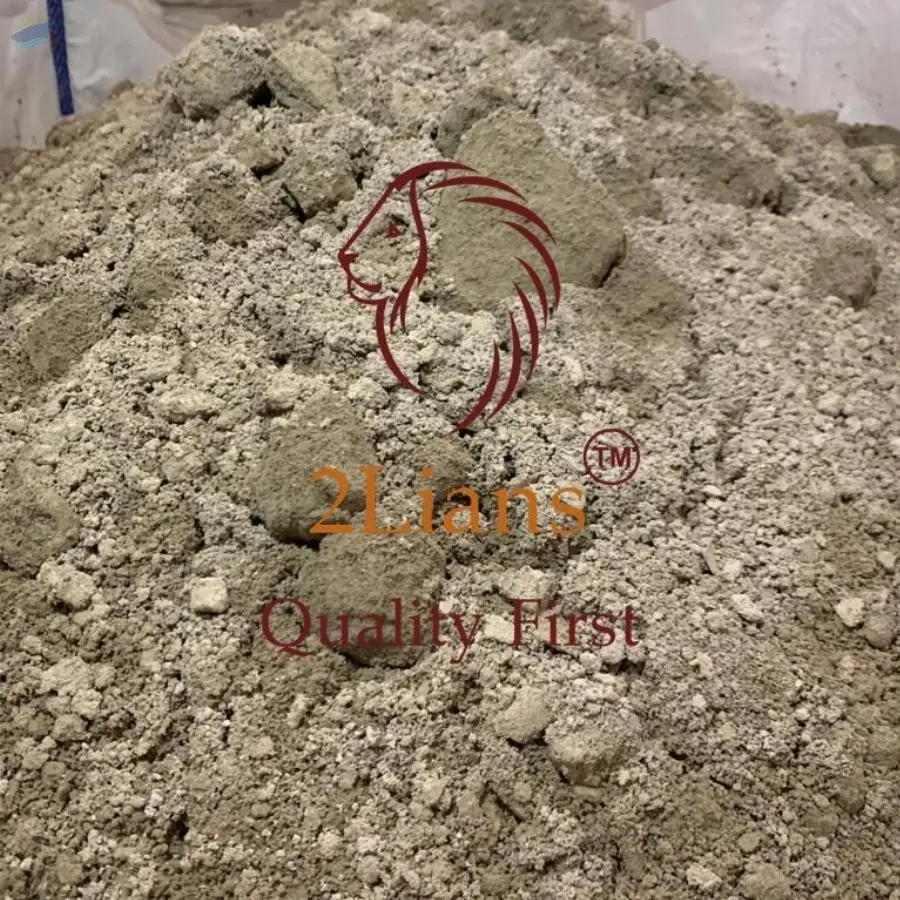
Aluminum Scrap For Sale, Aluminum UBC (Cans) Supplier Ivory Phar
Harbor
Aluminum Scrap For Sale, Aluminum UBC (Cans) Supplier Ivory Phar
Contact
MOQ: 1 Unit
Scrap Aluminum Wheel For Sale (Rims) available ongoing at Ivory Phar
Harbor
Scrap Aluminum Wheel For Sale (Rims) available ongoing at Ivory Phar
Contact
MOQ: 1 Unit
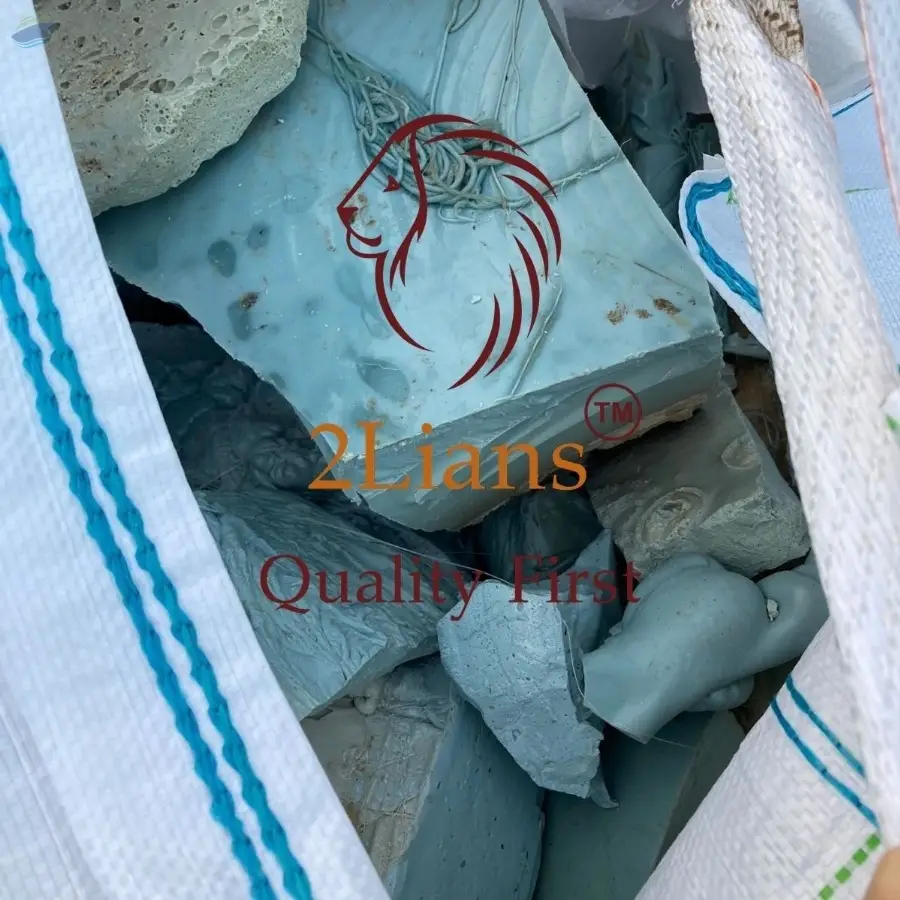
Polyurethane Foam Scrap For Sale (PU) Furniture  Foam
Harbor
Polyurethane Foam Scrap For Sale (PU) Furniture Foam
Contact
MOQ: 1 Unit
High Density Polyethylene (HDPE) Milk Bottle Scrap For Sale
Harbor
High Density Polyethylene (HDPE) Milk Bottle Scrap For Sale
Contact
MOQ: 1 Unit
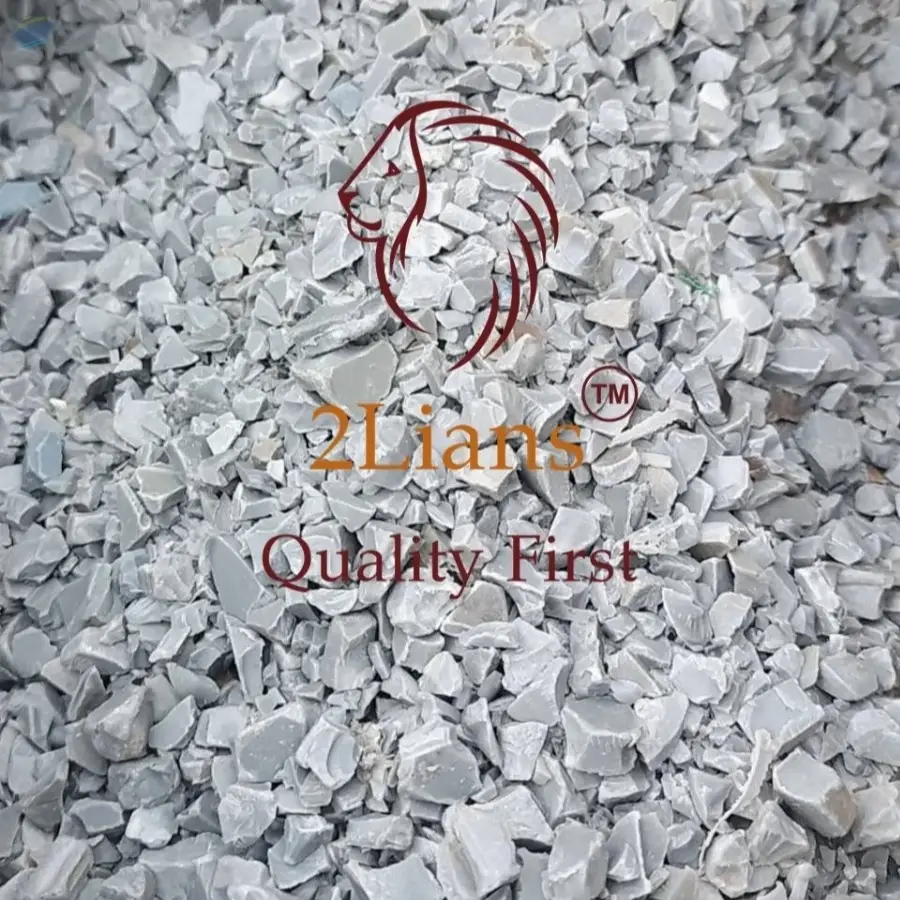
High Density Polyethylene (HDPE) Bottle Scrap For Sale, Plastic Scrap Supplier
Harbor
High Density Polyethylene (HDPE) Bottle Scrap For Sale, Plastic Scrap Supplier
Contact
MOQ: 1 Unit
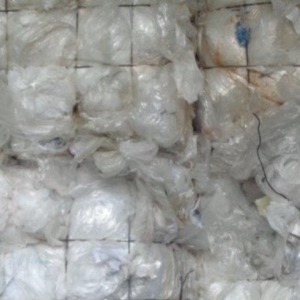
Plastic Scrap Bottles For Sale, PET bales
Harbor
Plastic Scrap Bottles For Sale, PET bales
Contact
MOQ: 1 Unit
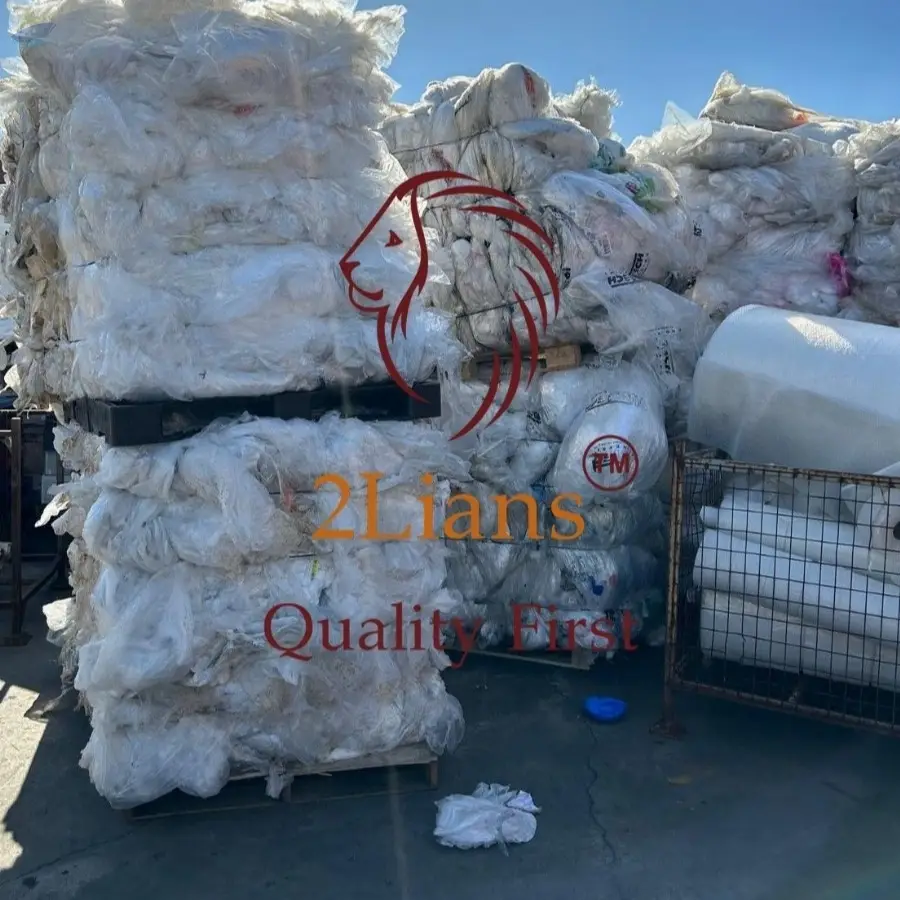
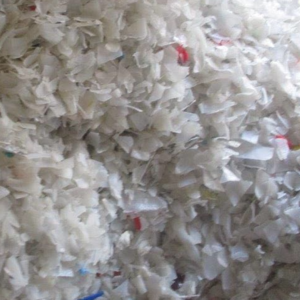
Low Density Polyethylene (LDPE) roll scrap for sale, film bale, lumps, regrinds, granules
Harbor
Low Density Polyethylene (LDPE) roll scrap for sale, film bale, lumps, regrinds, granules
Contact
MOQ: 1 Unit

About Ivory Pharmachem S.A - Plastic Scrap Supplier in Colombia

Colombia, Antioquia region hosts Ivory Pharmachem S.A, which lists seven distinct recyclable material products in its current catalogue. The offerings include Low Density Polyethylene (LDPE) roll scrap, various forms of Polyethylene Terephthalate (PET) bottle bales, High Density Polyethylene (HDPE) bottle and milk‑bottle scrap, polyurethane (PU) furniture foam, and two aluminum scrap lines - wheel rims and universal‑bottom‑cans (UBC). Each product is classified under specific HS‑code families: LDPE and HDPE items fall under 3915.10, PET bottles and PU foam under 3915.90, and all aluminum scrap under 7602.00. Material descriptions note post‑industrial or post‑consumer origins for the plastics and primary aluminum alloy for the metal scraps.

The supplier’s profile states activity in 85 countries, indicating a broad export footprint for these commodity streams. No additional processing or manufacturing steps are claimed; the catalogue focuses on bulk recyclable feedstock ready for re‑grinding, baling or melting downstream. All listed items are presented as scrap grades suitable for further re‑processing by plastics recyclers, metal smelters or alloy producers.

Product Range and Specialties of Ivory Pharmachem S.A

Ivory Pharmachem S.A’s catalogue covers recycled LDPE film and granule scrap, PET bottle bales, HDPE bottle and milk‑bottle scrap, PU foam pieces, and two aluminum scrap grades. In the plastics sector, recycled LDPE is typically evaluated by melt‑flow index (MFI) values between 0.5 and 5 g/10 min and ash content below 0.5 %. PET bottle bales are usually sorted to meet food‑grade PET standards such as ISPM 15‑compliant contamination limits and intrinsic viscosity (IV) around 0.70 - 0.80 dl/g. HDPE scrap for bottles generally targets a density range of 0.941 - 0.965 g/cm³ and a melt flow index of 0.2 - 3 g/10 min. PU foam scrap is assessed for hardness (Shore A 30 - 80) and open‑cell content. Aluminum scrap from wheels and UBC cans is commonly classified by alloy series (e.g., 6000‑series) and purity levels above 90 % aluminum, with typical tensile strength of 150 - 250 MPa after remelting.

Typical industry specifications complement the supplier’s list: recycled plastic grades often require compliance with ASTM D7612 (Standard Practice for Determination of Recycled Content) and REACH registration for European buyers, while aluminum scrap frequently needs to meet ISO 9001 quality‑management and the International Aluminium Institute’s “Aluminum Scrap Standard”. These benchmarks help buyers match the supplied grades to downstream processing requirements.

Trade and Export Information - Ivory Pharmachem S.A

Colombian exporters of recycled plastics and aluminum scrap primarily serve markets in the European Union, United States, and Southeast Asia, where demand for circular‑economy feedstock remains strong. HS‑code 3915.10 (plastic waste, polymerised) and 3915.90 (other plastic waste) are subject to customs inspections for contamination, moisture content (typically <0.5 %) and proper documentation of origin. Aluminum under HS‑code 7602.00 is inspected for alloy composition and may require a Certificate of Origin and a non‑hazardous declaration under the Basel Convention. Logistically, bulk plastics are usually shipped in 20‑ft or 40‑ft containers on pallets or in bale‑bundles, while aluminum scrap is often loaded in open‑top containers or bulk trucks. Common Incoterms include FOB Medellín or Cartagena ports, with CIF to European ports frequently used. Colombia’s trade agreements with the EU and the United States facilitate reduced duties on recyclable materials, making the country a competitive source for these commodities.

Exporters from Colombia generally prepare a Material Safety Data Sheet (MSDS), a third‑party laboratory test report (e.g., MFI for LDPE/HDPE, IV for PET), and, where required, REACH registration numbers. Buyers typically request compliance with ISO 14001 environmental management for recycled streams and may ask for a traceability matrix linking the scrap to its original collection stream. Packaging standards call for moisture‑resistant tarpaulin wraps for plastic bales and steel‑framed containers for aluminum to prevent corrosion during sea transit.

Sourcing from Ivory Pharmachem S.A - Buyer Guidance

When sourcing LDPE or HDPE scrap from Ivory Pharmachem S.A, request a recent laboratory analysis showing melt‑flow index, density, ash and moisture percentages, and a REACH registration confirmation if the shipment is destined for the EU. For PET bottle bales, ask for intrinsic viscosity data, color‐light transmission values, and a food‑grade compliance statement (e.g., FDA 21 CFR 177.1520 or EU Regulation 282/2008).

For the polyurethane foam scrap, obtain a hardness (Shore A) report and a bulk density measurement to confirm suitability for cushioning or insulation applications. Aluminum wheel and UBC scrap should be accompanied by an alloy composition chart, a purity assay (typically >90 % Al), and a non‑hazardous waste certificate. Verify the HS‑code declared on the commercial invoice matches the product type, and confirm the supplier’s packaging method aligns with your import logistics (e.g., 20‑ft container for plastics, open‑top container for aluminum).

Frequently Asked Questions About Ivory Pharmachem S.A

What types of recycled plastic does Ivory Pharmachem S.A offer?

The catalogue lists recycled LDPE film and granule scrap, PET bottle bales, HDPE bottle scrap and HDPE milk‑bottle scrap, and polyurethane foam pieces. Each product is classified under HS‑code 3915.10 or 3915.90 depending on polymer type.

Which HS‑codes are used for the listed plastic and metal products?

Plastic waste items (LDPE, HDPE, PET, PU) use HS‑code 3915.10 for polymerised plastics and 3915.90 for other plastic waste. Aluminum wheel and UBC scrap are listed under HS‑code 7602.00.

Are there standard quality tests I should request for the LDPE scrap?

Buyers usually ask for a melt‑flow index (MFI) test, ash content, moisture level, and a visual contamination assessment. A third‑party lab report complying with ASTM D7612 is common practice.

What documentation is typical for PET bottle bales?

Typical documents include intrinsic viscosity (IV) results, a food‑grade compliance statement, a REACH registration number if exported to the EU, and a certificate of origin.

How is aluminum scrap from wheels and cans graded?

Aluminum scrap is graded by alloy series (often 6000‑series), purity percentage (generally >90 % Al), and tensile strength after remelting. A lab assay and alloy composition sheet are standard verification documents.

What are the usual shipment sizes and packaging for these commodities?

Recycled plastics are commonly packed in 20‑ft or 40‑ft containers on pallets or as tightly bound bales, while aluminum scrap is usually loaded in open‑top containers or bulk trucks with steel framing to avoid deformation. Moisture‑resistant tarpaulins are typical for plastic bales.

Which certifications are commonly required for importing these recycled materials?

Importers often require ISO 9001 quality‑management certification, REACH registration for EU destinations, and compliance with ASTM D7612 for recycled plastics. Aluminum scrap may need a non‑hazardous waste certificate and ISO 14001 environmental‑management proof.

What Incoterms does Ivory Pharmachem S.A typically use?

The supplier frequently works with FOB terms from Colombian ports such as Medellín or Cartagena, and buyers may request CIF to European or North American ports depending on logistics preferences.

About Ivory Pharmachem S.A - Plastic Scrap Supplier in Colombia

Colombia, Antioquia region hosts Ivory Pharmachem S.A, which lists seven distinct recyclable material products in its current catalogue. The offerings include Low Density Polyethylene (LDPE) roll scrap, various forms of Polyethylene Terephthalate (PET) bottle bales, High Density Polyethylene (HDPE) bottle and milk‑bottle scrap, polyurethane (PU) furniture foam, and two aluminum scrap lines - wheel rims and universal‑bottom‑cans (UBC). Each product is classified under specific HS‑code families: LDPE and HDPE items fall under 3915.10, PET bottles and PU foam under 3915.90, and all aluminum scrap under 7602.00. Material descriptions note post‑industrial or post‑consumer origins for the plastics and primary aluminum alloy for the metal scraps.

The supplier’s profile states activity in 85 countries, indicating a broad export footprint for these commodity streams. No additional processing or manufacturing steps are claimed; the catalogue focuses on bulk recyclable feedstock ready for re‑grinding, baling or melting downstream. All listed items are presented as scrap grades suitable for further re‑processing by plastics recyclers, metal smelters or alloy producers.

Product Range and Specialties of Ivory Pharmachem S.A

Ivory Pharmachem S.A’s catalogue covers recycled LDPE film and granule scrap, PET bottle bales, HDPE bottle and milk‑bottle scrap, PU foam pieces, and two aluminum scrap grades. In the plastics sector, recycled LDPE is typically evaluated by melt‑flow index (MFI) values between 0.5 and 5 g/10 min and ash content below 0.5 %. PET bottle bales are usually sorted to meet food‑grade PET standards such as ISPM 15‑compliant contamination limits and intrinsic viscosity (IV) around 0.70 - 0.80 dl/g. HDPE scrap for bottles generally targets a density range of 0.941 - 0.965 g/cm³ and a melt flow index of 0.2 - 3 g/10 min. PU foam scrap is assessed for hardness (Shore A 30 - 80) and open‑cell content. Aluminum scrap from wheels and UBC cans is commonly classified by alloy series (e.g., 6000‑series) and purity levels above 90 % aluminum, with typical tensile strength of 150 - 250 MPa after remelting.

Typical industry specifications complement the supplier’s list: recycled plastic grades often require compliance with ASTM D7612 (Standard Practice for Determination of Recycled Content) and REACH registration for European buyers, while aluminum scrap frequently needs to meet ISO 9001 quality‑management and the International Aluminium Institute’s “Aluminum Scrap Standard”. These benchmarks help buyers match the supplied grades to downstream processing requirements.

Trade and Export Information - Ivory Pharmachem S.A

Colombian exporters of recycled plastics and aluminum scrap primarily serve markets in the European Union, United States, and Southeast Asia, where demand for circular‑economy feedstock remains strong. HS‑code 3915.10 (plastic waste, polymerised) and 3915.90 (other plastic waste) are subject to customs inspections for contamination, moisture content (typically <0.5 %) and proper documentation of origin. Aluminum under HS‑code 7602.00 is inspected for alloy composition and may require a Certificate of Origin and a non‑hazardous declaration under the Basel Convention. Logistically, bulk plastics are usually shipped in 20‑ft or 40‑ft containers on pallets or in bale‑bundles, while aluminum scrap is often loaded in open‑top containers or bulk trucks. Common Incoterms include FOB Medellín or Cartagena ports, with CIF to European ports frequently used. Colombia’s trade agreements with the EU and the United States facilitate reduced duties on recyclable materials, making the country a competitive source for these commodities.

Exporters from Colombia generally prepare a Material Safety Data Sheet (MSDS), a third‑party laboratory test report (e.g., MFI for LDPE/HDPE, IV for PET), and, where required, REACH registration numbers. Buyers typically request compliance with ISO 14001 environmental management for recycled streams and may ask for a traceability matrix linking the scrap to its original collection stream. Packaging standards call for moisture‑resistant tarpaulin wraps for plastic bales and steel‑framed containers for aluminum to prevent corrosion during sea transit.

Sourcing from Ivory Pharmachem S.A - Buyer Guidance

When sourcing LDPE or HDPE scrap from Ivory Pharmachem S.A, request a recent laboratory analysis showing melt‑flow index, density, ash and moisture percentages, and a REACH registration confirmation if the shipment is destined for the EU. For PET bottle bales, ask for intrinsic viscosity data, color‐light transmission values, and a food‑grade compliance statement (e.g., FDA 21 CFR 177.1520 or EU Regulation 282/2008).

For the polyurethane foam scrap, obtain a hardness (Shore A) report and a bulk density measurement to confirm suitability for cushioning or insulation applications. Aluminum wheel and UBC scrap should be accompanied by an alloy composition chart, a purity assay (typically >90 % Al), and a non‑hazardous waste certificate. Verify the HS‑code declared on the commercial invoice matches the product type, and confirm the supplier’s packaging method aligns with your import logistics (e.g., 20‑ft container for plastics, open‑top container for aluminum).

Frequently Asked Questions About Ivory Pharmachem S.A
What types of recycled plastic does Ivory Pharmachem S.A offer?
The catalogue lists recycled LDPE film and granule scrap, PET bottle bales, HDPE bottle scrap and HDPE milk‑bottle scrap, and polyurethane foam pieces. Each product is classified under HS‑code 3915.10 or 3915.90 depending on polymer type.
Which HS‑codes are used for the listed plastic and metal products?
Plastic waste items (LDPE, HDPE, PET, PU) use HS‑code 3915.10 for polymerised plastics and 3915.90 for other plastic waste. Aluminum wheel and UBC scrap are listed under HS‑code 7602.00.
Are there standard quality tests I should request for the LDPE scrap?
Buyers usually ask for a melt‑flow index (MFI) test, ash content, moisture level, and a visual contamination assessment. A third‑party lab report complying with ASTM D7612 is common practice.
What documentation is typical for PET bottle bales?
Typical documents include intrinsic viscosity (IV) results, a food‑grade compliance statement, a REACH registration number if exported to the EU, and a certificate of origin.
How is aluminum scrap from wheels and cans graded?
Aluminum scrap is graded by alloy series (often 6000‑series), purity percentage (generally >90 % Al), and tensile strength after remelting. A lab assay and alloy composition sheet are standard verification documents.
What are the usual shipment sizes and packaging for these commodities?
Recycled plastics are commonly packed in 20‑ft or 40‑ft containers on pallets or as tightly bound bales, while aluminum scrap is usually loaded in open‑top containers or bulk trucks with steel framing to avoid deformation. Moisture‑resistant tarpaulins are typical for plastic bales.
Which certifications are commonly required for importing these recycled materials?
Importers often require ISO 9001 quality‑management certification, REACH registration for EU destinations, and compliance with ASTM D7612 for recycled plastics. Aluminum scrap may need a non‑hazardous waste certificate and ISO 14001 environmental‑management proof.
What Incoterms does Ivory Pharmachem S.A typically use?
The supplier frequently works with FOB terms from Colombian ports such as Medellín or Cartagena, and buyers may request CIF to European or North American ports depending on logistics preferences.

🏭
Ivory Pharmachem S.A
Country flag , Colombia
Harbor
60/100
Trust Score
📦
7
Products
Free to contact — no commission
Escrow payment available
Verified business identity
Compare more suppliers
Post a requirement — get 10 quotes free
Let verified suppliers compete for your business. Free, fast, no commitment.
EximNext Verified Supplier
Business identity verified
Physical address confirmed
Financial history checked
Certifications authenticated
Trade references validated
Due Diligence
Verify this supplier's real shipping history.
Every shipment, every buyer, every port. Trade data that can't be faked.
Run due diligence →
Discover More

Related Suppliers & Products

Explore similar suppliers, related products and trending categories

Other Suppliers in Plastic Scrap

Top Trusted Suppliers

Related Products in Plastic Scrap

Trending in Parent Category

More Suppliers in Parent Category

Stay ahead in global trade
Weekly market insights & new supplier alerts.
EximNext
Exim Next is a leading global B2B marketplace, connecting over 205,000 verified suppliers and buyers across 200+ countries. As a trusted import export marketplace, it serves as the essential B2B portal for businesses worldwide, empowering them to expand their international reach. With Exim Next, businesses can trade smarter and grow faster.
SECURE PAYMENTS
VISAMastercardPayPalSWIFTL/CEscrow
Follow us
© 2026 EximNext