JX Seafood Limited — Verified Supplier
About JX Seafood Limited - Fish Supplier in China
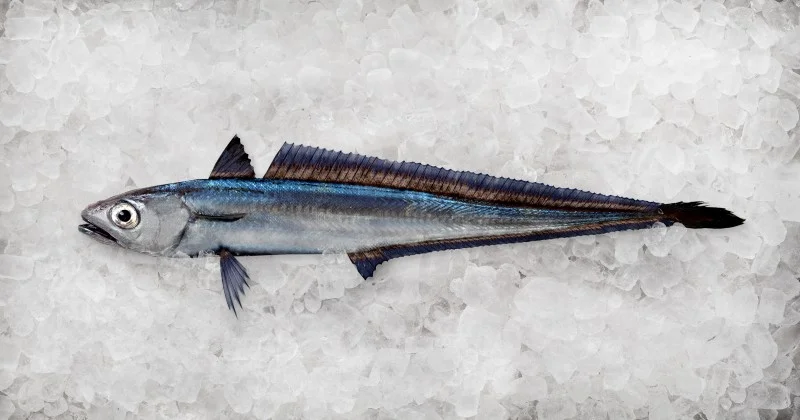
JX Seafood Limited operates from China and currently lists 26 distinct fish and seafood products in its catalogue. The portfolio covers a variety of species including horse mackerel (HS 0303.53), jack mackerel (HS 0303.54), Pacific sardine (HS 0303.53), and several squid forms such as Todarodes pacificus (HS 0307.43) and squid flower (HS 0307.43). Products are categorized under the HS chapters 0303 for fresh or frozen fish, 0304 for fish meat preparations, and 0307 for frozen squid. The supplier also lists items without explicit HS codes, such as Illex Argentinus and Gaint Squid Fillets, which fall within the same chapter groupings. All entries are presented with species name, processing state (fresh, frozen, whole, or surimi), and where provided, material description.
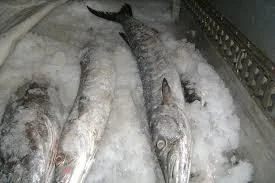
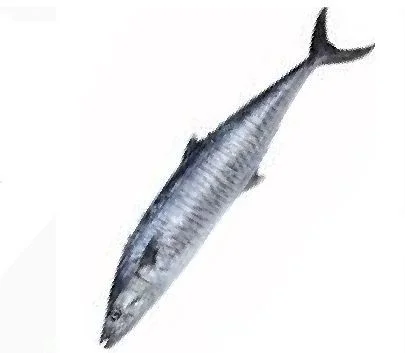
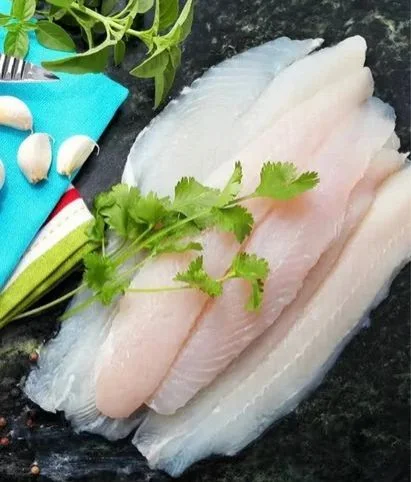
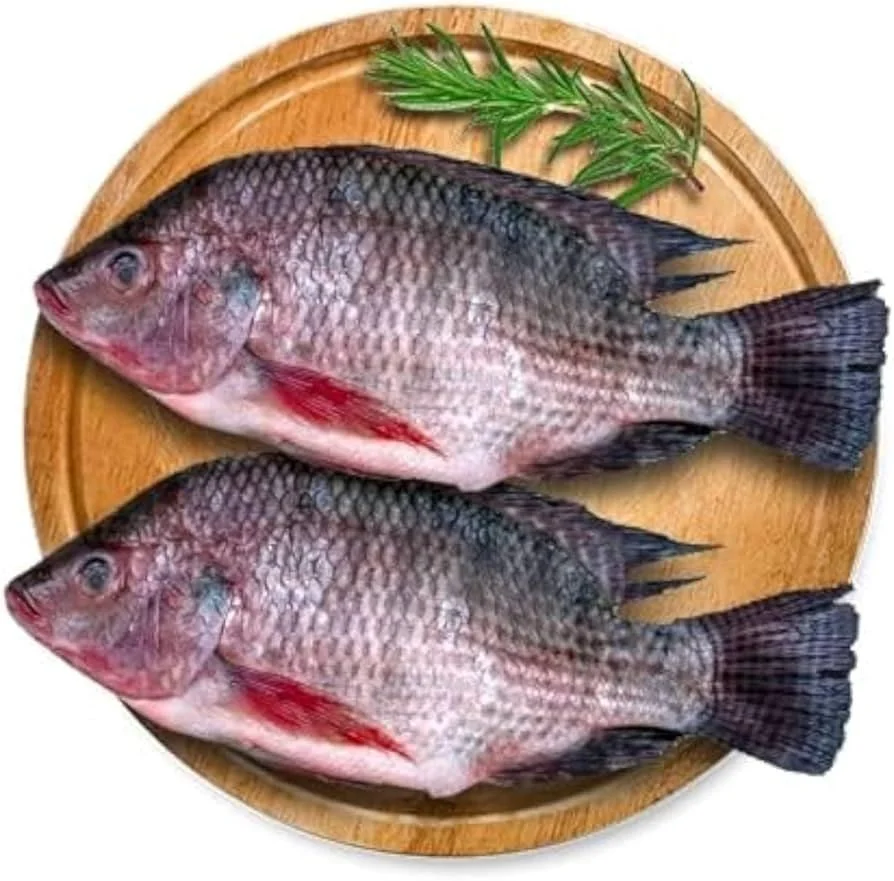
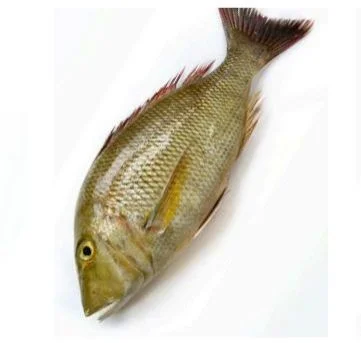
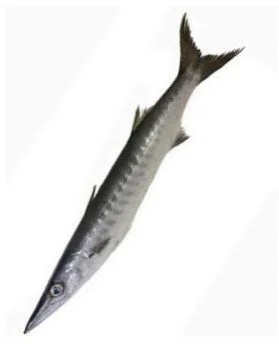
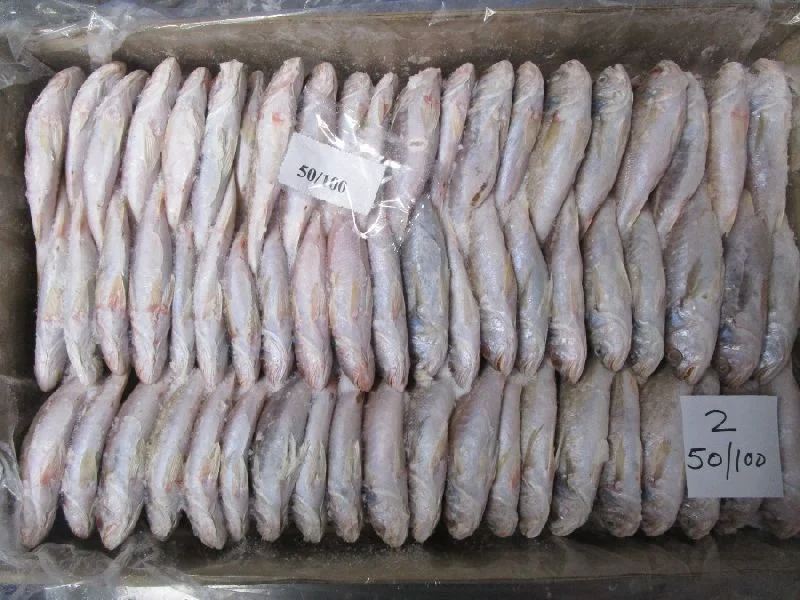
The catalogue includes whole frozen fish (e.g., Pacific mackerel, Spanish mackerel, tilapia), fish meat preparations like Snaper Fish Surimi, and assorted squid parts such as rings, tubes, and fillets. Several entries specify processing methods such as IQF (individually quick frozen) or whole gutted gilled (WGG). HS code 0303.89 covers species like moonfish, hardtail scad, and ray fish, while 0302.47 applies to Spanish mackerel. The product list reflects typical Chinese export formats where frozen whole fish are packed in insulated boxes or vacuum‑sealed bags for 20‑ft or 40‑ft refrigerated containers. The range demonstrates coverage of both pelagic and demersal species commonly traded in the global seafood market.
Product Range and Specialties of JX Seafood Limited
JX Seafood Limited’s catalogue lists 26 items spanning whole frozen fish, surimi, and processed squid. Species such as horse mackerel, jack mackerel, Pacific sardine, and tilapia are offered as whole frozen units, typically sized between 200 g and 1 kg per fillet and packed in 10 kg insulated boxes or vacuum‑sealed bags. In the squid segment, products like whole Todarodes pacificus, squid rings, and squid flower are commonly supplied frozen at - 18 °C, meeting industry standards for ice crystal size and moisture content below 65 %. Surimi preparations such as Snaper Fish Surimi follow the standard of 80 - 85 % protein, 1 - 2 % lipid, and a water binding capacity of 70 % as defined by Codex Alimentarius. Across the range, the HS code families 0303 (fresh or frozen fish), 0304 (fish meat preparations), and 0307 (frozen squid) are the primary tariff classifications. Typical industry specifications for these categories include HACCP‑based sanitation, BRC or ISO 22000 certification, and compliance with EU sanitary regulations for heavy metals and histamine levels; buyers often require documentation of catch method, freezing method (IQF or block freeze), and traceability to the fishing vessel or aquaculture farm.
Trade and Export Information - JX Seafood Limited
Chinese seafood exporters such as JX Seafood Limited generally ship to the European Union, United States, Japan, and Middle Eastern markets, where demand for frozen pelagic fish and squid remains strong. The HS chapters 0303, 0304, and 0307 are subject to tariff rates that vary by trade agreement, and importers commonly need a phytosanitary certificate, health certificate, and, for the EU, a sanitary certificate complying with EU Regulation 853/2004. Standard logistics involve FOB or CIF terms, with cargo loaded in refrigerated containers (20 ft or 40 ft) maintaining - 18 °C to - 20 °C throughout transit. Exporters from China must adhere to the Ministry of Agriculture and Rural Affairs' cold‑chain inspection regime, which includes temperature monitoring and documentation of freezing point and ice content.
Sourcing from JX Seafood Limited - Buyer Guidance
Buyers sourcing from JX Seafood Limited should request HACCP or ISO 22000 audit reports, along with recent laboratory analyses for microbiological limits, heavy metals, and histamine levels, which are standard for frozen fish imports. Verification of the HS code and exact product description (e.g., “Whole Jack Mackerel frozen, HS 0303.54”) helps ensure correct tariff treatment. Typical minimum order quantities range from 5 metric tons for whole fish to 2 metric tons for processed items such as surimi, with lead times of 30 - 45 days after order confirmation. Samples are usually provided in insulated packaging and should be accompanied by a certificate of analysis.
Frequently Asked Questions About JX Seafood Limited
What types of fish species are included in the catalogue?
The catalogue covers species such as horse mackerel, jack mackerel, Pacific sardine, Spanish mackerel, Pacific mackerel, tilapia, moonfish, hardtail scad, ray fish, and Pacific saury, each listed with its corresponding HS code.
Are the fish products supplied frozen or fresh?
Most items are offered as frozen whole fish or frozen fillets, with processing methods like IQF (individually quick frozen) or block freeze; surimi and squid products are also supplied frozen.
Which HS codes apply to the squid range?
Squid products such as Todarodes pacificus, squid flower, squid ring, and squid tube fall under HS 0307.43, the tariff heading for frozen squid.
What certifications should a buyer request for these seafood items?
Buyers should request HACCP or ISO 22000 compliance certificates, recent laboratory test reports for microbiology and contaminants, and the health or sanitary certificates required by the destination country.
What are the typical packaging formats for the frozen fish?
Whole frozen fish are commonly packed in insulated 10 kg boxes or vacuum‑sealed bags, which are then loaded into 20‑ft or 40‑ft refrigerated containers maintaining - 18 °C to - 20 °C.
What is the usual minimum order quantity and lead time?
Minimum order quantities are typically 5 metric tons for whole fish and 2 metric tons for processed products, with lead times of 30 - 45 days after order confirmation.
How can a buyer obtain a sample before placing a full order?
Samples can be requested in insulated packaging, shipped under refrigerated conditions, and are usually accompanied by a certificate of analysis detailing species, processing method, and test results.




 , China