Ichiban Foods — Supplier
About Ichiban Foods - Frozen Fish Supplier in India
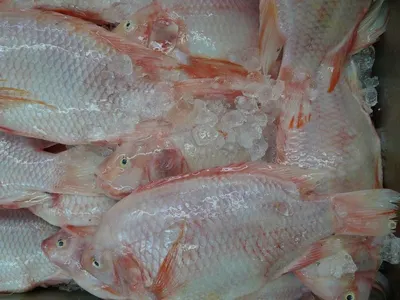
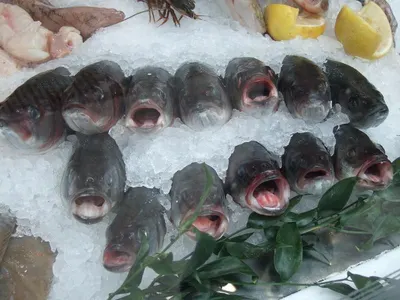
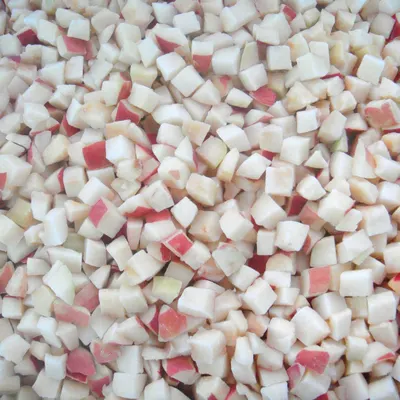
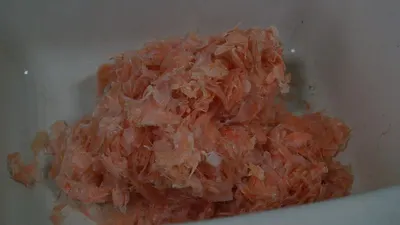
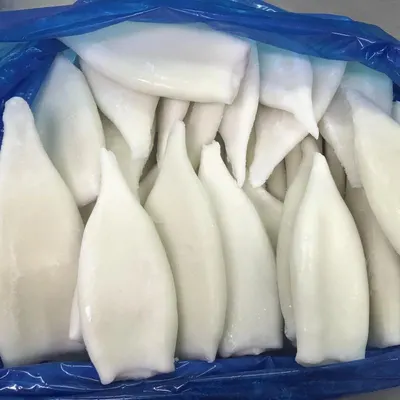
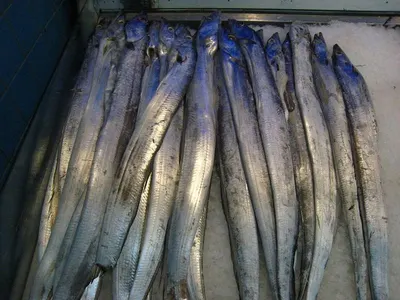
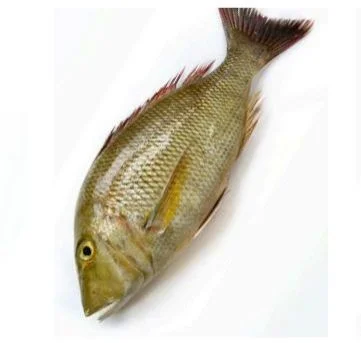
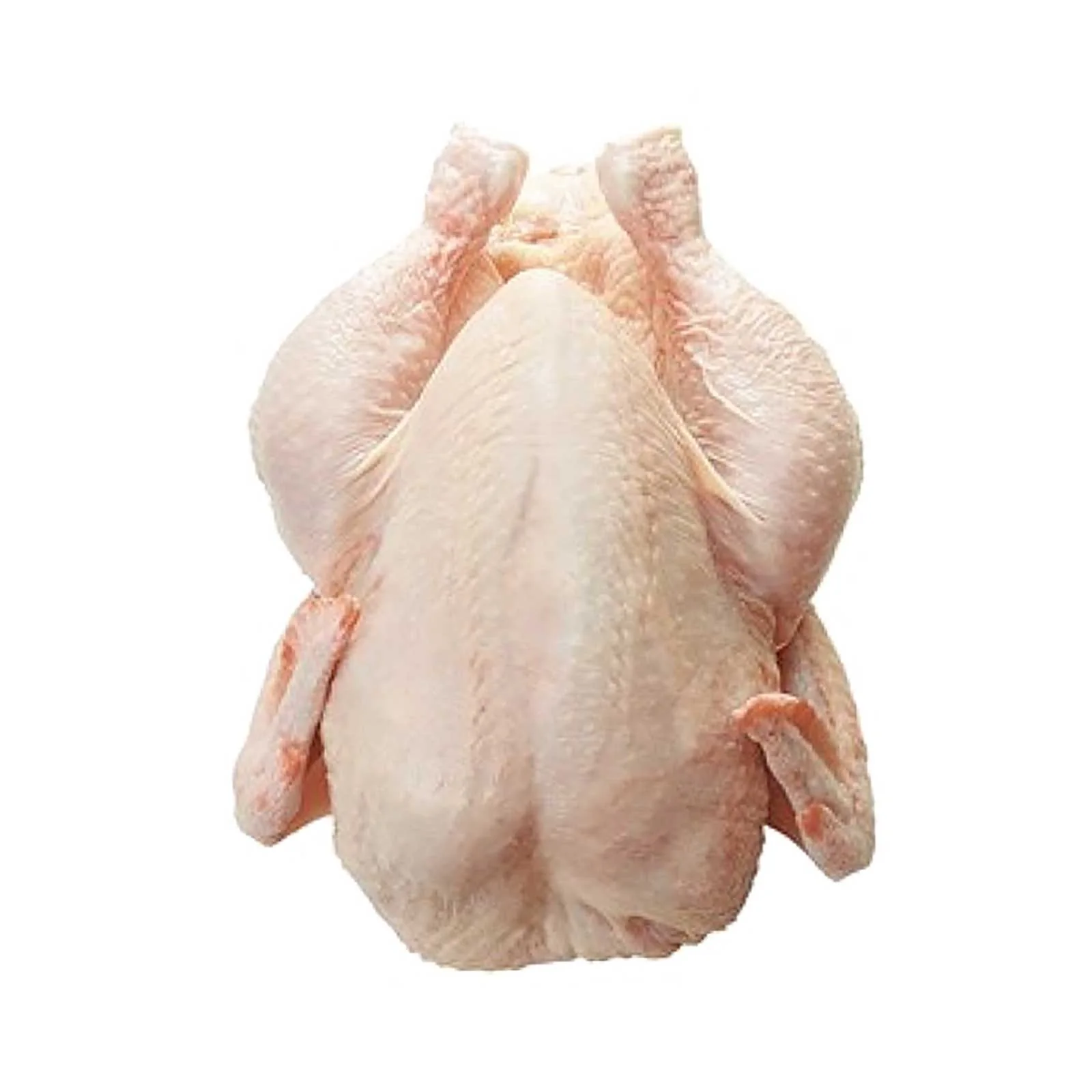
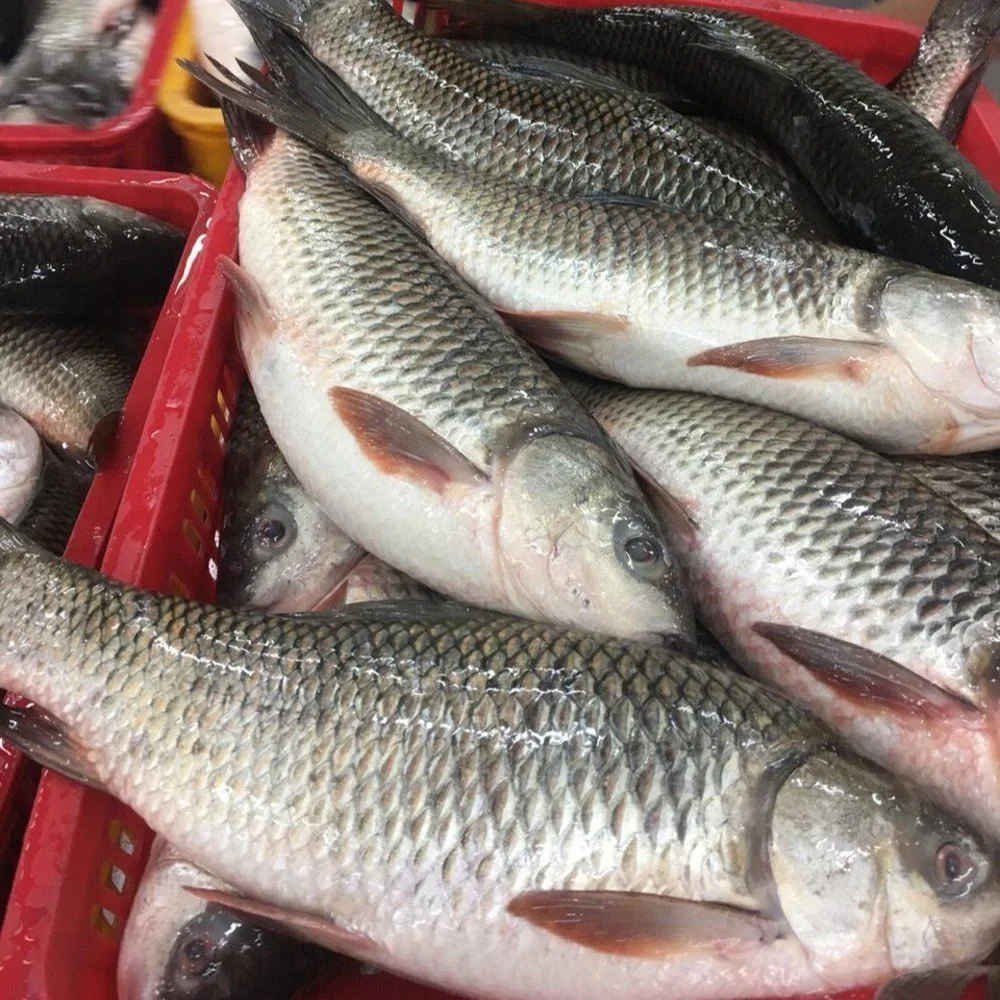
India hosts Ichiban Foods, which currently lists seven active frozen products in its catalogue. The supplier is classified under the “harbor” trust tier and its top categories are frozen fish and frozen chicken, although the present product list focuses on surimi varieties. All seven items are described as frozen surimi, a processed fish paste that falls within the frozen fish segment and is commonly coded under HS chapter 03 for frozen fish products. The catalogue includes Frozen Eso Surimi, Frozen Tachiuo Surimi, Frozen Mix Surimi, Frozen Itoyori Mix Surimi, Frozen Kintokidai Surimi, Frozen Mamakari Surimi and Frozen Himeji Surimi, each identified as a separate SKU within the supplier’s offering.
The seven surimi SKUs are produced from different fish species and are marketed as ready‑to‑cook frozen blocks. Surimi is typically frozen at - 18 °C and shipped in bulk packs that meet standard food‑grade handling requirements. While the supplier’s catalogue does not provide HS codes, surimi products are generally classified under HS code 0304 00 for frozen fish fillets and other fish meat. The listing reflects a focused product line rather than a broad assortment of frozen chicken items.
Product Range and Specialties of Ichiban Foods
Ichiban Foods’ catalogue is limited to seven frozen surimi products, each derived from specific fish species such as Eso (white fish), Tachiuo (flounder), and Mamakari (pompano). In the global surimi market, products are commonly graded by protein content (typically 12‑18 % dry basis), moisture level (70‑78 %), and ice‑glaze thickness (2‑4 mm) to protect texture during frozen storage. Standard packaging formats include 10 kg blocks wrapped in polyethylene film and placed on wooden pallets, which fit efficiently into 20 ft or 40 ft containers. Buyers often request specifications such as gel strength (measured in grams), color (CIE L*a*b* values), and microbiological limits (e.g., total plate count < 10⁴ cfu/g). The supplier’s product names indicate a mix of single‑species (e.g., Eso) and blended mixes (e.g., Mix Surimi), aligning with typical industry offerings that range from pure‑species surimi to value‑added blends for use in imitation crab, fish balls, and other processed seafood applications.
Trade and Export Information - Ichiban Foods
India is a recognized exporter of frozen fish and surimi, with major destination regions including the European Union, the United States, the Middle East and Southeast Asia. Surimi shipments are generally declared under HS code 0304 00, and customs authorities in importing countries often require certificates of origin, phytosanitary certificates, and compliance with food‑safety standards such as HACCP or BRC. While the facts do not list specific certifications for Ichiban Foods, exporters from India typically obtain HACCP, ISO 22000 and, where required, FDA Food Facility Registration for the U.S. market. Logistics for frozen surimi involve insulated containers, dry ice or refrigerated sea freight, and standard Incoterms such as FOB Kolkata or CIF Dubai. Container loading rates commonly reach 20 000 kg per 40 ft container, allowing bulk orders to be cost‑effective for large‑scale processors and distributors.
Sourcing from Ichiban Foods - Buyer Guidance
When sourcing surimi from Ichiban Foods, buyers should request a product specification sheet that details protein percentage, moisture content, ice‑glaze thickness and gel strength. Independent laboratory test reports for microbiological limits, heavy‑metal residues (e.g., arsenic, lead) and allergen labeling are standard documents that help verify compliance with EU and US food‑safety regulations. Buyers are advised to confirm the supplier’s HACCP or BRC certification status, and to obtain a certificate of origin for customs clearance. Typical minimum order quantities for frozen surimi range from 500 kg to 1 000 kg per SKU, with lead times of 30‑45 days from order confirmation. Samples are usually supplied in 5 kg frozen packs, allowing buyers to assess texture, flavor and gel performance before committing to larger shipments.
Frequently Asked Questions About Ichiban Foods
What type of fish is used in the Frozen Eso Surimi listed by Ichiban Foods?
Frozen Eso Surimi is produced from Eso species, a white‑fish commonly used for its firm texture and high gel‑forming ability in surimi applications.
Which HS code is typically applied to the surimi products offered by Ichiban Foods?
Surimi products are generally classified under HS code 0304 00, which covers frozen fish fillets and other frozen fish meat.
What are the common quality specifications buyers should verify for surimi?
Buyers usually check protein content (12‑18 % dry basis), moisture level (70‑78 %), ice‑glaze thickness (2‑4 mm), gel strength (measured in grams) and microbiological limits such as total plate count below 10⁴ cfu/g.
Which certifications are typically required for importing surimi from India?
Importers often require HACCP, ISO 22000 or BRC certification, a certificate of origin, and a phytosanitary certificate; additional FDA registration may be needed for the United States.
What packaging format is standard for the frozen surimi SKUs?
The standard format is 10 kg frozen blocks wrapped in food‑grade polyethylene film, stacked on pallets suitable for 20 ft or 40 ft refrigerated containers.
What is the usual minimum order quantity and lead time for these surimi products?
Minimum order quantities typically start at 500 kg per product, with a lead time of 30‑45 days from order confirmation.
How can a buyer request a sample of Ichiban Foods’ surimi?
Buyers can request a 5 kg frozen sample pack; the supplier will ship the sample under refrigerated conditions, usually on a prepaid basis, to allow evaluation of texture and flavor.




 , India