Hong Kong Fresh Ocean Foods Co., Ltd. — Verified Supplier
About Hong Kong Fresh Ocean Foods Co., Ltd. - Seafood Supplier in China
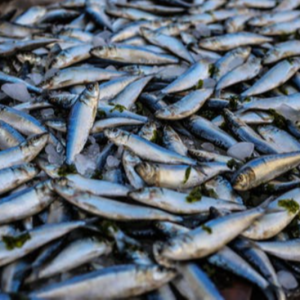
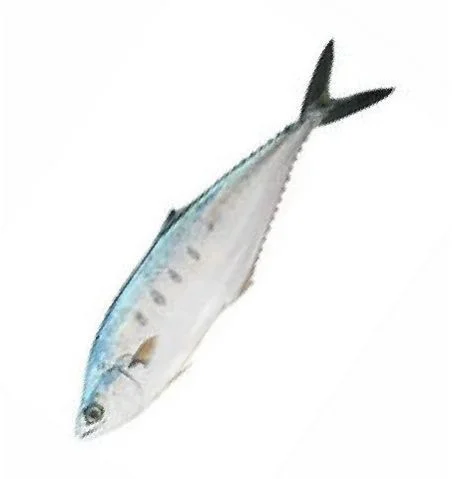
Based in China, Hong Kong Fresh Ocean Foods Co., Ltd. currently lists five active products across the Seafood and Canned Food categories. The catalogue includes Dried salted squid shredded, Dried salted blue whiting fish shredded, Canned mackerel, Giant Squid Fillets (HS code 0307.43, material frozen giant squid), and fresh Mackerel. Each entry is presented without additional brand or client references, reflecting a focused inventory of processed and frozen marine species. The supplier’s product count and category mix indicate a concentration on value‑added seafood preparations for downstream markets.
The product set spans both dry‑salting techniques and canning processes, with the only HS‑coded item being Giant Squid Fillets under chapter 03 (fish and crustaceans). The dried products are described by preparation method rather than detailed specifications, while the canned mackerel is listed as a ready‑to‑eat option. No further manufacturing details or certifications are provided in the source data. This concise catalogue supports buyers seeking specific Chinese‑origin seafood forms.
Product Range and Specialties of Hong Kong Fresh Ocean Foods Co., Ltd.
The catalogue offers two dried, salt‑preserved items - squid and blue whiting fish - both typically produced with moisture contents below 15 % and salt levels ranging from 10 % to 15 % to ensure shelf stability. In the broader industry, such products are often graded by size, color, and uniformity, with quality checks for microbial load and heavy‑metal limits. The canned mackerel falls under standard tin‑plate packaging, commonly available in 200 g to 400 g cans, and industry standards usually require compliance with HACCP and BRC food safety schemes. The Giant Squid Fillets, identified with HS 0307.43, are frozen at - 18 °C or lower; buyers typically evaluate them for fillet length (usually 150 - 250 mm), flesh firmness, and absence of off‑odors. Fresh Mackerel, while not detailed, is generally traded in chilled blocks of 10 - 20 kg, with standard freshness indicators such as gill colour and gut integrity.
Across these categories, Chinese exporters frequently meet EU and US import requirements by providing health certificates, pesticide residue reports, and laboratory analyses for histamine and mercury. Typical product specifications include packaging in insulated boxes for dried goods, tin‑sealed cans for mackerel, and insulated containers with dry ice for frozen squid. Buyers often request certificates of analysis (CoA) that reference relevant standards such as Codex Alimentarius for fish products.
Trade and Export Information - Hong Kong Fresh Ocean Foods Co., Ltd.
China is one of the world’s largest exporters of processed seafood, supplying the European Union, United States, Southeast Asian nations, and the Middle East. Products classified under HS chapter 03, such as the frozen Giant Squid Fillets (0307.43), are subject to phytosanitary certificates and, for many markets, mandatory HACCP or ISO 22000 compliance. Dried salted seafood typically moves in 20‑ft or 40‑ft refrigerated containers, while canned goods are shipped in standard dry containers with palletized tins. Common Incoterms used by Chinese seafood exporters include FOB Shanghai or CIF destination port.
Export logistics from China involve inspection by the General Administration of Customs and the China Inspection and Quarantine (CIQ) system, which issues health certificates aligned with Codex limits for microbial counts and heavy metals. Buyers importing into the EU must also meet EU Regulation 2023/2006 for fishery products, while US imports often require FDA prior notice and a fish and fishery products import compliance program. Typical documentation includes the commercial invoice, packing list, bill of lading, health certificate, and where applicable, a certificate of origin.
Sourcing from Hong Kong Fresh Ocean Foods Co., Ltd. - Buyer Guidance
When sourcing dried salted squid or blue whiting, buyers should request a sample analysis covering moisture percentage, salt concentration, and microbial limits (e.g., total viable count below 10⁴ CFU/g). Verify that the supplier can provide a Certificate of Analysis referencing Codex standards and any applicable HACCP audit reports. For canned mackerel, ask for the canning line certification (BRC or equivalent) and a CoA confirming compliance with EU fishery product regulations, including histamine levels below 200 mg/kg.
For the frozen Giant Squid Fillets, confirm the freezer temperature chain (-18 °C or lower) and request a health certificate that includes tests for parasites, mercury, and other heavy metals. Clarify packaging dimensions, typical container load (approximately 18 tons per 20‑ft container for frozen squid), and lead time, which in the Chinese seafood sector often ranges from 30 to 45 days from order confirmation. Ensure that all required import permits and laboratory test reports are reviewed before finalizing the purchase.
Frequently Asked Questions About Hong Kong Fresh Ocean Foods Co., Ltd.
What seafood products does Hong Kong Fresh Ocean Foods Co., Ltd. list?
The supplier lists five products: Dried salted squid shredded, Dried salted blue whiting fish shredded, Canned mackerel, Giant Squid Fillets (HS 0307.43, frozen), and fresh Mackerel.
Is there an HS code for any of the listed items?
Yes, Giant Squid Fillets are assigned HS code 0307.43, which falls under the fish and crustaceans chapter.
Which certifications should a buyer request for the canned mackerel?
Buyers should request HACCP or BRC certification, a health certificate, and a Certificate of Analysis confirming compliance with Codex limits for histamine and microbial counts.
What typical quality parameters are checked for dried salted seafood?
Typical checks include moisture content below 15 %, salt level between 10 % and 15 %, total viable count under 10⁴ CFU/g, and heavy‑metal limits as defined by Codex.
What packaging is used for the frozen Giant Squid Fillets?
The fillets are usually packed in insulated containers with dry ice or gel packs, maintaining a temperature of - 18 °C or lower for transport.
What are common minimum order quantities (MOQ) for these products?
MOQs vary by product: dried salted items are often ordered in 500 kg pallets, canned mackerel in 20‑ft containers (approximately 15 tons), and frozen squid fillets in 20‑ft containers (around 18 tons).
Which markets typically import Chinese dried salted seafood?
Key import markets include the European Union, United States, Southeast Asian countries such as Singapore and Malaysia, and Middle Eastern nations.
What documentation is required for customs clearance of the frozen squid?
Customs generally require a commercial invoice, packing list, bill of lading, health certificate, and, where applicable, a certificate of origin and HACCP audit report.




 , China