Hefei Shirui Electronic Technology Co., Ltd. — Supplier
About Hefei Shirui Electronic Technology Co., Ltd. - Inductors & Transducers Supplier in China
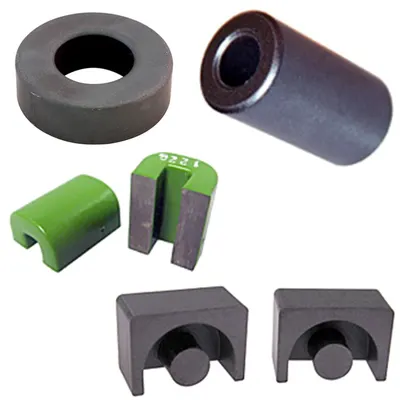
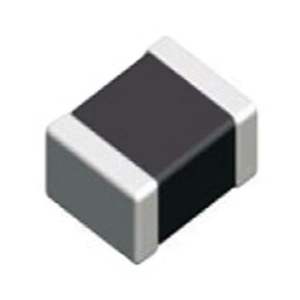
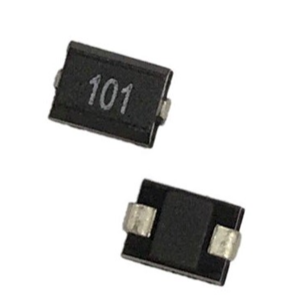
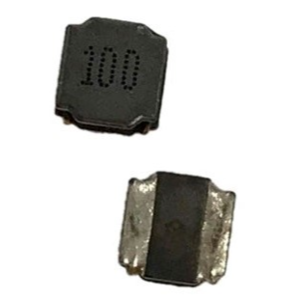
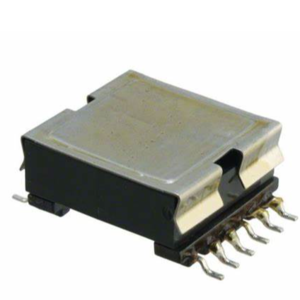
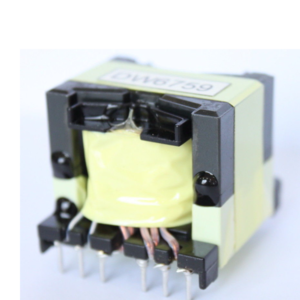
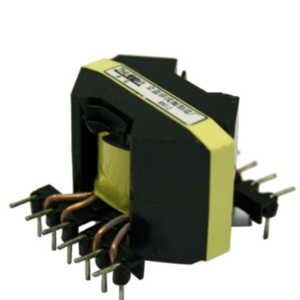
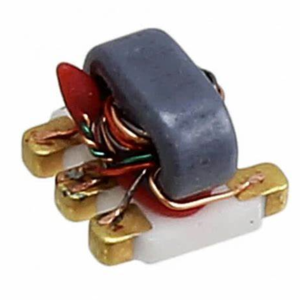
Based in Hefei, China, Hefei Shirui Electronic Technology Co., Ltd. lists five distinct electronic components in its current catalogue. The catalogue comprises ferrite cores, choke coils, current transformers, high‑frequency transformers and DR‑core inductors. These items fall under the broader categories of Inductors & Transducers and Electronic Transformers, which are reflected in the supplier’s top‑category tags. Each product is identified by its generic type without further specification of dimensions or performance ratings in the public data. The supplier is classified as an imported, harbor‑tier vendor in the trade platform.
The five listed items correspond to common HS‑code families used for magnetic components, such as chapter 85 heading 8504 for transformers and inductors. While the catalogue does not disclose individual HS codes, buyers can expect the products to be classified under sub‑headings for magnetic cores and power transformers. The supplier’s active product count of five indicates a focused portfolio rather than a broad line‑up. No additional product variants or brand names are provided. All information is drawn directly from the supplied facts.
Product Range and Specialties of Hefei Shirui Electronic Technology Co., Ltd.
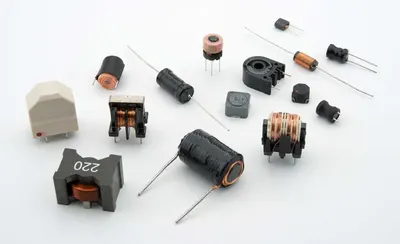
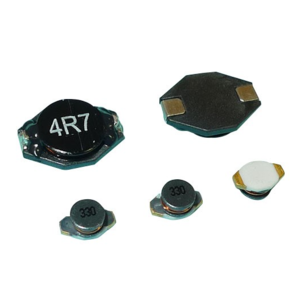
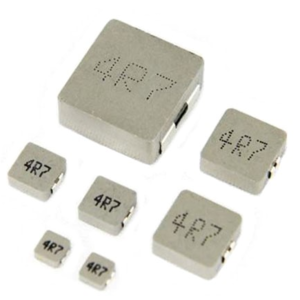
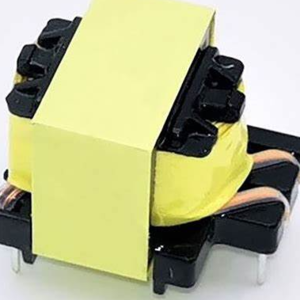
The catalogue includes ferrite cores, which are typically manufactured from MnZn or NiZn powders and are rated by permeability (e.g., 1000‑5000 μ) and saturation flux density (e.g., 0.3‑0.5 T). Choke coils are generally wound with enamelled copper wire and specified by inductance range (µH to mH) and current rating (A‑tens of amperes). Current transformers are classified by ratio (e.g., 100:5 A) and burden impedance (VA rating), and they often comply with IEC 61869‑2 for accuracy class. High‑frequency transformers are designed for operation above 100 kHz, using ferrite or powdered iron cores, with typical turn ratios from 1:1 to 10:1. DR‑core inductors refer to D‑shaped or rectangular ferrite cores used in power supplies, commonly specified by inductance, current rating and operating temperature range.
Industry practice for these magnetic components includes standard grades such as IEC‑type 1 for general‑purpose inductors, IEC‑type 2 for high‑precision current transformers, and IEC‑type 3 for high‑frequency power converters. Buyers often request datasheets that list parameters like DC resistance, temperature coefficient, and insulation class. Typical packaging involves anti‑static bags inside double‑wall cardboard boxes, sized to fit 20‑ft or 40‑ft containers for bulk shipments. Certifications frequently required across the sector include RoHS compliance, IEC safety standards, and where applicable UL or CE marking for end‑use markets.
Trade and Export Information - Hefei Shirui Electronic Technology Co., Ltd.
China is a major exporter of magnetic components, and suppliers based in the eastern provinces ship large volumes to Southeast Asia, Europe and North America. Ferrite cores, inductors and transformers are usually classified under HS‑code 8504.40 (magnetic cores) and 8504.31‑33 (transformers), which are subject to customs inspection for compliance with safety and environmental regulations. Buyers commonly request proof of RoHS conformity and IEC test reports, especially for equipment destined for the EU or North American markets. Export logistics from China typically employ FOB or CIF terms, with goods packed in moisture‑resistant cartons and loaded into 20‑ft or 40‑ft containers for sea freight.
The supplier’s target markets are not listed, so buyers should assume the same regional demand patterns that apply to Chinese magnetic component exporters. Importers in the automotive electronics, telecom infrastructure and consumer appliance sectors regularly source these items, requiring certifications such as IEC 61869 for transformers and IEC 60217 for magnetic materials. Inspection agencies often verify compliance with REACH restrictions on heavy metals. Documentation that accompanies shipments generally includes a commercial invoice, packing list, certificate of origin and, when requested, a test report from an accredited lab.
Sourcing from Hefei Shirui Electronic Technology Co., Ltd. - Buyer Guidance
When sourcing from this supplier, buyers should request detailed datasheets that specify core material, permeability, saturation flux density and temperature ratings for ferrite cores and DR‑core inductors. For choke coils and high‑frequency transformers, inductance value, DC resistance, current rating and insulation class are key parameters to verify. Current transformer orders should be accompanied by ratio, accuracy class, burden rating and IEC‑type certification documents.
Buyers are advised to ask for RoHS compliance statements and, where applicable, IEC or UL test reports before confirming a purchase. Sample units are typically supplied in anti‑static packaging; requesting a sample batch helps verify dimensional tolerances and electrical performance. Verify the HS‑code declared on the commercial invoice matches the product type to avoid customs delays. Confirm minimum order quantities, lead time estimates (often 2‑4 weeks for standard grades) and packaging details such as carton dimensions and weight per container.
Frequently Asked Questions About Hefei Shirui Electronic Technology Co., Ltd.
What magnetic component types does Hefei Shirui list in its catalogue?
The catalogue lists ferrite cores, choke coils, current transformers, high‑frequency transformers and DR‑core inductors, totaling five product types.
Are HS codes provided for the listed products?
Specific HS codes are not supplied in the catalogue, but the items normally fall under chapter 85 heading 8504 for inductors and transformers.
Which industry standards are typically relevant for these products?
Typical standards include IEC 61869 for current transformers, IEC 60217 for magnetic material grades, and RoHS for hazardous substance compliance.
What documentation should a buyer request before placing an order?
Buyers should request datasheets, RoHS compliance statements, IEC or UL test reports, and a certificate of origin for customs clearance.
Is a sample available for evaluation?
Suppliers of magnetic components generally provide sample units in anti‑static bags; buyers can ask the supplier to ship a sample batch for testing.
What are common packaging and shipping formats for these items?
Products are usually packed in anti‑static bags within double‑wall cardboard boxes, suitable for loading into 20‑ft or 40‑ft containers for sea freight.
What typical lead times and minimum order quantities apply?
Standard lead times range from two to four weeks for common grades, and minimum order quantities often start at a few hundred pieces per SKU, depending on the component.
Which markets typically import these Chinese magnetic components?
Typical import markets include Southeast Asian electronics manufacturers, European appliance producers, and North American telecom equipment makers.




 , China