Golden Star Fisheries — Verified Supplier
About Golden Star Fisheries - Seafood Supplier in Pakistan
Golden Star Fisheries is based in Pakistan and lists five active seafood products. The catalogue spans the categories Fish, Crabs, Fillets, Lobsters & Other Sea Creatures, and general Seafood. Products are presented with HS codes that fall within chapter 03 of the Harmonized System, covering live and processed marine species. The supplier’s trust tier is classified as harbor, indicating a mid‑level verification level in B2B platforms. No additional company history or size data is provided.
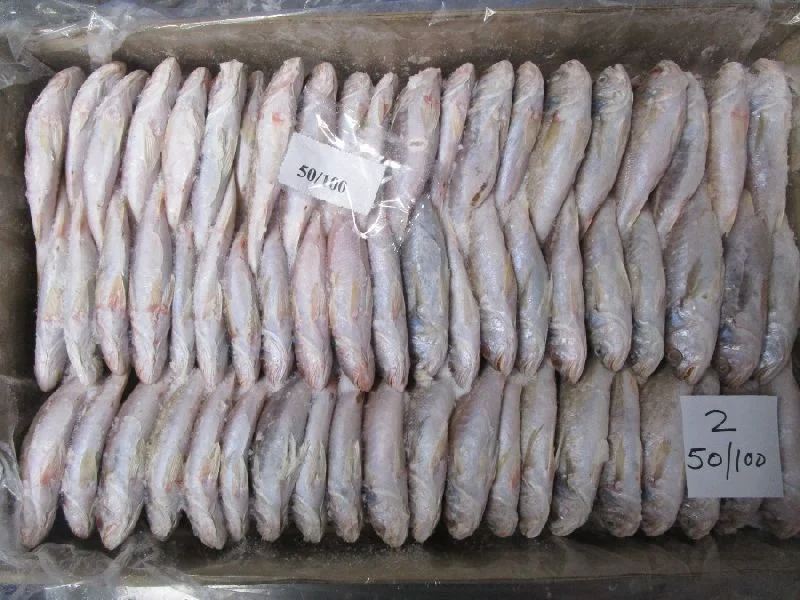
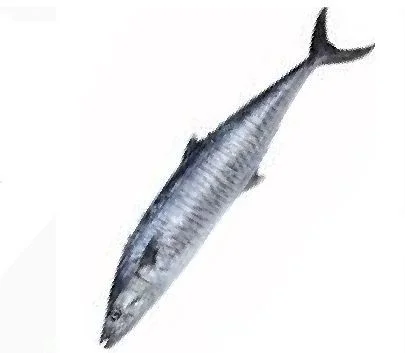
The product list includes Razor Clam (HS 0307.72, fresh/frozen/live bivalve mollusk of the genus Ensis), Live Mud Crab (HS 0306.14, live Scylla serrata), Indian Mackerel (no HS code supplied), Ribbon Fish (HS 0303.79, Trichiurus lepturus), and Frozen Tongue Sole Fish (HS 0303.89, Cynoglossus spp.). Each item is described by its material type, indicating whether the commodity is live, fresh, or frozen. The absence of an HS code for Indian Mackerel suggests the need for clarification during order processing. The catalogue reflects a focus on both pelagic species such as mackerel and demersal species such as sole.
Product Range and Specialties of Golden Star Fisheries
Golden Star Fisheries offers a concise range of five seafood items covering bivalve mollusks, crustaceans, and finfish. In the global market, Razor Clam is typically graded by size (e.g., 30‑45 mm shell length) and condition, with quality assessed by meat yield and shell integrity. Live Mud Crab shipments are usually evaluated on live weight, carapace width (typically 10‑12 cm), and mortality rate below 5 %.
Finfish such as Indian Mackerel, Ribbon Fish and Tongue Sole are commonly classified by length, fillet yield and moisture content; frozen fillets often target ≤ 1 % ice glaze and ≥ 80 % moisture retention. Industry standards for frozen fish include compliance with Codex Alimentarius limits for histamine (< 200 mg/kg for mackerel) and total viable count (< 1 × 10⁶ CFU/g). Buyers frequently request specifications like minimum catch size, frozen storage temperature (‑18 °C), and packaging format (e.g., vacuum‑sealed 10 kg boxes).
Trade and Export Information - Golden Star Fisheries
Pakistan’s seafood exports are concentrated on the EU, Middle East, and South‑East Asian markets, where HS chapter 03 products are subject to phytosanitary certificates and, for live crustaceans, a health certificate issued by the Ministry of National Food Security & Research. Typical imports require compliance with HACCP, BRC Global Standard for Food Safety, and ISO 22000, although the supplier’s own certifications are not listed. Shipping is usually performed in refrigerated containers (40‑ft reefer) under CIF or FOB terms, with ice or gel packs for live crabs and insulated boxes for frozen fillets.
Customs authorities often inspect the HS code declaration, weight, and country of origin label; any mismatch can trigger delays. Exporters from Pakistan routinely provide a Certificate of Origin and a sanitary export certificate, and many buyers request a third‑party laboratory analysis report for pathogens such as Salmonella and Listeria. The region’s logistical infrastructure supports sea freight from Karachi ports, with average transit times of 25‑35 days to Europe and 15‑20 days to the Gulf.
Sourcing from Golden Star Fisheries - Buyer Guidance
Prospective buyers should request the supplier’s HACCP plan, recent laboratory test reports for microbiological limits, and a detailed product specification sheet that includes size, weight, moisture, and ice glaze percentages. For live Mud Crab, a mortality report from the last shipment and a temperature log for the transport period are essential verification items.
Samples should be requested in the same conditioned state as the intended order - live, fresh on ice, or frozen at ‑18 °C - to validate quality. Buyers are advised to confirm packaging dimensions (e.g., 10 kg vacuum‑sealed boxes or 20 kg bulk cartons) and to verify that the supplier can meet the required container load (typically 20‑22 MT per 40‑ft reefer). Documentation such as the phytosanitary certificate, Certificate of Origin, and any relevant export permits must be reviewed before finalizing the contract.
Frequently Asked Questions About Golden Star Fisheries
What HS codes are associated with Golden Star Fisheries' products?
The catalogue lists Razor Clam under HS 0307.72, Live Mud Crab under HS 0306.14, Ribbon Fish under HS 0303.79, and Frozen Tongue Sole Fish under HS 0303.89; Indian Mackerel does not have an HS code provided in the listing.
Are the seafood items supplied live, fresh, or frozen?
Razor Clam is offered in fresh, frozen, or live form; Live Mud Crab is supplied 100 % live; Indian Mackerel is listed without processing detail; Ribbon Fish is described as whole fish; Frozen Tongue Sole Fish is supplied frozen.
What typical certifications should a buyer request for these seafood products?
Buyers usually ask for HACCP compliance, a recent BRC or ISO 22000 audit report, a sanitary export certificate, and a phytosanitary certificate issued by Pakistani authorities.
What packaging formats are common for the listed products?
Live Mud Crab is typically packed in insulated boxes with ice gel packs; frozen fish such as Tongue Sole are commonly vacuum‑sealed in 10 kg boxes; Razor Clam may be packed in bulk frozen bags of 20 kg or on ice in 25 kg cartons.
What are the standard lead times for shipping from Pakistan?
From order confirmation to vessel loading, exporters generally require 10‑14 days for product preparation, followed by 25‑35 days sea transit to Europe or 15‑20 days to Gulf ports, subject to container availability.
What quality parameters are typically tested for these seafood items?
Standard tests include total viable count, coliform count, histamine level for mackerel, moisture content, ice glaze thickness for frozen fillets, and size measurements for crabs and clams.




 , Pakistan