Gnaps Ltd. — Supplier

About Gnaps Ltd. - Multi‑Commodity Supplier in United Kingdom

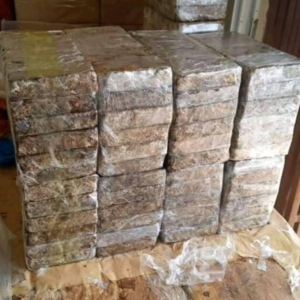
Gnaps Ltd. is based in the United Kingdom and currently lists eight active products across six primary commodity categories. The catalogue includes coal, antimony ore, various palm‑oil derivatives, cement, raw rubber and crude oil, reflecting a diversified import portfolio.

The product list specifies a single HS‑code entry for cement (HS 2523.29) describing Portland cement clinker composed of calcium silicates C3S, C2S, C3A and C4AF. The remaining items - coal, antimony ore, palm‑oil products, rubber and crude oil - are presented without HS codes in the supplied data, but they fall under standard international tariff chapters for their respective material classes.

Product Range and Specialties of Gnaps Ltd.

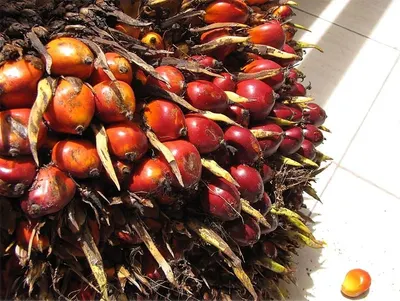
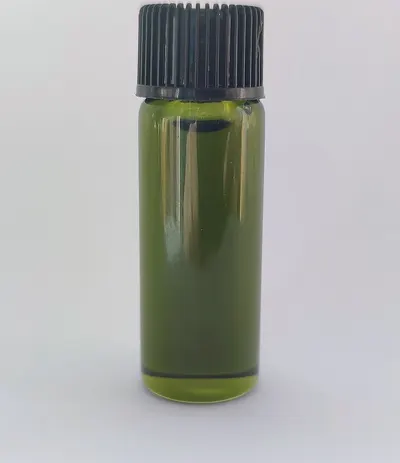
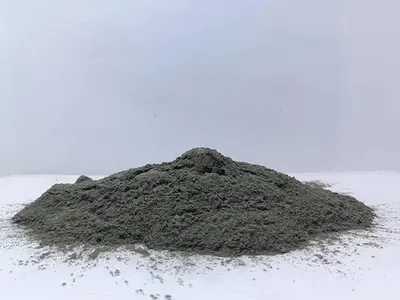
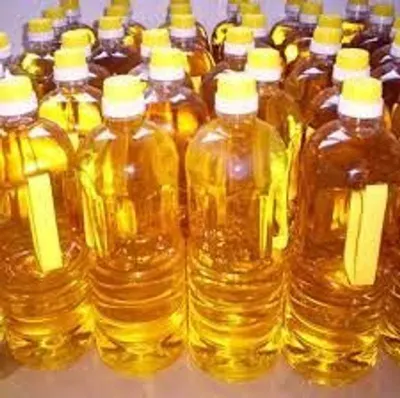
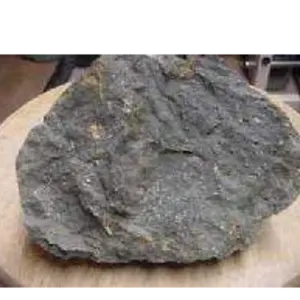
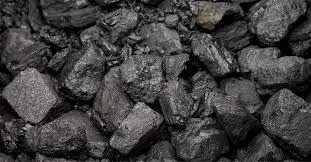
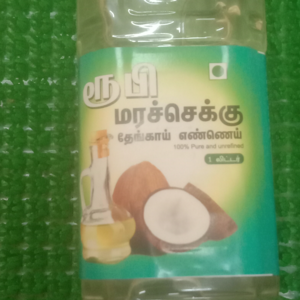
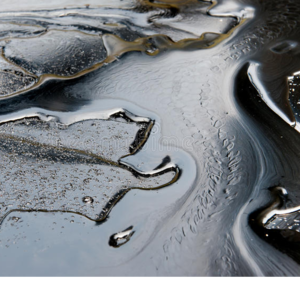
The coal offering is likely to be thermal or metallurgical grades, which buyers typically evaluate by calorific value (kcal/kg), ash content and sulfur level. Antimony ore is generally traded in concentrate form with a typical antimony metal content of 40‑60 % and moisture below 5 %. Palm‑oil products include crude palm oil, refined palm oil and palmitic‑acid rich oil, which are graded by free fatty acid (FFA) level, iodine value and moisture - common specifications are FFA ≤ 0.5 % for refined grades and iodine value around 55‑65. Cement is listed as Portland cement clinker, a standard feedstock for producing 42.5 N or 52.5 N cement grades, with typical clinker composition of 60‑70 % C3S. Raw rubber, usually natural rubber (NR), is measured by dry rubber content (DRC) of 30‑35 % and ash ≤ 0.5 %. The crude oil entry labelled “Bonny oil” refers to a light sweet crude, typically assessed by API gravity (≈ 35‑38°) and sulfur content (< 0.5 %).

Trade and Export Information - Gnaps Ltd.

United Kingdom exporters of these commodities normally serve markets in the European Union, North Africa, the Middle East and selected Asian destinations. Coal is classified under HS chapter 27 (e.g., 2701 for anthracite, 2702 for bituminous coal) and often shipped in bulk containers or bulk carriers with moisture control. Antimony ore falls under HS 2605 and may require a certificate of origin and assay report for customs clearance. Palm‑oil products are covered by HS 1511; buyers usually request a phytosanitary certificate and a Certificate of Analysis confirming FFA and moisture levels. Cement (HS 2523.29) is exported in 20‑ft or 40‑ft containers or bulk bags, with typical packaging of 50 kg or 1 ton bags, and may be subject to CE marking for European markets. Rubber (HS 4001) is shipped in bales or bulk rolls, with ISO 48 or ISO 70 grades commonly required. Crude oil (HS 2709) is transported in tank containers or via tanker vessels, and buyers typically ask for a SGS inspection certificate, a specification sheet and a Bill of Lading.

Sourcing from Gnaps Ltd. - Buyer Guidance

When sourcing coal from Gnaps Ltd., request a recent laboratory analysis showing calorific value, ash, sulfur and moisture percentages, as well as a compliance statement with ISO 9001 or equivalent quality system. For antimony ore, obtain an assay report detailing metal content, impurity levels and moisture, and confirm the HS‑code classification matches the shipment documentation. Palm‑oil buyers should ask for a Certificate of Analysis stating free fatty acid content, iodine value, moisture and impurity levels, together with a phytosanitary certificate if required by the destination country. Cement purchasers need to verify the clinker composition, confirm the grade (e.g., 42.5 N) and request a material safety data sheet (MSDS) and any relevant CE conformity documents. Rubber buyers should request a DRC test result, ash content, and a compliance statement with ISO 48 or ISO 70 standards. For crude oil, request a specification sheet covering API gravity, sulfur content, pour point and a third‑party inspection certificate before finalizing the contract.

Frequently Asked Questions About Gnaps Ltd.

What HS code does Gnaps Ltd. use for its cement product?

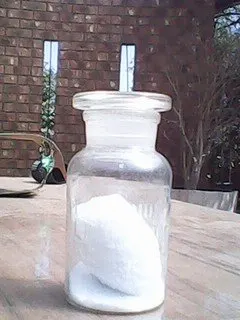
The cement is listed under HS code 2523.29, covering Portland cement clinker and calcium silicate compounds.

Which quality parameters are typical for the palm‑oil products offered?

Buyers usually check free fatty acid (FFA) level (≤ 0.5 % for refined oil), iodine value (55‑65), moisture content (< 0.1 %) and the presence of a Certificate of Analysis.

How is coal from Gnaps Ltd. generally classified for customs?

Coal shipments fall under HS chapter 27, commonly HS 2701 for anthracite or HS 2702 for bituminous coal, and are documented with calorific value and sulfur content reports.

What documentation should a buyer request for antimony ore?

An assay report showing antimony metal content (40‑60 %), impurity levels, moisture, and a certificate of origin matching HS 2605 are standard.

What packaging formats are typical for the cement export?

Cement clinker is usually packed in 50 kg or 1 ton bags, loaded into 20‑ft or 40‑ft containers for sea freight.

Which certifications are commonly required for raw rubber imports?

Importers often require ISO 48 or ISO 70 compliance certificates, a material safety data sheet and a test report confirming dry rubber content.

What specifications are important for the ‘Bonny oil’ crude oil?

Key specifications include API gravity around 35‑38°, sulfur content below 0.5 %, and a third‑party inspection certificate such as SGS.

How can a buyer verify the quality of the antimony ore before shipment?

Request a recent laboratory assay, confirm the HS‑code alignment, and ask for a compliance statement with applicable environmental or safety standards.


Other Suppliers in Palm Oil

Top Trusted Suppliers

Related Products in Palm Oil

Trending in Parent Category

More Suppliers in Parent Category

Related Products

Other Suppliers

EximNext
7.1K+ live requirements
Register Free🎁 Reach global buyers
Post Requirement
🌍 Trusted by 225K+ businesses in 200+ countries|
7.1K+ active requirements right now
✉️ [email protected]
|
Sell on EximNextPost Requirement
EximNext
AgricultureApparelConstructionElectronicFoodHomeIndustrialMineralsMiscellaneous
🔥 Deals|✨ AI Match|🏭 Suppliers|📋 Buy Leads|💰 Trade Finance
7.1K+ live RFQs·194.8K+ suppliers
🎁 Reach global buyers →
EximNext
EximNext
Register Free
🎁 Reach global buyers
Sign In
📋Post Requirement💬Get Quotes✨AI Match📋RFQ Marketplace
All Categories
Services & Tools
🏭Supplier Directory🔥Today's Deals💰Trade Finance
Sell on EximNext →
AboutContactBlogHelp
Agriculture & Food  ·  United Kingdom
8
products listed

Gnaps Ltd.

⚓ Harbor
Country flag , United KingdomNew supplier / no reviews yet
🛡️
55/100
Trust Score

Gnaps Ltd. Product Catalog

Showing 8 of 8 products
View all products →
Palm oil
⚓ Harbor
Palm oil
Contact
MOQ: 1 Unit
Bonny oil
⚓ Harbor
Bonny oil
Contact
MOQ: 1 Unit
Rubber
⚓ Harbor
Rubber
Contact
MOQ: 1 Unit
Cement
⚓ Harbor
Cement
Contact
MOQ: 1 Unit
Crude palm oil
⚓ Harbor
Crude palm oil
Contact
MOQ: 1 Unit
Palmitic acid oil
⚓ Harbor
Palmitic acid oil
Contact
MOQ: 1 Unit
Antimony ore
⚓ Harbor
Antimony ore
Contact
MOQ: 1 Unit
Coal
⚓ Harbor
Coal
Contact
MOQ: 1 Unit

About Gnaps Ltd. - Multi‑Commodity Supplier in United Kingdom

Gnaps Ltd. is based in the United Kingdom and currently lists eight active products across six primary commodity categories. The catalogue includes coal, antimony ore, various palm‑oil derivatives, cement, raw rubber and crude oil, reflecting a diversified import portfolio.

The product list specifies a single HS‑code entry for cement (HS 2523.29) describing Portland cement clinker composed of calcium silicates C3S, C2S, C3A and C4AF. The remaining items - coal, antimony ore, palm‑oil products, rubber and crude oil - are presented without HS codes in the supplied data, but they fall under standard international tariff chapters for their respective material classes.

Product Range and Specialties of Gnaps Ltd.

The coal offering is likely to be thermal or metallurgical grades, which buyers typically evaluate by calorific value (kcal/kg), ash content and sulfur level. Antimony ore is generally traded in concentrate form with a typical antimony metal content of 40‑60 % and moisture below 5 %. Palm‑oil products include crude palm oil, refined palm oil and palmitic‑acid rich oil, which are graded by free fatty acid (FFA) level, iodine value and moisture - common specifications are FFA ≤ 0.5 % for refined grades and iodine value around 55‑65. Cement is listed as Portland cement clinker, a standard feedstock for producing 42.5 N or 52.5 N cement grades, with typical clinker composition of 60‑70 % C3S. Raw rubber, usually natural rubber (NR), is measured by dry rubber content (DRC) of 30‑35 % and ash ≤ 0.5 %. The crude oil entry labelled “Bonny oil” refers to a light sweet crude, typically assessed by API gravity (≈ 35‑38°) and sulfur content (< 0.5 %).

Trade and Export Information - Gnaps Ltd.

United Kingdom exporters of these commodities normally serve markets in the European Union, North Africa, the Middle East and selected Asian destinations. Coal is classified under HS chapter 27 (e.g., 2701 for anthracite, 2702 for bituminous coal) and often shipped in bulk containers or bulk carriers with moisture control. Antimony ore falls under HS 2605 and may require a certificate of origin and assay report for customs clearance. Palm‑oil products are covered by HS 1511; buyers usually request a phytosanitary certificate and a Certificate of Analysis confirming FFA and moisture levels. Cement (HS 2523.29) is exported in 20‑ft or 40‑ft containers or bulk bags, with typical packaging of 50 kg or 1 ton bags, and may be subject to CE marking for European markets. Rubber (HS 4001) is shipped in bales or bulk rolls, with ISO 48 or ISO 70 grades commonly required. Crude oil (HS 2709) is transported in tank containers or via tanker vessels, and buyers typically ask for a SGS inspection certificate, a specification sheet and a Bill of Lading.

Sourcing from Gnaps Ltd. - Buyer Guidance

When sourcing coal from Gnaps Ltd., request a recent laboratory analysis showing calorific value, ash, sulfur and moisture percentages, as well as a compliance statement with ISO 9001 or equivalent quality system. For antimony ore, obtain an assay report detailing metal content, impurity levels and moisture, and confirm the HS‑code classification matches the shipment documentation. Palm‑oil buyers should ask for a Certificate of Analysis stating free fatty acid content, iodine value, moisture and impurity levels, together with a phytosanitary certificate if required by the destination country. Cement purchasers need to verify the clinker composition, confirm the grade (e.g., 42.5 N) and request a material safety data sheet (MSDS) and any relevant CE conformity documents. Rubber buyers should request a DRC test result, ash content, and a compliance statement with ISO 48 or ISO 70 standards. For crude oil, request a specification sheet covering API gravity, sulfur content, pour point and a third‑party inspection certificate before finalizing the contract.

Frequently Asked Questions About Gnaps Ltd.

What HS code does Gnaps Ltd. use for its cement product?

The cement is listed under HS code 2523.29, covering Portland cement clinker and calcium silicate compounds.

Which quality parameters are typical for the palm‑oil products offered?

Buyers usually check free fatty acid (FFA) level (≤ 0.5 % for refined oil), iodine value (55‑65), moisture content (< 0.1 %) and the presence of a Certificate of Analysis.

How is coal from Gnaps Ltd. generally classified for customs?

Coal shipments fall under HS chapter 27, commonly HS 2701 for anthracite or HS 2702 for bituminous coal, and are documented with calorific value and sulfur content reports.

What documentation should a buyer request for antimony ore?

An assay report showing antimony metal content (40‑60 %), impurity levels, moisture, and a certificate of origin matching HS 2605 are standard.

What packaging formats are typical for the cement export?

Cement clinker is usually packed in 50 kg or 1 ton bags, loaded into 20‑ft or 40‑ft containers for sea freight.

Which certifications are commonly required for raw rubber imports?

Importers often require ISO 48 or ISO 70 compliance certificates, a material safety data sheet and a test report confirming dry rubber content.

What specifications are important for the ‘Bonny oil’ crude oil?

Key specifications include API gravity around 35‑38°, sulfur content below 0.5 %, and a third‑party inspection certificate such as SGS.

How can a buyer verify the quality of the antimony ore before shipment?

Request a recent laboratory assay, confirm the HS‑code alignment, and ask for a compliance statement with applicable environmental or safety standards.

About Gnaps Ltd. - Multi‑Commodity Supplier in United Kingdom

Gnaps Ltd. is based in the United Kingdom and currently lists eight active products across six primary commodity categories. The catalogue includes coal, antimony ore, various palm‑oil derivatives, cement, raw rubber and crude oil, reflecting a diversified import portfolio.

The product list specifies a single HS‑code entry for cement (HS 2523.29) describing Portland cement clinker composed of calcium silicates C3S, C2S, C3A and C4AF. The remaining items - coal, antimony ore, palm‑oil products, rubber and crude oil - are presented without HS codes in the supplied data, but they fall under standard international tariff chapters for their respective material classes.

Product Range and Specialties of Gnaps Ltd.

The coal offering is likely to be thermal or metallurgical grades, which buyers typically evaluate by calorific value (kcal/kg), ash content and sulfur level. Antimony ore is generally traded in concentrate form with a typical antimony metal content of 40‑60 % and moisture below 5 %. Palm‑oil products include crude palm oil, refined palm oil and palmitic‑acid rich oil, which are graded by free fatty acid (FFA) level, iodine value and moisture - common specifications are FFA ≤ 0.5 % for refined grades and iodine value around 55‑65. Cement is listed as Portland cement clinker, a standard feedstock for producing 42.5 N or 52.5 N cement grades, with typical clinker composition of 60‑70 % C3S. Raw rubber, usually natural rubber (NR), is measured by dry rubber content (DRC) of 30‑35 % and ash ≤ 0.5 %. The crude oil entry labelled “Bonny oil” refers to a light sweet crude, typically assessed by API gravity (≈ 35‑38°) and sulfur content (< 0.5 %).

Trade and Export Information - Gnaps Ltd.

United Kingdom exporters of these commodities normally serve markets in the European Union, North Africa, the Middle East and selected Asian destinations. Coal is classified under HS chapter 27 (e.g., 2701 for anthracite, 2702 for bituminous coal) and often shipped in bulk containers or bulk carriers with moisture control. Antimony ore falls under HS 2605 and may require a certificate of origin and assay report for customs clearance. Palm‑oil products are covered by HS 1511; buyers usually request a phytosanitary certificate and a Certificate of Analysis confirming FFA and moisture levels. Cement (HS 2523.29) is exported in 20‑ft or 40‑ft containers or bulk bags, with typical packaging of 50 kg or 1 ton bags, and may be subject to CE marking for European markets. Rubber (HS 4001) is shipped in bales or bulk rolls, with ISO 48 or ISO 70 grades commonly required. Crude oil (HS 2709) is transported in tank containers or via tanker vessels, and buyers typically ask for a SGS inspection certificate, a specification sheet and a Bill of Lading.

Sourcing from Gnaps Ltd. - Buyer Guidance

When sourcing coal from Gnaps Ltd., request a recent laboratory analysis showing calorific value, ash, sulfur and moisture percentages, as well as a compliance statement with ISO 9001 or equivalent quality system. For antimony ore, obtain an assay report detailing metal content, impurity levels and moisture, and confirm the HS‑code classification matches the shipment documentation. Palm‑oil buyers should ask for a Certificate of Analysis stating free fatty acid content, iodine value, moisture and impurity levels, together with a phytosanitary certificate if required by the destination country. Cement purchasers need to verify the clinker composition, confirm the grade (e.g., 42.5 N) and request a material safety data sheet (MSDS) and any relevant CE conformity documents. Rubber buyers should request a DRC test result, ash content, and a compliance statement with ISO 48 or ISO 70 standards. For crude oil, request a specification sheet covering API gravity, sulfur content, pour point and a third‑party inspection certificate before finalizing the contract.

Frequently Asked Questions About Gnaps Ltd.
What HS code does Gnaps Ltd. use for its cement product?
The cement is listed under HS code 2523.29, covering Portland cement clinker and calcium silicate compounds.
Which quality parameters are typical for the palm‑oil products offered?
Buyers usually check free fatty acid (FFA) level (≤ 0.5 % for refined oil), iodine value (55‑65), moisture content (< 0.1 %) and the presence of a Certificate of Analysis.
How is coal from Gnaps Ltd. generally classified for customs?
Coal shipments fall under HS chapter 27, commonly HS 2701 for anthracite or HS 2702 for bituminous coal, and are documented with calorific value and sulfur content reports.
What documentation should a buyer request for antimony ore?
An assay report showing antimony metal content (40‑60 %), impurity levels, moisture, and a certificate of origin matching HS 2605 are standard.
What packaging formats are typical for the cement export?
Cement clinker is usually packed in 50 kg or 1 ton bags, loaded into 20‑ft or 40‑ft containers for sea freight.
Which certifications are commonly required for raw rubber imports?
Importers often require ISO 48 or ISO 70 compliance certificates, a material safety data sheet and a test report confirming dry rubber content.
What specifications are important for the ‘Bonny oil’ crude oil?
Key specifications include API gravity around 35‑38°, sulfur content below 0.5 %, and a third‑party inspection certificate such as SGS.
How can a buyer verify the quality of the antimony ore before shipment?
Request a recent laboratory assay, confirm the HS‑code alignment, and ask for a compliance statement with applicable environmental or safety standards.

Gnaps Ltd.
Country flag United Kingdom

⚓ HarborAgriculture & Food
55/100
Trust Score
8
Products
✓ Free to contact — no commission
✓ Escrow payment available
✓ Verified business identity
Compare more suppliers
Post a requirement — get 10 quotes free
Let verified suppliers compete for your business. Free, fast, no commitment.
Due Diligence
Verify this supplier's real shipping history.
Every shipment, every buyer, every port. Trade data that can't be faked.
Run due diligence →
Discover More

Related Suppliers & Products

Explore similar suppliers, related products and trending categories

Other Suppliers in Palm Oil

Top Trusted Suppliers

Related Products in Palm Oil

Trending in Parent Category

More Suppliers in Parent Category

Stay ahead in global trade
Weekly market insights & new supplier alerts.
EximNext
Exim Next is a leading global B2B marketplace, connecting over 220,000 registered suppliers and buyers across 200+ countries. As a trusted import export marketplace, it serves as the essential B2B portal for businesses worldwide, empowering them to expand their international reach. With Exim Next, businesses can trade smarter and grow faster.
SECURE PAYMENTS
VISAMastercardPayPalSWIFTL/CEscrow
Follow us
© 2026 EximNext