GM International — Verified Supplier
About GM International - Rubber Scrap Supplier in India
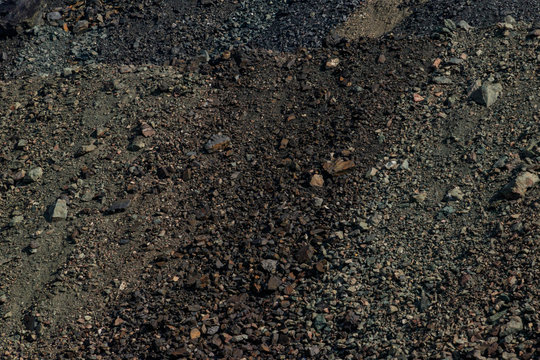
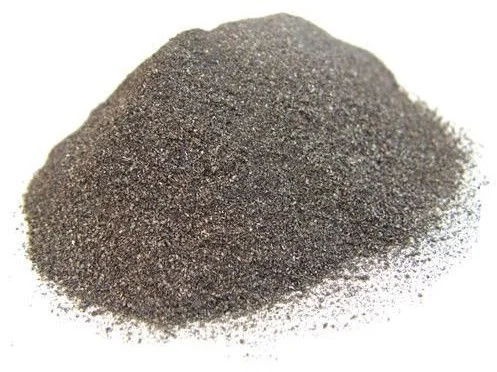
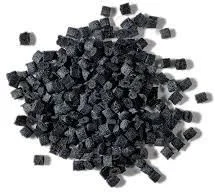
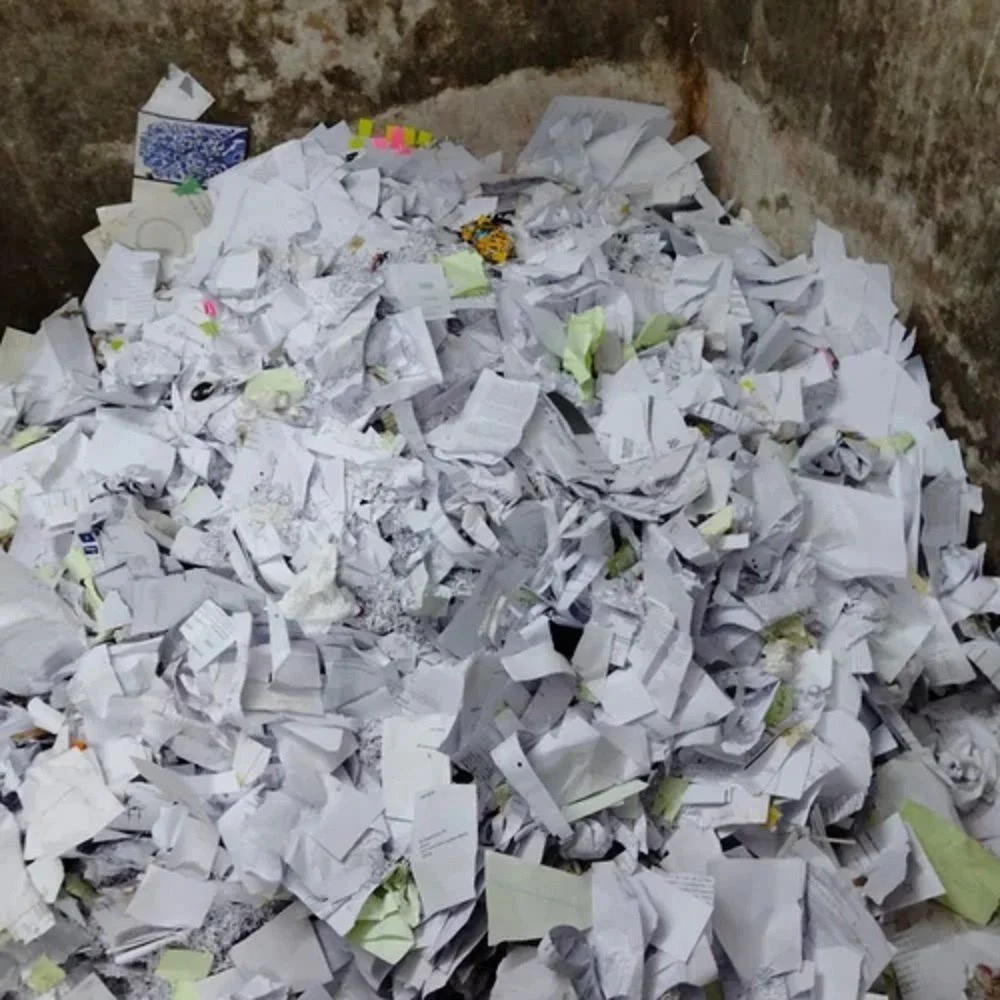
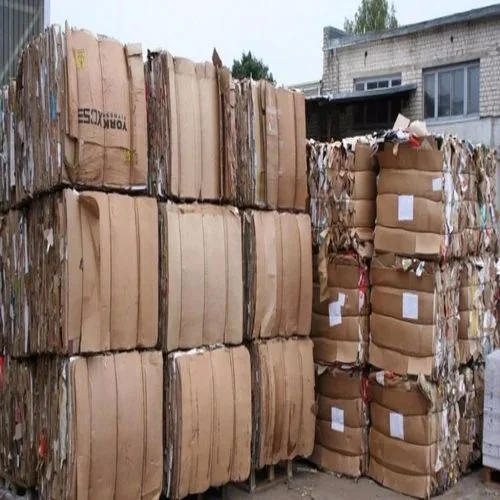
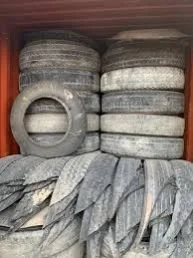
India‑based GM International currently lists 16 active products in its catalogue. The catalogue spans agricultural commodities such as fresh red onion, small Sambar onion, assorted varieties of Allium cepa, hot red chilies, fresh ginger and refined palm oil. It also includes industrial scrap materials including unvulcanized nylon and steel friction rubber scrap, latex rubber gloves scrap, butyl inner tube scrap, and drained lead‑acid battery scrap. Metal‑based offerings comprise iron slag granules (HS 2618 00) with approximately 55 % iron and iron powder (HS 7205 29) with 94 % purity. Paper sector items consist of old news paper (ONP) and paper/OCC scrap. Each product is identified by its HS‑code family where applicable, providing a clear tariff reference for international buyers.
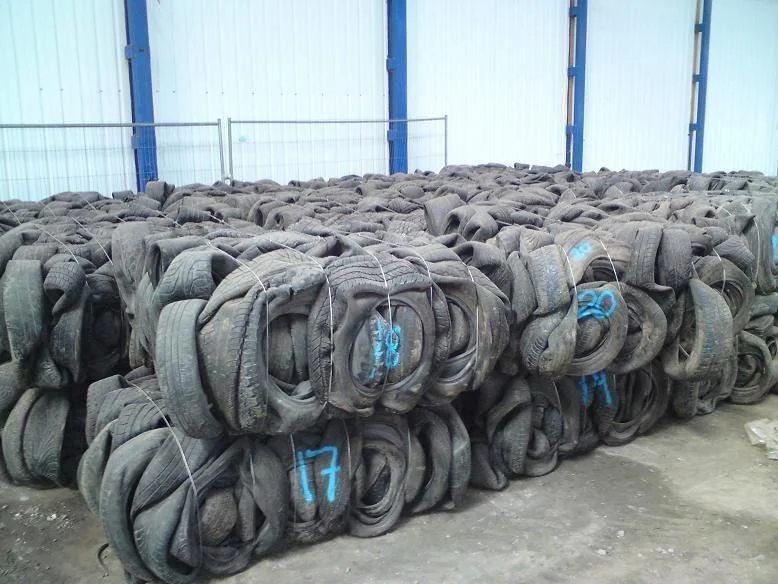
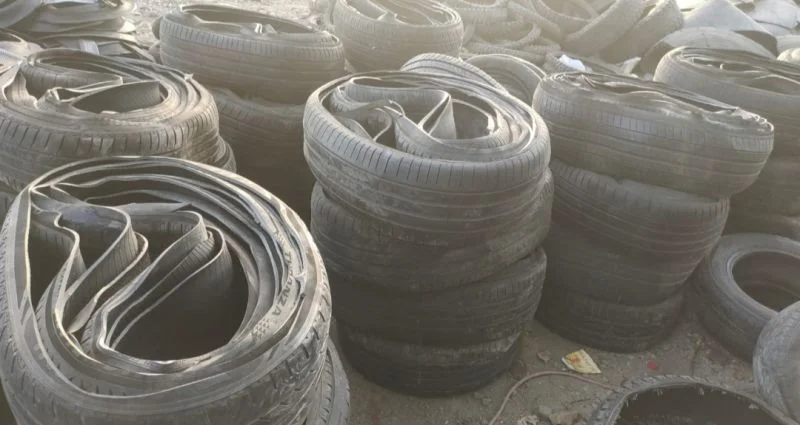
The vegetable entries are presented with size descriptors such as “big size” for red onion and “small” for Sambar onion, aligning with standard market size classes used in Indian export. The hot red chilli entry references the S17 grade, a common quality benchmark for capsicum in the spice trade. Palm oil is offered in both refined (RBD) and crude (CPO) forms, matching the two main grades traded globally. Rubber scrap variants are described by their source material - nylon fabric, steel friction surfaces, gloves and inner tubes - which determines particle size distribution and ash content. The metal scrap listings specify iron content and purity, key parameters for steel recyclers and alloy producers. Overall the product set reflects a mix of fresh agricultural produce and secondary raw materials typical of Indian bulk exporters.
Product Range and Specialties of GM International
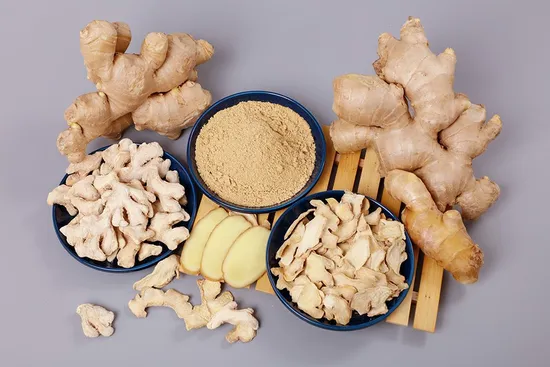
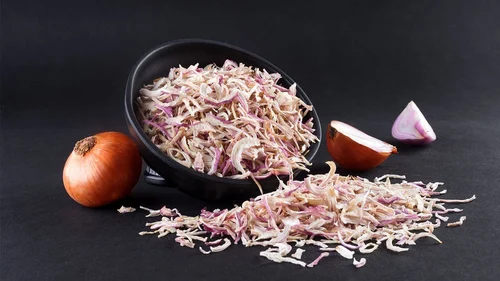
GM International’s catalogue contains fresh red onion (large), small Sambar onion, and other Allium cepa varieties, hot red chilies classified as S17, fresh and dried ginger, and both refined (RBD) and crude palm oil. Paper offerings include old news paper (ONP) and mixed paper/OCC scrap. Rubber scrap is broken down into unvulcanized nylon fabric, unvulcanized steel friction, latex glove scrap, and butyl inner‑tube scrap. Metal‑based products list iron slag granules (≈55 % Fe) and high‑purity iron powder (≈94 % Fe), alongside drained lead‑acid battery scrap (lead‑alloy).
In the onion market, large onions typically exceed 80 mm in diameter and are graded by size and dry‑matter content, while Sambar onions fall under the 50‑80 mm range. S17 red chillies meet a capsaicin level of about 0.5 % and are inspected for uniform colour and moisture below 12 %. Ginger quality is measured by gingerol content and dryness, with dried ginger requiring moisture ≤10 %. Palm oil grades are distinguished by free fatty acid (FFA) levels - RBD palm oil normally ≤0.1 % FFA and an iodine value of 45‑55. Rubber scrap is usually sized 0‑5 mm, with ash content below 2 % for nylon‑based scrap and below 1 % for steel‑based scrap. Iron slag granules are used in steelmaking and are assessed for Fe content and silica levels, while iron powder specifications include particle size distribution (e.g., 45 µm) and purity ≥94 %. Lead‑acid battery scrap is commonly required to meet lead purity ≥95 % and is shipped under hazardous material regulations.
Trade and Export Information - GM International
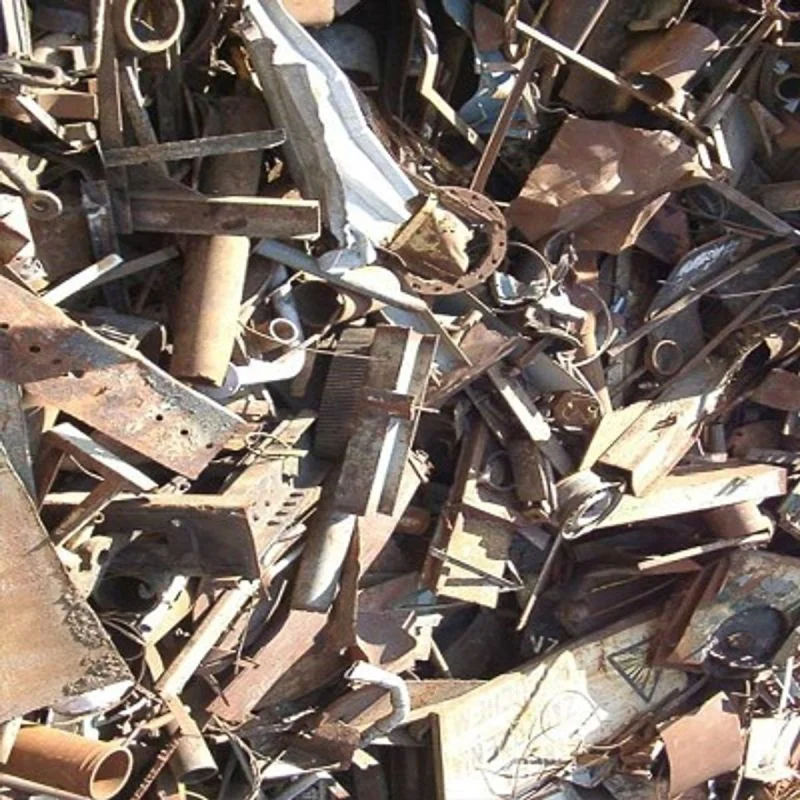
India is a major exporter of onion, ginger, red chilli and palm oil, supplying markets in the Middle East, Africa, Southeast Asia and the European Union. The HS‑code families for these commodities - 0703 for onions, 0714 for ginger, 0709 for chillies, and 1511 for palm oil - are routinely used in customs declarations and dictate applicable duties. Industrial scrap such as rubber, paper, iron slag, iron powder and lead‑acid battery scrap falls under HS chapters 40, 48, 26 and 78, which are subject to import controls and often require material safety data sheets (MSDS) and proof of non‑hazardous origin.
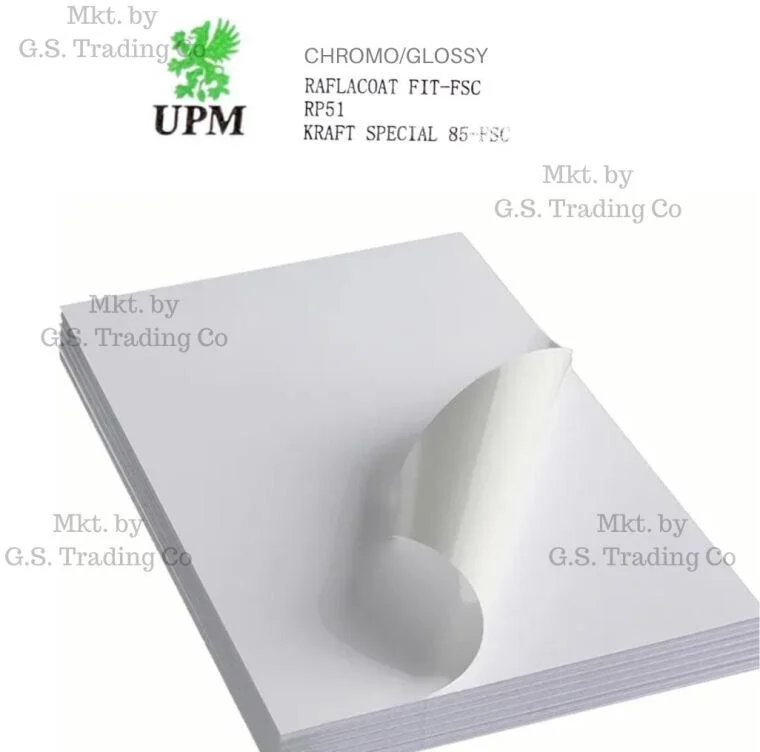
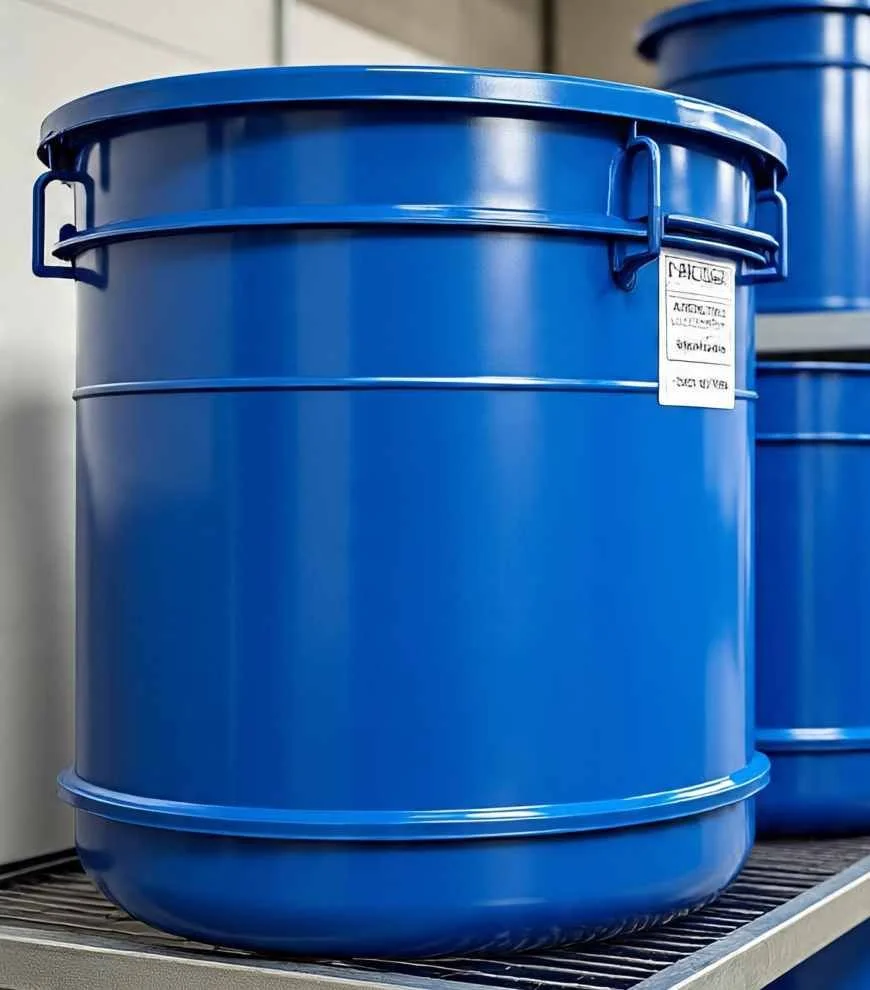
Typical buyers request phytosanitary certificates for fresh produce, SGS or Bureau Veritas inspection reports for metal and rubber scrap, and moisture or pulp quality test reports for paper scrap. Packaging for vegetables is usually mesh bags of 10‑15 kg per bag loaded in refrigerated containers (20 ft or 40 ft) under CIF or FOB terms. Bulk scrap is commonly shipped in 20‑ft containers on wooden pallets or in bulk bags, with steel drums for lead‑acid battery scrap, complying with IBC regulations. Common certifications sought include ISO 9001 quality management, ISO 14001 environmental management, and, where applicable, FSC for paper, and REACH compliance for chemical safety.
Sourcing from GM International - Buyer Guidance
Buyers should obtain a phytosanitary certificate and a post‑harvest treatment statement for all fresh onion, ginger and chilli shipments, and verify that the produce meets size and moisture specifications cited in the catalogue. For palm oil, request a free‑fatty‑acid analysis and an iodine value report to confirm RBD or CPO grade. Metal and rubber scrap orders should be accompanied by a mill test certificate indicating iron content, purity, particle size and any residual oil or hazardous material levels.
Before confirming a bulk order, request a representative sample - for vegetables typically a 5 kg lot, for scrap a 20 kg sub‑sample - and compare laboratory results against the supplier’s declared specifications. Minimum order quantities are often set by container load, for example one 20 ft container (≈18 t) for rubber or metal scrap and a minimum of 10 t for fresh onion or ginger, though exact MOQ should be clarified in the quotation. Verify that packaging, labeling and cargo insurance meet the buyer’s import requirements and that the HS code used matches the product description.
Frequently Asked Questions About GM International
What types of onion does GM International export and how are they classified?
The supplier lists fresh red onion in a large size, small Sambar onion, and an aggregated Allium cepa variety. Size classification follows Indian export standards - large onions >80 mm diameter and small onions 50‑80 mm - and the products are recorded under HS 0703.
Which grade of red chilli is offered and what quality parameters are typical?
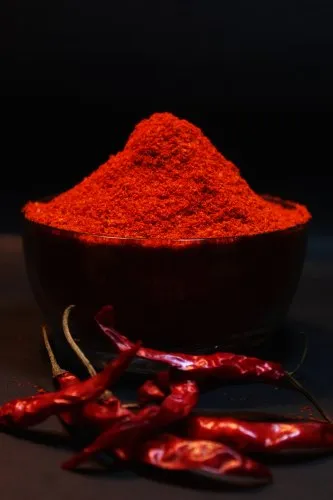
The catalogue specifies Hot Red Chilies “S17” (e.g., Sanam 334). S17 grade generally has a capsaicin content around 0.5 % and moisture not exceeding 12 %, with uniform colour and no foreign matter.
What specifications are available for the palm oil products?
GM International provides both refined, bleached and deodorized (RBD) palm oil and crude palm oil (CPO). RBD oil is expected to have free fatty acid ≤0.1 % and an iodine value between 45 and 55, while CPO is assessed mainly for moisture ≤0.2 % and impurity levels.
What documentation is required for the rubber scrap items?
Buyers should ask for a mill test certificate that details the source material (nylon fabric, steel friction, latex gloves, butyl inner tube), particle size distribution (typically 0‑5 mm), ash content and any residual oil. An MSDS and a non‑hazardous declaration are also standard for customs clearance.
How is the iron slag granules product described and what HS code is used?
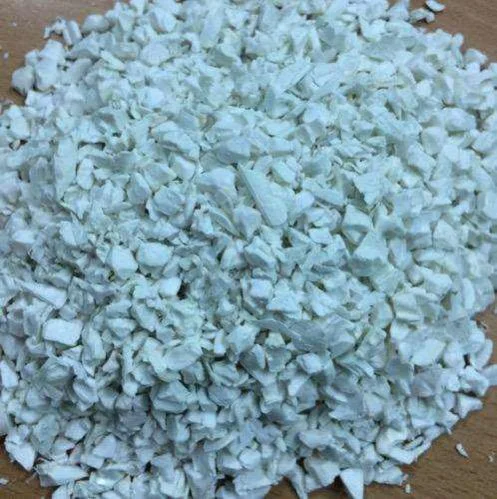
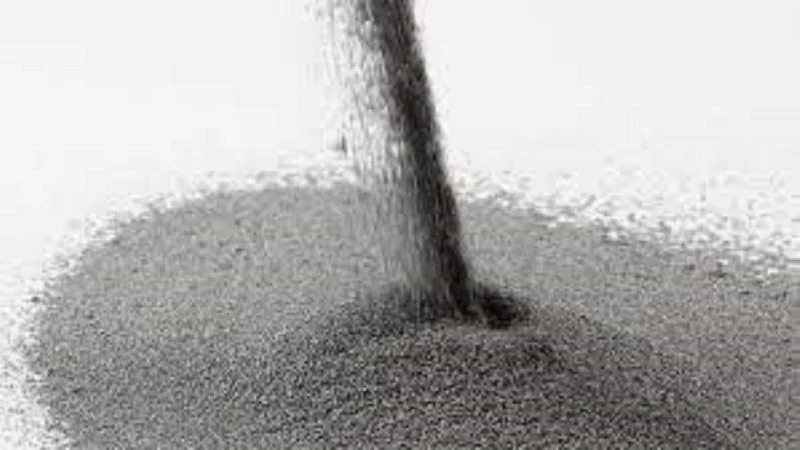
The product is Iron Slag Granules with an iron content of approximately 55 % and is listed under HS 2618 00. Typical buyer requirements include a chemical analysis confirming Fe content and silica levels, and a bulk density test for handling.
What purity and testing are associated with the iron powder offering?
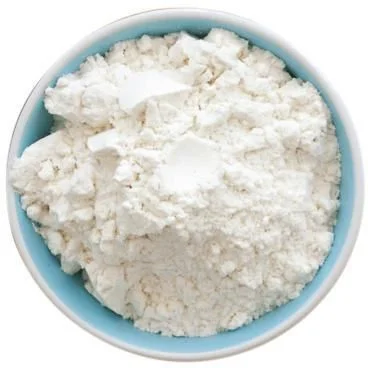
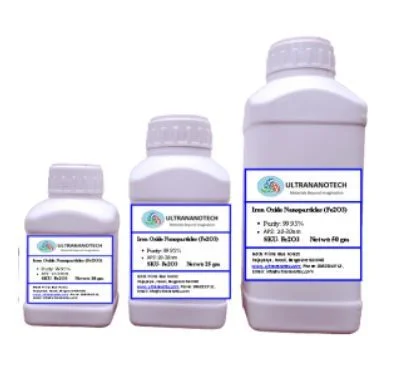
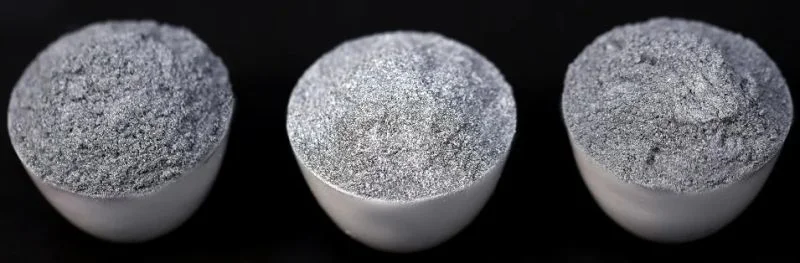
The iron powder is reported with 94 % Fe purity and is classified under HS 7205 29. Buyers normally request a certificate of analysis showing particle size (e.g., 45 µm), purity, and any trace elements.
What are the standard shipping and packaging methods for the supplier’s bulk scrap?
Bulk scrap such as rubber, iron slag, iron powder and battery scrap is usually loaded in 20‑ft containers on wooden pallets or in bulk bags, with lead‑acid battery scrap placed in IBC‑compliant drums. Shipping terms commonly used are FOB or CIF, and the cargo is insured according to Incoterms.




 , India