Global Food Connection — Verified Supplier
About Global Food Connection - Pickles & Sauces Supplier in United States
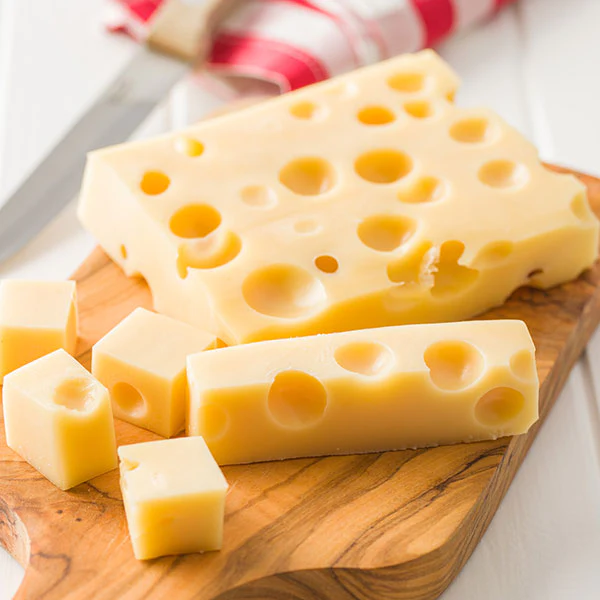
The United States‑based supplier lists five active food products across its catalogue. The catalogue covers mustard, fresh chicken, pickles, mayonnaise and shredded mozzarella cheese, reflecting the top categories of Pickles & Sauces, Mustard Seeds, Fresh Chicken and Cheese. Each item is identified by its common product name, and the shredded mozzarella cheese entry includes HS code 0406.20 and a material statement of pasteurized cow’s milk, microbial rennet, cheese culture and salt. The supplier’s active product count of five indicates a focused range rather than a broad commodity list. The HS‑code family for the cheese aligns with the HS chapter 04 for dairy products, while the other items fall under typical food HS chapters such as 02 for meat and 21 for prepared foods.
Product Range and Specialties of Global Food Connection
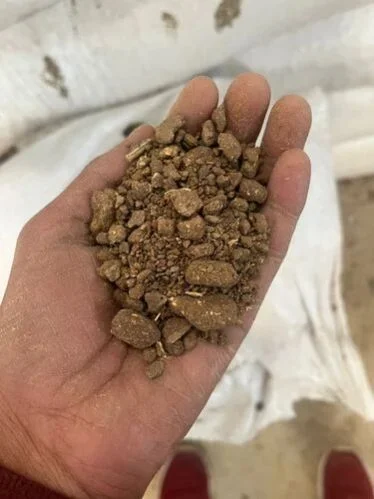
The catalogue offers mustard as a condiment, pickles as preserved vegetables, mayonnaise as an emulsion, fresh chicken as a protein, and shredded mozzarella cheese packaged for melt applications. In the broader industry, mustard products are graded by seed variety, acidity (typically 0.8‑1.2 % lactic acid), moisture (≤ 15 %) and colour (ICUMSA standards for turmeric‑based blends). Pickles are commonly classified by brine concentration (5‑10 % NaCl), pH (3.0‑3.5) and cut style (sliced, whole). Mayonnaise specifications include oil content (70‑80 % vegetable oil), egg‑yolk ratio, and an emulsion stability measured by centrifuge test. Fresh chicken is evaluated for carcass weight (1.2‑1.8 kg), microbial limits (Salmonella < 1 cfu/g) and packaging in vacuum‑sealed trays. Shredded mozzarella cheese is typically sold with moisture 45‑55 %, fat‑in‑dry‑matter 45‑55 % and a melt‑flow rating; the HS code 0406.20 places it in the “cheese, grated or shredded” sub‑heading.
Trade and Export Information - Global Food Connection
United States exporters of prepared foods and dairy products commonly ship to Canada, the European Union, and Asian markets such as Japan and South Korea, where demand for ready‑to‑use condiments and cheese is strong. The HS‑code families involved - 0207 for fresh poultry, 2103 for prepared sauces and condiments, 2008 for pickled vegetables, and 0406 for cheese - are subject to routine customs inspections and may require certificates of origin, phytosanitary or veterinary certificates, and compliance with the Food Safety Modernization Act (FSMA). Buyers typically request HACCP plans, USDA or FDA facility registrations, and laboratory test reports for microbial limits. Shipping is frequently arranged on 20‑foot or 40‑foot containers with refrigerated (reefers) space for meat and cheese, while dry goods like mustard, pickles and mayonnaise can be loaded in standard dry containers. Incoterms such as FOB or CIF are standard for these product groups.
Sourcing from Global Food Connection - Buyer Guidance
When sourcing from this supplier, buyers should obtain the most recent USDA/FSIS inspection certificate for the fresh chicken and the FDA food facility registration for the mayonnaise and mustard. For the shredded mozzarella, a lab analysis confirming moisture content, fat percentage and microbial limits (e.g., total plate count < 10 000 cfu/g) should be requested before contract finalisation. Samples of the pickles and mustard should be evaluated for pH, brine concentration and colour consistency to ensure they meet the buyer’s specifications. Verify that the packaging complies with the target market’s labelling regulations - for example, nutrition facts in the EU or allergen declarations in Canada - and confirm container type (reefer vs dry) and loading plan to avoid temperature excursions during transit.
Frequently Asked Questions About Global Food Connection
What HS codes are associated with the products listed by Global Food Connection?
The catalogue provides HS code 0406.20 for shredded mozzarella cheese. Typical HS codes for the other items are 2103 for mustard and mayonnaise, 2008 for pickles, and 0207 for fresh chicken, although the supplier’s listing does not include explicit codes for those products.
Which certifications should a buyer request for the fresh chicken?
Buyers should ask for the USDA/FSIS inspection certificate, a HACCP compliance statement and any relevant export health certificates required by the destination country.
How is shredded mozzarella cheese usually packaged for export?
Export shipments of shredded mozzarella are commonly packed in food‑grade poly‑bags or bulk cartons, sealed to protect moisture, and placed in refrigerated containers maintained at 0‑4 °C.
What quality parameters are typical for mustard in international trade?
Standard parameters include seed origin, acidity level (0.8‑1.2 % lactic acid), moisture content (≤ 15 %), and colour measured by ICUMSA standards; laboratory analysis for these values is usually required.
Are there specific documentation requirements for mayonnaise?
Mayonnaise shipments generally require a FDA facility registration, a HACCP plan, and a product specification sheet showing oil content, pH (3.5‑4.0) and shelf‑life stability test results.
What are common lead times for a full container load of fresh chicken from the United States?
Lead times for a 20‑foot refrigerated container of fresh chicken typically range from 10 to 14 days from order confirmation, depending on processing schedules and customs clearance.
What packaging options are available for pickles?
Pickles are usually packed in glass jars or PET bottles with airtight lids, or in bulk food‑grade bags for large‑volume orders; the packaging must meet the destination market’s labeling and material safety regulations.




 , United States