Ginni Tea Industries Limited — Verified Supplier
About Ginni Tea Industries Limited - Tea Supplier in India
India, a major exporter of tea and spices, is the base for Ginni Tea Industries Limited, which lists 13 distinct products in its catalogue. The company’s portfolio covers a variety of tea types - including CTC, orthodox, Darjeeling, Oolong, White and Green teas - as well as spice products such as red chilli dry, red chilli powder, and turmeric in both powdered and whole forms. Each product is identified by its generic name in the catalogue, for example “CTC Tea” and “Ginni Turmeric Powder”. The listing aligns with HS chapter 09, where tea falls under HS 0902 and spices under HS 0904. The supplier’s catalogue does not provide additional technical specifications, but the product titles indicate standard industry classifications.
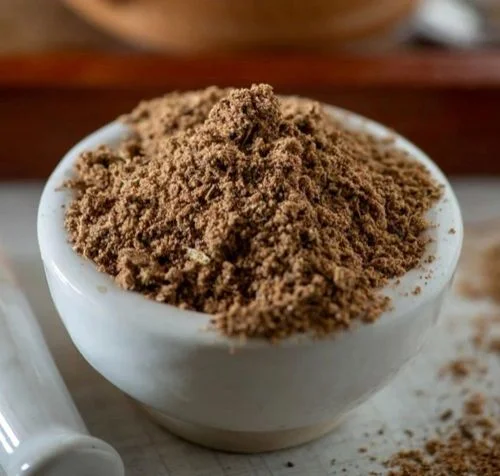
The 13 items span both beverage and culinary segments, reflecting common export categories from India. Tea entries include Darjeeling Silver, Darjeeling, Orthodox, Oolong, White, and Green varieties, covering both CTC (Crush, Tear, Curl) and orthodox processing methods. Spice entries comprise Turmeric Powder, Turmeric Sabut (whole), Red Chilli Dry, Red Chilli Powder, and a branded Ginni Mirchi Powder. By offering both bulk powder and whole forms, the supplier addresses typical buyer preferences for processing or direct consumption. The product mix is consistent with Indian export patterns that target Asian, Middle‑Eastern and European markets.
Product Range and Specialties of Ginni Tea Industries Limited
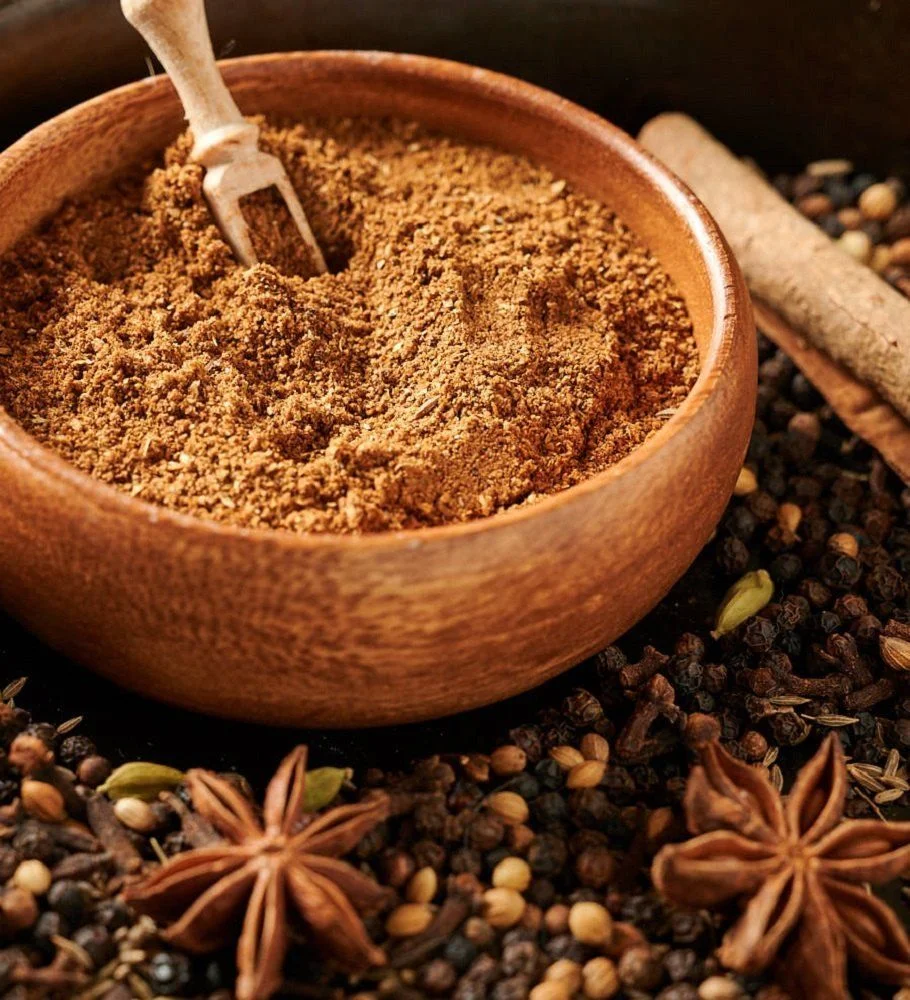
The catalogue presents thirteen products grouped into two broad categories: tea and spices. Tea products include CTC Tea, Darjeeling Silver Tea, Darjeeling Tea, Orthodox Tea, Oolong Tea, White Tea and Green Tea, each corresponding to well‑known processing styles. In the spice segment the list features Turmeric Powder, Ginni Turmeric Powder, Turmeric Sabut, Red Chilli Dry, Red Chilli Powder and Ginni Mirchi Powder. Industry practice classifies Indian tea into grades such as FT (Fine Tea), BT (BOP) and CTC, with typical leaf grades specified by leaf size and moisture (usually 3‑5 %). Turmeric powder is commonly sold at a minimum of 95 % curcumin content and a moisture level below 12 %, while whole turmeric (Sabut) is graded by size (e.g., 4‑6 mm). Red chilli powder and dry chilli are usually graded by Scoville heat units (10,000‑30,000 SHU) and moisture under 10 %. Buyers often receive these products in 25 kg polypropylene bags, bulk 50 kg sacks, or 20 ft containers holding roughly 400‑500 kg of tea or 800‑900 kg of spices.
Trade and Export Information - Ginni Tea Industries Limited
India’s tea and spice sectors are regulated by the Food Safety and Standards Authority of India (FSSAI) and many exporters also hold ISO 22000 or HACCP certifications. Typical importers of Indian tea are the United Kingdom, Germany, the United Arab Emirates and the United States, while spice buyers are concentrated in the Middle East, Southeast Asia and Europe. HS code 0902 covers all tea leaf products, and HS code 0904 covers spices such as turmeric and chilli; customs authorities frequently request phytosanitary certificates, origin declarations and lab test reports for pesticide residues. Standard shipping terms are FOB or CIF, with tea usually loaded in refrigerated containers or ventilated 20‑ft containers to preserve aroma, and spices packed in dry, moisture‑controlled containers. Indian exporters often use bulk pallets and container‑load consolidation to achieve economies of scale, and they must comply with the EU’s maximum residue limits (MRLs) and the US FDA’s food safety requirements when targeting those markets.
Sourcing from Ginni Tea Industries Limited - Buyer Guidance
When sourcing from Ginni Tea Industries Limited, buyers should request a current FSSAI license, any ISO 22000 or HACCP audit reports, and a phytosanitary certificate for each shipment. For tea, a leaf grade certificate, moisture analysis (3‑5 % typical) and a tea infusion test (e.g., colour, astringency) are common verification documents. For turmeric and chilli products, buyers usually ask for pesticide residue analysis, heavy‑metal testing, curcumin content (≥95 % for powder) and moisture content (<12 %). Samples of at least 500 g per product are advisable before committing to a full container load. Confirm packaging details - such as 25 kg polypropylene bags for spices or 20 kg tea bags - and verify that pallets are stacked to a maximum height of 2.2 m to meet container weight limits.
Frequently Asked Questions About Ginni Tea Industries Limited
What tea varieties does Ginni Tea Industries Limited list in its catalogue?
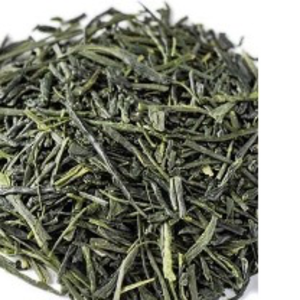
The catalogue includes CTC Tea, Darjeeling Silver Tea, Darjeeling Tea, Orthodox Tea, Oolong Tea, White Tea and Green Tea, covering both CTC and orthodox processing methods.
Which spice products are offered?
The supplier lists Turmeric Powder, Ginni Turmeric Powder, Turmeric Sabut (whole), Red Chilli Dry, Red Chilli Powder and Ginni Mirchi Powder.
What HS codes are relevant for these products?
Tea products fall under HS code 0902, while turmeric and chilli products are classified under HS code 0904.
What certifications should a buyer request?
Buyers should request the supplier’s FSSAI registration, and, if available, ISO 22000 or HACCP audit reports, as well as phytosanitary certificates for each shipment.
What are typical minimum order quantities and packaging?
Spice items are commonly packed in 25 kg polypropylene bags, with bulk orders often starting at a 20 ft container (approximately 800 kg). Tea is usually shipped in 20 kg tea bags or 25 kg bulk bags, with a full container holding roughly 400‑500 kg.
What lead times are typical for Indian tea and spice exports?
Lead times generally range from 30 to 45 days from order confirmation, including production, quality testing, packaging and inland freight to the port.
How are shipments usually arranged?
Exporters often use FOB terms from major Indian ports such as Kolkata or Mumbai, with buyers arranging CIF or door‑to‑door freight thereafter.
What quality tests are standard for turmeric and chilli powders?
Standard tests include moisture content (below 12 %), pesticide residue analysis, heavy‑metal screening, and for turmeric powder, a curcumin assay of at least 95 %.




 , India