GANGA FOODS — Verified Supplier
About GANGA FOODS - Dehydrated Onion Supplier in India
GANGA FOODS operates from the state of Gujarat in India and currently maintains a catalogue of 18 active dehydrated vegetable products. The listed items fall under categories such as Dehydrated Onion, Dehydrated Garlic, various vegetable powders, and Chilli and Ginger powders. The supplier’s catalogue differentiates products by processing form - flakes, powder, granules, minced and chopped variants. Some entries include HS code descriptors like “GARLIC FLAKES” and packaging notes such as “14KG BAGS” for white onion flakes. The product set targets buyers needing bulk, shelf‑stable flavor ingredients for processed foods.
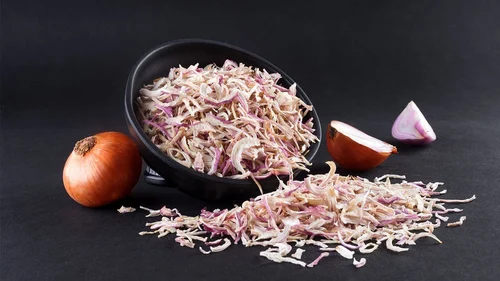
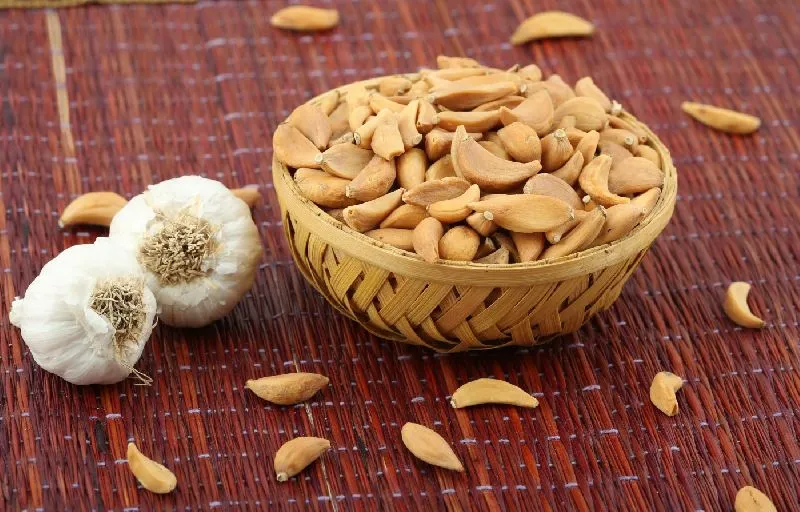
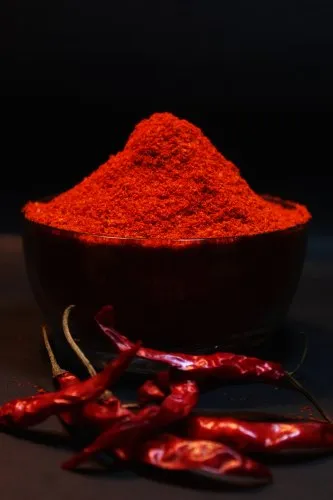
The range includes DEHYDRATED WHITE ONION FLAKES, DEHYDRATED GARLIC FLAKES, multiple forms of white and pink onion powders, and granulated or minced versions of both onion and garlic. Additional items cover Red, Green and Pink Chilli Powders, Ginger Powder, Turmeric Powder, and broader vegetable powders. Each product is listed under the generic HS description provided, without detailed tariff numbers in the catalogue. Typical packaging indicated is bulk bags, for example 14 kg bags for onion flakes, which aligns with standard bulk food‑ingredient logistics. Buyers can therefore source a spectrum of dehydrated aromatics and spices from a single Indian supplier.
Product Range and Specialties of GANGA FOODS
The catalogue lists 18 distinct items, ranging from DEHYDRATED WHITE ONION FLAKES and DEHYDRATED GARLIC FLAKES to powdered forms such as White Onion Powder, Garlic Powder, Red Chilli Powder, Ginger Powder and Turmeric Powder. It also provides specialty formats like Pink Onion Granules, Pink Onion Minced, White Onion Granules and Minced, as well as chopped variants of both onion and garlic. In the dehydrated vegetable sector, buyers typically look for moisture content below 10 % for powders, particle size distribution between 100‑500 µm, and color specifications measured by L*a*b* values. Standard industry grades for onion and garlic powders are often classified by aroma intensity and solubility, with HACCP‑compliant processing and GMP‑grade facilities being the norm.
Indian exporters of dehydrated vegetables usually ship in 20‑ft or 40‑ft containers, using food‑grade inner liners and outer corrugated cartons. Common HS chapter 20 codes cover dried vegetables (e.g., 2008 for dried onions, 2009 for dried garlic), and buyers frequently request certificates such as ISO 22000, HACCP, and FSSC 22000, together with laboratory analysis reports for moisture, microbial load (e.g., total plate count < 10⁴ CFU/g) and pesticide residues in accordance with EU maximum residue limits.
Trade and Export Information - GANGA FOODS
India is a major exporter of dehydrated vegetable ingredients, supplying food processors in the EU, the United States, the Middle East and Southeast Asia. Products such as dried onion and garlic fall under HS Chapter 20, with sub‑headings 2008 and 2009 commonly used for tariff and customs reporting. Importers typically require compliance with food safety standards like ISO 22000 or HACCP, and may also ask for third‑party audit reports (e.g., BRC, SQF) before shipment. Bulk packaging of 14 kg or larger bags is standard, and shipments are often dispatched under FOB or CIF Incoterms, using refrigerated containers when required for longer transit times.
Regulatory inspections in the origin country focus on pesticide residue limits set by the Codex Alimentarius, as well as microbiological standards that limit total plate count and coliforms. Export documentation generally includes a Certificate of Origin, a Phytosanitary Certificate, and a Laboratory Analysis Certificate covering moisture, ash and microbial parameters. Indian exporters also benefit from government‑backed export promotion schemes that facilitate access to major markets while ensuring compliance with international trade regulations.
Sourcing from GANGA FOODS - Buyer Guidance
When sourcing from GANGA FOODS, buyers should request the latest HACCP or ISO 22000 audit report, as well as a detailed product specification sheet that lists moisture content, particle size, microbial limits and any pesticide residue testing performed. Samples in 1‑kg or 5‑kg quantities are commonly provided for laboratory verification before a full order is placed. Verify that the packaging material complies with food‑grade standards and that the supplier can accommodate standard bulk‑bag sizes such as 14 kg or 25 kg per bag for ease of handling in processing facilities.
Confirm the HS code description supplied by the vendor matches the intended customs classification (e.g., HS 2008 for dried onion flakes) and request a pre‑shipment inspection report if required by the destination country. Buyers should also clarify the minimum order quantity, which for bulk dehydrated powders typically starts at one 20‑ft container (≈ 10‑12 tons) but can be negotiated for smaller pallets. Lead times for Indian dehydrated vegetable products generally range from 30 to 45 days from order confirmation, depending on production scheduling and export documentation preparation.
Frequently Asked Questions About GANGA FOODS
What product formats does GANGA FOODS offer for onions and garlic?
The supplier lists flakes, powders, granules, minced and chopped forms for both white and pink onions, as well as flakes, powder and granules for garlic.
Which HS code descriptions are provided for the products?
The catalogue includes HS‑code descriptors such as “GARLIC FLAKES” and packaging notes like “WHITE ONION FLAKES PACKING SIZE - 14KG BAGS”. These correspond to HS Chapter 20 for dried vegetables.
What are the typical packaging sizes for the dehydrated products?
Bulk bags of 14 kg are explicitly mentioned for white onion flakes; similar bulk bag sizes (14‑25 kg) are standard for the other powders and granules.
Which certifications should a buyer request before purchasing?
Buyers should ask for HACCP or ISO 22000 audit reports, a Certificate of Analysis covering moisture, microbial limits and pesticide residues, and any third‑party food‑safety certifications such as BRC or SQF if required.
What is the usual minimum order quantity for these items?
For bulk dehydrated vegetable ingredients, the practical MOQ is often one 20‑ft container, roughly 10‑12 tons, though smaller pallet quantities can be negotiated.
What lead time can a buyer expect for an order from India?
Typical lead times range from 30 to 45 days after order confirmation, accounting for production scheduling, quality testing and export documentation.
Which markets does GANGA FOODS primarily serve?
While the supplier’s target markets are not listed, Indian dehydrated vegetable exporters commonly ship to the European Union, the United States, the Middle East and Southeast Asian food‑processing industries.
How is product quality verified for the powders and flakes?
Quality is verified through laboratory analysis of moisture content (usually <10 %), microbial counts (e.g., total plate count < 10⁴ CFU/g), and compliance with Codex pesticide residue limits; buyers should request these test reports before finalizing the purchase.




 , India






.jpg.png)