Dwarika Food Products — Supplier
About Dwarika Food Products - Food Products Supplier in India
India, the supplier’s country of origin, lists 22 active food products covering noodles & pasta, wheat flours, processed vegetable pastes, Indian sweets, gram flour and snack items. The catalogue includes refined wheat flour (Maida) recorded under HS code 1101.00, assorted pasta shapes such as penne, fusilli and macaroni, vermicelli variants, and soy‑based protein products like soy chunks and mini soy chunks. Additional items comprise poha, dalia, raita boondi, pudina boondi, and various ready‑to‑cook pastes. All products are described with pack sizes ranging from 400 g to 500 g per retail unit.
The product list reflects typical Indian food‑processing categories, with flour items classified under HS chapter 11, pasta and vermicelli under HS chapter 19, and processed vegetable pastes under HS chapter 21. The supplier’s inventory includes both staple grains (wheat, gram) and value‑added snack formats, providing a breadth of items useful for bulk re‑packaging or direct retail distribution. No additional HS codes are supplied for the remaining items, but they fall within the same tariff headings as their product families.
Product Range and Specialties of Dwarika Food Products
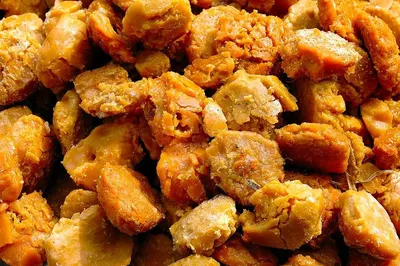
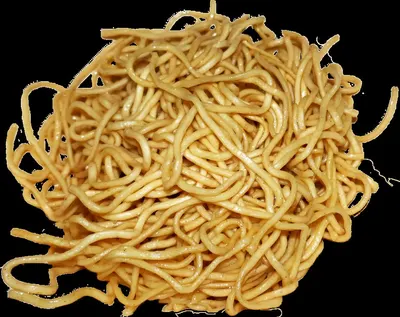
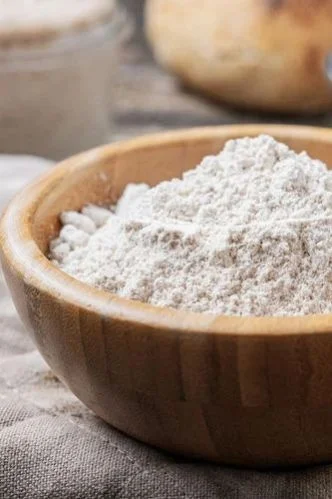
Maida (refined wheat flour) in the Indian market is normally milled to a protein level of 10‑12 % and a moisture content below 14 %, with ash values under 0.6 %. Besan (gram flour) typically shows protein 45‑48 % and moisture under 13 %. Pasta products such as penne, fusilli and macaroni are generally produced from durum wheat semolina, meeting grade A specifications of ≥12 % protein and ≤12 % moisture, and are sold in 400 g retail packs compatible with 20 ft container loads of approximately 18 000 kg. Vermicelli is extruded to a diameter of 1.5‑2 mm, moisture ≤12 %, and is often packaged in 400‑425 g bags. Soya chunks and mini soy chunks are textured soy protein with typical crude protein 50‑55 % and moisture 8‑10 %, supplied in 400 g retail packs. Processed vegetable pastes such as ginger‑garlic paste fall under HS 2103 and are expected to meet microbiological limits for total plate count ≤10⁴ cfu/g and absence of coliforms.
Trade and Export Information - Dwarika Food Products
India is a major exporter of wheat‑based products, pasta and soy‑derived protein foods, with key destinations in the Middle East, Africa, Southeast Asia and the European Union. HS chapter 11 (e.g., 1101.00 for refined wheat flour) and chapter 19 (e.g., 1902 for dried pasta, 1905 for vermicelli) are routinely inspected by customs and may require a certificate of origin, a FSSAI license and, where applicable, ISO 22000 or BRC food safety certification. Buyers typically request phytosanitary certificates for soy products and a laboratory analysis confirming protein, moisture and pesticide residues in accordance with Codex Alimentarius limits. Standard export packaging includes multi‑wall paper cartons for retail packs and bulk polypropylene bags for larger orders, loaded in 20 ft or 40 ft containers under FOB or CIF terms. Indian exporters often align with the GCC’s GCC‑S 004 standard for wheat flour and the EU’s Regulation 1169/2011 for labeling of processed foods.
Sourcing from Dwarika Food Products - Buyer Guidance
Prospective buyers should request a product specification sheet that lists protein, moisture, ash, and microbial limits for each flour or pasta item, together with a recent certificate of analysis. For soy chunks, a declaration of GMO status and a pesticide residue report are common prerequisites. Verification of the supplier’s FSSAI registration number and any third‑party audits such as ISO 22000 or BRC will help confirm compliance with international food‑safety standards. Buyers planning bulk shipments should confirm container loading plans, preferred Incoterm (FOB Mumbai or CIF Dubai) and the possibility of bulk packaging beyond the 400‑500 g retail packs shown in the catalogue.
Frequently Asked Questions About Dwarika Food Products
What HS code applies to the Maida (refined wheat flour) offered by Dwarika Food Products?
The Maida listed in the catalogue is assigned HS code 1101.00, which covers refined wheat flour under Chapter 11 of the customs tariff.
Which pasta shapes are available and what are their typical specifications?
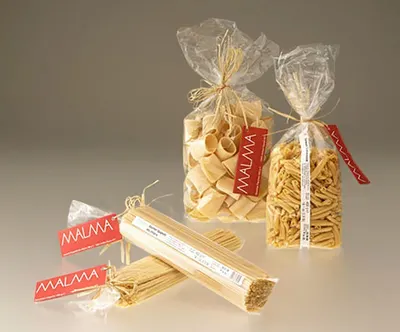
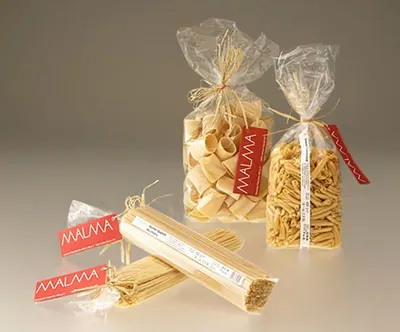
The supplier lists penne, fusilli and macaroni in 400 g retail packs. Typical Indian‑exported pasta meets Grade A durum wheat semolina specifications of ≥12 % protein, ≤12 % moisture and a cooking loss under 10 %.
Are the soy chunks gluten‑free and what protein content can be expected?
Soy chunks are derived from soybeans and contain no gluten. Industry data shows a crude protein content of 50‑55 % and moisture around 8‑10 % for similar textured soy products.
What certifications does Dwarika Food Products hold for food safety?
The supplier’s specific certifications are not listed in the provided facts. Buyers should request verification of the Indian FSSAI license and inquire about ISO 22000, BRC or HACCP audits that are commonly required for food‑export shipments.
How are the retail packs of vermicelli and pasta typically packaged for export?
Both vermicelli and pasta are packed in multi‑wall paper cartons containing 400‑425 g individual bags. For bulk export, cartons are stacked on pallets and loaded into 20 ft or 40 ft containers under standard FOB or CIF terms.
What documentation should a buyer request before placing an order?
Buyers should ask for a detailed product specification sheet, a recent certificate of analysis, the supplier’s FSSAI registration, and any third‑party food‑safety audit reports. For soy products, a phytosanitary certificate and pesticide residue test report are also advisable.
Which markets does India commonly export these food products to?
Indian exporters of wheat flour, pasta and soy‑based proteins primarily serve the Middle East, Africa, Southeast Asia and the European Union, where demand for staple and convenience foods is strong.
What are the typical shelf‑life and storage conditions for the ginger‑garlic paste?
Processed ginger‑garlic paste usually has a shelf‑life of 12‑18 months when stored in a cool, dry environment below 25 °C. The product should be kept sealed in airtight containers to prevent microbial growth and oxidation.




 , India