Cv Swastika Global — Verified Supplier
About Cv Swastika Global - Charcoal Supplier in Indonesia
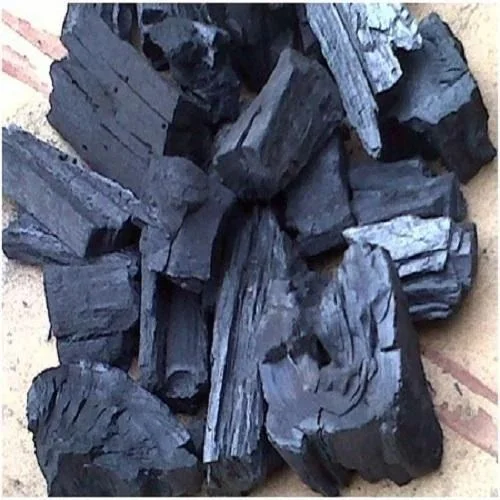
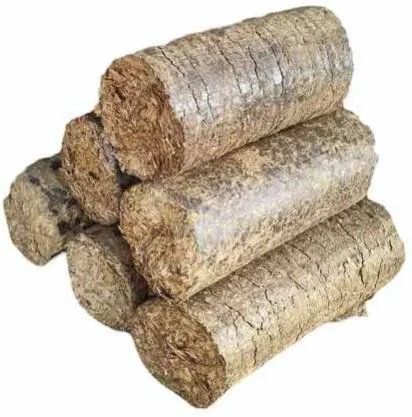
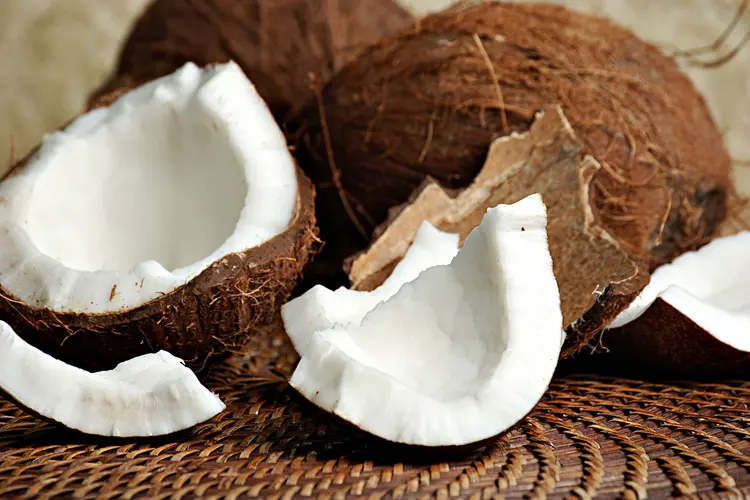
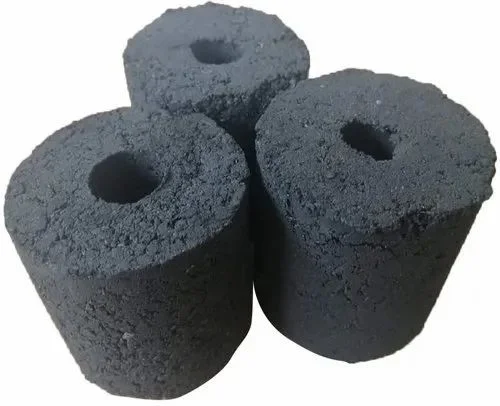
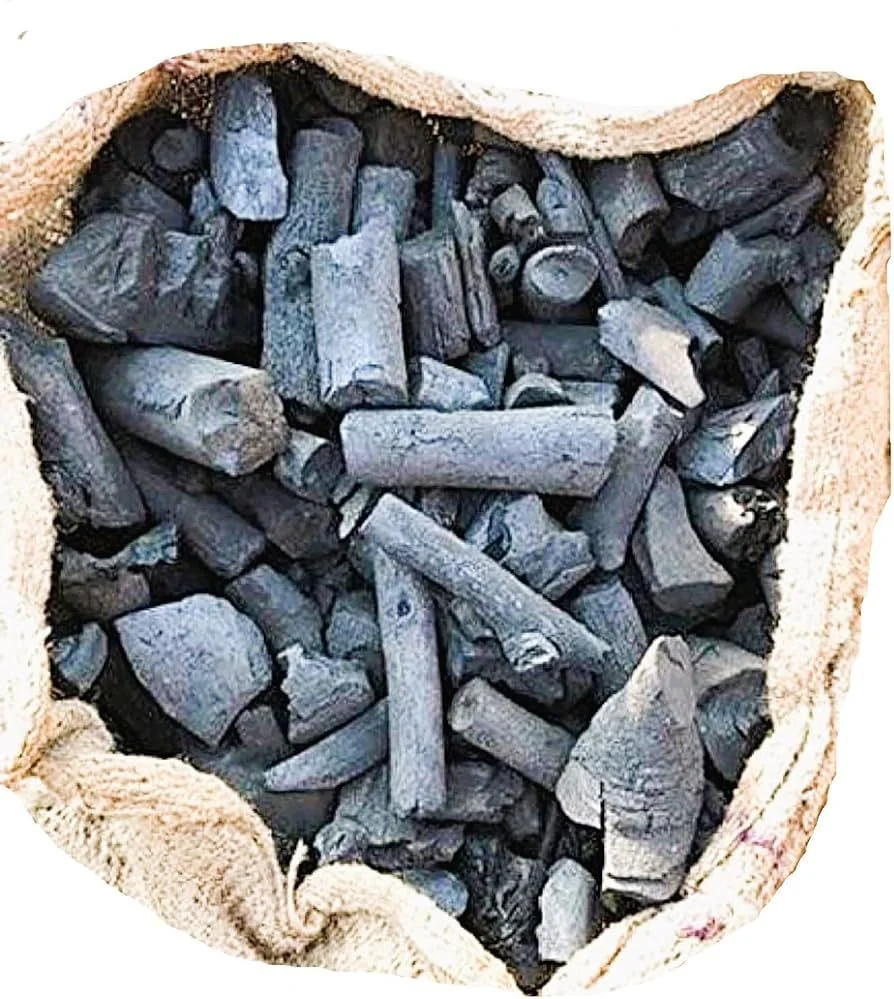
Indonesia‑based Cv Swastika Global lists eight active products across charcoal, coconut derivatives and cocoa. The catalogue includes White Charcoal, Wood/Hardwood Charcoal, Sawdust Briquette Charcoal, Wood & Coconut Briquette, Coconut Cream Powder, Organic Coconut Sugar, various grades of Coconut Oil (Crude, RBD, VCO) and cocoa‑based products. The supplier’s top categories are Charcoal, Sawdust Briquette Charcoal, Charcoal Briquette, Coconut By‑Products, Coconut Sugar, Coconut Oil and Cocoa Beans.
In international trade, charcoal products are normally classified under HS 4401 (fuel wood) or HS 4403 (charcoal). Coconut oil falls under HS 1515, coconut sugar under HS 1701, and cocoa beans under HS 1801. Buyers typically look for specifications such as calorific value for charcoal, moisture content below 10 % for briquettes, purity >99.5 % for refined coconut oil, and grade AA or A for cocoa beans. The supplier’s eight items map onto these standard HS chapters, allowing standard customs handling.
Product Range and Specialties of Cv Swastika Global
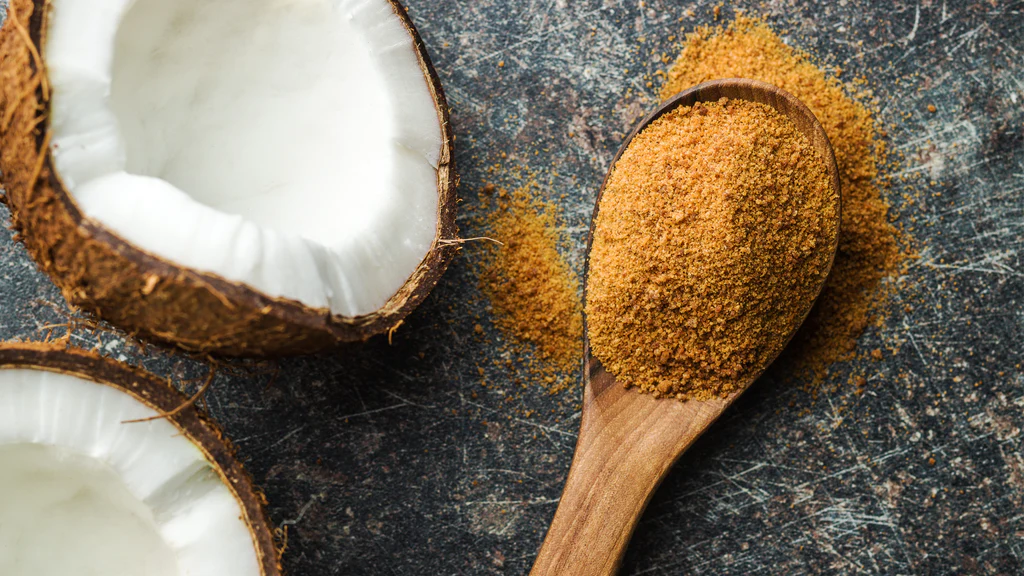
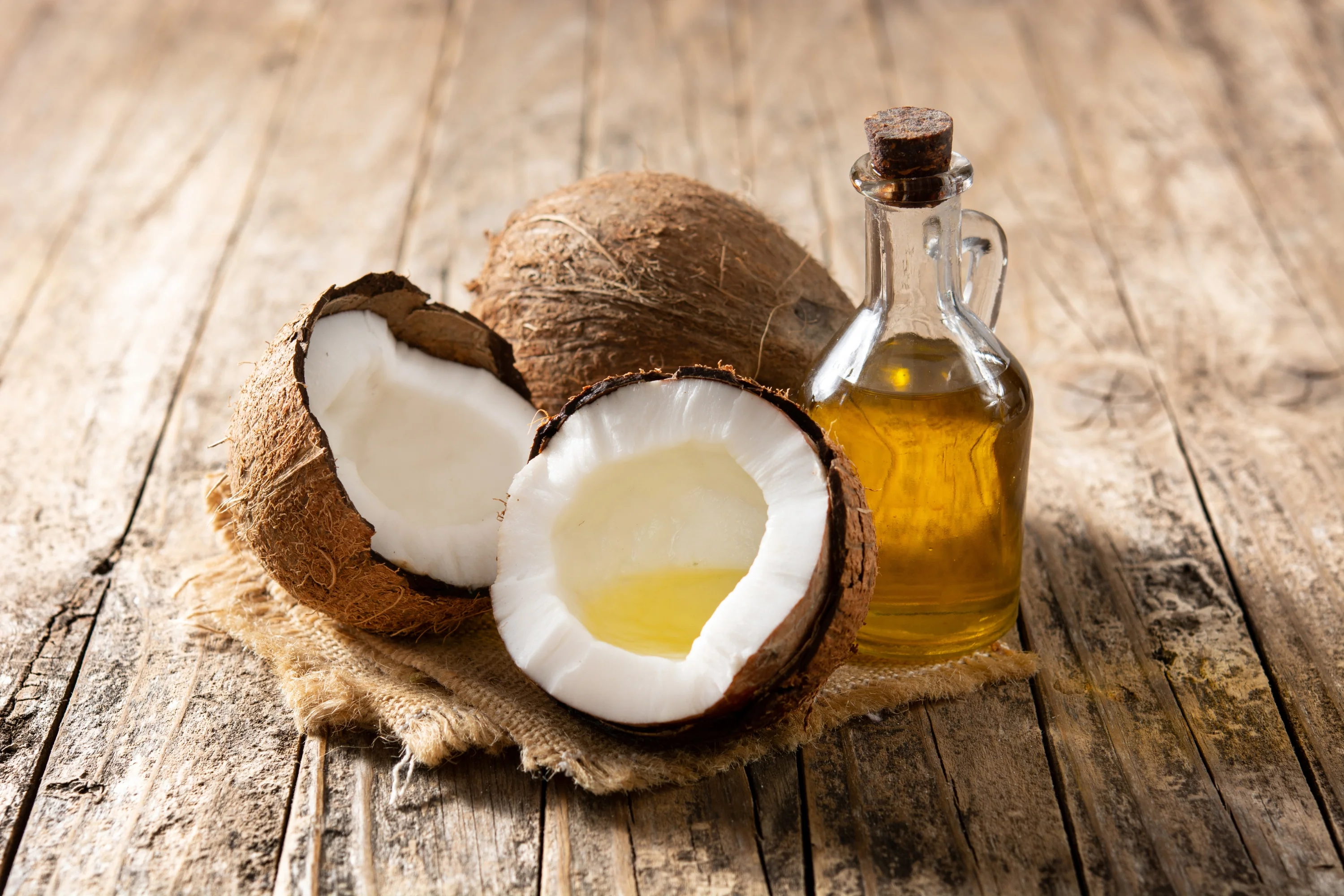
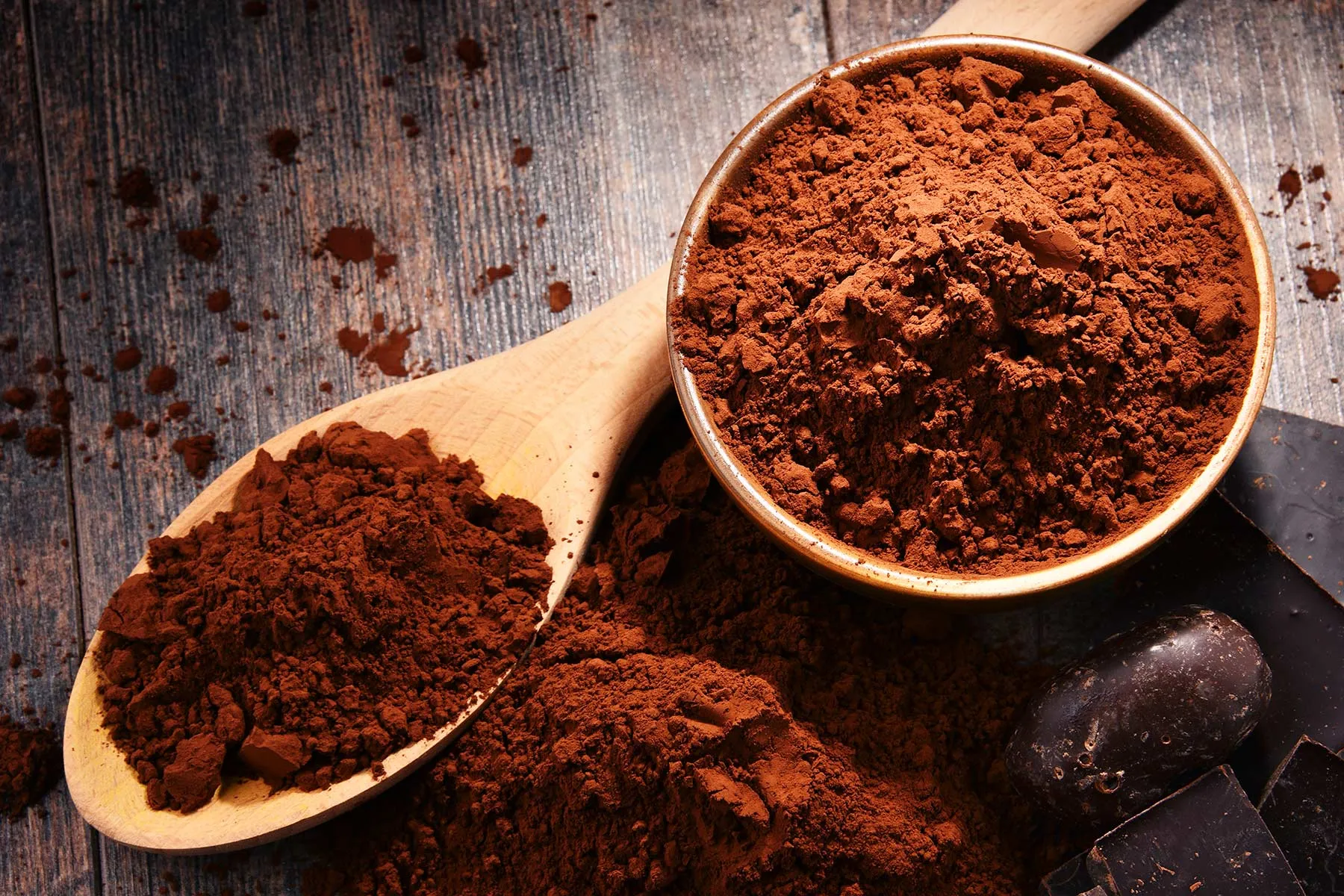
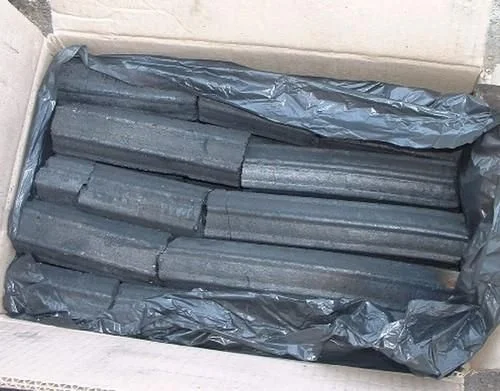
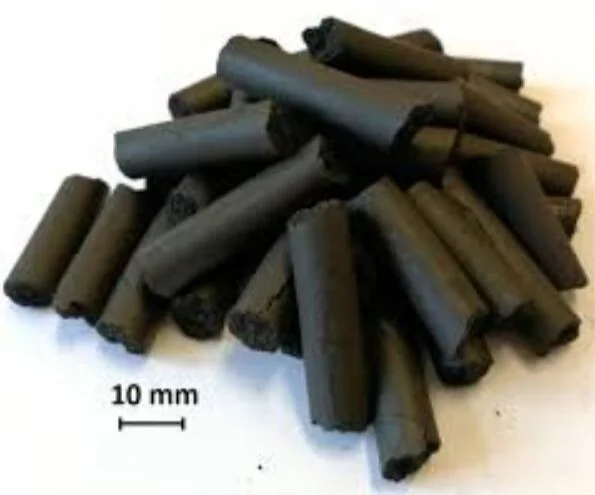
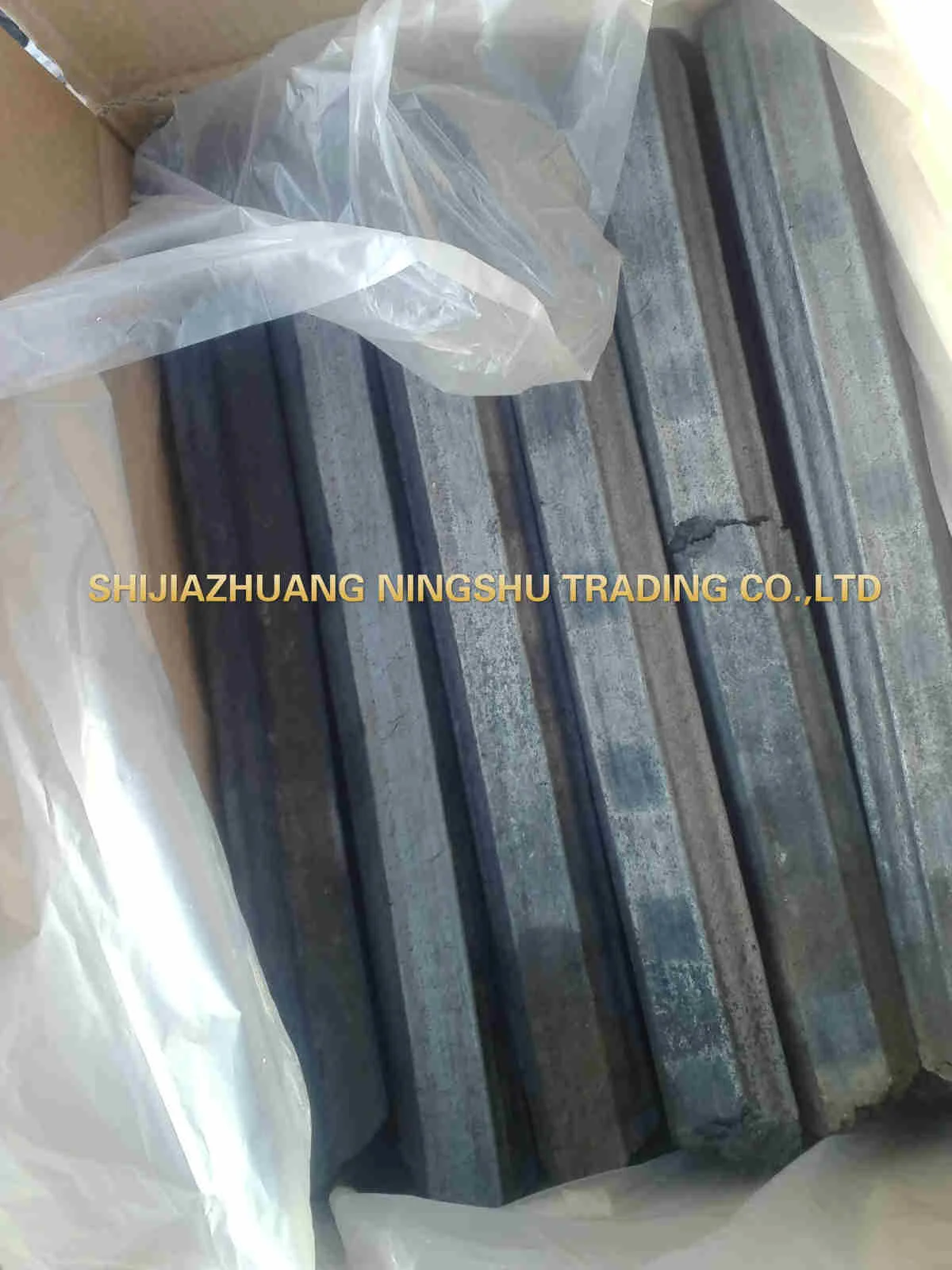
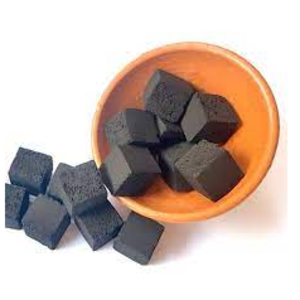
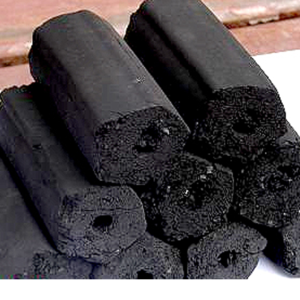
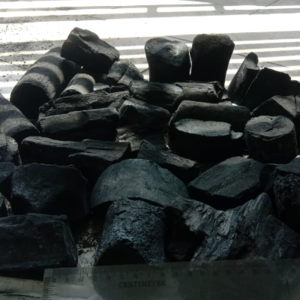
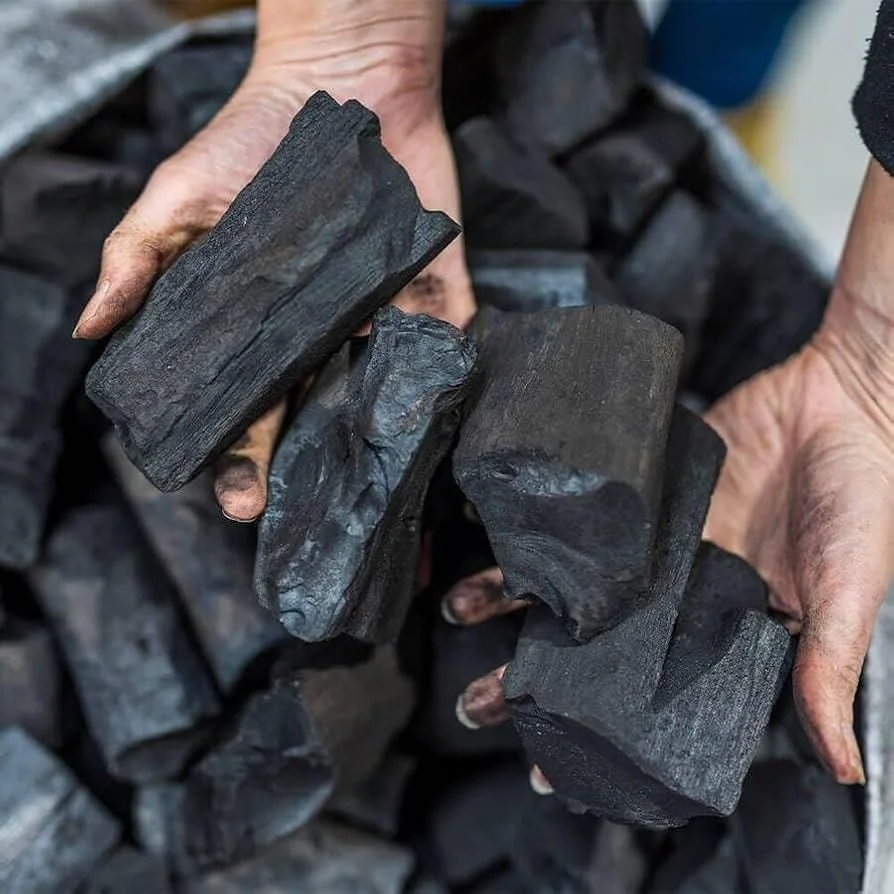
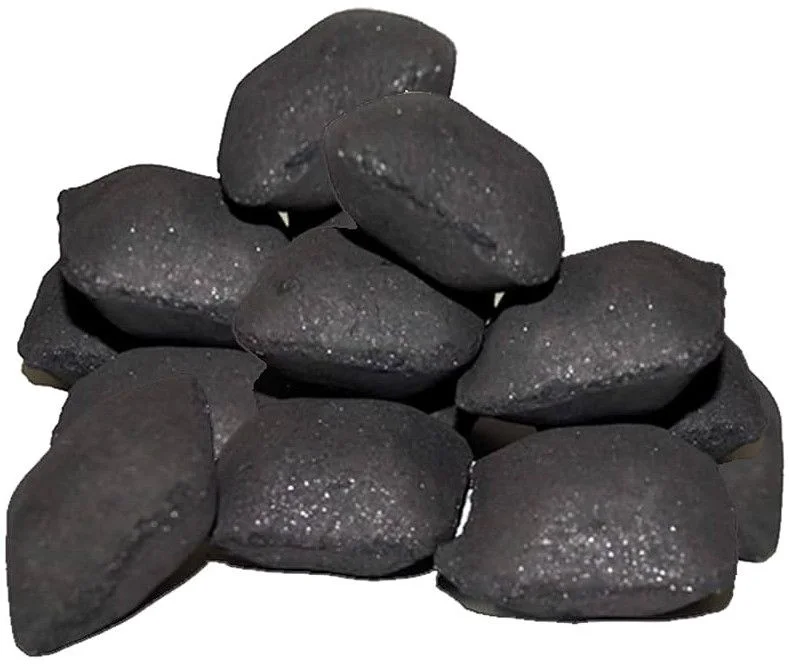
Cv Swastika Global’s catalogue covers three charcoal types (White Charcoal, Wood/Hardwood Charcoal, Sawdust Briquette Charcoal) and a mixed Wood & Coconut Briquette. The coconut line includes Coconut Cream Powder, Organic Coconut Sugar and three oil specifications (Crude, Refined‑Bleached‑Deodorised, Virgin Coconut Oil). The final entry groups cocoa‑based products, which may include cocoa beans, nibs or paste. In the broader market, white charcoal is often graded by calorific value (1,000 - 1,200 kcal/kg) and ash content (<5 %). Hardwood charcoal is evaluated on bulk density (0.5 - 0.7 t/m³) and moisture (<8 %). Briquettes are usually produced to a moisture limit of 10 % and a compressive strength of 2 - 3 MPa. Coconut cream powder commonly carries a protein content of 6 - 8 % and a moisture level below 5 %. Organic coconut sugar is frequently certified to ICUMSA 45 standards, while refined coconut oil must meet a free fatty acid level below 0.1 % and an iodine value around 10 - 12. Cocoa beans are sorted into grades AA, A, and PB based on bean size, moisture (<7 %) and defect count.
Trade and Export Information - Cv Swastika Global
Indonesia is a leading exporter of charcoal, coconut products and cocoa, supplying markets in the European Union, the United States, the Middle East and Southeast Asia. Charcoal shipments are usually dispatched in 20‑ft or 40‑ft containers on pallets or in bulk bags, while coconut oil is packed in 25 kg drums or 200 L IBCs. Cocoa beans travel in jute bags of 25 kg or bulk containers with moisture‑controlled ventilation. Typical certifications requested by importers include ISO 9001 quality management, HACCP for food safety, and organic or Fair‑Trade certifications where applicable. Phytosanitary certificates are standard for charcoal and coconut products, and a Certificate of Analysis (CoA) is expected for oil purity and cocoa bean grade.
Sourcing from Cv Swastika Global - Buyer Guidance
When sourcing from Cv Swastika Global, request product data sheets that list calorific value (for charcoal), moisture content, bulk density, and ash percentage. For coconut oil, ask for a CoA showing free fatty acid level, peroxide value and iodine value; for coconut sugar, request ICUMSA grade documentation. Coconut cream powder samples should be checked for protein and moisture levels, and cocoa beans should be accompanied by a grade certificate and moisture test results. Verify that the supplier can provide phytosanitary certificates for charcoal and coconut items, and that any organic claims are backed by a recognized certification body.
Confirm packaging formats match your logistics plan: 25 kg bags for charcoal and coconut sugar, 1‑ton bulk for oil drums, and 25 kg jute bags for cocoa beans. Typical minimum order quantities range from 10 tons for charcoal to 5 tons for coconut oil, with lead times of 30‑45 days after order confirmation. Ensure that the supplier can arrange CIF terms to your port and that freight forwarders are aware of any fumigation or inspection requirements for charcoal shipments.
Frequently Asked Questions About Cv Swastika Global
What HS code families apply to Cv Swastika Global’s charcoal products?
Charcoal products are generally classified under HS 4401 (fuel wood) or HS 4403 (charcoal). Importers should verify the specific sub‑heading based on product form and moisture content.
Which quality parameters should I check for the White Charcoal?
Look for a calorific value between 1,000 and 1,200 kcal/kg, ash content below 5 %, and moisture under 8 % as indicated in the supplier’s data sheet.
What certifications are commonly required for Coconut Oil (RBD) imports?
Buyers usually request a Certificate of Analysis showing free fatty acid <0.1 %, peroxide value <10 meq O₂/kg, and an ISO 9001 or HACCP audit report. Organic claims need a recognized organic certification.
How is Sawdust Briquette Charcoal typically packaged for export?
It is commonly packed in 25 kg polypropylene bags stacked on pallets, or in bulk bags (up to 1 ton) for larger shipments.
What grade standards apply to the Organic Coconut Sugar?
Importers often require ICUMSA 45 grading, which specifies low ash and impurity levels, and a moisture content below 5 %.
What documentation should I request for Cocoa‑based products?
Ask for a grade certificate (AA, A, PB), moisture test results (<7 %), and a Certificate of Origin. A CoA confirming bean size and defect count is also standard.
Are phytosanitary certificates needed for the coconut by‑products?
Yes, most importing countries require a phytosanitary certificate for coconut-derived food items to confirm they are free from pests and contaminants.
What is the typical lead time for a mixed Wood & Coconut Briquette order?
Lead times are usually 30‑45 days after order confirmation, depending on production scheduling and container availability.




 , Indonesia