CV. Bisnis Modal Tobat — Verified Supplier

About CV. Bisnis Modal Tobat - Essential Oils Supplier in Indonesia

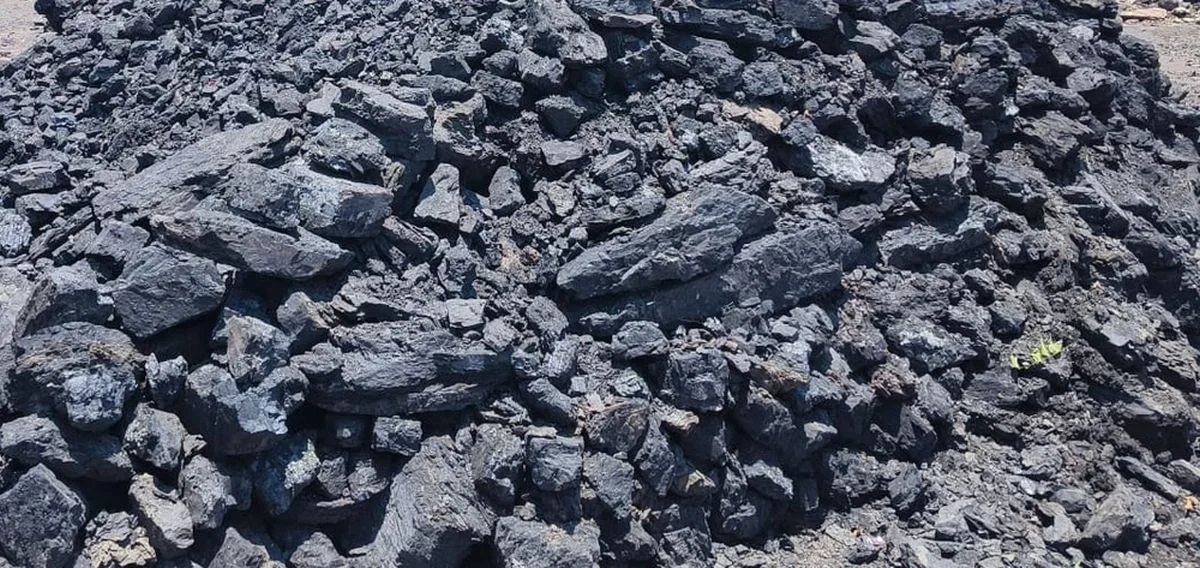
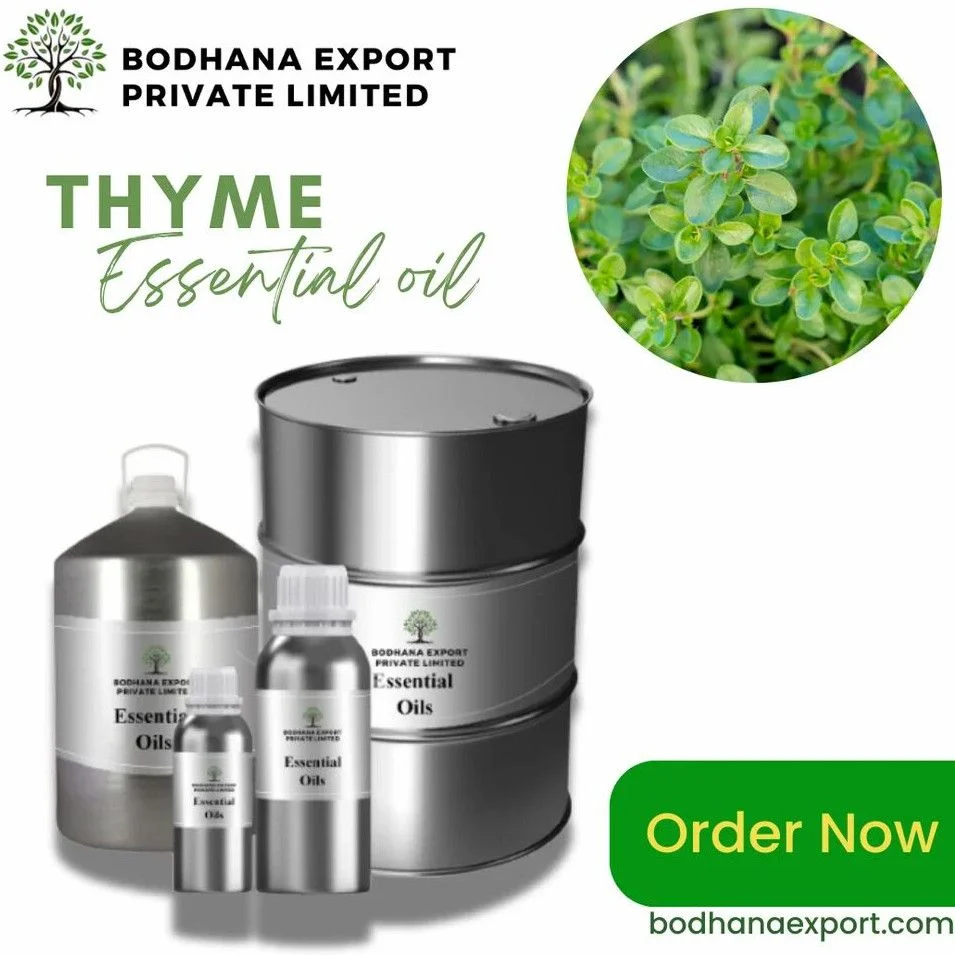
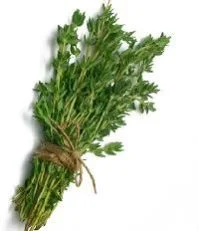
Indonesia hosts the supplier CV. Bisnis Modal Tobat, which currently lists seven distinct product lines in its catalogue. The portfolio covers essential oils, konjac‑derived chips and powder/flour, spices and herbs, vanilla beans, dried marine seafood, coal and frozen fish. The vanilla beans entry is recorded under HS code 0905.11 and the dried fish products under HS code 0305.71, reflecting standard customs classifications. The supplier’s trust tier is listed as harbor, indicating a mid‑level verification level in trade platforms.

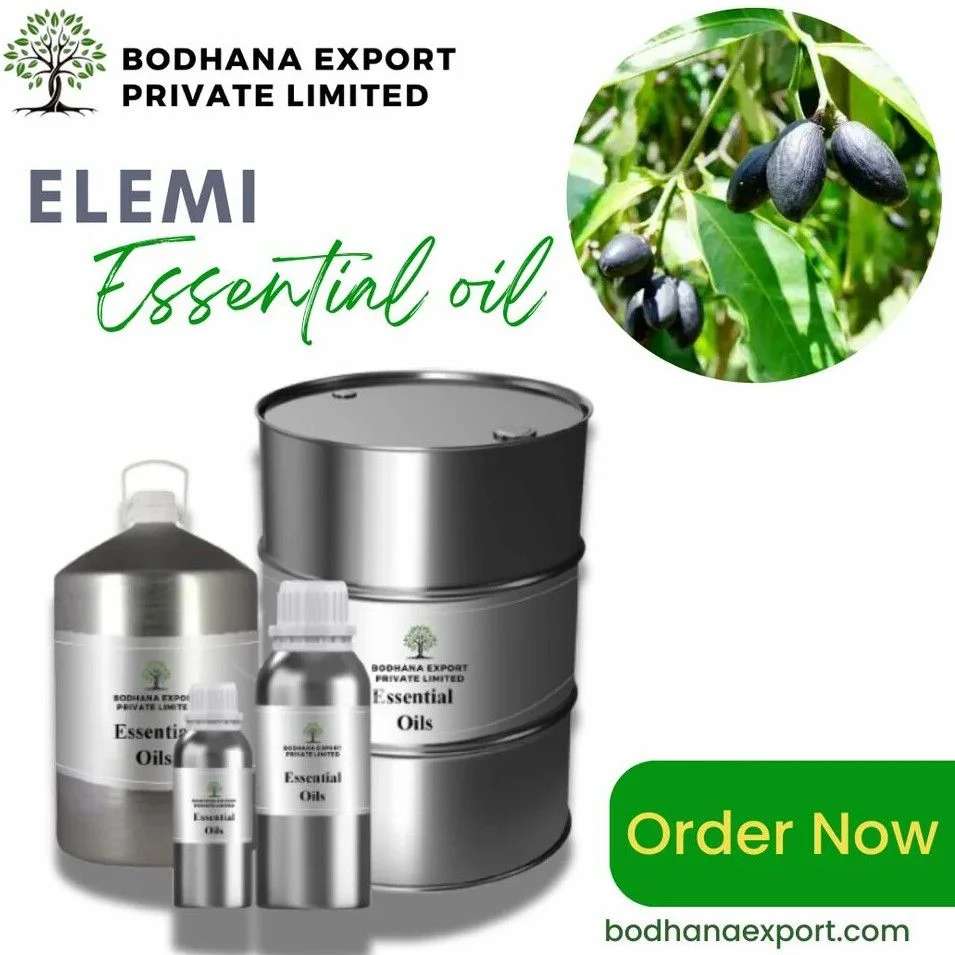
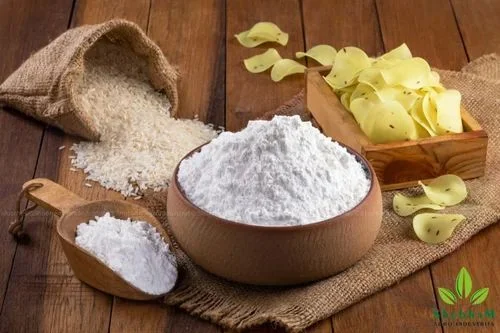
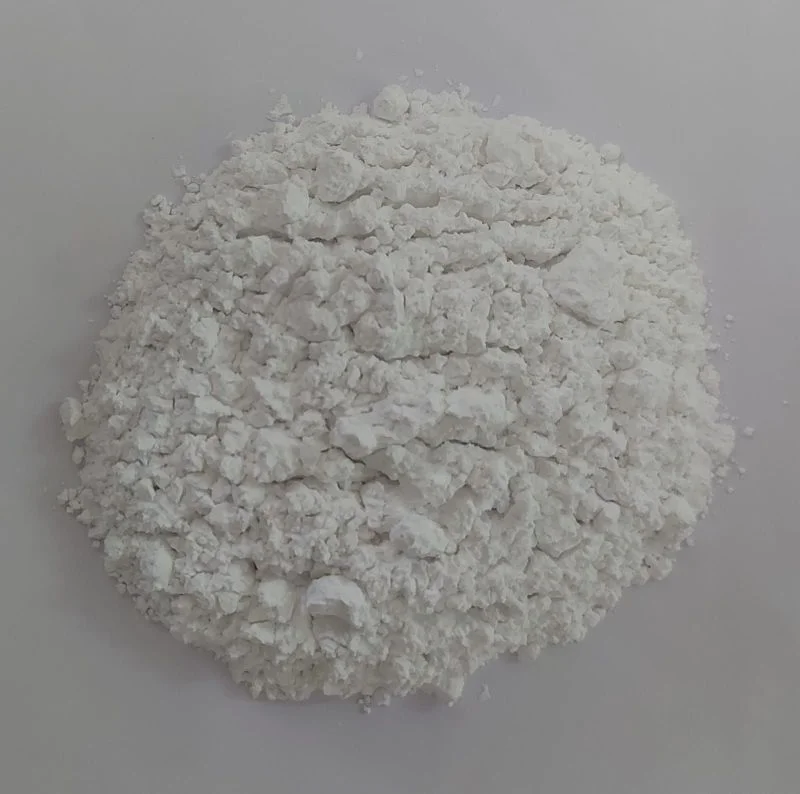
The essential oils category includes a range of aromatic extracts without a specific HS code in the provided data, but such oils are typically classified under HS chapter 33. Konjac products are presented as chips and powder/flour, a niche food ingredient often measured by moisture content and particle size. The spices and herbs line follows the conventional spice grading system, with typical moisture limits of 12 % and microbial standards. Vanilla beans are described as cured Vanilla planifolia and Vanilla tahitensis, matching the HS 0905.11 classification used for cured beans globally. Dried fish products comprise shark fin, fish maw and sea cucumber, aligned with HS 0305.71, while coal is noted with a gross calorific value of 6 000 kcal/kg and a capacity of up to 2 million metric tons per month. Frozen fish products complete the range, generally shipped at temperatures below - 18 °C.

Product Range and Specialties of CV. Bisnis Modal Tobat

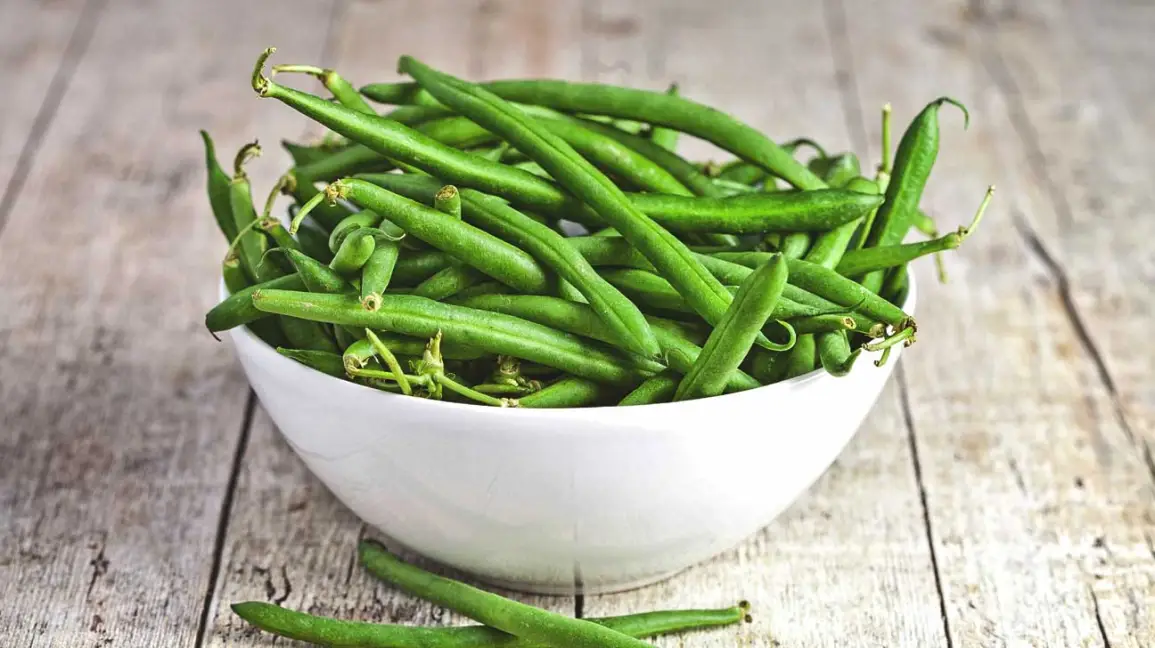
The catalogue lists seven product families. Essential oils are commonly sold with purity levels of 95 % or higher, verified by gas chromatography - mass spectrometry (GC‑MS) and documented in a Certificate of Analysis. Konjac chips typically retain 10‑12 % moisture and are sized to 5‑10 mm, while konjac powder or flour is milled to a particle size below 150 µm and contains 5‑7 % protein. Spices and herbs are graded by whole‑leaf versus ground form, with standard limits of 12 % moisture, <10 % ash and microbial counts below 10³ CFU/g. Vanilla beans are graded as Grade A cured beans, with moisture 25‑30 % and vanillin content generally above 1.5 %.

Indonesia is a major source of dried marine seafood; dried shark fin, fish maw and sea cucumber are usually dried to 8‑12 % moisture and packaged in vacuum‑sealed bags of 20‑25 kg. Coal exported from Indonesia is typically classified under HS 2701 and is offered with a gross calorific value near 6 000 kcal/kg, suitable for power generation and cement kilns. Frozen fish products are generally filleted, iced and packed in insulated containers, with standard export sizes of 20 ft containers holding up to 15 metric tons. Buyers often request compliance with HACCP, ISO 22000 or equivalent food safety schemes for these commodities.

Trade and Export Information - CV. Bisnis Modal Tobat

Indonesia ranks among the world’s top exporters of spices, vanilla, fish products and thermal coal. Essential oils, spices and vanilla beans are frequently shipped to the European Union, United States and Japan, where HS chapters 33, 09 and 30 are processed under strict phytosanitary and quality inspection regimes. Dried and frozen fish products are in demand across Southeast Asia, the Middle East and North America, with HS code 0305 covering dried marine seafood and HS 0306 for frozen fish, both requiring health certificates and, where applicable, CITES documentation for species such as shark fin. Coal exports, classified under HS 2701, are primarily destined for China, India and South Korea, and buyers usually request a calorific value certificate and ash content analysis.

Standard export logistics from Indonesia involve FOB loading at Jakarta or Surabaya ports, with containerized shipments for spices, vanilla and fish, and bulk cargo handling for coal. Buyers typically stipulate Incoterms FOB or CIF, and require certificates of origin, phytosanitary certificates for food items, and test reports conforming to ISO 9001 or food safety standards. Packaging norms include food‑grade polyethylene bags for dried fish (20‑25 kg), insulated cartons for frozen fish, and bulk bags for coal with moisture monitoring.

Sourcing from CV. Bisnis Modal Tobat - Buyer Guidance

Prospective buyers should request a recent Certificate of Analysis for essential oils, confirming purity, GC‑MS profile and absence of residual solvents. For konjac, spices, vanilla beans and dried fish, a moisture test report, microbial limits (E. coli < 10 CFU/g, Salmonella negative) and a phytosanitary certificate are standard verification documents. Coal purchasers normally ask for a calorific value test, ash content, and a shipment‑weight certificate aligned with the declared 2 million ton monthly capacity.

Samples are typically supplied in 5‑10 kg quantities for bulk commodities such as spices, vanilla beans and dried fish, while a 100 ml sample is common for essential oils. Buyers should confirm that packaging meets HS‑specified requirements, such as vacuum‑sealed bags for dried seafood and insulated containers for frozen fish, and verify that the supplier can comply with requested Incoterms and destination port regulations.

Frequently Asked Questions About CV. Bisnis Modal Tobat

What HS codes are used for the vanilla beans and dried fish products offered by CV. Bisnis Modal Tobat?

The vanilla beans are listed under HS code 0905.11 for cured vanilla beans, and the dried fish products fall under HS code 0305.71 for dried marine seafood such as shark fin, fish maw and sea cucumber.

Which quality documents should a buyer request for the essential oils?

Buyers should ask for a recent Certificate of Analysis that includes GC‑MS results, purity percentage (typically ≥95 %), and a statement of compliance with ISO 9001 or GMP standards.

What typical moisture and microbial specifications apply to the spices and herbs?

Standard spice specifications limit moisture to 12 % or less, ash to 10 % or less, and require microbial counts of <10³ CFU/g for total plate count, with E. coli and Salmonella absent.

How is the coal product described in terms of calorific value and monthly capacity?

The coal is specified with a gross calorific value of 6 000 kcal/kg and a production capacity of up to 2 million metric tons per month.

What packaging is commonly used for the dried fish products?

Dried fish products are usually packed in food‑grade vacuum‑sealed polyethylene bags of 20‑25 kg, which meet the requirements of HS 0305 for bulk export.

Which certifications are typically required for the frozen fish exports?

Frozen fish shipments generally need a health certificate, a phytosanitary certificate, and compliance with HACCP or ISO 22000 food safety standards.

What are the usual Incoterms and shipping methods for the supplier’s products?

Export shipments are commonly arranged under FOB or CIF terms, with containerized loads for spices, vanilla and fish, and bulk handling for coal.

What sample sizes are practical for evaluating the supplier’s products?

Essential oils are often sampled in 100 ml bottles, while bulk food items such as konjac powder, spices, vanilla beans and dried fish are typically provided in 5‑10 kg sample packages.

Featured Products from this Supplier

Other Suppliers in Primary Category

Top Trusted Suppliers

Related Products

Trending in Parent Category

More Suppliers in Category

Related Products

Other Suppliers

EximNext
58.5K+ live requirements
Register Free🎁 Reach verified global buyers
Post Requirement
🌍 Trusted by 224.7K+ businesses in 200+ countries|
58.5K+ active requirements right now
✉️ [email protected]
|
Sell on EximNextPost Requirement
EximNext
AgricultureApparelConstructionElectronicFoodHomeIndustrialMineralsMiscellaneous
🔥 Deals|✨ AI Match|🏭 Suppliers|📋 Buy Leads|💰 Trade Finance
58.5K+ live RFQs·194.6K+ suppliers
🎁 Reach global buyers →
EximNext
EximNext
Register Free
🎁 Reach verified global buyers
Sign In
📋Post Requirement💬Get QuotesAI Match📋RFQ Marketplace
All Categories
Services & Tools
🏭Supplier Directory🔥Today's Deals💰Trade Finance
Sell on EximNext
AboutContactBlogHelp
🏭

CV. Bisnis Modal Tobat

Harbor
Country flag , Indonesia
🛡️
54/100
Trust Score

CV. Bisnis Modal Tobat Product Catalog

Showing 7 of 7 products
View all products →
Frozen Fish Products
Harbor
Frozen Fish Products
Contact
MOQ: 1 Unit
Dried Fish Products
Harbor
Dried Fish Products
Contact
MOQ: 1 Unit
Coal (gcv) Gar 6, 000 Up - 2m Mt Per Month
Harbor
Coal (gcv) Gar 6, 000 Up - 2m Mt Per Month
Contact
MOQ: 1 Unit
Spices & Herbs
Harbor
Spices & Herbs
Contact
MOQ: 1 Unit
Vanilla Beans
Harbor
Vanilla Beans
Contact
MOQ: 1 Unit
Essential Oils
Harbor
Essential Oils
Contact
MOQ: 1 Unit
Konjac Products - Chips and Powder/ Flour
Harbor
Konjac Products - Chips and Powder/ Flour
Contact
MOQ: 1 Unit

About CV. Bisnis Modal Tobat - Essential Oils Supplier in Indonesia

Indonesia hosts the supplier CV. Bisnis Modal Tobat, which currently lists seven distinct product lines in its catalogue. The portfolio covers essential oils, konjac‑derived chips and powder/flour, spices and herbs, vanilla beans, dried marine seafood, coal and frozen fish. The vanilla beans entry is recorded under HS code 0905.11 and the dried fish products under HS code 0305.71, reflecting standard customs classifications. The supplier’s trust tier is listed as harbor, indicating a mid‑level verification level in trade platforms.

The essential oils category includes a range of aromatic extracts without a specific HS code in the provided data, but such oils are typically classified under HS chapter 33. Konjac products are presented as chips and powder/flour, a niche food ingredient often measured by moisture content and particle size. The spices and herbs line follows the conventional spice grading system, with typical moisture limits of 12 % and microbial standards. Vanilla beans are described as cured Vanilla planifolia and Vanilla tahitensis, matching the HS 0905.11 classification used for cured beans globally. Dried fish products comprise shark fin, fish maw and sea cucumber, aligned with HS 0305.71, while coal is noted with a gross calorific value of 6 000 kcal/kg and a capacity of up to 2 million metric tons per month. Frozen fish products complete the range, generally shipped at temperatures below - 18 °C.

Product Range and Specialties of CV. Bisnis Modal Tobat

The catalogue lists seven product families. Essential oils are commonly sold with purity levels of 95 % or higher, verified by gas chromatography - mass spectrometry (GC‑MS) and documented in a Certificate of Analysis. Konjac chips typically retain 10‑12 % moisture and are sized to 5‑10 mm, while konjac powder or flour is milled to a particle size below 150 µm and contains 5‑7 % protein. Spices and herbs are graded by whole‑leaf versus ground form, with standard limits of 12 % moisture, <10 % ash and microbial counts below 10³ CFU/g. Vanilla beans are graded as Grade A cured beans, with moisture 25‑30 % and vanillin content generally above 1.5 %.

Indonesia is a major source of dried marine seafood; dried shark fin, fish maw and sea cucumber are usually dried to 8‑12 % moisture and packaged in vacuum‑sealed bags of 20‑25 kg. Coal exported from Indonesia is typically classified under HS 2701 and is offered with a gross calorific value near 6 000 kcal/kg, suitable for power generation and cement kilns. Frozen fish products are generally filleted, iced and packed in insulated containers, with standard export sizes of 20 ft containers holding up to 15 metric tons. Buyers often request compliance with HACCP, ISO 22000 or equivalent food safety schemes for these commodities.

Trade and Export Information - CV. Bisnis Modal Tobat

Indonesia ranks among the world’s top exporters of spices, vanilla, fish products and thermal coal. Essential oils, spices and vanilla beans are frequently shipped to the European Union, United States and Japan, where HS chapters 33, 09 and 30 are processed under strict phytosanitary and quality inspection regimes. Dried and frozen fish products are in demand across Southeast Asia, the Middle East and North America, with HS code 0305 covering dried marine seafood and HS 0306 for frozen fish, both requiring health certificates and, where applicable, CITES documentation for species such as shark fin. Coal exports, classified under HS 2701, are primarily destined for China, India and South Korea, and buyers usually request a calorific value certificate and ash content analysis.

Standard export logistics from Indonesia involve FOB loading at Jakarta or Surabaya ports, with containerized shipments for spices, vanilla and fish, and bulk cargo handling for coal. Buyers typically stipulate Incoterms FOB or CIF, and require certificates of origin, phytosanitary certificates for food items, and test reports conforming to ISO 9001 or food safety standards. Packaging norms include food‑grade polyethylene bags for dried fish (20‑25 kg), insulated cartons for frozen fish, and bulk bags for coal with moisture monitoring.

Sourcing from CV. Bisnis Modal Tobat - Buyer Guidance

Prospective buyers should request a recent Certificate of Analysis for essential oils, confirming purity, GC‑MS profile and absence of residual solvents. For konjac, spices, vanilla beans and dried fish, a moisture test report, microbial limits (E. coli < 10 CFU/g, Salmonella negative) and a phytosanitary certificate are standard verification documents. Coal purchasers normally ask for a calorific value test, ash content, and a shipment‑weight certificate aligned with the declared 2 million ton monthly capacity.

Samples are typically supplied in 5‑10 kg quantities for bulk commodities such as spices, vanilla beans and dried fish, while a 100 ml sample is common for essential oils. Buyers should confirm that packaging meets HS‑specified requirements, such as vacuum‑sealed bags for dried seafood and insulated containers for frozen fish, and verify that the supplier can comply with requested Incoterms and destination port regulations.

Frequently Asked Questions About CV. Bisnis Modal Tobat

What HS codes are used for the vanilla beans and dried fish products offered by CV. Bisnis Modal Tobat?

The vanilla beans are listed under HS code 0905.11 for cured vanilla beans, and the dried fish products fall under HS code 0305.71 for dried marine seafood such as shark fin, fish maw and sea cucumber.

Which quality documents should a buyer request for the essential oils?

Buyers should ask for a recent Certificate of Analysis that includes GC‑MS results, purity percentage (typically ≥95 %), and a statement of compliance with ISO 9001 or GMP standards.

What typical moisture and microbial specifications apply to the spices and herbs?

Standard spice specifications limit moisture to 12 % or less, ash to 10 % or less, and require microbial counts of <10³ CFU/g for total plate count, with E. coli and Salmonella absent.

How is the coal product described in terms of calorific value and monthly capacity?

The coal is specified with a gross calorific value of 6 000 kcal/kg and a production capacity of up to 2 million metric tons per month.

What packaging is commonly used for the dried fish products?

Dried fish products are usually packed in food‑grade vacuum‑sealed polyethylene bags of 20‑25 kg, which meet the requirements of HS 0305 for bulk export.

Which certifications are typically required for the frozen fish exports?

Frozen fish shipments generally need a health certificate, a phytosanitary certificate, and compliance with HACCP or ISO 22000 food safety standards.

What are the usual Incoterms and shipping methods for the supplier’s products?

Export shipments are commonly arranged under FOB or CIF terms, with containerized loads for spices, vanilla and fish, and bulk handling for coal.

What sample sizes are practical for evaluating the supplier’s products?

Essential oils are often sampled in 100 ml bottles, while bulk food items such as konjac powder, spices, vanilla beans and dried fish are typically provided in 5‑10 kg sample packages.

About CV. Bisnis Modal Tobat - Essential Oils Supplier in Indonesia

Indonesia hosts the supplier CV. Bisnis Modal Tobat, which currently lists seven distinct product lines in its catalogue. The portfolio covers essential oils, konjac‑derived chips and powder/flour, spices and herbs, vanilla beans, dried marine seafood, coal and frozen fish. The vanilla beans entry is recorded under HS code 0905.11 and the dried fish products under HS code 0305.71, reflecting standard customs classifications. The supplier’s trust tier is listed as harbor, indicating a mid‑level verification level in trade platforms.

The essential oils category includes a range of aromatic extracts without a specific HS code in the provided data, but such oils are typically classified under HS chapter 33. Konjac products are presented as chips and powder/flour, a niche food ingredient often measured by moisture content and particle size. The spices and herbs line follows the conventional spice grading system, with typical moisture limits of 12 % and microbial standards. Vanilla beans are described as cured Vanilla planifolia and Vanilla tahitensis, matching the HS 0905.11 classification used for cured beans globally. Dried fish products comprise shark fin, fish maw and sea cucumber, aligned with HS 0305.71, while coal is noted with a gross calorific value of 6 000 kcal/kg and a capacity of up to 2 million metric tons per month. Frozen fish products complete the range, generally shipped at temperatures below - 18 °C.

Product Range and Specialties of CV. Bisnis Modal Tobat

The catalogue lists seven product families. Essential oils are commonly sold with purity levels of 95 % or higher, verified by gas chromatography - mass spectrometry (GC‑MS) and documented in a Certificate of Analysis. Konjac chips typically retain 10‑12 % moisture and are sized to 5‑10 mm, while konjac powder or flour is milled to a particle size below 150 µm and contains 5‑7 % protein. Spices and herbs are graded by whole‑leaf versus ground form, with standard limits of 12 % moisture, <10 % ash and microbial counts below 10³ CFU/g. Vanilla beans are graded as Grade A cured beans, with moisture 25‑30 % and vanillin content generally above 1.5 %.

Indonesia is a major source of dried marine seafood; dried shark fin, fish maw and sea cucumber are usually dried to 8‑12 % moisture and packaged in vacuum‑sealed bags of 20‑25 kg. Coal exported from Indonesia is typically classified under HS 2701 and is offered with a gross calorific value near 6 000 kcal/kg, suitable for power generation and cement kilns. Frozen fish products are generally filleted, iced and packed in insulated containers, with standard export sizes of 20 ft containers holding up to 15 metric tons. Buyers often request compliance with HACCP, ISO 22000 or equivalent food safety schemes for these commodities.

Trade and Export Information - CV. Bisnis Modal Tobat

Indonesia ranks among the world’s top exporters of spices, vanilla, fish products and thermal coal. Essential oils, spices and vanilla beans are frequently shipped to the European Union, United States and Japan, where HS chapters 33, 09 and 30 are processed under strict phytosanitary and quality inspection regimes. Dried and frozen fish products are in demand across Southeast Asia, the Middle East and North America, with HS code 0305 covering dried marine seafood and HS 0306 for frozen fish, both requiring health certificates and, where applicable, CITES documentation for species such as shark fin. Coal exports, classified under HS 2701, are primarily destined for China, India and South Korea, and buyers usually request a calorific value certificate and ash content analysis.

Standard export logistics from Indonesia involve FOB loading at Jakarta or Surabaya ports, with containerized shipments for spices, vanilla and fish, and bulk cargo handling for coal. Buyers typically stipulate Incoterms FOB or CIF, and require certificates of origin, phytosanitary certificates for food items, and test reports conforming to ISO 9001 or food safety standards. Packaging norms include food‑grade polyethylene bags for dried fish (20‑25 kg), insulated cartons for frozen fish, and bulk bags for coal with moisture monitoring.

Sourcing from CV. Bisnis Modal Tobat - Buyer Guidance

Prospective buyers should request a recent Certificate of Analysis for essential oils, confirming purity, GC‑MS profile and absence of residual solvents. For konjac, spices, vanilla beans and dried fish, a moisture test report, microbial limits (E. coli < 10 CFU/g, Salmonella negative) and a phytosanitary certificate are standard verification documents. Coal purchasers normally ask for a calorific value test, ash content, and a shipment‑weight certificate aligned with the declared 2 million ton monthly capacity.

Samples are typically supplied in 5‑10 kg quantities for bulk commodities such as spices, vanilla beans and dried fish, while a 100 ml sample is common for essential oils. Buyers should confirm that packaging meets HS‑specified requirements, such as vacuum‑sealed bags for dried seafood and insulated containers for frozen fish, and verify that the supplier can comply with requested Incoterms and destination port regulations.

Frequently Asked Questions About CV. Bisnis Modal Tobat
What HS codes are used for the vanilla beans and dried fish products offered by CV. Bisnis Modal Tobat?
The vanilla beans are listed under HS code 0905.11 for cured vanilla beans, and the dried fish products fall under HS code 0305.71 for dried marine seafood such as shark fin, fish maw and sea cucumber.
Which quality documents should a buyer request for the essential oils?
Buyers should ask for a recent Certificate of Analysis that includes GC‑MS results, purity percentage (typically ≥95 %), and a statement of compliance with ISO 9001 or GMP standards.
What typical moisture and microbial specifications apply to the spices and herbs?
Standard spice specifications limit moisture to 12 % or less, ash to 10 % or less, and require microbial counts of <10³ CFU/g for total plate count, with E. coli and Salmonella absent.
How is the coal product described in terms of calorific value and monthly capacity?
The coal is specified with a gross calorific value of 6 000 kcal/kg and a production capacity of up to 2 million metric tons per month.
What packaging is commonly used for the dried fish products?
Dried fish products are usually packed in food‑grade vacuum‑sealed polyethylene bags of 20‑25 kg, which meet the requirements of HS 0305 for bulk export.
Which certifications are typically required for the frozen fish exports?
Frozen fish shipments generally need a health certificate, a phytosanitary certificate, and compliance with HACCP or ISO 22000 food safety standards.
What are the usual Incoterms and shipping methods for the supplier’s products?
Export shipments are commonly arranged under FOB or CIF terms, with containerized loads for spices, vanilla and fish, and bulk handling for coal.
What sample sizes are practical for evaluating the supplier’s products?
Essential oils are often sampled in 100 ml bottles, while bulk food items such as konjac powder, spices, vanilla beans and dried fish are typically provided in 5‑10 kg sample packages.

🏭
CV. Bisnis Modal Tobat
Country flag , Indonesia
Harbor
54/100
Trust Score
📦
7
Products
Free to contact — no commission
Escrow payment available
Verified business identity
Compare more suppliers
Post a requirement — get 10 quotes free
Let verified suppliers compete for your business. Free, fast, no commitment.
EximNext Verified Supplier
Business identity verified
Physical address confirmed
Financial history checked
Certifications authenticated
Trade references validated
Due Diligence
Verify this supplier's real shipping history.
Every shipment, every buyer, every port. Trade data that can't be faked.
Run due diligence →
Discover More

Related Suppliers & Products

Explore similar suppliers, related products and trending categories

Featured Products from this Supplier

Other Suppliers in Primary Category

Top Trusted Suppliers

Related Products

Trending in Parent Category

More Suppliers in Category

Stay ahead in global trade
Weekly market insights & new supplier alerts.
EximNext
Exim Next is a leading global B2B marketplace, connecting over 205,000 verified suppliers and buyers across 200+ countries. As a trusted import export marketplace, it serves as the essential B2B portal for businesses worldwide, empowering them to expand their international reach. With Exim Next, businesses can trade smarter and grow faster.
SECURE PAYMENTS
VISAMastercardPayPalSWIFTL/CEscrow
Follow us
© 2026 EximNext