Caraibes Sea Life HT — Verified Supplier
About Caraibes Sea Life HT - Seafood Supplier in Haiti
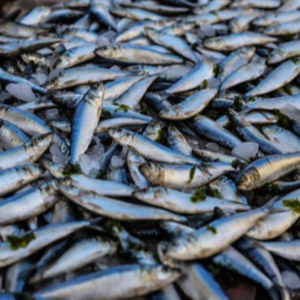
Haiti, positioned in the Caribbean, is the source country for Caraibes Sea Life HT, which currently lists five active products. The catalogue spans the Seafood and Fresh Meat top categories, covering items such as Live Rocks, Dried Meat Conch, Cassis, Triton and Raw Shell Queen Conch. In export statistics, seafood items from Haiti are classified under HS Chapter 03, especially codes 0304 for crustaceans and 0305 for molluscs, while fresh meat products fall under HS Chapter 02, code 0204 for bovine meat. The supplier’s portfolio therefore reflects a mix of marine organisms and processed meat that are commonly traded in refrigerated or frozen condition. Buyers looking for Caribbean-origin marine products often encounter similar product mixes in the region’s trade flow.
Product Range and Specialties of Caraibes Sea Life HT
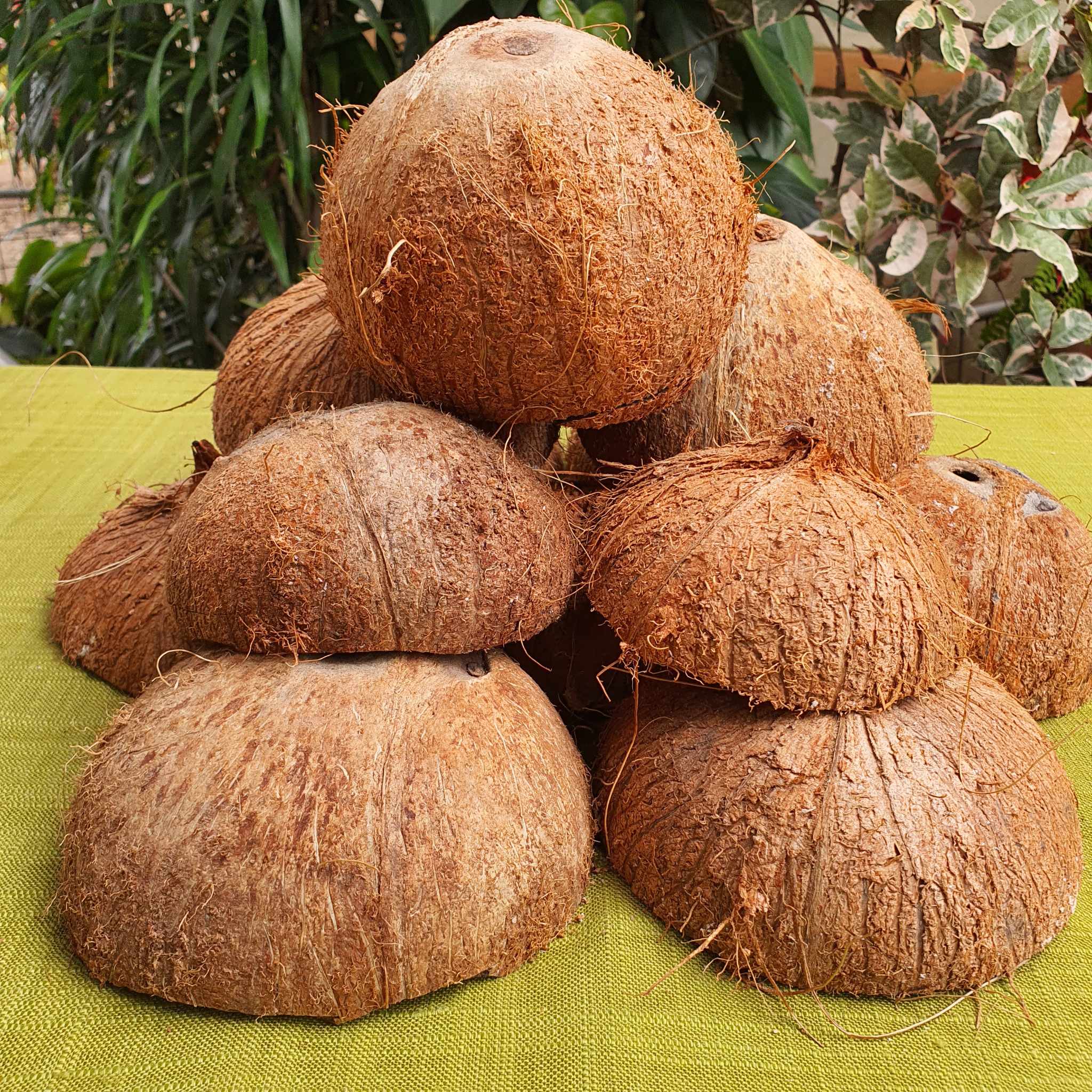
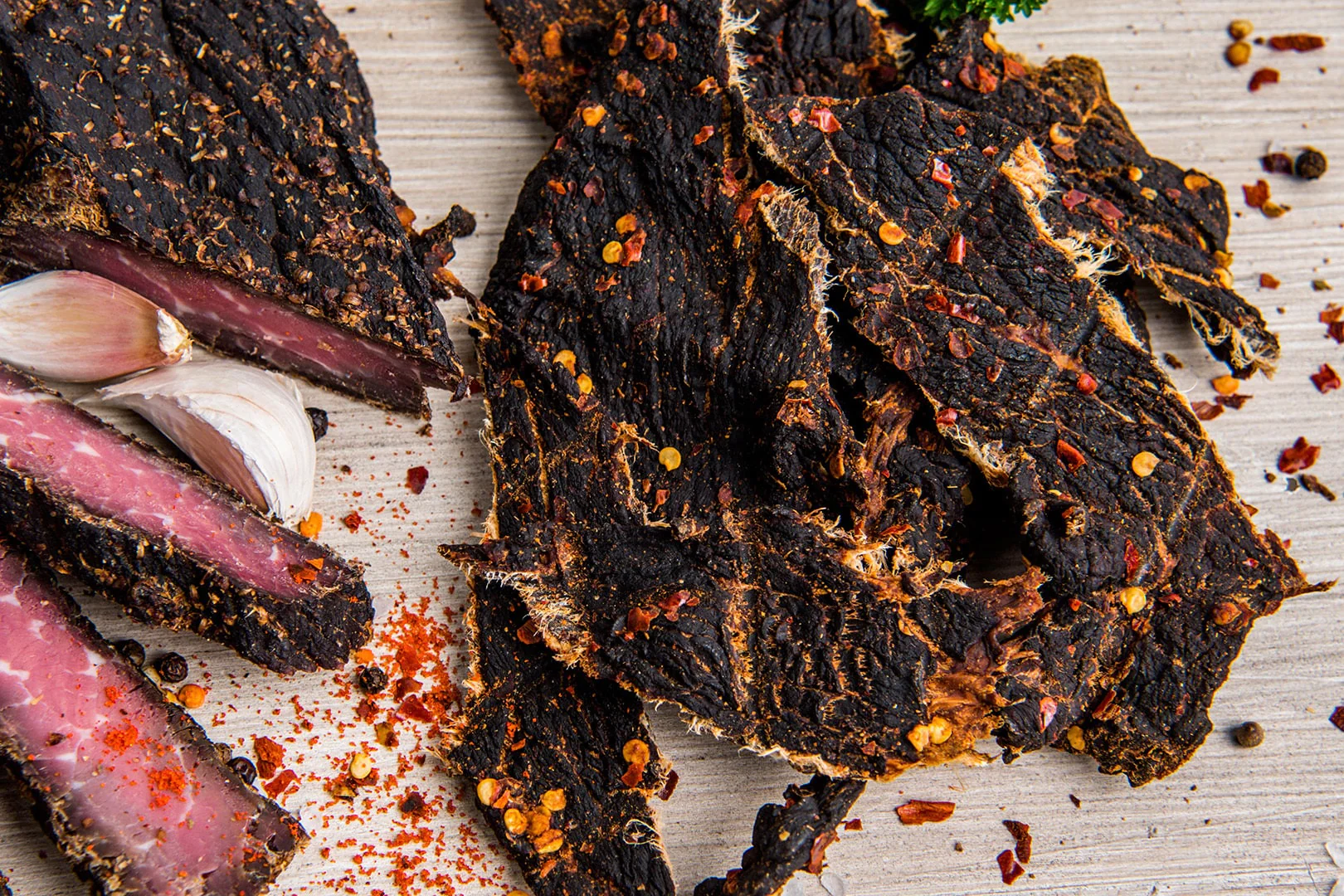
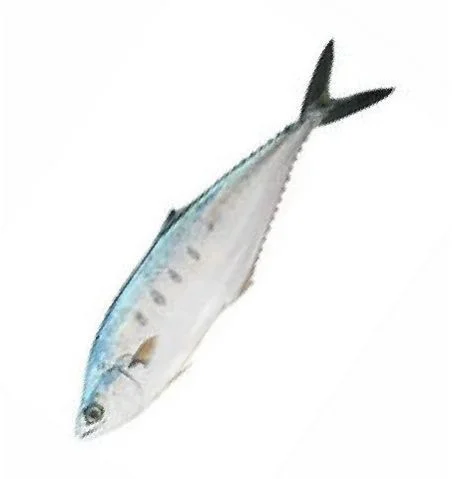
Caraibes Sea Life HT’s catalogue contains Live Rocks, Dried Meat Conch, Cassis, Triton and Raw Shell Queen Conch. In the broader seafood sector, live rocks are graded by porosity and calcium carbonate percentage, with commercial grades often above 30 % CaCO₃ and a bulk density of 1.2 t/m³. Conch meat is commonly sold in grades based on size, with premium grades requiring shell length ≥ 100 mm and a minimum protein content of 18 % on a dry‑basis. Fish species such as Cassis and Triton are typically classified by fillet yield (55 - 65 % of whole weight) and require compliance with maximum allowed mercury levels of 0.5 ppm for export to the EU. Fresh meat products from the Caribbean are subject to HACCP‑based processing controls and may be presented in vacuum‑packed trays of 10 kg each.
Trade and Export Information - Caraibes Sea Life HT
Seafood and fresh meat from Haiti are primarily shipped to North America, the European Union and neighboring Caribbean islands, where demand for tropical marine products remains steady. Export shipments use HS Chapter 03 codes for molluscs (0305) and fish (0302) and Chapter 02 codes for meat (0204), with most consignments requiring phytosanitary certificates and a certificate of origin. Buyers typically request HACCP, ISO 22000 or BRC certification for processed meat and conch, while live rocks may be inspected for microbial load under the Codex Alimentarius guidelines. Refrigerated container units (20 ft or 40 ft) with temperature set points of - 18 °C for frozen goods or 0 °C for chilled items are standard, and export documentation often includes a sanitary export certificate issued by the Haitian Ministry of Agriculture. Trade terms frequently follow CIF or FOB Incoterms, with customs duties in destination markets ranging from 0 % to 12 % depending on HS classification.
Sourcing from Caraibes Sea Life HT - Buyer Guidance
Potential buyers should request a recent HACCP or ISO 22000 audit report for any processed meat or conch items, and a microbial test sheet for live rocks to confirm absence of pathogenic bacteria. Sample shipments are usually offered in 2 kg parcels for conch meat and 10 kg sealed bags for live rocks, allowing verification of size, moisture content and calcium rating before confirming larger orders. Verify that the supplier can provide a phytosanitary certificate and a certificate of origin that aligns with the HS codes used for the specific product line. Confirm packaging details such as insulated pallets for frozen conch or moisture‑controlled bags for live rocks, and ensure that the lead time accommodates the required cold‑chain logistics, typically 15 - 25 days from order to shipment.
Frequently Asked Questions About Caraibes Sea Life HT
What product types does Caraibes Sea Life HT offer?
The supplier lists five products: Live Rocks, Dried Meat Conch, Cassis, Triton and Raw Shell Queen Conch. These items fall under the seafood and fresh‑meat categories and are prepared for export in temperature‑controlled packaging.
How are the conch products graded for export?
Conch meat is commonly graded by shell length (70 - 120 mm) and moisture content below 12 % on a wet basis. Premium grades usually require a minimum protein content of 18 % and are shipped frozen at - 18 °C.
Which certifications should a buyer request for the meat and conch items?
Buyers should ask for HACCP or ISO 22000 audit reports, and a BRC certificate if the destination market requires it. A recent laboratory analysis for microbial load and pesticide residues is also standard practice.
What are the typical packaging formats for the listed products?
Live Rocks are packed in bulk bags of up to 500 kg or on insulated pallets; conch meat is vacuum‑sealed in 10 kg trays; whole fish such as Cassis and Triton are boxed in insulated containers with ice packs. All products are loaded into 20‑ft or 40‑ft refrigerated containers for shipment.
Which HS code families apply to these products?
Marine molluscs like conch fall under HS Chapter 03, code 0305, while fish species such as Cassis and Triton are classified under code 0302. Processed meat items would be recorded under Chapter 02, code 0204, although the supplier’s current catalogue does not list a specific meat HS code.
What are the common Incoterms used for exporting from Haiti?
Export transactions from Haiti frequently use FOB (Free on Board) at Port‑au‑Prince or CIF (Cost, Insurance, Freight) to the buyer’s destination port. The choice of term affects who arranges freight and insurance.
What lead time should a buyer expect for an order?
Standard lead time for a full container load, including product preparation, documentation and cold‑chain handling, ranges from 15 to 25 days. Smaller sample orders can be dispatched within 5 to 7 days after payment confirmation.




 , Haiti