Bsb Commodities Consultoria E Intermediacao Ltda — Supplier
About Bsb Commodities Consultoria E Intermediacao Ltda - Sugar Supplier in Brazil
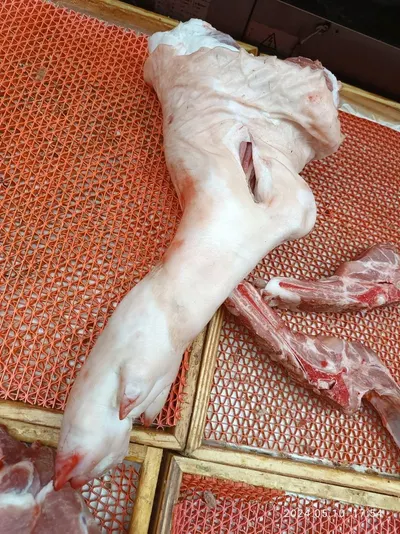
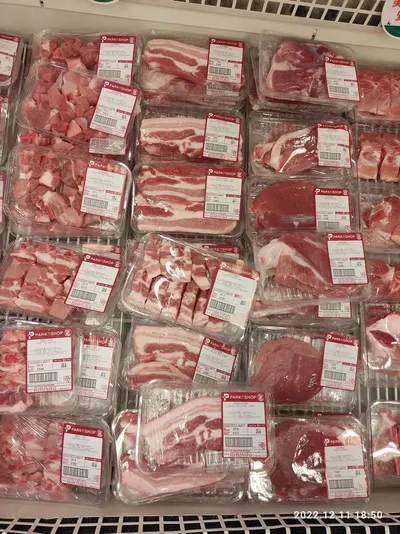
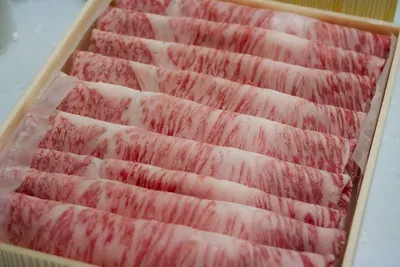
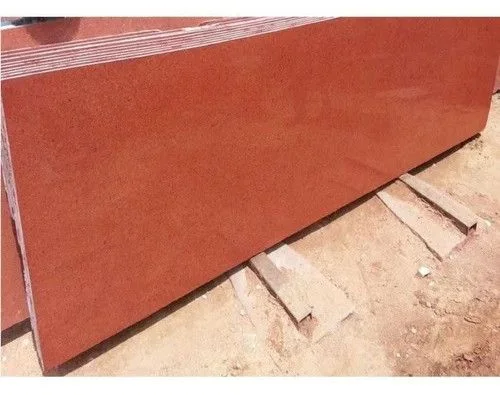
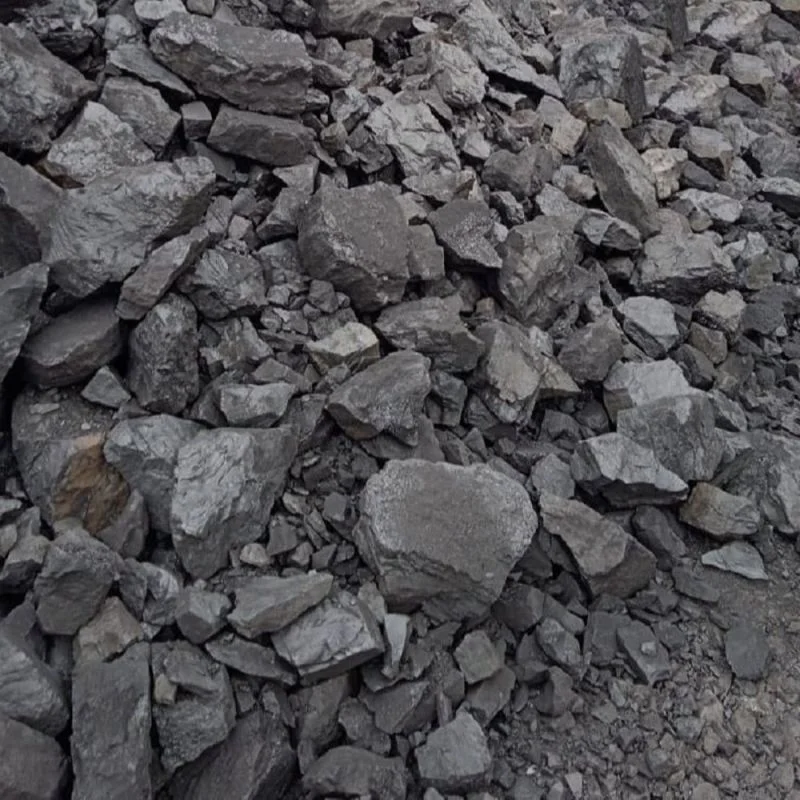
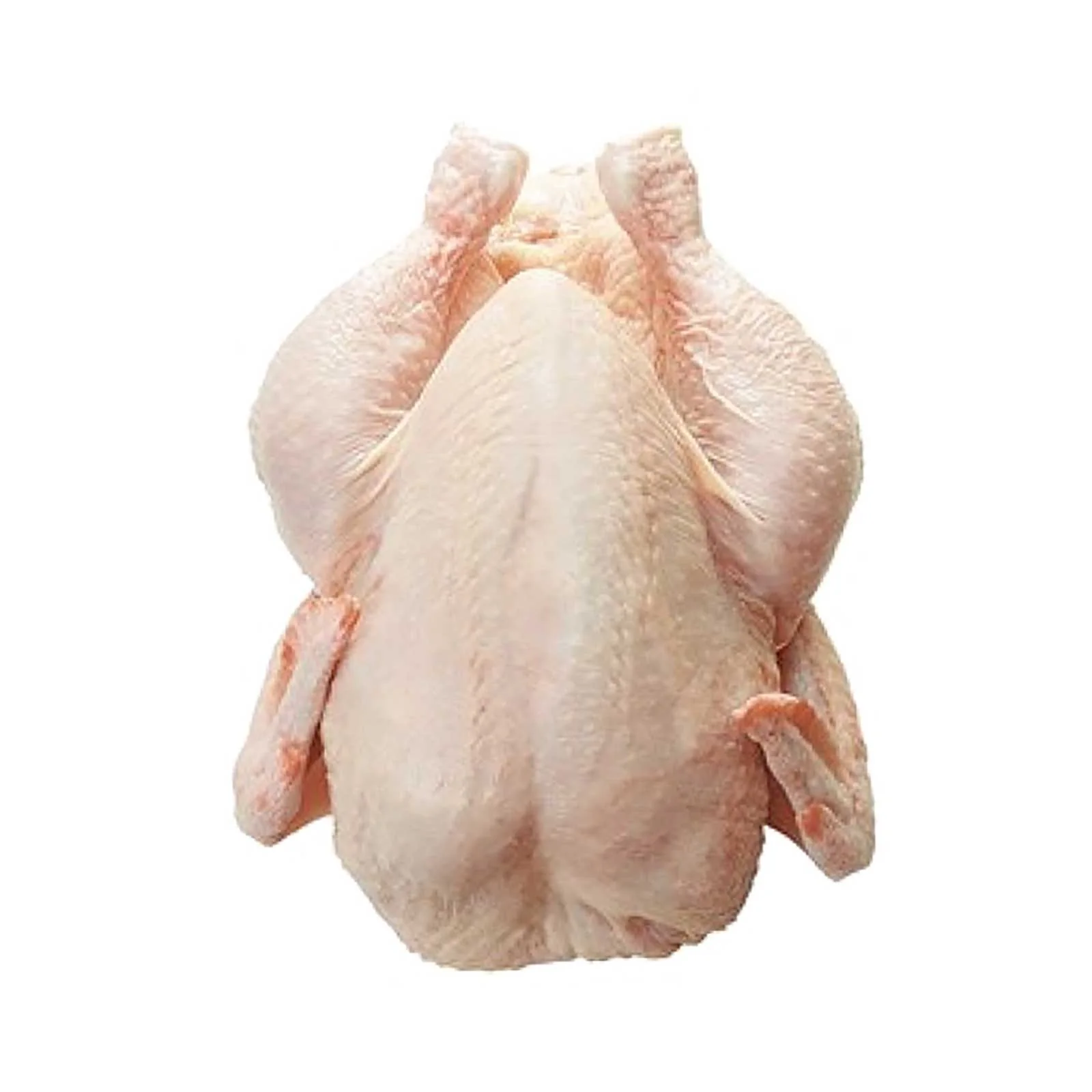
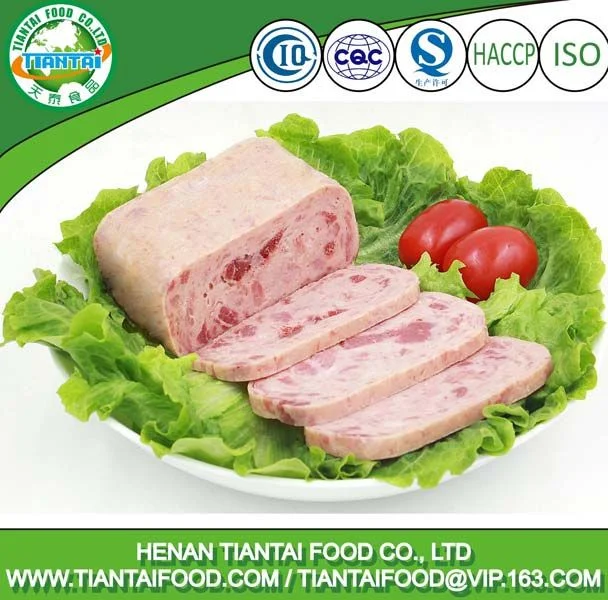
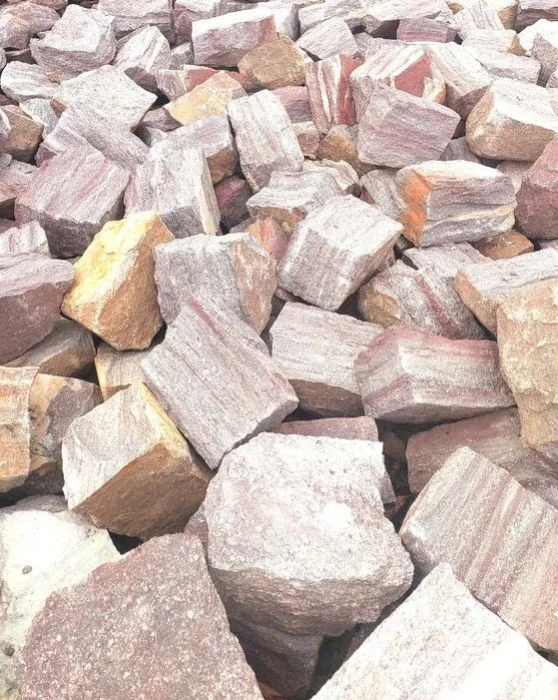
Brazil‑based Bsb Commodities Consultoria E Intermediacao Ltda lists 18 active products in its catalogue. The items span bulk agricultural commodities such as various sugar grades, soybean (GMO and non‑GMO), yellow corn and coffee, as well as meat products including fresh beef, frozen pork, pork intestines and frozen chicken paws. The catalogue also contains non‑food exports like steam coal and granite sheets sourced within Brazil. Each product is presented under its standard commercial name without additional branding or proprietary claims. The supplier is classified under the “harbor” trust tier, indicating a mid‑level verification status in trade platforms.
Product Range and Specialties of Bsb Commodities Consultoria E Intermediacao Ltda
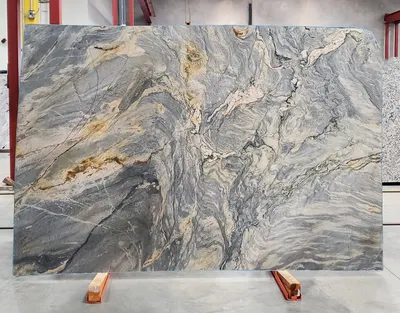
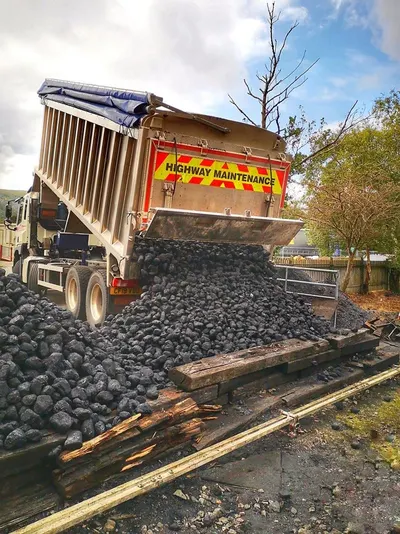
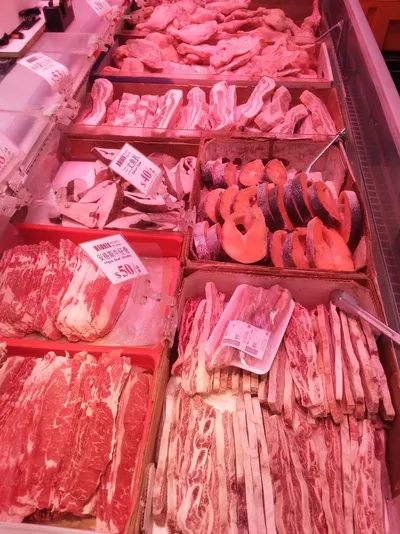
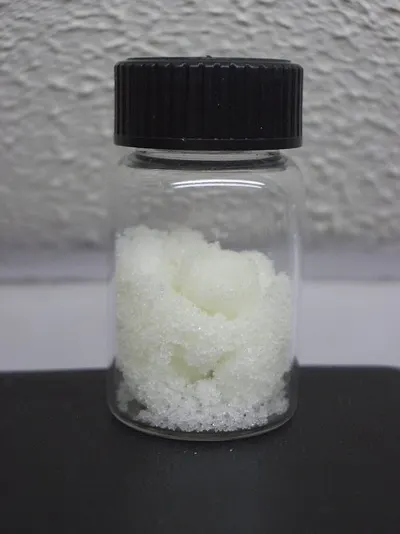
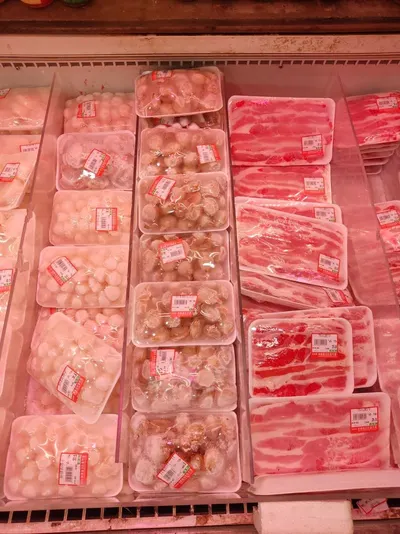
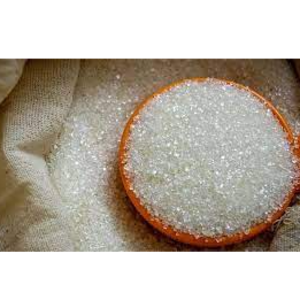
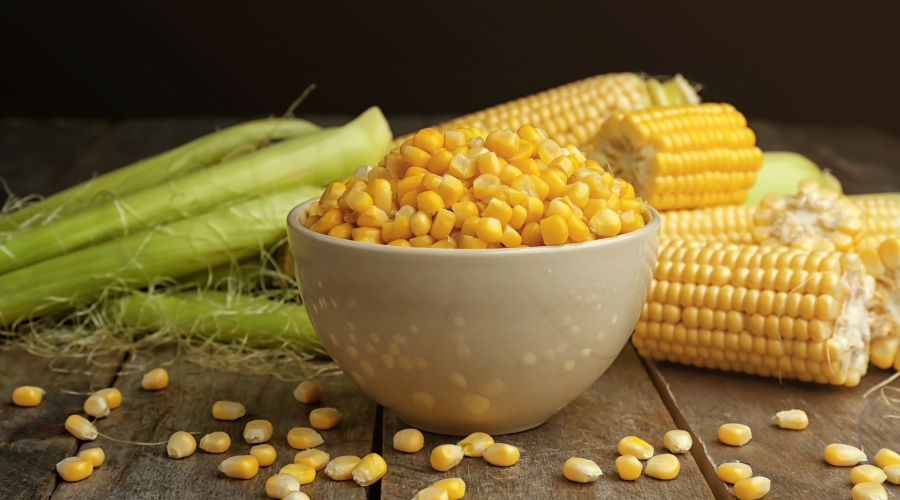
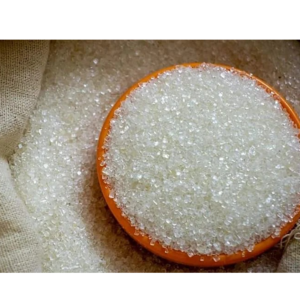
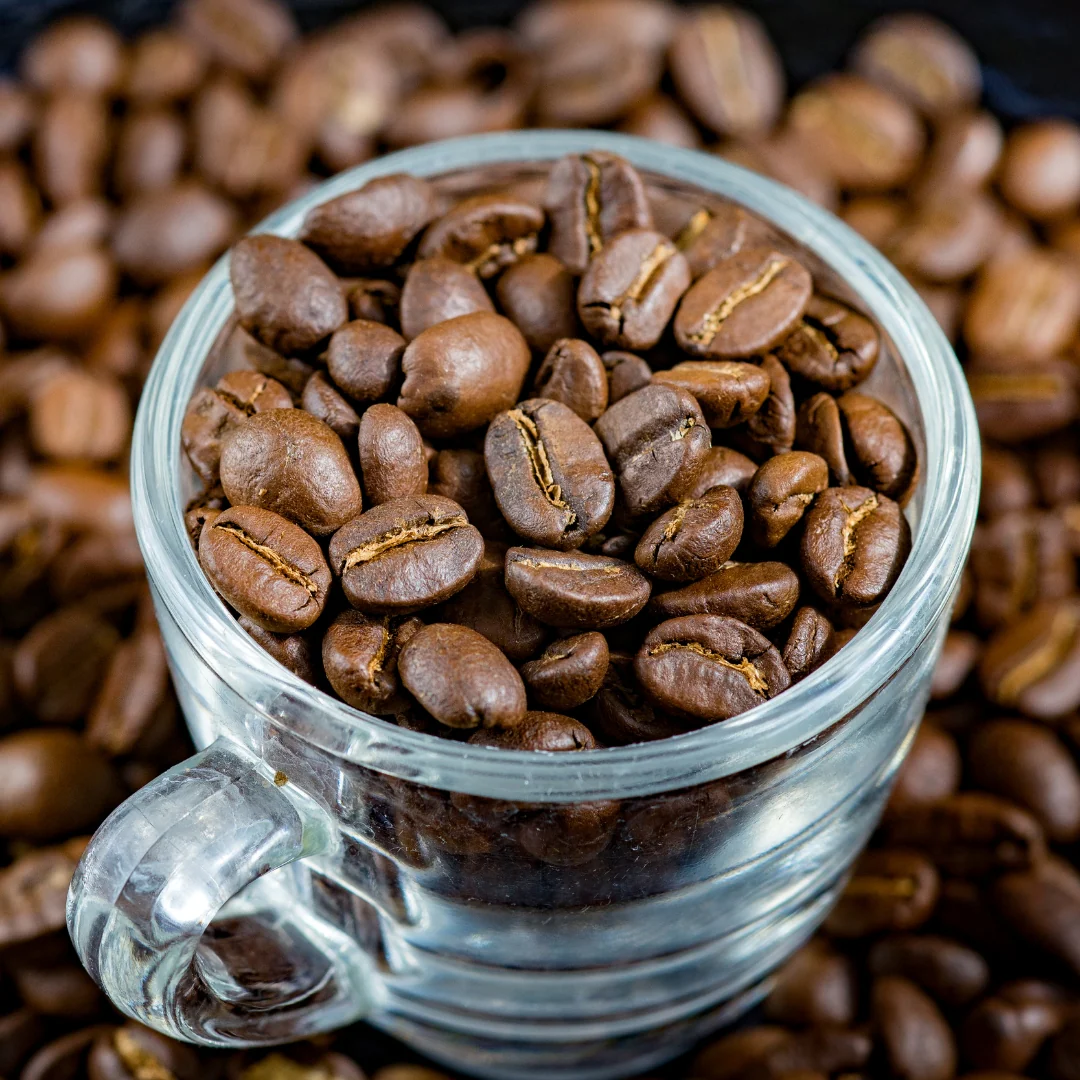
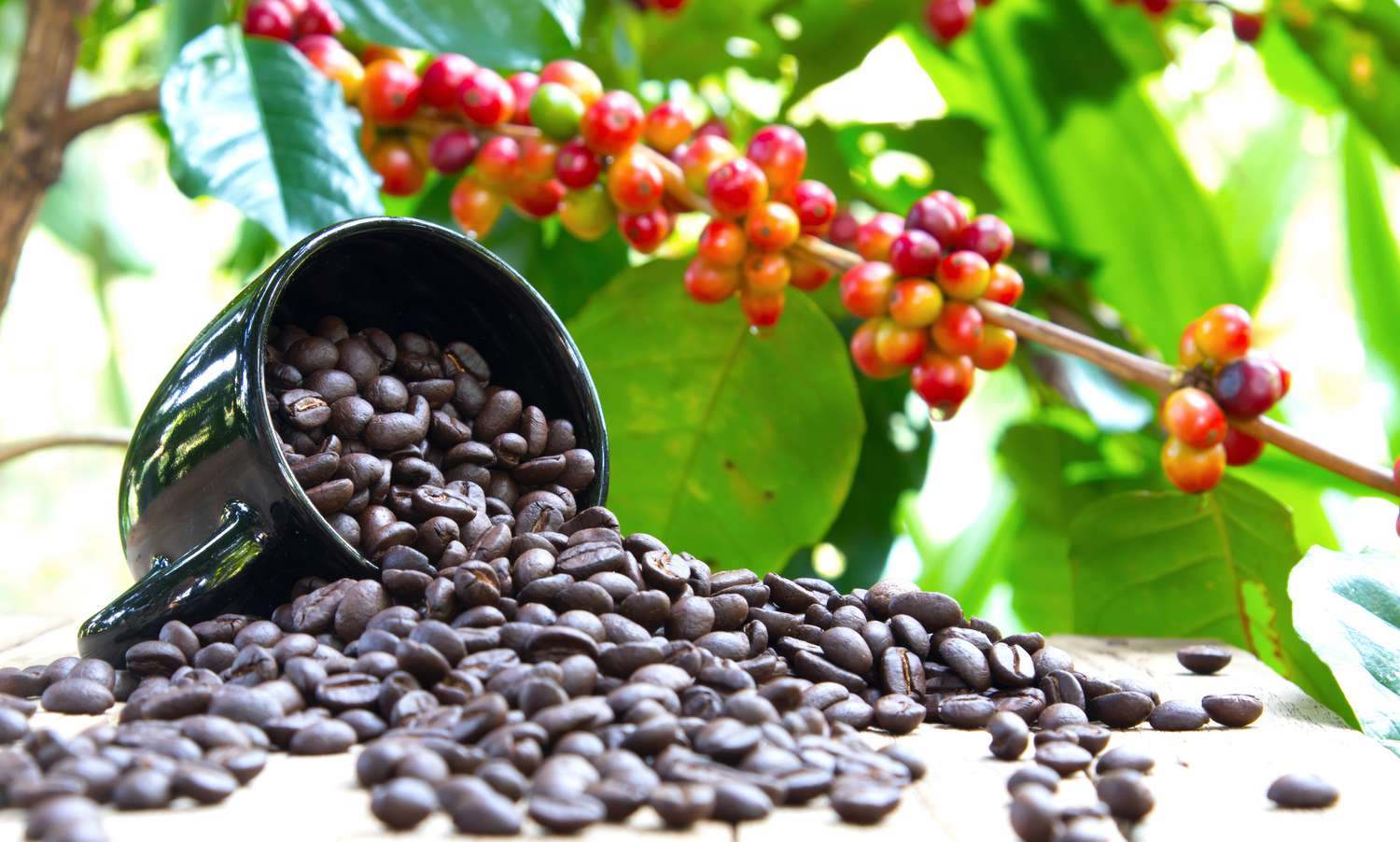
The catalogue includes three sugar specifications: ICUMSA 45, a very high‑purity white sugar; VHP (Very High Polarisation) 600‑1200, used for confectionery and industrial applications; and ICUMSA 150, a lower‑purity grade suitable for bulk food processing. Soybean offerings are split between GMO and non‑GMO varieties, both commonly measured by protein content of 38‑42 % and moisture below 13 %. Yellow corn is listed as a standard feed and food grade with typical moisture of 14‑15 % and test weight around 750 kg/hl. Meat items cover fresh beef, frozen pork, pork intestines, front and hind pig legs, and frozen chicken paws, each usually supplied in refrigerated containers with temperature control at 0‑4 °C. Coffee is identified simply as “Coffee Brazil”, which in export terms generally refers to Arabica beans graded by size and defect count. Non‑food products include steam coal, typically shipped in bulk carriers with moisture below 10 %, and granite sheets, which are slab‑cut stone sized to standard dimensions for construction markets.
Trade and Export Information - Bsb Commodities Consultoria E Intermediacao Ltda
Brazil is a major exporter of sugar, soybeans, corn and beef, with the European Union, Middle East and Asian markets accounting for the largest share of these commodities. Export shipments of sugar and soybeans normally fall under HS chapters 17 (sugar) and 12 (oilseeds), and buyers frequently require phytosanitary certificates, a Certificate of Origin and, where applicable, GMO documentation. Meat exports such as beef and pork are classified under HS chapter 02 and are subject to veterinary health certificates, HACCP compliance and, for some destinations, halal or kosher certification. Coal exports use HS 27.10 and are often accompanied by a quality analysis report confirming calorific value and ash content. Granite sheets fall under HS 68.31 and typically need a commercial invoice, packing list and a test report on compressive strength. Standard Incoterms for these bulk goods are CIF or FOB, with container loading for perishable items and bulk handling for coal and stone.
Sourcing from Bsb Commodities Consultoria E Intermediacao Ltda - Buyer Guidance
Buyers should request a recent analysis report for each sugar grade, confirming ICUMSA purity, moisture and ash levels before placing an order. For soybean shipments, a non‑GMO declaration or GMO status report, along with protein and oil content analysis, is standard practice. Meat buyers normally ask for a veterinary health certificate, a HACCP audit summary and, where required, a halal or kosher inspection report. Coffee purchasers often request a cupping report that details bean size, moisture and defect count. For coal, a calorific value test and sulphur content analysis are typical documents. Granite sheet buyers should obtain a dimensional drawing, a compressive strength test and a surface finish specification. In all cases, a signed Certificate of Origin and a commercial invoice are essential for customs clearance.
Frequently Asked Questions About Bsb Commodities Consultoria E Intermediacao Ltda
What are the typical purity specifications for the sugar grades listed by Bsb Commodities?
ICUMSA 45 sugar is expected to have a purity of 99.8 % sucrose, ICUMSA 150 around 97 % purity, and VHP 600‑1200 is measured by polarisation values between 600 and 1200 °Bx, indicating very high crystallinity.
Which documents should I request for soybean GMO and non‑GMO shipments?
Ask for a GMO status certificate, a protein content analysis (usually 38‑42 %), moisture content below 13 % and a Certificate of Origin. Non‑GMO cargo should also include a non‑GMO declaration from the producer.
How is fresh beef from Brazil typically packaged for export?
Fresh beef is normally packed in vacuum‑sealed trays within insulated containers, maintaining a temperature of 0‑4 °C, and shipped in refrigerated containers complying with HS chapter 02.
What quality tests are standard for frozen pork and pork intestines?
Standard tests include microbial count (total plate count below 10 ⁵ cfu/g), residual water activity below 0.85, and a visual inspection for tissue integrity. A veterinary health certificate is also required.
What certifications are commonly required for coffee exports from Brazil?
Buyers usually request a phytosanitary certificate, a Certificate of Origin, and a cupping report that includes bean size, moisture (typically 10‑12 %) and defect count per 100 g.
Which HS codes apply to the steam coal and granite sheet products?
Steam coal is classified under HS 27.10, while granite sheets fall under HS 68.31. Both codes are used by customs authorities to determine duties and required documentation.
What are typical container sizes for bulk grain shipments like yellow corn?
Yellow corn is commonly exported in 20‑foot or 40‑foot dry containers, each holding approximately 25‑28 metric tons, with a moisture content of 14‑15 %.
What should I verify before ordering the granite sheets?
Confirm the sheet dimensions, thickness, compressive strength rating (usually expressed in MPa), and ensure a surface finish grade is specified. A commercial invoice and a test report on mechanical properties are standard verification documents.




 , Brazil