L.J EXPORT SOLUTION — Verified Service Provider & Wholesale Supplier
About L.J EXPORT SOLUTION - Agricultural products Supplier in India
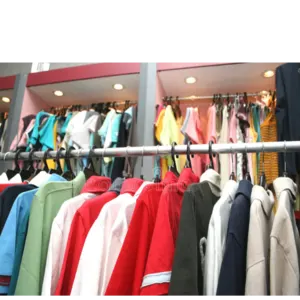
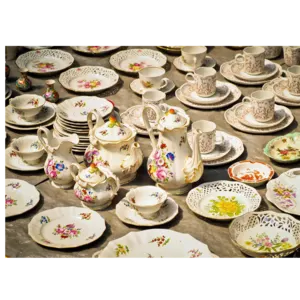
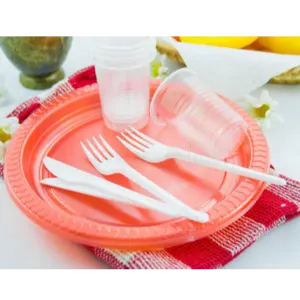
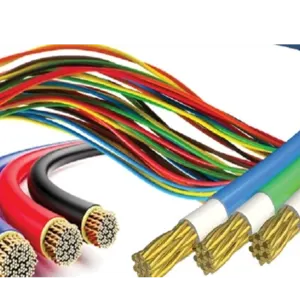
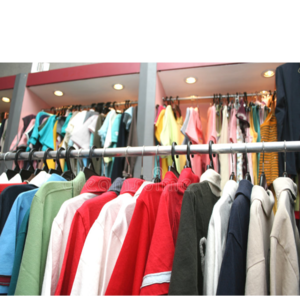
India, Hooghly in West Bengal, lists seven active product lines. The catalogue records agricultural products under HS code 3105.20, construction and building materials under HS 8474.31, electrical wire and cables under HS 7408.19, disposable cutleries under HS 3924.10, PVC products under HS 3918.10, crockeries under HS 6911.10 and garments under HS 6210.10. Each entry pairs a material description with the corresponding HS classification, providing a clear view of the product scope.
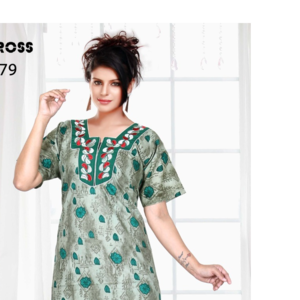
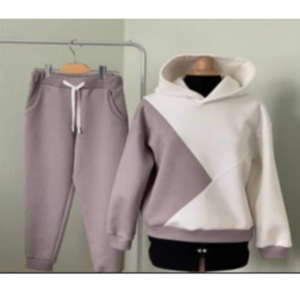
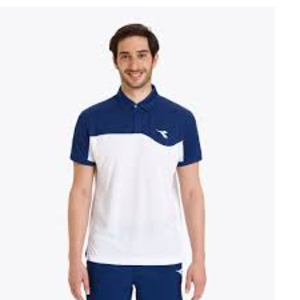
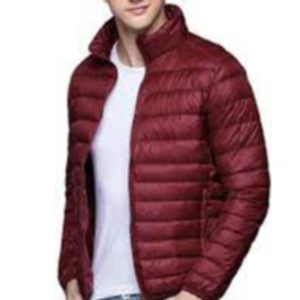
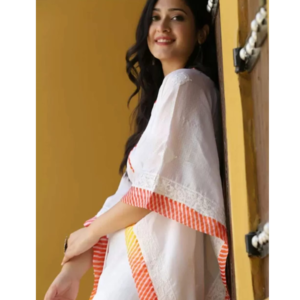
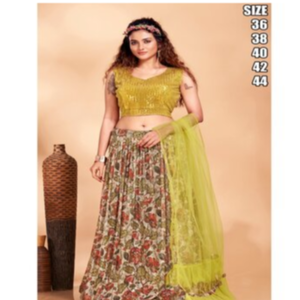
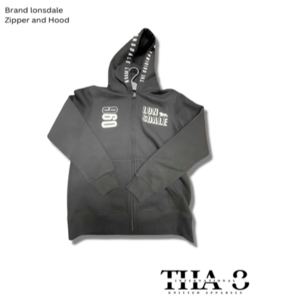
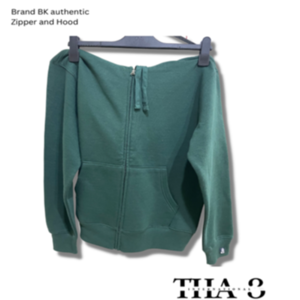
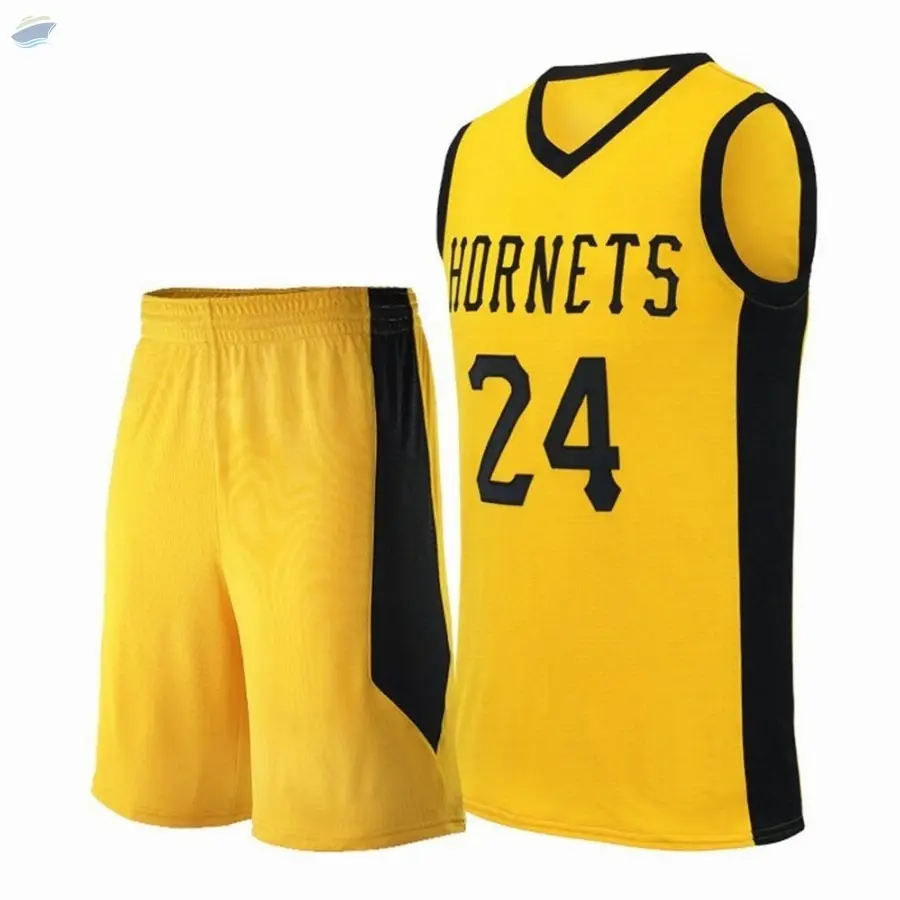
The supplier’s inventory includes NPK compound fertilizer 15‑15‑15, carbon‑steel bodies with alloy mixing blades and rubber wheels, electrolytic tough‑pitch copper (ETP) with a minimum purity of 99.9 %, polystyrene cutlery, rigid polyvinyl chloride, porcelain or bone‑china crockery, and garments made from a 65/35 cotton‑polyester blend, canvas, leather and PVC‑coated polyester. The listing reflects a cross‑sector mix of agro‑chemical, construction, electrical, plastic, ceramic and textile items, each tied to a specific HS code family.
Product Range and Specialties of L.J EXPORT SOLUTION
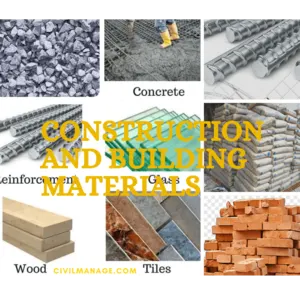
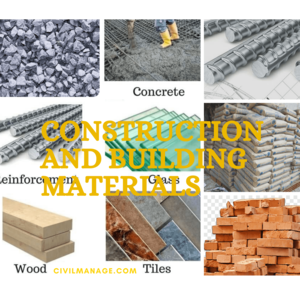
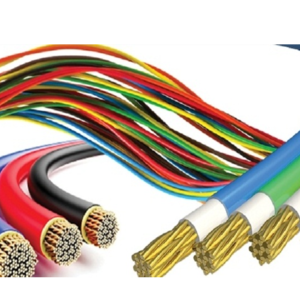
The seven catalogue items cover standard product families that Indian exporters commonly supply. NPK fertilizer 15‑15‑15 falls under HS 3105.20 and is typically graded by nutrient analysis, moisture content below 1 % and complies with BIS or ISO 9001 quality systems. Construction and building material listed under HS 8474.31 usually involves carbon‑steel components meeting ASTM A36 or EN 10025 specifications, with alloy blades conforming to hardness ranges of 200‑300 HB. Electrical wire under HS 7408.19 is normally produced from ETP copper meeting IEC 60228 Class 1 or 2, with tensile strength around 250 MPa and insulation standards such as IEC 60332.
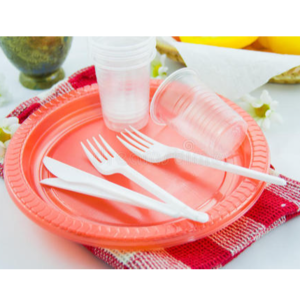
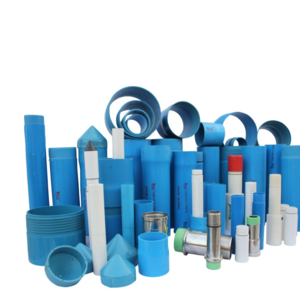
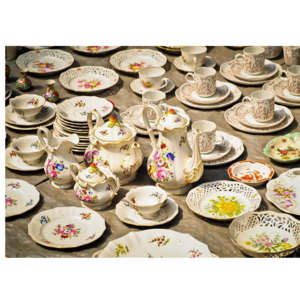
Disposable cutleries (HS 3924.10) are generally manufactured from food‑grade polystyrene complying with FDA or EU Regulation 1935/2004, while PVC products (HS 3918.10) are often rigid PVC-U with a minimum Shore hardness of 80 and may require REACH registration. Crockeries (HS 6911.10) are high‑fired porcelain or bone china, typically lead‑free and meeting ISO 13006 surface quality criteria. Garments (HS 6210.10) in a cotton‑polyester blend are usually measured by GSM (150‑250) and may carry Oeko‑Tex Standard 100 certification for textile safety.
Trade and Export Information - L.J EXPORT SOLUTION
India exports fertilizer, construction steel, copper wire, plastic and ceramic goods primarily to the Middle East, Africa, Southeast Asia and Europe. HS chapter 31 fertilizers are subject to the Indian Ministry of Agriculture’s export licensing and often require a phytosanitary certificate and a fertilizer analysis report. Steel building equipment in HS 84 is usually shipped in 20‑ft containers with CE marking for EU markets, and copper wire in HS 74 must comply with the IEC 60228 standard and may be inspected under the World Customs Organization’s SAFETY protocol.
Plastic cutlery and PVC items fall under HS 39 and are regulated by the Indian Plastic Waste Management Rules; buyers typically request a Material Safety Data Sheet (MSDS) and confirmation of compliance with REACH or the US FDA Food Contact Notification. Porcelain crockery (HS 69) is inspected for lead content under the EU’s LCR (Lead Content Regulation) when destined for Europe. Garments (HS 62) are commonly exported under the Apparel Export Promotion Council guidelines, with buyers often seeking a test report for fiber composition and a compliance certificate for the applicable trade agreement, such as the Generalised System of Preferences (GSP).
Sourcing from L.J EXPORT SOLUTION - Buyer Guidance
When sourcing fertilizer 15‑15‑15, request a recent laboratory analysis showing N, P₂O₅, K₂O percentages, moisture level and a BIS or ISO quality certificate. Verify the product’s packing weight (e.g., 25 kg bag) and container sealing method before confirming shipment.
For steel construction equipment, ask for a mill test certificate (MTC) that details chemical composition, tensile strength and hardness, as well as CE marking documentation if the equipment is destined for the EU. Confirm the dimensions of alloy mixing blades and wheel diameter to match project specifications.
Copper wire orders should be accompanied by an IEC 60228 compliance test report, a copper purity assay (minimum 99.9 % Cu), and an MSDS. Buyers often request a sample coil to evaluate conductivity and tensile performance before finalizing volume.
Plastic cutlery buyers normally request a food‑grade certification (FDA or EU) and a batch‑level test for polystyrene melt flow index. PVC product orders should include a REACH registration number and a detailed specification sheet stating rigidity, tensile strength and UV resistance.
Crockery imports require a lead‑free glaze certification and a visual inspection report confirming compliance with ISO 13006. Garment purchases benefit from a fiber composition test, a wash‑fastness rating, and an Oeko‑Tex Standard 100 certificate to ensure textile safety.
Frequently Asked Questions About L.J EXPORT SOLUTION
What HS code does L.J EXPORT SOLUTION use for its NPK fertilizer?
The fertilizer 15‑15‑15 is listed under HS code 3105.20, which covers mixed fertilizers containing nitrogen, phosphorus and potassium.
Which material standard applies to the copper wire offered by the supplier?
The electrical wire is made from Electrolytic Tough Pitch Copper (ETP) with a minimum purity of 99.9 % and is expected to meet IEC 60228 class specifications for conductor performance.
What certifications should a buyer request for the disposable cutlery?
Buyers should request a food‑grade certification such as FDA compliance or EU Regulation 1935/2004, accompanied by a material safety data sheet and a melt flow index test report.
How is the PVC product described in the catalogue?
It is identified as Polyvinyl Chloride (PVC) under HS code 3918.10, typically supplied as rigid PVC-U suitable for construction or industrial applications.
What quality test is common for the porcelain crockeries?
A lead‑free glaze test and visual inspection against ISO 13006 surface quality criteria are standard for porcelain or bone‑china crockery.
Which blend is used in the garments offered by L.J EXPORT SOLUTION?
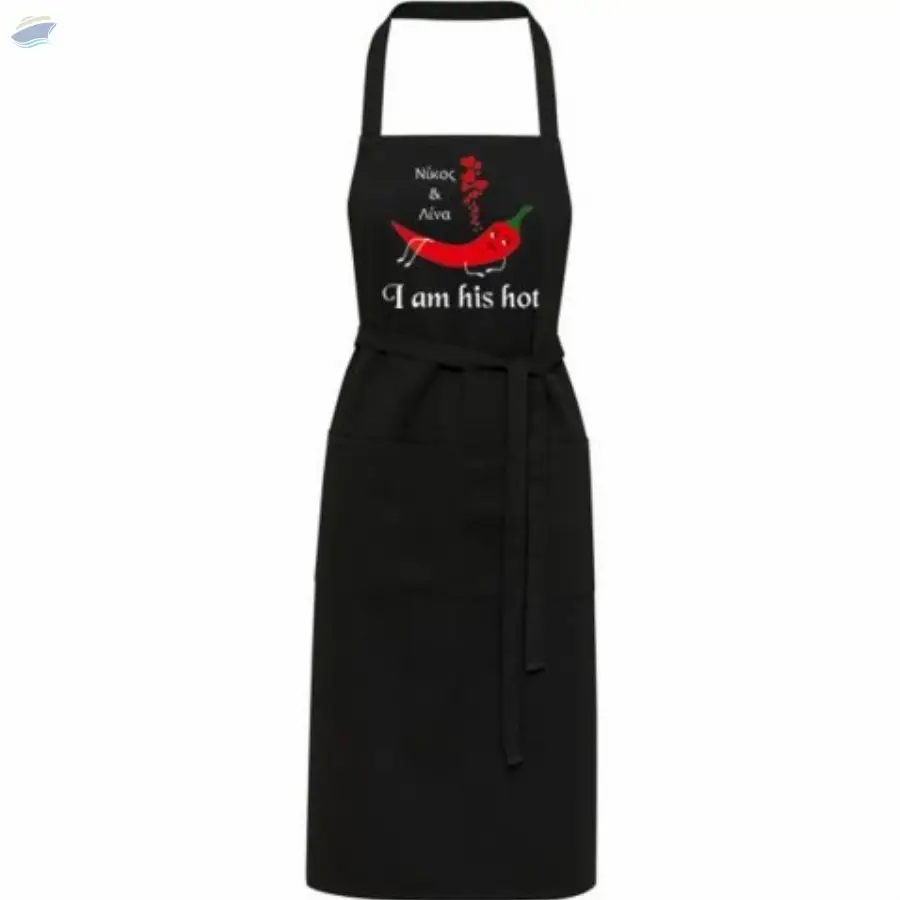
The garments are made from a cotton‑polyester blend of 65 % cotton and 35 % polyester, listed under HS code 6210.10, and may include canvas, leather or PVC‑coated polyester components.
What packaging format is typical for the steel construction equipment?
Steel bodies and alloy mixing blades are usually packed in wooden crates or steel pallets, secured for transport in 20‑ft or 40‑ft containers, with HS code 8474.31 indicating machinery parts.
Which regions commonly import the supplier’s product categories?
India’s exports of fertilizer, steel equipment, copper wire, plastics and ceramics are frequently shipped to the Middle East, African nations, Southeast Asian markets and European Union countries.




 Hooghly, India