Agriculture›
 Apparel and fashion accessories›
 Construction & real estate›💡Electronic & Electrical›🍎Food & Beverages›🛋️Home furnishing & supplies›⚗️Industrial goods & chemical›🪨Minerals & metals›📦Miscellaneous›Agriculture›Apparel and fashion accessories›Construction & real estate›💡Electronic & Electrical›🍎Food & Beverages›🛋️Home furnishing & supplies›⚗️Industrial goods & chemical›🪨Minerals & metals›📦Miscellaneous›
Terre Di Papena Product Catalog


About Terre Di Papena - Animal & Cattle Feed Supplier in Italy
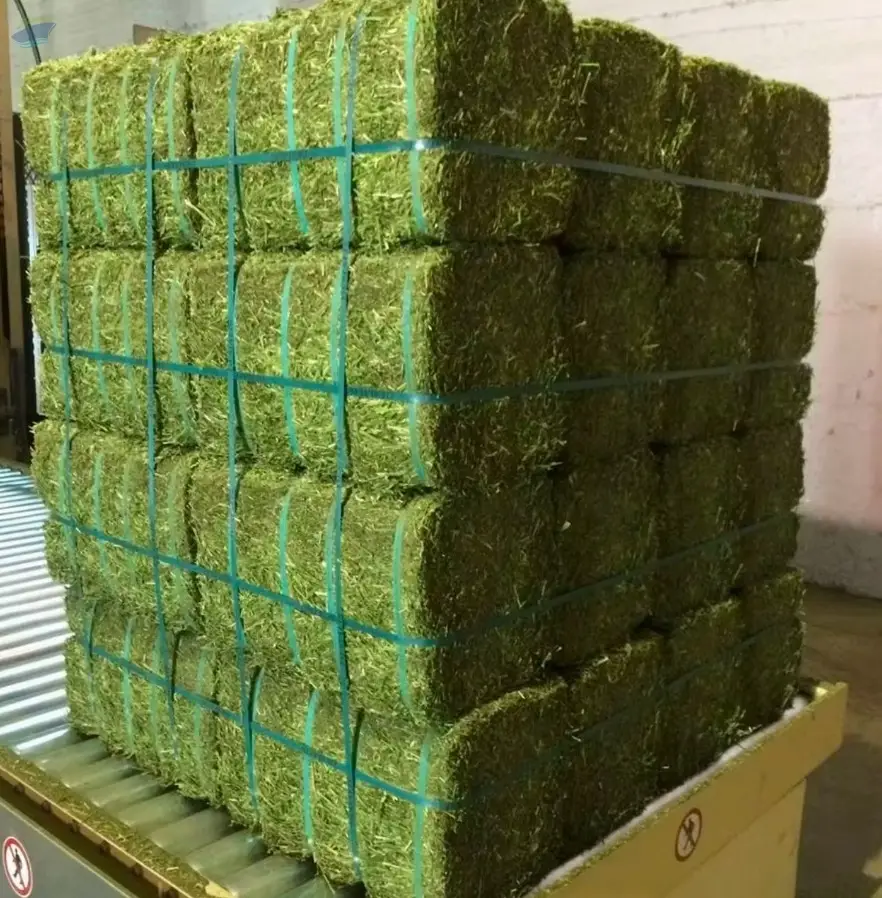
Terre Di Papena is based in Italy and currently lists five distinct feed‑related products. The catalogue includes barley, an alfalfa‑type legume labelled “Alfa Alfa”, black oat, ryegrass hay and horse haylage, all recorded under the broader Animal & Cattle Feed category. Each item falls within the HS‑code families that cover cereals (chapter 23.01) and processed animal feed (chapter 23.03), which are the standard tariff headings used for such commodities. The supplier’s imported tier status indicates that the products are sourced for re‑export rather than produced on‑site, a common model for Italian feed aggregators.
The five products serve different segments of the livestock market: barley is often used as a cereal grain supplement, alfalfa (Alfa Alfa) provides high‑protein forage, black oat is valued for its fiber content, ryegrass hay supplies bulk roughage, and horse haylage offers a high‑energy, fermented feed for equines. Typical specifications for these feeds include moisture levels below 13 % for dry forages, protein contents of 10‑20 % for legumes, and a net energy value of 8‑10 MJ kg⁻¹ for barley. These parameters are routinely reported in the product data sheets that buyers request from Italian exporters.
Product Range and Specialties of Terre Di Papena
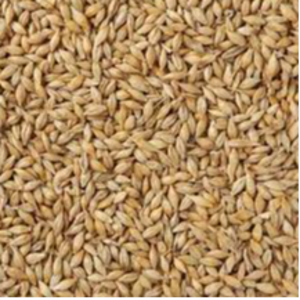
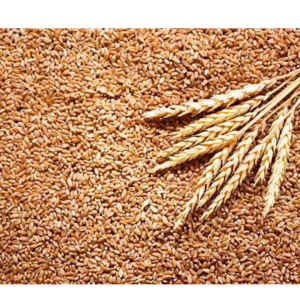
Terre Di Papena’s catalogue presents barley, alfalfa (Alfa Alfa), black oat, ryegrass hay and horse haylage. In the European feed market, barley is commonly classified as a low‑protein grain (10‑12 % crude protein) with a starch content of 55‑60 % and is used for both ruminants and swine. Alfalfa harvested for feed typically meets an ICUMSA‑type protein grade of 18‑22 % and a leaf‑to‑stem ratio above 30 %, while black oat is often marketed with a fiber (NDF) content of 30‑35 % and a moisture ceiling of 12 %. Ryegrass hay is graded by leafiness and moisture, with premium grades containing >25 % leaf material and <12 % moisture; horse haylage is usually ensiled to a pH of 4.0‑4.5 and a dry matter content of 40‑45 % for optimal digestibility. These industry benchmarks help buyers compare the listed items against standard feed quality grades used across the EU and neighboring export markets.
Frequently Asked Questions About Terre Di Papena
What types of animal feed does Terre Di Papena list in its catalogue?
The catalogue includes barley, alfalfa (listed as Alfa Alfa), black oat, ryegrass hay and horse haylage, all classified under the Animal & Cattle Feed category.
What is a typical lead time for orders from Terre Di Papena?
Lead times are generally 2‑4 weeks after order confirmation, depending on harvest timing and the volume requested.
Which HS code chapters are relevant for these feed products?
Barley and black oat fall under HS chapter 23.01 (cereals), while ryegrass hay, alfalfa and horse haylage are covered by HS chapter 23.03 (processed animal feeds).
What quality parameters should a buyer check for the barley product?
Buyers typically examine moisture (≤13 %), crude protein (10‑12 %), starch content (55‑60 %) and ensure the sample is free from mycotoxins above EU limits.
Are any certifications required when importing these feeds from Italy?
Importers usually require a Phytosanitary Certificate, a Certificate of Origin, and evidence of compliance with EU Regulation 183/2005 on feed hygiene; HACCP or ISO 22000 documentation is also commonly requested.
 Italy
Related Suppliers & Products
Explore similar suppliers, related products and trending categories