Agriculture›
 Apparel and fashion accessories›
 Construction & real estate›💡Electronic & Electrical›🍎Food & Beverages›🛋️Home furnishing & supplies›⚗️Industrial goods & chemical›🪨Minerals & metals›📦Miscellaneous›Agriculture›Apparel and fashion accessories›Construction & real estate›💡Electronic & Electrical›🍎Food & Beverages›🛋️Home furnishing & supplies›⚗️Industrial goods & chemical›🪨Minerals & metals›📦Miscellaneous›
168 Exports Trading Product Catalog
About 168 Exports Trading - Animal & Cattle Feed Supplier in Philippines
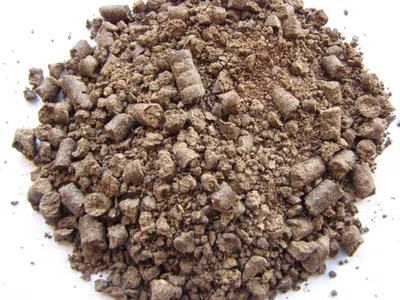
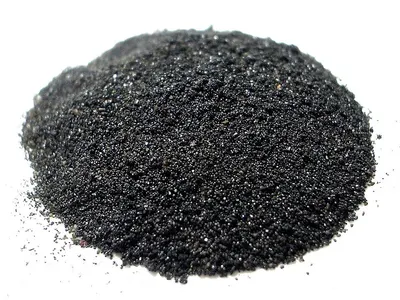
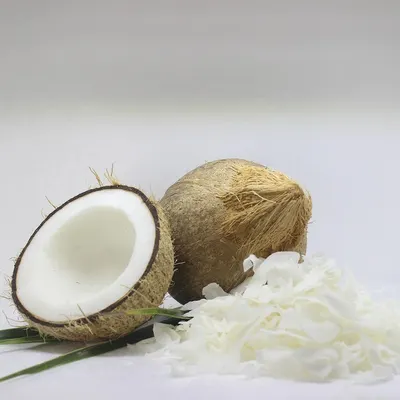
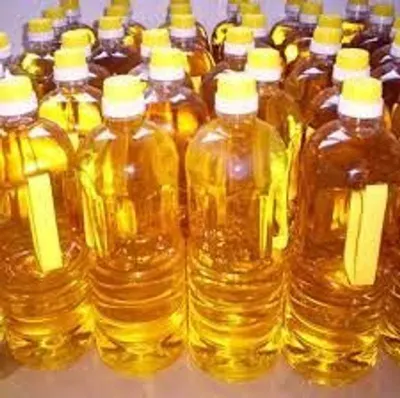
The Philippines‑based supplier 168 Exports Trading lists five active products. Its catalogue focuses on coconut‑derived commodities and a feed ingredient, covering crude coconut oil, refined bleached deodorized (RBD) coconut oil, coconut acid oil, activated carbon, and copra meal. The company classifies its primary market segment as Animal & Cattle Feed, reflecting the inclusion of copra meal as a protein source for livestock. Each product is identified by its generic name without additional specifications in the supplied data. The supplier operates as an imported tier with a harbor trust tier, indicating its participation in cross‑border trade.
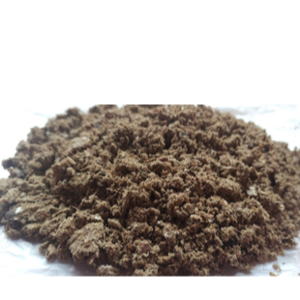
Coconut oil products are commonly exported from the Philippines and are subject to food‑grade quality checks, while activated carbon derived from coconut shells is used in filtration and water treatment. Copra meal, a by‑product of oil extraction, is used as a high‑protein livestock feed. The supplier’s product list therefore spans both edible‑oil and feed sectors, providing a range of raw and refined coconut derivatives for international buyers.
Product Range and Specialties of 168 Exports Trading
Crude coconut oil from the Philippines is typically offered with a free fatty acid (FFA) content below 10 % and moisture under 0.1 %, parameters that align with standard edible‑oil specifications. Refined bleached deodorized coconut oil usually meets food‑grade criteria such as FFA ≤ 0.5 %, peroxide value ≤ 5 meq kg⁻¹, ICUMSA colour between 10 and 20, and a cloud point around 24 °C. Coconut acid oil (CAO) is supplied with an acid value in the range of 150‑190 mg KOH g⁻¹ and low moisture, making it suitable for esterification and biodiesel feedstock. Activated carbon produced from coconut shells commonly exhibits an iodine adsorption number above 1 200 mg g⁻¹ and a BET surface area exceeding 800 m² g⁻¹, standards used in water‑treatment applications. Copra meal generally contains 22‑24 % crude protein and 5‑6 % ether extract, a nutrient profile valued by cattle and poultry feed formulators.
Packaging for bulk oil grades often uses 25 kg steel drums or bulk tanks within 20‑ft and 40‑ft containers, while activated carbon and copra meal are frequently shipped in polypropylene bags of 1 ton or in bulk bags. These formats align with typical logistics for edible‑oil and feed commodities, facilitating efficient handling and storage at destination ports.
Frequently Asked Questions About 168 Exports Trading
What specifications are typical for the crude coconut oil?
Buyers usually require a free fatty acid (FFA) content below 10 %, moisture under 0.1 % and an iodine value around 70‑80. A Certificate of Analysis confirming these parameters is standard practice.
Does the refined bleached deodorized coconut oil meet food‑grade standards?
The RBD grade is expected to have FFA ≤ 0.5 %, peroxide value ≤ 5 meq kg⁻¹, colour in the ICUMSA 10‑20 range and a cloud point near 24 °C. Request a COA and, if needed, an FDA or EU food‑safety compliance statement.
What is the typical acid value for coconut acid oil (CAO)?
CAO is generally supplied with an acid value between 150‑190 mg KOH g⁻¹ and a moisture content below 0.2 %. Buyers often ask for an ASTM D‑974 test report.
What are the key performance parameters for the activated carbon?
Standard activated carbon from coconut shells shows an iodine adsorption number above 1 200 mg g⁻¹ and a BET surface area exceeding 800 m² g⁻¹. An ASTM C‑1255 or ISO 11523 test report is commonly requested.
How is copra meal used in animal feed?
Copra meal typically contains 22‑24 % crude protein and 5‑6 % ether extract, making it suitable for cattle and poultry diets. Buyers usually request a nutrient analysis and a phytosanitary certificate for feed import.
 Philippines
Related Suppliers & Products
Explore similar suppliers, related products and trending categories