Agriculture›
 Apparel and fashion accessories›
 Construction & real estate›💡Electronic & Electrical›🍎Food & Beverages›🛋️Home furnishing & supplies›⚗️Industrial goods & chemical›🪨Minerals & metals›📦Miscellaneous›Agriculture›Apparel and fashion accessories›Construction & real estate›💡Electronic & Electrical›🍎Food & Beverages›🛋️Home furnishing & supplies›⚗️Industrial goods & chemical›🪨Minerals & metals›📦Miscellaneous›
DP RAFTAAR Export Import private limited
🚢 Voyage Varanasi, IndiaNew supplier / no reviews yet
DP RAFTAAR Export Import private limited Product Catalog
About DP RAFTAAR Export Import private limited - Agricultural Chemicals Supplier in India
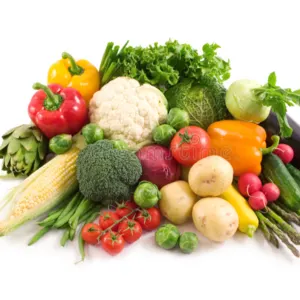
DP RAFTAAR Export Import private limited is registered in Varanasi, Uttar Pradesh, India and currently lists seven active products in its catalogue. The company’s portfolio spans fresh farm produce, agro‑chemical inputs and natural aromatic extracts, reflecting a mix of horticultural and chemical categories that are common in Indian export offerings.
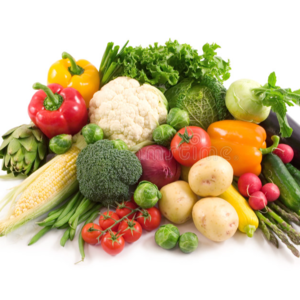
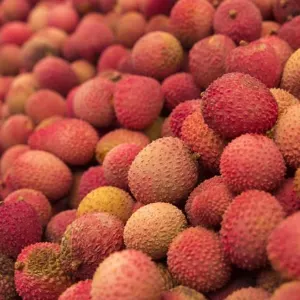
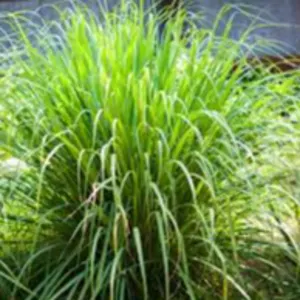
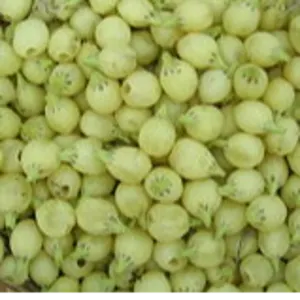
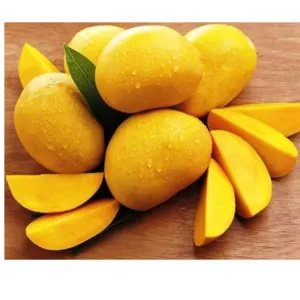
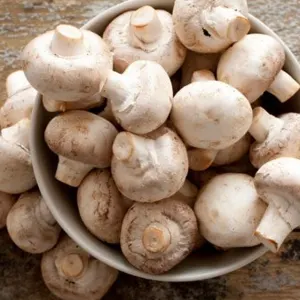
The catalogue records a mixed vegetable selection (HS 0709.90), a compound NPK fertilizer 15‑15‑15 with micronutrients (HS 3105.20), cultivated button mushroom (HS 0709.59), fresh mango fruit (HS 0804.50), plant‑based essential oils such as tea tree and peppermint (HS 3301.29), fresh lemongrass herb (HS 1211.90) and fresh lychee fruit (HS 0810.90). Each entry specifies the material type and the corresponding HS‑code family, providing a clear view of the product set available for international buyers.
Product Range and Specialties of DP RAFTAAR Export Import private limited
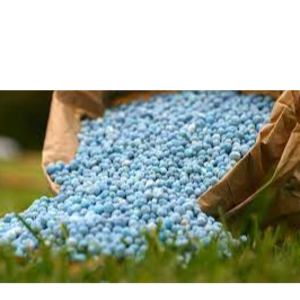
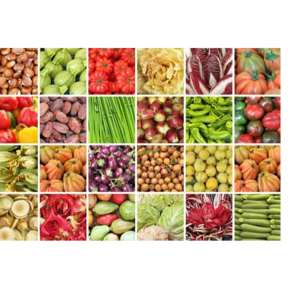
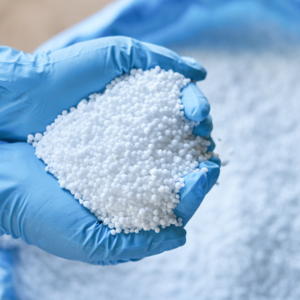
The vegetable line comprises a mixed assortment of Indian field vegetables, typically graded by size, colour and absence of mechanical damage. In the Indian market, mixed vegetables are often classified under IS 2752 and exported with a moisture content below 85 % to meet fresh‑produce standards. The NPK fertilizer is a 15‑15‑15 formulation with added micronutrients such as zinc and iron; standard industry analysis includes total nitrogen, phosphorus pentoxide, potassium oxide and micronutrient percentages, and it is usually supplied in 25 kg bags under the HS 3105 heading.
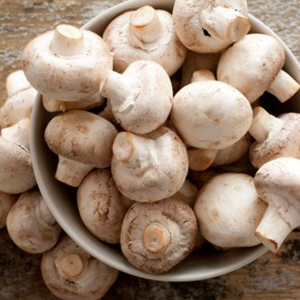
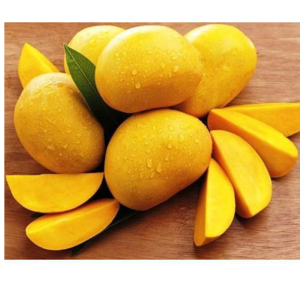
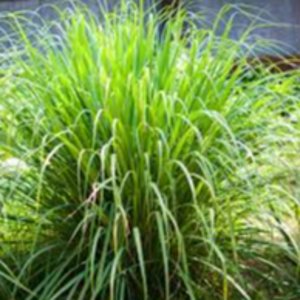
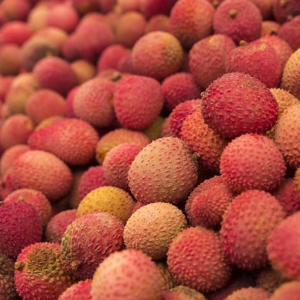
Mushrooms (Agaricus bisporus) are generally sold in fresh packs of 5 - 10 kg with a moisture range of 85‑90 % and a cap diameter of 30‑50 mm. Mangoes from India are exported mainly in the ‘Grade A’ and ‘Grade B’ categories, with a minimum soluble solids content of 12 % Brix and a flesh firmness measured by a penetrometer reading of less than 30 kg cm⁻². Essential oils listed under HS 3301 are typically distilled, with purity levels expressed as a percentage of the main constituent (e.g., tea‑tree oil ≥ 35 % terpinen‑4‑ol). Lemongrass is shipped fresh, usually in 10 kg cartons, with a residual moisture of 70‑80 %. Lychee fruit is exported in the ‘Class I’ category, requiring a minimum fruit weight of 15 g and a Brix of at least 13 %.
Frequently Asked Questions About DP RAFTAAR Export Import private limited
What HS codes are associated with the products offered by DP RAFTAAR?
The mixed vegetables are classified under HS 0709.90, the NPK 15‑15‑15 fertilizer under HS 3105.20, cultivated button mushroom under HS 0709.59, fresh mango under HS 0804.50, plant‑based essential oils under HS 3301.29, fresh lemongrass under HS 1211.90 and fresh lychee under HS 0810.90.
Which quality specifications should a buyer verify for the mango export?
Buyers typically request a Brix reading of at least 12 %, a fruit firmness below 30 kg cm⁻², no visible blemishes, and a phytosanitary certificate confirming compliance with the destination country’s plant‑health regulations.
Are organic certifications available for the listed products?
The supplier is identified as an organic‑tier exporter, but no specific certification documents are listed in the facts. Buyers should ask for the relevant organic certification (e.g., NPOP, EU‑organic) and verify its validity before placing an order.
What documentation is required for the NPK fertilizer shipment?
Standard documentation includes a commercial invoice, packing list, Certificate of Origin, and a laboratory analysis report confirming the 15‑15‑15 nutrient composition and declared micronutrient levels.
What are the typical packaging formats for the fresh herbs and fruits?
Fresh lemongrass and lychee are usually packed in ventilated 10 kg cartons or bulk crates, while mangoes are commonly shipped in 20 kg wooden boxes with internal padding to prevent bruising. All fresh produce is typically loaded in refrigerated containers with temperature controls set between 1 °C and 4 °C.
Varanasi, IndiaRelated Suppliers & Products
Explore similar suppliers, related products and trending categories