Best Herbs — Verified Supplier
About Best Herbs - Herbs Supplier in Egypt
Egypt hosts Best Herbs, a supplier that currently lists 21 active products across several categories. The catalogue spans dried herbs such as Molokhia and parsley, spice seeds including caraway, fennel, cumin, sesame and basil, plant extracts, herbal extracts, paper products derived from mulukhiyah, fresh lemon, and a selection of essential oils. Each entry is recorded under the appropriate HS chapter - for example herbs and spices fall under HS Chapter 09, seeds under HS 1210, fresh fruit under HS 0703, essential oils under HS 3301 and paper products under HS 4811. The supplier’s trust tier is listed as “harbor,” indicating a mid‑level verification level on the platform.
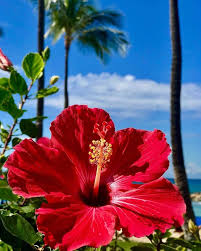
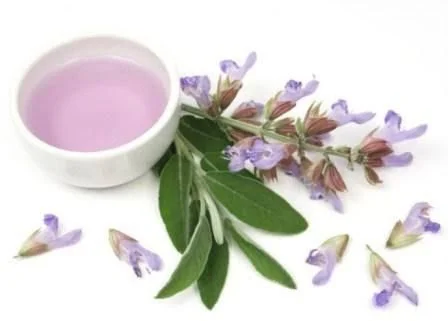
The product list includes items such as Dried Molokhia, Mulukhiyah Dried Leaves (2021 Egyptian), Seeds of Caraway and Fennel, Dried Organic Freekeh, Frankincense Resin, Chamomile, Sage, Hibiscus and Fresh Lemon. These products are typical of Mediterranean and Middle‑Eastern agricultural output, where moisture content for dried herbs is usually limited to 10‑12 % and seed purity standards exceed 98 %. The range also covers paper made from mulukhiyah leaves, a niche product often classified under HS 4811 for paper and paperboard. All items are presented without invented claims about capacity, revenue or client base.
Product Range and Specialties of Best Herbs
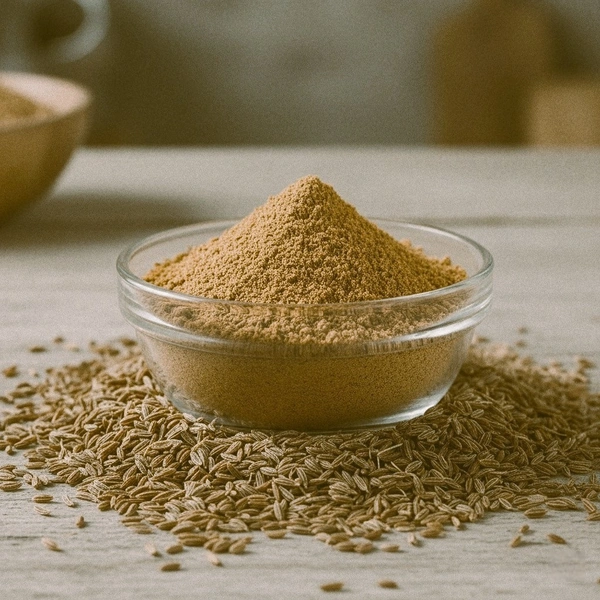
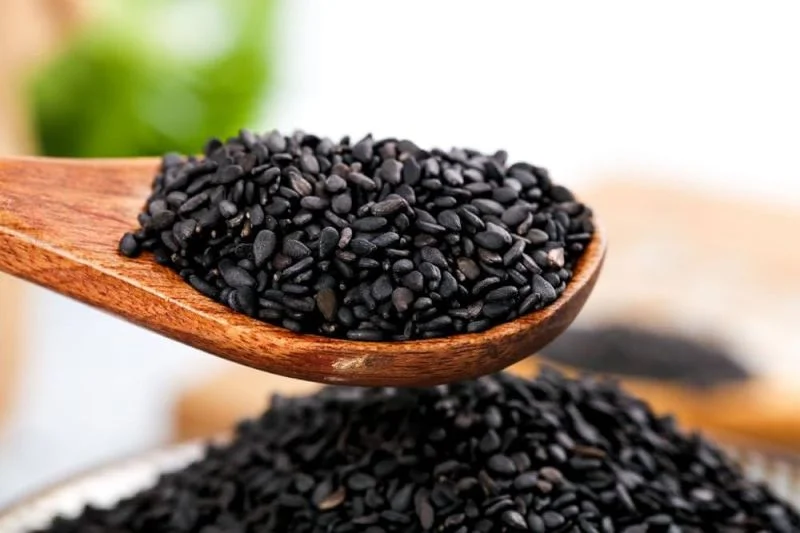
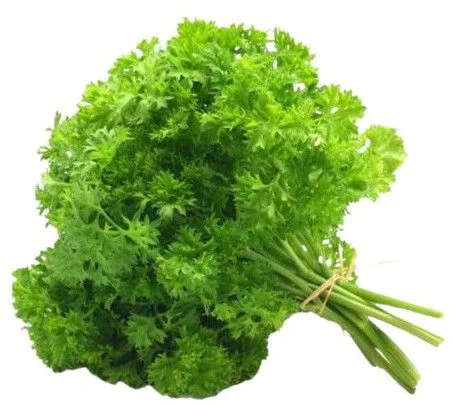
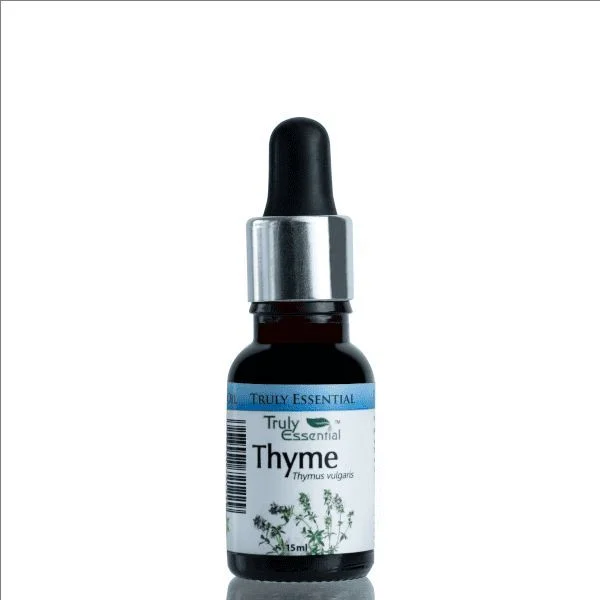
Best Herbs’ catalogue contains specific items such as Dried Molokhia leaves, Mulukhiyah dried paper, Caraway Seeds (2020 production), Fennel Seeds (2020 production), Sesame Seeds, Cumin Seeds, Dried Parsley, Basil, Sage and Hibiscus. In the spice‑seed segment, buyers typically expect oil content specifications (e.g., cumin oil ≥1 %), seed size grading (e.g., caraway 1.5‑2.0 mm), and low microbial counts (≤10 CFU/g). Dried herbs are usually graded by colour, leaf integrity and moisture below 12 %, with ISO 22000 or HACCP compliance being common quality frameworks. Essential oils and plant extracts are often evaluated by GC‑MS profile, ISO 11024 standards and may be supplied in amber glass bottles ranging from 100 ml to 5 L. Paper products derived from mulukhiyah are usually supplied in rolls or sheets, with basis weight measured in GSM (typically 70‑120 g/m²).
Trade and Export Information - Best Herbs
Egypt is a recognized exporter of Mediterranean herbs, spices and related agricultural products, supplying primarily the European Union, the Gulf Cooperation Council, North America and parts of Asia. Export shipments generally use 20‑ft or 40‑ft containers, with dried herbs and seeds packed in food‑grade polyethylene bags (25 kg or 50 kg) and stacked on wooden pallets. Fresh lemon is shipped in refrigerated containers (reefers) with temperature control around 4‑6 °C to preserve acidity and prevent spoilage. Common regulatory requirements include a phytosanitary certificate, a certificate of origin, and a laboratory analysis report for pesticide residues, especially for EU markets that enforce strict maximum residue limits (MRLs).
Sourcing from Best Herbs - Buyer Guidance
When sourcing from Best Herbs, request a product specification sheet that details moisture content, microbial limits, seed purity and oil content where applicable. Obtain a Certificate of Analysis (CoA) for each batch, along with any available organic or HACCP certifications if the buyer requires them. Verify that the shipment will be accompanied by a phytosanitary certificate and that the HS codes used match the product type (e.g., 0901 for herbs, 1210 for seeds, 0703 for fresh lemon). For new suppliers, a 5‑kg sample batch can be requested to conduct independent lab testing before confirming larger orders.
Frequently Asked Questions About Best Herbs
What product categories does Best Herbs offer?
Best Herbs lists items in herbs and spices, spice seeds (caraway, fennel, cumin, sesame), plant and herbal extracts, essential oils, fresh lemon and paper products made from mulukhiyah leaves.
How are dried herbs such as Molokhia packaged for export?
Dried herbs are typically packed in food‑grade polyethylene bags of 25 kg or 50 kg, sealed to protect against moisture, and placed on standard 1200 mm wooden pallets for container loading.
Which certifications are commonly required for Egyptian herbs and seeds?
Buyers usually request a phytosanitary certificate, a certificate of origin, and a laboratory analysis report for pesticide residues. Additional certifications such as ISO 22000, HACCP or organic certification are often asked for depending on the destination market.
What HS codes are relevant for the products listed by Best Herbs?
Typical HS codes include 0901 for dried herbs and spices, 1210 for seed preparations, 0703 for fresh lemon, 3301 for essential oils and 4811 for paper products derived from plant material.
What is the usual minimum order quantity for seed products?
Seed products are frequently sold in increments of 25 kg or 50 kg bags, with a practical minimum order of one bag per seed type unless the buyer negotiates a smaller sample quantity.
What lead time should I expect for fresh lemon shipments?
Fresh lemon shipments from Egypt generally require a lead time of 2‑3 weeks from order confirmation, allowing for harvesting, packing in reefers and container loading.
Are phytosanitary certificates mandatory for all product categories?
Phytosanitary certificates are mandatory for fresh produce such as lemon and are commonly required for dried herbs and seeds destined for the EU, GCC and many Asian markets.
How can I obtain a sample of the essential oils?
Best Herbs can provide a sample bottle ranging from 100 ml to 250 ml upon request; the buyer should specify the oil type and intended use so that the supplier can include a GC‑MS test report with the sample.




 , Egypt