Bajwa Industries — Supplier

About Bajwa Industries - Knitted & Woven Fabrics Supplier in Pakistan

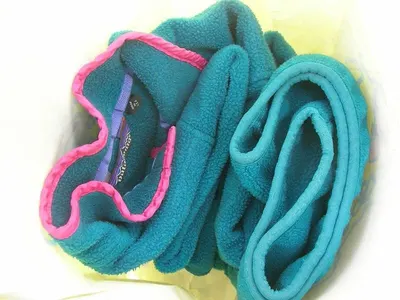
Pakistan, a major textile producer, hosts Bajwa Industries, which lists 12 active products across its catalogue. The company’s listings cover knitted and woven fabrics, including jersey, fleece, cotton‑lycra, and rib knit fabrics. Its product titles include Fleece LSF Fabric, Single Jersey, Pique, Rib, Interlock, Terry Fleece, and others, reflecting a focus on knitwear fabrics. The catalogue groups items under broader categories such as Knitted & Woven Fabrics, Jersey, Fleece Fabric, Cotton Lycra Fabric, and Cotton Rib Knit Fabric. Each entry corresponds to a specific fabric construction used in apparel and sportswear.

The 12 listed items span basic single‑jersey, interlock, rib, and fleece constructions, with variations such as single jersey Lycra and terry fleece. These fabrics are typically produced in weight ranges from 150 g/m² for lightweight jersey to 300 g/m² for heavyweight fleece. Fiber blends include 100 % cotton, cotton‑polyester blends, and cotton‑lycra mixes that deliver stretch and recovery. The supplier’s catalogue does not specify certifications, so buyers should verify compliance with standard textile standards. The product set is positioned for downstream garment manufacturers.

Product Range and Specialties of Bajwa Industries

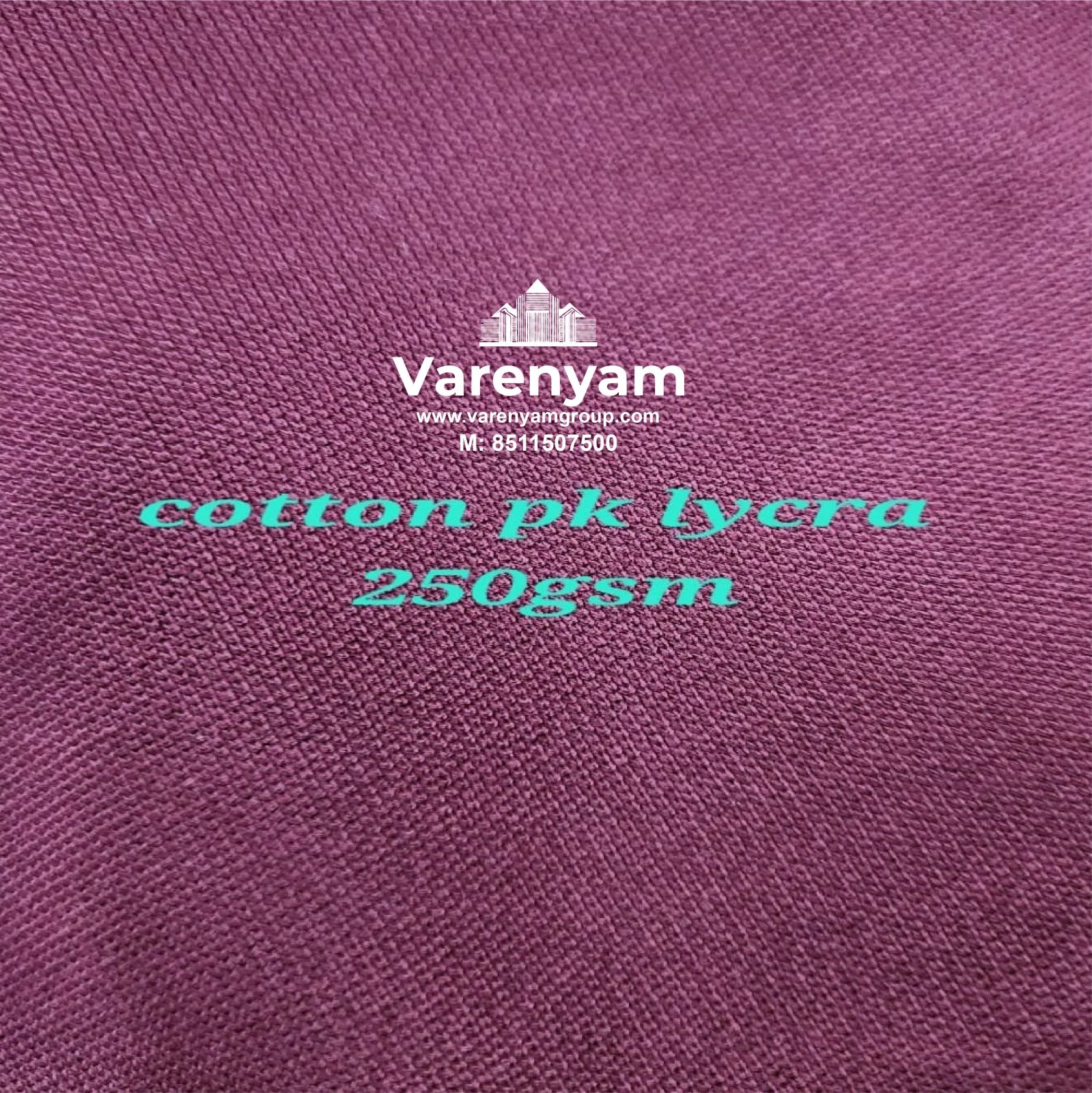
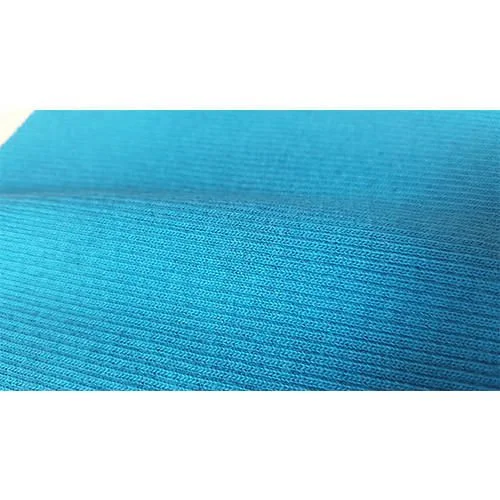
Bajwa Industries lists fabrics such as Fleece LSF Fabric, Single Jersey, Pique, Rib, Interlock, Terry Fleece, and Single Jersey Lycra. In the global knitwear market, fleece fabrics are commonly produced in 260 - 320 g/m² weight with a brushed surface, while single jersey is typically 140 - 180 g/m² and offers a balanced stretch. Pique fabrics are used for polo shirts and usually have a 250 g/m² weight with a textured surface. Rib knit fabrics are employed for cuffs and collars and are often supplied in 180 - 260 g/m² with 1×1 or 2×2 rib constructions. Cotton‑lycra blends generally contain 2 - 5 % lycra for stretch and are graded by stretch recovery percentages and shrinkage tolerances.

Standard specifications for these categories include dimensional stability within ±2 % after washing, colorfastness to rubbing grade 3 - 4, and pilling resistance of grade 4. Buyers often request test reports conforming to ISO 105-C06 for colorfastness and ISO 12945 for pilling. Fabric widths commonly range from 140 cm to 180 cm, and packaging is typically on 25 kg cardboard rolls or folded flat packs for interlock and rib fabrics.

Trade and Export Information - Bajwa Industries

Pakistan is among the top exporters of knitted apparel fabrics, with the majority of shipments routed to the European Union, United States, and Middle Eastern markets. Fabrics such as jersey, fleece, and rib fall under HS Chapter 60 (knitted or crocheted fabrics) and are subject to textile import regulations that may require compliance with REACH, CPSIA, or EU textile labeling directives.

Importers usually request certifications such as Oeko‑Tex Standard 100, ISO 9001 quality management, and test reports for shrinkage, colorfastness, and fiber composition. Logistics for 12‑kg rolls or 25‑kg packed fabrics typically employ 20‑ft containers for bulk orders, with CIF or FOB terms common in South‑Asian trade. Pakistani textile exporters often operate from Karachi ports, benefiting from established freight links to Asia‑Pacific and Europe.

Sourcing from Bajwa Industries - Buyer Guidance

When sourcing from Bajwa Industries, buyers should request a detailed spec sheet that lists GSM, fabric width, fiber blend percentages, and finish treatments. Sample orders of 1 kg or a single roll are standard for evaluating colorfastness, shrinkage, and pilling performance before committing to larger volumes. Verify that the supplier can provide Oeko‑Tex or ISO‑based test certificates and confirm the packaging format (rolled or folded) matches the intended logistics plan.

Typical minimum order quantities for knit fabrics range from 500 kg to 2 tonnes, with lead times of 30 - 45 days after sample approval. Buyers should confirm the container loading plan, accounting for roll dimensions and weight, to avoid over‑packing. Request pre‑shipment inspection reports if required by the destination country’s customs authority.

Frequently Asked Questions About Bajwa Industries

What types of knit fabrics does Bajwa Industries list in its catalogue?

The catalogue includes Fleece LSF Fabric, Single Jersey, Pique, Rib, Interlock, Terry Fleece, Single Jersey Lycra, and related knitwear fabrics. These items cover basic jersey, fleece, rib, interlock and lycra‑blended constructions used in apparel.

Can I obtain a sample before placing a full order?

Yes, standard practice is to request a 1 kg or single‑roll sample for each fabric type. Samples allow verification of GSM, width, colour consistency and performance tests such as shrinkage and pilling.

Which certifications are typically required for knitted fabrics from Pakistan?

Importers often ask for Oeko‑Tex Standard 100 or ISO 9001 certificates, along with test reports for colorfastness (ISO 105-C06) and pilling (ISO 12945). These documents confirm compliance with common textile safety and quality standards.

What are the usual minimum order quantities for these fabrics?

Minimum order quantities generally fall between 500 kg and 2 tonnes per fabric type, depending on the weight and packaging configuration. Larger orders are packed in 20‑ft containers to optimize freight costs.

What is the typical lead time from order confirmation to shipment?

Lead times are commonly 30 to 45 days after sample approval and final specification sign‑off. The period covers fabric knitting, finishing, quality inspection and container loading.

How are the fabrics packaged for export?

Fabrics are usually shipped on 25 kg cardboard rolls or folded flat packs, with widths between 140 cm and 180 cm. Packaging complies with standard container loading practices to prevent damage during transit.

Which markets commonly import these types of knit fabrics?

Key import markets include the European Union, United States, and Middle East, where the fabrics are used for sportswear, casual wear and technical garments. Buyers in these regions typically require compliance with REACH or CPSIA regulations.

What HS code family do these knit fabrics belong to?

Knitted and crocheted fabrics, such as those listed by Bajwa Industries, are classified under HS Chapter 60. Specific sub‑headings depend on fiber composition and fabric construction, but the broader category is 60.XX.


Featured Products from this Supplier

Other Suppliers in Primary Category

Related Products

Trending in Parent Category

More Suppliers in Category

Related Products

Other Suppliers

EximNext
7.1K+ live requirements
Register Free🎁 Reach global buyers
Post Requirement
🌍 Trusted by 225K+ businesses in 200+ countries|
7.1K+ active requirements right now
✉️ [email protected]
|
Sell on EximNextPost Requirement
EximNext
AgricultureApparelConstructionElectronicFoodHomeIndustrialMineralsMiscellaneous
🔥 Deals|✨ AI Match|🏭 Suppliers|📋 Buy Leads|💰 Trade Finance
7.1K+ live RFQs·194.8K+ suppliers
🎁 Reach global buyers →
EximNext
EximNext
Register Free
🎁 Reach global buyers
Sign In
📋Post Requirement💬Get Quotes✨AI Match📋RFQ Marketplace
All Categories
Services & Tools
🏭Supplier Directory🔥Today's Deals💰Trade Finance
Sell on EximNext →
AboutContactBlogHelp
Apparel & Home  ·  Pakistan
12
products listed

Bajwa Industries

⚓ Harbor
Country flag , PakistanNew supplier / no reviews yet
🛡️
55/100
Trust Score

Bajwa Industries Product Catalog

Showing 12 of 12 products
View all products →
Fleece LSF Fabric
⚓ Harbor
Fleece LSF Fabric
Contact
MOQ: 1 Unit
Single Jersey, Fleece, Pique, Rib, Interlock
⚓ Harbor
Single Jersey, Fleece, Pique, Rib, Interlock
Contact
MOQ: 1 Unit
Knitwear Fabric
⚓ Harbor
Knitwear Fabric
Contact
MOQ: 1 Unit
Fleece, Single Jersey, Interlock, Rib, etc
⚓ Harbor
Fleece, Single Jersey, Interlock, Rib, etc
Contact
MOQ: 1 Unit
Fleece Fabric
⚓ Harbor
Fleece Fabric
Contact
MOQ: 1 Unit
Rib Ribbed Fabric
⚓ Harbor
Rib Ribbed Fabric
Contact
MOQ: 1 Unit
Single Jersey Fabric
⚓ Harbor
Single Jersey Fabric
Contact
MOQ: 1 Unit
Pique Fabric
⚓ Harbor
Pique Fabric
Contact
MOQ: 1 Unit
Interlock Fabric
⚓ Harbor
Interlock Fabric
Contact
MOQ: 1 Unit
Terry Fleece Fabric
⚓ Harbor
Terry Fleece Fabric
Contact
MOQ: 1 Unit
Single Jersey Lycra
⚓ Harbor
Single Jersey Lycra
Contact
MOQ: 1 Unit
Rib Fabric
⚓ Harbor
Rib Fabric
Contact
MOQ: 1 Unit

About Bajwa Industries - Knitted & Woven Fabrics Supplier in Pakistan

Pakistan, a major textile producer, hosts Bajwa Industries, which lists 12 active products across its catalogue. The company’s listings cover knitted and woven fabrics, including jersey, fleece, cotton‑lycra, and rib knit fabrics. Its product titles include Fleece LSF Fabric, Single Jersey, Pique, Rib, Interlock, Terry Fleece, and others, reflecting a focus on knitwear fabrics. The catalogue groups items under broader categories such as Knitted & Woven Fabrics, Jersey, Fleece Fabric, Cotton Lycra Fabric, and Cotton Rib Knit Fabric. Each entry corresponds to a specific fabric construction used in apparel and sportswear.

The 12 listed items span basic single‑jersey, interlock, rib, and fleece constructions, with variations such as single jersey Lycra and terry fleece. These fabrics are typically produced in weight ranges from 150 g/m² for lightweight jersey to 300 g/m² for heavyweight fleece. Fiber blends include 100 % cotton, cotton‑polyester blends, and cotton‑lycra mixes that deliver stretch and recovery. The supplier’s catalogue does not specify certifications, so buyers should verify compliance with standard textile standards. The product set is positioned for downstream garment manufacturers.

Product Range and Specialties of Bajwa Industries

Bajwa Industries lists fabrics such as Fleece LSF Fabric, Single Jersey, Pique, Rib, Interlock, Terry Fleece, and Single Jersey Lycra. In the global knitwear market, fleece fabrics are commonly produced in 260 - 320 g/m² weight with a brushed surface, while single jersey is typically 140 - 180 g/m² and offers a balanced stretch. Pique fabrics are used for polo shirts and usually have a 250 g/m² weight with a textured surface. Rib knit fabrics are employed for cuffs and collars and are often supplied in 180 - 260 g/m² with 1×1 or 2×2 rib constructions. Cotton‑lycra blends generally contain 2 - 5 % lycra for stretch and are graded by stretch recovery percentages and shrinkage tolerances.

Standard specifications for these categories include dimensional stability within ±2 % after washing, colorfastness to rubbing grade 3 - 4, and pilling resistance of grade 4. Buyers often request test reports conforming to ISO 105-C06 for colorfastness and ISO 12945 for pilling. Fabric widths commonly range from 140 cm to 180 cm, and packaging is typically on 25 kg cardboard rolls or folded flat packs for interlock and rib fabrics.

Trade and Export Information - Bajwa Industries

Pakistan is among the top exporters of knitted apparel fabrics, with the majority of shipments routed to the European Union, United States, and Middle Eastern markets. Fabrics such as jersey, fleece, and rib fall under HS Chapter 60 (knitted or crocheted fabrics) and are subject to textile import regulations that may require compliance with REACH, CPSIA, or EU textile labeling directives.

Importers usually request certifications such as Oeko‑Tex Standard 100, ISO 9001 quality management, and test reports for shrinkage, colorfastness, and fiber composition. Logistics for 12‑kg rolls or 25‑kg packed fabrics typically employ 20‑ft containers for bulk orders, with CIF or FOB terms common in South‑Asian trade. Pakistani textile exporters often operate from Karachi ports, benefiting from established freight links to Asia‑Pacific and Europe.

Sourcing from Bajwa Industries - Buyer Guidance

When sourcing from Bajwa Industries, buyers should request a detailed spec sheet that lists GSM, fabric width, fiber blend percentages, and finish treatments. Sample orders of 1 kg or a single roll are standard for evaluating colorfastness, shrinkage, and pilling performance before committing to larger volumes. Verify that the supplier can provide Oeko‑Tex or ISO‑based test certificates and confirm the packaging format (rolled or folded) matches the intended logistics plan.

Typical minimum order quantities for knit fabrics range from 500 kg to 2 tonnes, with lead times of 30 - 45 days after sample approval. Buyers should confirm the container loading plan, accounting for roll dimensions and weight, to avoid over‑packing. Request pre‑shipment inspection reports if required by the destination country’s customs authority.

Frequently Asked Questions About Bajwa Industries

What types of knit fabrics does Bajwa Industries list in its catalogue?

The catalogue includes Fleece LSF Fabric, Single Jersey, Pique, Rib, Interlock, Terry Fleece, Single Jersey Lycra, and related knitwear fabrics. These items cover basic jersey, fleece, rib, interlock and lycra‑blended constructions used in apparel.

Can I obtain a sample before placing a full order?

Yes, standard practice is to request a 1 kg or single‑roll sample for each fabric type. Samples allow verification of GSM, width, colour consistency and performance tests such as shrinkage and pilling.

Which certifications are typically required for knitted fabrics from Pakistan?

Importers often ask for Oeko‑Tex Standard 100 or ISO 9001 certificates, along with test reports for colorfastness (ISO 105-C06) and pilling (ISO 12945). These documents confirm compliance with common textile safety and quality standards.

What are the usual minimum order quantities for these fabrics?

Minimum order quantities generally fall between 500 kg and 2 tonnes per fabric type, depending on the weight and packaging configuration. Larger orders are packed in 20‑ft containers to optimize freight costs.

What is the typical lead time from order confirmation to shipment?

Lead times are commonly 30 to 45 days after sample approval and final specification sign‑off. The period covers fabric knitting, finishing, quality inspection and container loading.

How are the fabrics packaged for export?

Fabrics are usually shipped on 25 kg cardboard rolls or folded flat packs, with widths between 140 cm and 180 cm. Packaging complies with standard container loading practices to prevent damage during transit.

Which markets commonly import these types of knit fabrics?

Key import markets include the European Union, United States, and Middle East, where the fabrics are used for sportswear, casual wear and technical garments. Buyers in these regions typically require compliance with REACH or CPSIA regulations.

What HS code family do these knit fabrics belong to?

Knitted and crocheted fabrics, such as those listed by Bajwa Industries, are classified under HS Chapter 60. Specific sub‑headings depend on fiber composition and fabric construction, but the broader category is 60.XX.

About Bajwa Industries - Knitted & Woven Fabrics Supplier in Pakistan

Pakistan, a major textile producer, hosts Bajwa Industries, which lists 12 active products across its catalogue. The company’s listings cover knitted and woven fabrics, including jersey, fleece, cotton‑lycra, and rib knit fabrics. Its product titles include Fleece LSF Fabric, Single Jersey, Pique, Rib, Interlock, Terry Fleece, and others, reflecting a focus on knitwear fabrics. The catalogue groups items under broader categories such as Knitted & Woven Fabrics, Jersey, Fleece Fabric, Cotton Lycra Fabric, and Cotton Rib Knit Fabric. Each entry corresponds to a specific fabric construction used in apparel and sportswear.

The 12 listed items span basic single‑jersey, interlock, rib, and fleece constructions, with variations such as single jersey Lycra and terry fleece. These fabrics are typically produced in weight ranges from 150 g/m² for lightweight jersey to 300 g/m² for heavyweight fleece. Fiber blends include 100 % cotton, cotton‑polyester blends, and cotton‑lycra mixes that deliver stretch and recovery. The supplier’s catalogue does not specify certifications, so buyers should verify compliance with standard textile standards. The product set is positioned for downstream garment manufacturers.

Product Range and Specialties of Bajwa Industries

Bajwa Industries lists fabrics such as Fleece LSF Fabric, Single Jersey, Pique, Rib, Interlock, Terry Fleece, and Single Jersey Lycra. In the global knitwear market, fleece fabrics are commonly produced in 260 - 320 g/m² weight with a brushed surface, while single jersey is typically 140 - 180 g/m² and offers a balanced stretch. Pique fabrics are used for polo shirts and usually have a 250 g/m² weight with a textured surface. Rib knit fabrics are employed for cuffs and collars and are often supplied in 180 - 260 g/m² with 1×1 or 2×2 rib constructions. Cotton‑lycra blends generally contain 2 - 5 % lycra for stretch and are graded by stretch recovery percentages and shrinkage tolerances.

Standard specifications for these categories include dimensional stability within ±2 % after washing, colorfastness to rubbing grade 3 - 4, and pilling resistance of grade 4. Buyers often request test reports conforming to ISO 105-C06 for colorfastness and ISO 12945 for pilling. Fabric widths commonly range from 140 cm to 180 cm, and packaging is typically on 25 kg cardboard rolls or folded flat packs for interlock and rib fabrics.

Trade and Export Information - Bajwa Industries

Pakistan is among the top exporters of knitted apparel fabrics, with the majority of shipments routed to the European Union, United States, and Middle Eastern markets. Fabrics such as jersey, fleece, and rib fall under HS Chapter 60 (knitted or crocheted fabrics) and are subject to textile import regulations that may require compliance with REACH, CPSIA, or EU textile labeling directives.

Importers usually request certifications such as Oeko‑Tex Standard 100, ISO 9001 quality management, and test reports for shrinkage, colorfastness, and fiber composition. Logistics for 12‑kg rolls or 25‑kg packed fabrics typically employ 20‑ft containers for bulk orders, with CIF or FOB terms common in South‑Asian trade. Pakistani textile exporters often operate from Karachi ports, benefiting from established freight links to Asia‑Pacific and Europe.

Sourcing from Bajwa Industries - Buyer Guidance

When sourcing from Bajwa Industries, buyers should request a detailed spec sheet that lists GSM, fabric width, fiber blend percentages, and finish treatments. Sample orders of 1 kg or a single roll are standard for evaluating colorfastness, shrinkage, and pilling performance before committing to larger volumes. Verify that the supplier can provide Oeko‑Tex or ISO‑based test certificates and confirm the packaging format (rolled or folded) matches the intended logistics plan.

Typical minimum order quantities for knit fabrics range from 500 kg to 2 tonnes, with lead times of 30 - 45 days after sample approval. Buyers should confirm the container loading plan, accounting for roll dimensions and weight, to avoid over‑packing. Request pre‑shipment inspection reports if required by the destination country’s customs authority.

Frequently Asked Questions About Bajwa Industries
What types of knit fabrics does Bajwa Industries list in its catalogue?
The catalogue includes Fleece LSF Fabric, Single Jersey, Pique, Rib, Interlock, Terry Fleece, Single Jersey Lycra, and related knitwear fabrics. These items cover basic jersey, fleece, rib, interlock and lycra‑blended constructions used in apparel.
Can I obtain a sample before placing a full order?
Yes, standard practice is to request a 1 kg or single‑roll sample for each fabric type. Samples allow verification of GSM, width, colour consistency and performance tests such as shrinkage and pilling.
Which certifications are typically required for knitted fabrics from Pakistan?
Importers often ask for Oeko‑Tex Standard 100 or ISO 9001 certificates, along with test reports for colorfastness (ISO 105-C06) and pilling (ISO 12945). These documents confirm compliance with common textile safety and quality standards.
What are the usual minimum order quantities for these fabrics?
Minimum order quantities generally fall between 500 kg and 2 tonnes per fabric type, depending on the weight and packaging configuration. Larger orders are packed in 20‑ft containers to optimize freight costs.
What is the typical lead time from order confirmation to shipment?
Lead times are commonly 30 to 45 days after sample approval and final specification sign‑off. The period covers fabric knitting, finishing, quality inspection and container loading.
How are the fabrics packaged for export?
Fabrics are usually shipped on 25 kg cardboard rolls or folded flat packs, with widths between 140 cm and 180 cm. Packaging complies with standard container loading practices to prevent damage during transit.
Which markets commonly import these types of knit fabrics?
Key import markets include the European Union, United States, and Middle East, where the fabrics are used for sportswear, casual wear and technical garments. Buyers in these regions typically require compliance with REACH or CPSIA regulations.
What HS code family do these knit fabrics belong to?
Knitted and crocheted fabrics, such as those listed by Bajwa Industries, are classified under HS Chapter 60. Specific sub‑headings depend on fiber composition and fabric construction, but the broader category is 60.XX.

Bajwa Industries
Country flag Pakistan
⚓ HarborApparel & Home
55/100
Trust Score
12
Products
✓ Free to contact — no commission
✓ Escrow payment available
✓ Verified business identity
Compare more suppliers
Post a requirement — get 10 quotes free
Let verified suppliers compete for your business. Free, fast, no commitment.
Due Diligence
Verify this supplier's real shipping history.
Every shipment, every buyer, every port. Trade data that can't be faked.
Run due diligence →
Discover More

Related Suppliers & Products

Explore similar suppliers, related products and trending categories

Featured Products from this Supplier

Other Suppliers in Primary Category

Related Products

Trending in Parent Category

More Suppliers in Category

Stay ahead in global trade
Weekly market insights & new supplier alerts.
EximNext
Exim Next is a leading global B2B marketplace, connecting over 220,000 registered suppliers and buyers across 200+ countries. As a trusted import export marketplace, it serves as the essential B2B portal for businesses worldwide, empowering them to expand their international reach. With Exim Next, businesses can trade smarter and grow faster.
SECURE PAYMENTS
VISAMastercardPayPalSWIFTL/CEscrow
Follow us
© 2026 EximNext