Babuana Trading Private Limited — Verified Supplier
About Babuana Trading Private Limited - Indian Sweets, Sarees and Fresh Produce Supplier in India
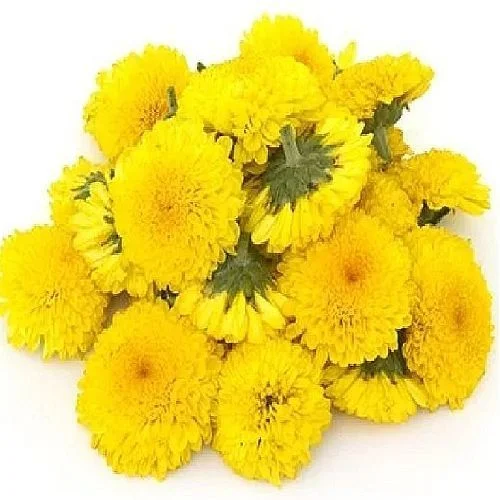
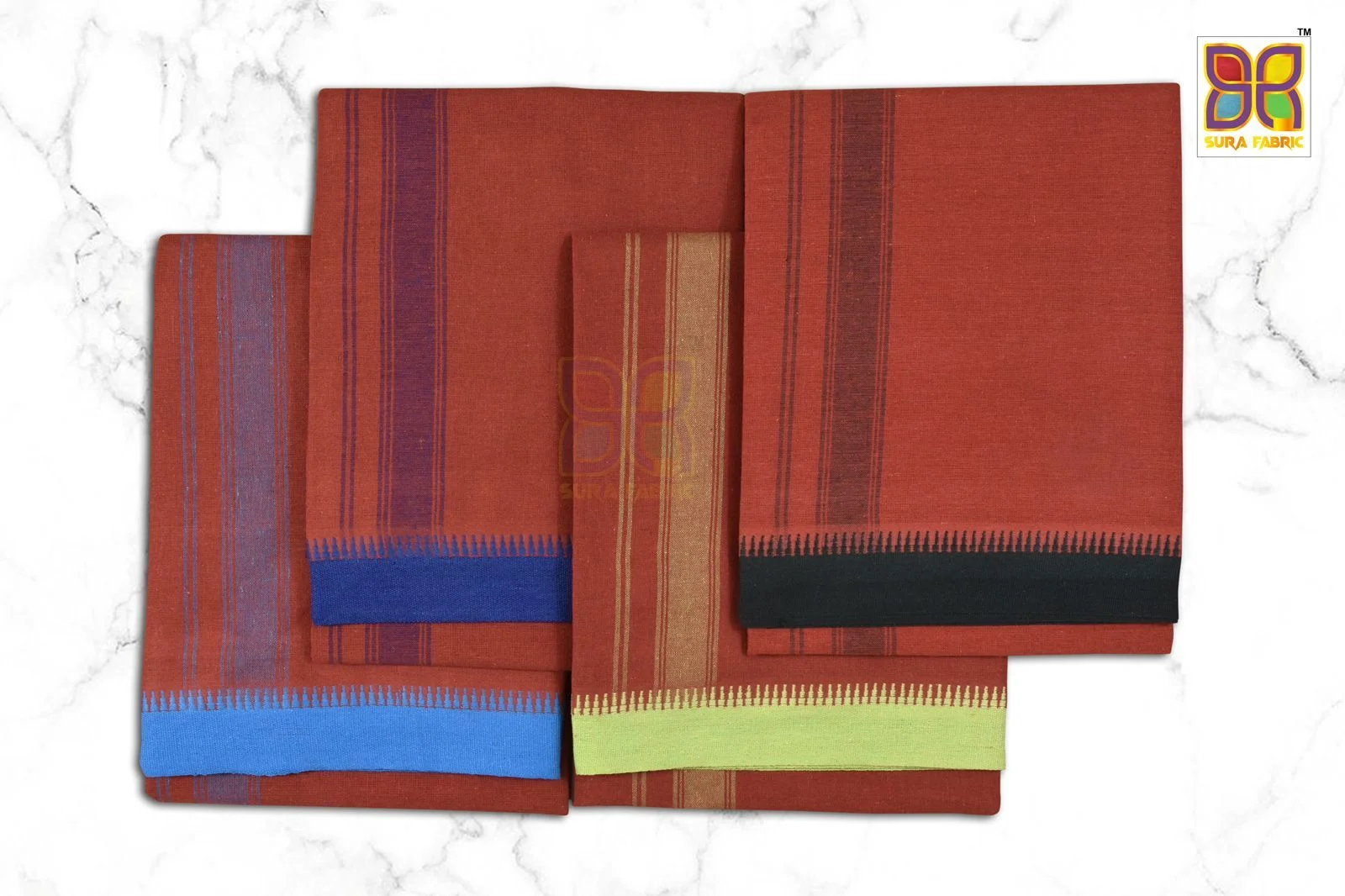
Babuana Trading Private Limited is an India-based exporter listing 13 active products that span three distinct categories: Indian traditional sweets and namkeen, handloom textiles, and fresh vegetables and flowers. The catalogue covers Bengali Pure Cotton Tant Sarees and Madur Mats alongside food items such as Rasgulla, generic Indian sweets, jaggery, non-basmati rice, fresh green chilli, fresh okra (lady finger), fresh green beans, fresh pumpkin, fresh cabbage, red rose and marigold flowers. The fresh produce items fall under HS code 0708.20 for shelled or unshelled beans (leguminous vegetables), with the balance of fresh vegetables typically classified in HS chapter 07 (edible vegetables and certain roots and tubers) and the textile items in HS chapters 50-52 depending on fibre composition. The mix reflects a multi-line Indian sourcing model that combines agricultural perishables with traditional processed foods and handloom goods, all of which are categories where India holds established domestic production and a recognised export footprint.
The supplier is classified at the harbor trust tier and operates out of India, drawing on categories where the country is a structural exporter: West Bengal and the eastern states for Tant sarees and Madur mats, Uttar Pradesh and West Bengal for jaggery and traditional sweets, and multiple Indian states for non-basmati rice and fresh vegetables. Non-basmati rice exports from India are dominated by long-grain parboiled and white varieties shipped in 25 kg and 50 kg PP bags or 1 MT jumbo bags, while Indian fresh chilli, okra and cabbage are typically air-freighted or reefer-shipped to keep transit loss low. The combination of processed shelf-stable foods (sweets, jaggery, rice), perishable fresh produce, and handloom textiles gives the catalogue a mixed shelf-life profile that affects both packaging choices and the logistics mode a buyer should expect for each line.
Product Range and Specialties of Babuana Trading Private Limited
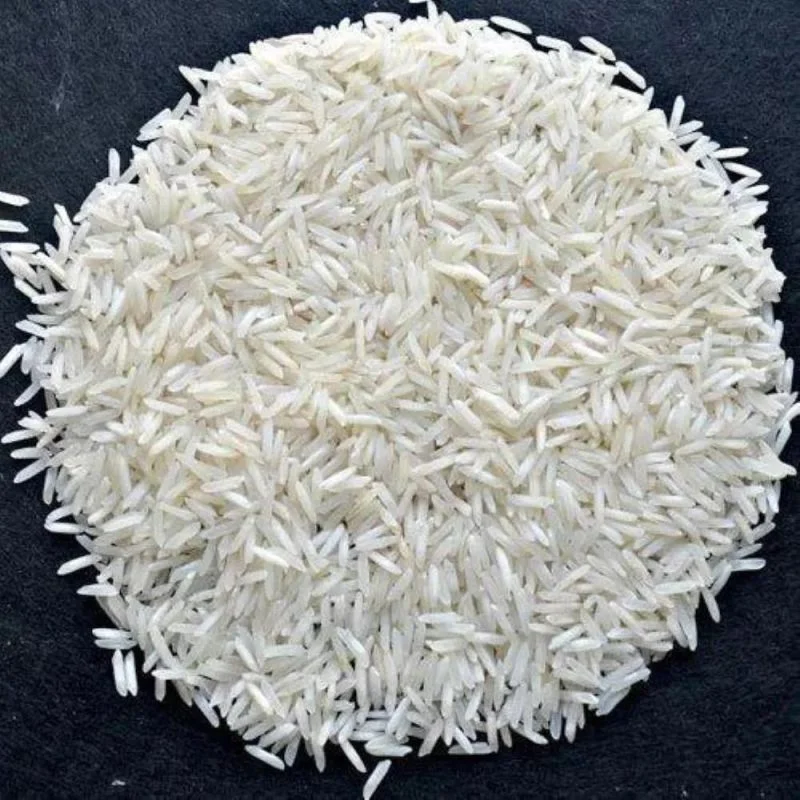
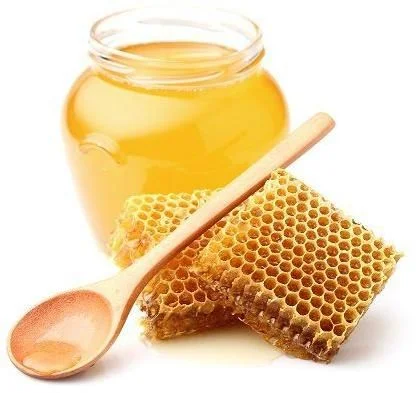
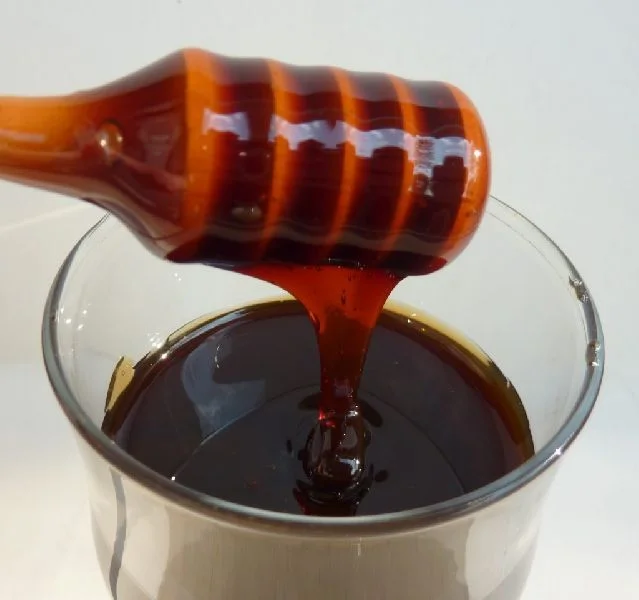
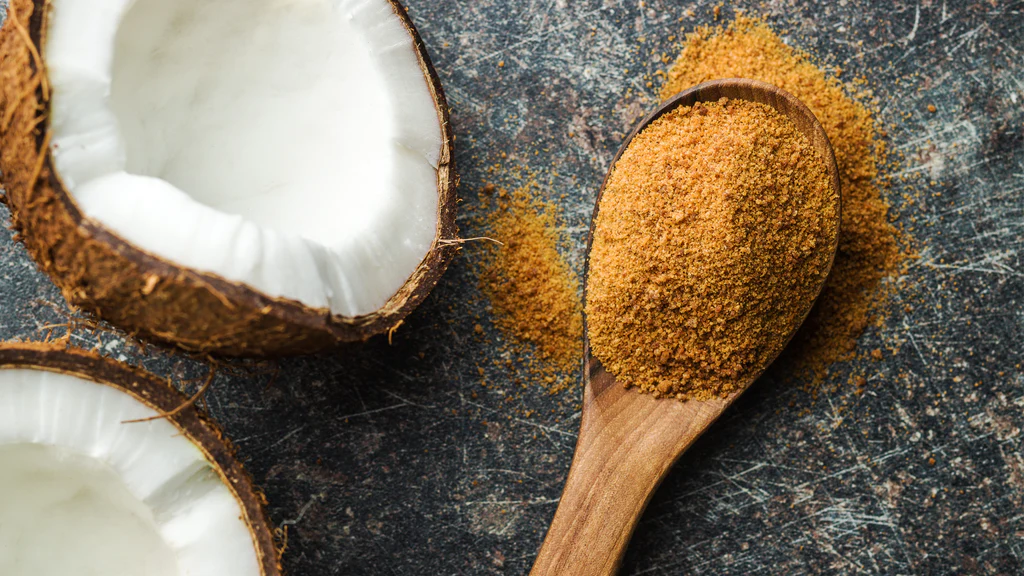
The catalogue divides cleanly into three blocks. The textile block consists of Bengali Pure Cotton Tant Sarees, a traditional handwoven cotton drape from West Bengal typically made on pit looms in 100% cotton, and Madur Mats, a reed mat craft from the Medinipur district usually woven from a sedge grass (Madurkathi) and sold in standard roll sizes. The food block covers Rasgulla (a chhena-based syrup-soaked sweet, traditionally packed in tin or food-grade plastic pails), generic Indian sweets, jaggery (unrefined cane sugar sold as solid blocks, powder or liquid, with typical grades differentiated by colour and moisture content), and non-basmati rice (Indian broken and full-grain white and parboiled varieties, commonly shipped to African and Asian markets). The fresh produce block covers green chilli (Capsicum annuum), okra (Abelmoschus esculentus), green beans (Phaseolus vulgaris, HS 0708.20), pumpkin (Cucurbita spp.), cabbage (Brassica oleracea var. capitata), and cut flowers including red rose and marigold.
Buyers sourcing these categories from India should expect standard grade specifications that are widely traded: for non-basmati rice, common grades include IR-36, IR-64, Sona Masuri and PR-11/PR-14 with grain length typically 5.2-6.0 mm for short and 6.0-6.8 mm for long-slender varieties, and broken percentages ranging from 5% to 25%. For fresh vegetables, Indian export lots are typically graded under AGMARK or buyer-specific specifications covering size, colour uniformity, defects and shelf life, with okra usually packed in 5 kg or 10 kg corrugated cartons and chillies in 4-5 kg cartons lined with perforated poly. Tant sarees are commonly traded in standard 5.5 m sari lengths with or without a blouse piece, while Madur mats are sold in rolls of approximately 1.8 m width and cut lengths. Jaggery lots typically report a sucrose content of 65-80% with moisture in the 5-10% range depending on form.
Trade and Export Information - Babuana Trading Private Limited
Indian exporters of mixed food, textile and fresh produce categories typically ship to three main buyer regions: the Middle East and GCC countries for fresh vegetables and rice, African markets (particularly East and West Africa) for non-basmati rice and traditional Indian sweets, and South Asian diaspora markets in the UK, US, Canada and Australia for sweets, jaggery, sarees and ethnic groceries. Non-basmati rice is generally exported under HS code 1006.39 (other milled rice) or 1006.30 (semi-milled or wholly milled rice), while fresh vegetables fall under HS chapter 07 and cut flowers under HS chapter 06. Indian sweets and jaggery are typically exported under HS chapter 17 (sugars and sugar confectionery) with jaggery commonly classified under 1701.13 or 1701.14 and traditional sugar-based sweets under 1704.90. Handloom cotton sarees and reed mats are usually exported under HS chapters 5007 (woven fabrics of silk or silk waste), 5208-5212 (woven cotton fabrics) or 4601 (plaited articles and mats).
For these categories, buyers typically require a standard export document pack: phytosanitary certificates for fresh produce from India's Plant Quarantine authority, AGMARK or equivalent grade certificates for rice and vegetables, a certificate of origin (often under a preferential scheme such as India's GSP or bilateral FTA), fumigation and ISPM-15 compliance for any wooden or palletised packaging, and a health/fitness certificate from FSSAI or an FSSAI-recognised lab for food items. Fresh produce is normally shipped by air in 20 ft reefer containers or by refrigerated ocean container at 8-12 degrees C depending on the commodity, while rice, sweets, jaggery and textiles move by standard dry container in 20 ft or 40 ft FCL loads. Incoterms typically used in this trade include FOB Indian port (Mundra, Nhava Sheva, Kolkata, Chennai), CIF and CFR depending on the buyer's preference. Buyers of fresh flowers and vegetables should expect a typical transit shelf life of 5-10 days under proper cold chain, while shelf-stable items like jaggery, sweets and rice carry commercial shelf lives of 6-12 months or longer when stored cool and dry.
Sourcing from Babuana Trading Private Limited - Buyer Guidance
When sourcing from Babuana Trading Private Limited, buyers should request category-specific documentation before confirming any order: for fresh vegetables, a current phytosanitary certificate and a residue/MRL test report covering the destination market's limits (the EU, Gulf and US each apply different maximum residue limits); for rice, a SGS or Bureau Veritas pre-shipment inspection report stating variety, grain length, broken percentage, moisture (typically below 14%) and admixture; for sweets and jaggery, an FSSAI licence copy and a microbiological and moisture test report; and for textiles, a fibre-content test and, where relevant, an OEKO-TEX or buyer-required compliance certificate. A pre-shipment inspection covering count, weight, packing and visual quality is standard practice for all three categories. Samples should be requested for fresh produce (typically 1-2 kg per grade), rice (1-5 kg per lot), sweets and jaggery (500 g to 1 kg sealed retail-style packs) and textiles (cut swatches plus a full piece).
Buyers should confirm MOQ per line item, the per-carton or per-bag pack weight, the harvest or manufacturing date for perishables, the named production state or district for sarees and mats, and the intended port of loading. For fresh produce, ask for the cold-chain plan from pack house to port and the expected transit temperature log; for rice, ask for the variety name and broken percentage in writing; for sweets, confirm shelf life, ingredient declaration and whether the product is vegetarian (most Indian sweets are, but certification wording varies by destination). Verification signals to look for include a consistent FSSAI number across food items, matching IEC code on customs documents, and the ability to share recent shipment references or buyer test reports on request.
Frequently Asked Questions About Babuana Trading Private Limited
What product categories does Babuana Trading Private Limited list?
The supplier lists 13 active products across three blocks: Indian sweets and namkeens (Rasgulla, generic sweets, jaggery), handloom textiles (Bengali Pure Cotton Tant Saree, Madur Mat), and fresh produce and flowers (green chilli, okra, green beans, pumpkin, cabbage, red rose, marigold), plus non-basmati rice.
Which HS code applies to the fresh green beans in this catalogue?
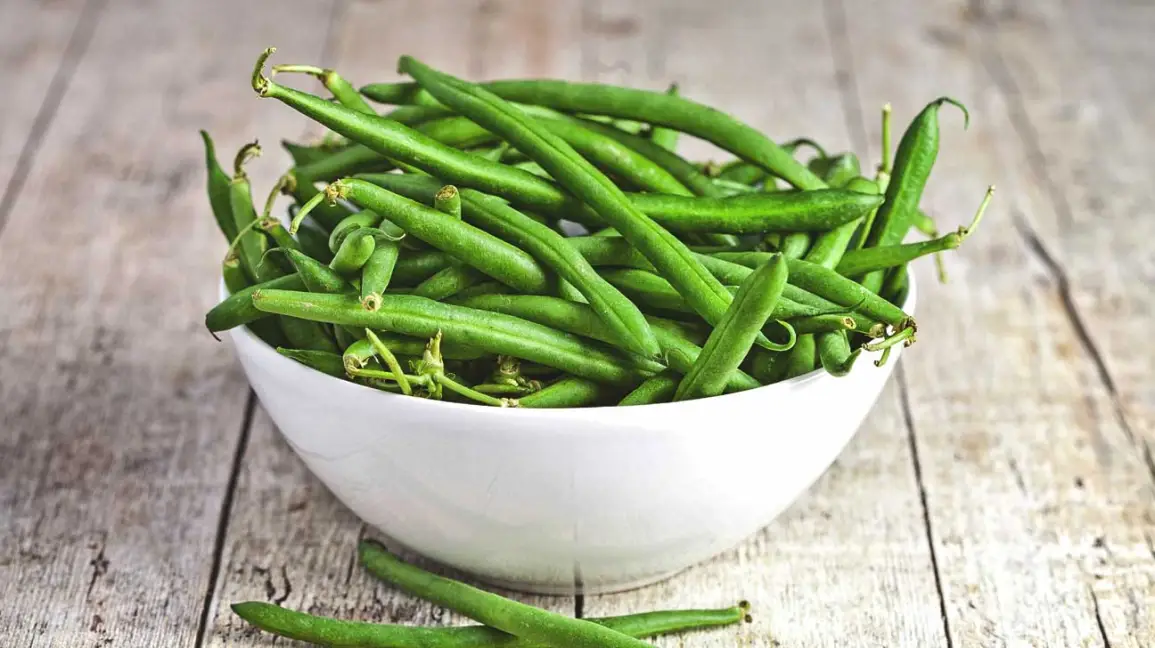
Fresh green beans (Phaseolus vulgaris) are listed under HS code 0708.20, which covers leguminous vegetables, shelled or unshelled, fresh or chilled. Other fresh vegetables in the catalogue fall under HS chapter 07 but no specific subheading has been provided for them.
What documents should I request before placing an order for the food items?
Request an FSSAI licence copy, a health/fitness or microbiological test report, an ingredient and shelf-life declaration, a certificate of origin, and for rice, a pre-shipment inspection report stating variety, grain length, broken percentage and moisture. Phytosanitary certification is required for fresh produce.
What packaging and shipping norms apply to these product categories?
Rice is typically shipped in 25 kg or 50 kg PP bags or 1 MT jumbo bags in 20 ft or 40 ft FCL, fresh vegetables in 4-10 kg corrugated cartons under cold chain at 8-12 degrees C, sweets in food-grade pails or sealed retail packs, and sarees and mats in folded or rolled form in woven sacks or cartons. Incoterms commonly used are FOB Indian port, CIF and CFR.
What quality parameters are typical for Indian non-basmati rice exports?
Common export grades include IR-36, IR-64, Sona Masuri and PR-11/PR-14, with grain length from about 5.2 mm (short) to 6.8 mm (long-slender), broken percentages typically 5-25%, moisture below 14%, and admixture below 1-3% depending on grade and buyer specification.
How should I verify freshness and shelf life for the fresh vegetables and flowers?
Ask for the harvest date, the cold-chain plan from pack house to port, expected transit temperature, and a current phytosanitary certificate. For cut flowers like rose and marigold, confirm packing in bunches of 10 or 20 stems in corrugated cartons with water tubes or poly liners, and target a total transit time of under 5-7 days.
What is the typical shelf life of the sweets and jaggery in this catalogue?
Rasgulla in syrup typically carries a commercial shelf life of 6-12 months in sealed tin or food-grade pail packaging, while solid jaggery blocks or powder can keep 9-12 months when stored cool and dry below 25 degrees C. Always confirm the printed best-before date and ingredient declaration per shipment.
What should I confirm about the Tant saree and Madur mat before ordering?
Confirm the fibre content (pure cotton for Tant, Madurkathi reed for the mat), the sari length (traditionally 5.5 m plus a blouse piece), the mat dimensions and roll length, the loom origin (typically West Bengal for both), and request a handloom mark or GI documentation if your market requires authenticity proof.




 , India