Anshan Ketong Machinery Processing Company — Verified Supplier
About Anshan Ketong Machinery Processing Company - Steel Bars Supplier in China
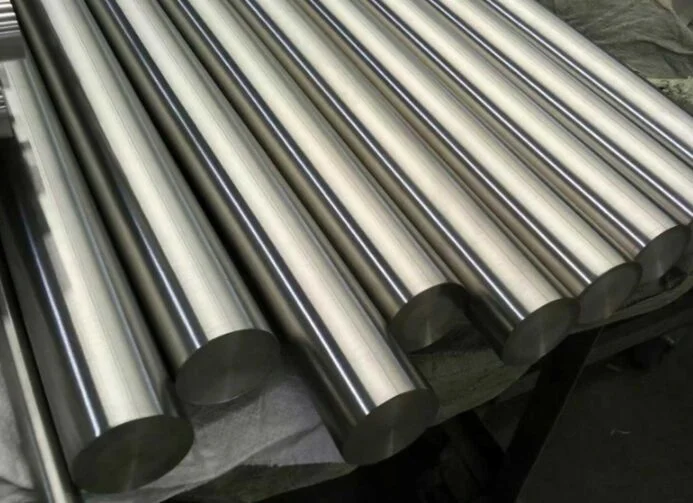
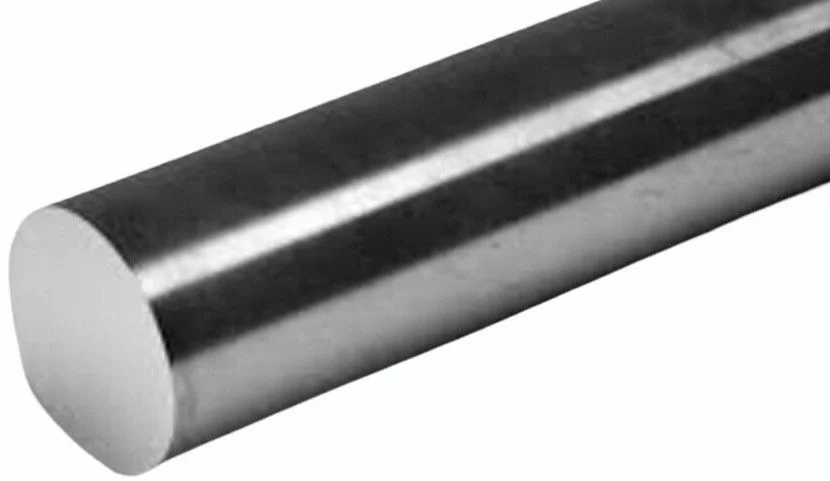
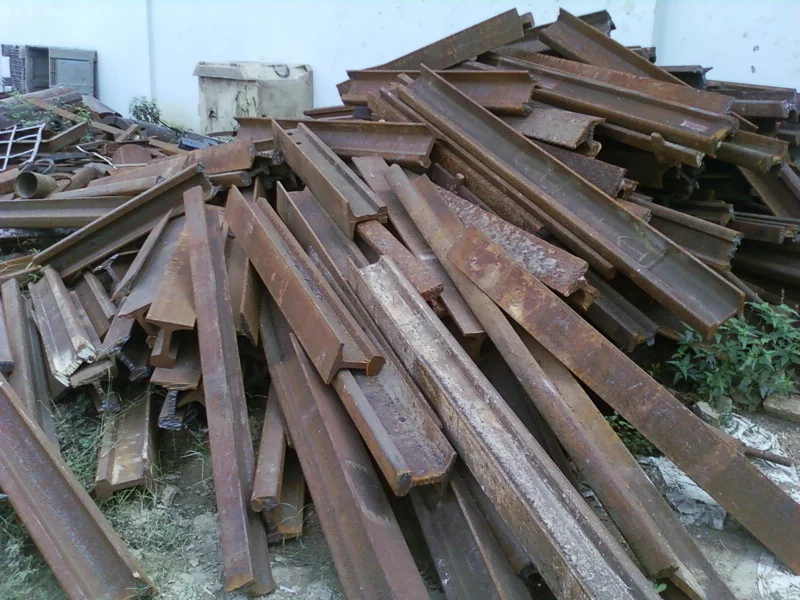
Anshan Ketong Machinery Processing Company is based in China and currently lists five active products in its catalogue. The company’s top categories include Steel Bars, Heavy Machinery, Steel Plates and Steel Pipes, reflecting a focus on structural steel and processing equipment. Its catalogue contains a rolling mill (HS 8455.21) built with carbon and alloy steel frames and chromium‑molybdenum rollers, a plain carbon steel plate (HS 7208.36) conforming to S235JR / ASTM A36 specifications, and a round bar (HS 7214.99) of hot‑rolled ordinary carbon steel with carbon content between 0.15 % and 0.25 %. Additional entries are a rail steel product (HS 7302.10) graded R260/R350, and a seamless pipe (HS 7304.19) made from carbon or alloy steel in grades B, X42‑X80.
The rolling mill’s chromium‑molybdenum rollers are intended for high‑strength steel processing, a common requirement for automotive and rail track manufacturing. The S235JR / ASTM A36 plate typically offers a yield strength of 235 MPa and is widely used in building frameworks and general engineering. Hot‑rolled round bars with 0.15‑0.25 % carbon are standard for machining, welding and reinforcement applications, often supplied in lengths of 6 m and diameters from 6 mm to 40 mm. Rail steel grades R260 and R350 correspond to EN 13674‑1 specifications for heavy‑haul and high‑speed rail sections, respectively. Seamless pipes in grades X42‑X80 meet API 5L and ASTM A53 standards for pressure and transport services, and are commonly shipped in 12 m lengths.
Product Range and Specialties of Anshan Ketong Machinery Processing Company
The listed rolling mill is a heavy‑duty machine typically rated for 2 000 kW to 5 000 kW power input and designed to handle carbon and alloy steel billets. Steel plates under HS 7208.36 are normally supplied in thicknesses from 5 mm to 200 mm, with surface tolerances of ±0.5 mm and flatness within 2 mm per 2 m length. Round bars classified under HS 7214.99 are offered in standard diameters ranging from 6 mm to 40 mm, and the material grade aligns with EN 10210 for structural applications. Rail steel (HS 7302.10) in grades R260/R350 follows EN 13674‑1, providing a minimum tensile strength of 560 MPa for R260 and 660 MPa for R350. Seamless pipes (HS 7304.19) in grades B, X42‑X80 are produced to API 5L specifications, with wall thicknesses from 4 mm to 30 mm depending on diameter.
Industry practice for these steel products includes mill‑test reports that certify chemical composition, tensile strength, impact energy and dimensional conformity. Buyers often request compliance with ISO 9001 quality management, and for machinery such as the rolling mill, CE marking or equivalent conformity assessment is frequently required for export to EU or North American markets.
Trade and Export Information - Anshan Ketong Machinery Processing Company
China remains one of the world’s largest exporters of structural steel and related processing equipment, supplying Asia, Europe and the Middle East. HS 8455.21 rolling mills are classified under chapter 84, which generally requires a commercial invoice, packing list and, for many destination countries, a CE Declaration of Conformity or an equivalent national certification. HS 7208.36 plates, HS 7214.99 round bars, HS 7302.10 rail steel and HS 7304.19 seamless pipes fall under chapter 72 and 73, where customs authorities commonly request a mill test certificate, a certificate of origin and, where applicable, compliance with ASTM, EN or API standards. Typical Incoterms used by Chinese steel exporters include FOB Shanghai or CIF destination port, with cargo loaded in 20‑ft or 40‑ft containers for bars and plates, and in bulk rolls or bundled bundles for pipes and rails.
Buyers in construction, rail infrastructure, oil and gas, and heavy‑equipment manufacturing frequently import these categories. Inspection agencies such as SGS, Bureau Veritas or Intertek are regularly engaged for pre‑shipment verification, especially for seamless pipe grades that must meet pressure‑rating certifications. Export logistics from China often involve rail‑to‑sea transshipment, with container stuffing rates of approximately 25 tons per 20‑ft container for steel plates and up to 30 tons for round bars.
Sourcing from Anshan Ketong Machinery Processing Company - Buyer Guidance
When sourcing from this supplier, request a full mill test report (MTR) that details chemical composition, mechanical properties and heat‑treatment condition for each steel grade. For the rolling mill, ask for a CE Declaration of Conformity or an equivalent conformity assessment, as well as a factory acceptance test report that confirms power rating and roller hardness. Verify that the plate dimensions, bar diameters and pipe schedules match the specifications required for your project, and confirm the packaging method - e.g., wooden pallets for plates, steel bundles for bars, and protective coating for pipes.
Typical documentation includes a certificate of origin, a commercial invoice with HS codes, and, where required by the destination, a phytosanitary or anti‑corrosion certificate for coated products. Before placing a purchase order, confirm the supplier’s lead time, which for steel plates and bars is usually 30‑45 days, while heavy machinery such as the rolling mill may require 60‑90 days due to assembly and testing. Arrange for third‑party inspection at the loading port to validate dimensions, surface condition and compliance with the cited standards.
Frequently Asked Questions About Anshan Ketong Machinery Processing Company
What steel grades are offered in the catalogue?
The catalogue lists plain carbon steel plate S235JR / ASTM A36 (HS 7208.36), hot‑rolled ordinary carbon steel round bar with 0.15‑0.25 % carbon (HS 7214.99), rail steel grades R260 and R350 (HS 7302.10), and seamless pipe grades B, X42‑X80 (HS 7304.19).
Which HS codes apply to the listed products?
Rolling mill - HS 8455.21; Steel plate - HS 7208.36; Round bar - HS 7214.99; Steel rail - HS 7302.10; Seamless pipe - HS 7304.19.
What material standards should I verify for the steel plate?
Check that the plate complies with S235JR (EN 10025‑2) or ASTM A36, which specify a minimum yield strength of 235 MPa and typical thickness tolerances of ±0.5 mm.
Are there typical certifications required for the rolling mill?
Buyers usually request CE marking or an equivalent conformity assessment, along with ISO 9001 quality‑management certification and a factory acceptance test report.
What are common minimum order quantities and lead times?
For steel plates and round bars, MOQ is often one full container (≈25 tons) with lead times of 30‑45 days; the rolling mill typically has a MOQ of one unit and a lead time of 60‑90 days.
How are the products packaged for export?
Plates are generally palletized with wooden supports, round bars are bundled in steel straps, rail steel is shipped in bundled coils with protective coating, and seamless pipes are packed in wooden crates or bulk bundles with anti‑corrosion coating.
What documentation should I request before shipment?
Mill test report, certificate of origin, commercial invoice with HS codes, CE declaration for machinery, and, if required, a third‑party inspection certificate.
Which markets typically import these Chinese steel products?
Key import markets include the United States, European Union members, Southeast Asian countries, and Middle Eastern nations that invest in construction, rail infrastructure and oil‑and‑gas projects.




 , China