Anping Yuansheng Wire Mesh Co., Ltd. — Verified Supplier
About Anping Yuansheng Wire Mesh Co., Ltd. - Wire Mesh Supplier in China
Anping Yuansheng Wire Mesh Co., Ltd. is based in China and lists five active products across four related categories: Wire Mesh, Window Films & Screens, Iron Wire and Fencing Materials. The catalogue includes fiberglass window screen mesh, crimped wire mesh, expanded plate mesh fence, wave type fence and copper wire mesh, each falling under the broader HS‑code families for metal and composite meshes used in construction and industrial filtration.
The supplier’s product set reflects typical Chinese manufacturers that produce both steel‑based and copper‑based meshes for domestic and export markets. The listed items cover both decorative fencing solutions such as wave type fence and functional screens like fiberglass mesh, indicating a focus on building‑envelope applications and industrial filtration systems.
Product Range and Specialties of Anping Yuansheng Wire Mesh Co., Ltd.
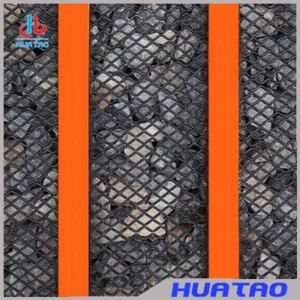
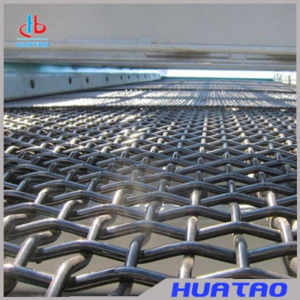
The five catalogued items comprise a fibreglass‑coated screen mesh for windows, a crimped steel wire mesh, an expanded plate mesh designed for fence panels, a wave‑profile fence mesh and a copper wire mesh for corrosion‑resistant applications. In the wire‑mesh industry, fibreglass screens are usually graded by mesh count (e.g., 18‑20 strands per inch) and aperture size, while crimped steel meshes are specified by wire diameter (often 0.6‑1.2 mm) and tensile strength (≈400‑550 MPa). Expanded plate fences are measured by plate thickness (typically 1‑3 mm) and opening dimensions, and copper meshes are evaluated for conductivity and corrosion resistance, commonly supplied in 0.8‑1.5 mm wire gauges.
Buyers generally request compliance with standards such as ISO 9001 for manufacturing processes, and may look for test reports confirming tensile strength, elongation at break, and corrosion resistance (e.g., ASTM B117 salt‑spray test for copper mesh). Typical HS‑code families for these products include 7315 for steel wire mesh and 7616 for copper wire mesh, which guide tariff classification and customs documentation.
Trade and Export Information - Anping Yuansheng Wire Mesh Co., Ltd.
China is a major exporter of wire‑mesh products, supplying construction and infrastructure projects across Southeast Asia, the Middle East, Europe and North America. Export shipments are usually packed in 20‑ft or 40‑ft containers, with mesh panels crated on wooden pallets to prevent deformation. The HS‑code 7315 90 (other wire mesh of iron or steel) and 7616 90 (other copper wire mesh) are the most common tariff headings for the items listed, and customs authorities often require a declaration of material composition and compliance with CE or ASTM standards for structural use.
Importers typically request certificates of origin, material test reports and, where applicable, CE conformity for fence systems used in public spaces. Chinese manufacturers often work with freight forwarders to arrange CIF or FOB terms, and the standard packaging includes moisture‑resistant wrapping to protect fibreglass screens from humidity during sea transit. Buyers should verify that the supplier can provide the appropriate HS‑code documentation to avoid delays at the destination port.
Sourcing from Anping Yuansheng Wire Mesh Co., Ltd. - Buyer Guidance
When sourcing from this supplier, request a detailed product data sheet that lists mesh count, wire diameter, tensile strength, and corrosion‑resistance test results. Ask for a third‑party lab report (e.g., SGS or Intertek) that confirms compliance with relevant standards such as ASTM D378 for fibreglass screens or ASTM B212 for copper mesh. Verify the HS‑code declared on the commercial invoice matches the product material to ensure correct duty treatment.
Confirm the supplier can supply samples in the required dimensions before placing a bulk order; sample lead times for mesh panels are typically 2‑3 weeks. Check whether the supplier offers pre‑finished coating (e.g., galvanised or powder‑coated steel) if corrosion resistance is a project requirement. Finally, clarify packaging details - most mesh products are shipped in wooden crates with protective film, and the container loading plan should optimise space while preventing panel distortion.
Frequently Asked Questions About Anping Yuansheng Wire Mesh Co., Ltd.
What types of wire mesh does Anping Yuansheng produce?
The catalogue lists fibreglass window screen mesh, crimped steel wire mesh, expanded plate mesh fence, wave‑type fence mesh and copper wire mesh, covering both protective screening and structural fencing applications.
Which HS‑code categories are relevant for these products?
Typical HS‑code families are 7315 90 for steel‑based wire mesh and 7616 90 for copper wire mesh; fibreglass screen meshes often fall under 3926 90 for plastic‑coated products.
What specifications should I request for the crimped wire mesh?
Ask for wire diameter (usually 0.6‑1.2 mm), mesh opening size, tensile strength (≈400‑550 MPa) and a tensile test report compliant with ASTM B557.
Are certification documents required for the copper wire mesh?
Buyers usually request a material test report, CE or ASTM B212 compliance certificate, and a certificate of origin to satisfy customs and quality requirements.
What is the typical MOQ and lead time for the expanded plate fence mesh?
Minimum order quantities are often 500 m² or one 20‑ft container, with a production lead time of 25‑35 days after final artwork and specifications are approved.
How is the fibreglass window screen mesh packaged for export?
The screens are typically rolled or folded, wrapped in moisture‑resistant film, and placed in wooden crates or pallets to protect the fibre coating during sea freight.
Which markets commonly import these Chinese wire‑mesh products?
Key import regions include Southeast Asia, the Middle East, the European Union and the United States, where the meshes are used in building façades, industrial filtration and security fencing.
What logistics terms are most used for shipping these meshes?
Suppliers frequently quote FOB Shanghai or CIF destination port; containers are loaded with mesh panels on pallets, and standard incoterms such as FOB, CIF or DAP are applied.




 , China