LUKONGE INTERNATIONAL GROUP. — Verified Suppliers

About LUKONGE INTERNATIONAL GROUP. - Agricultural, Spice & Mineral Supplier in Tanzania

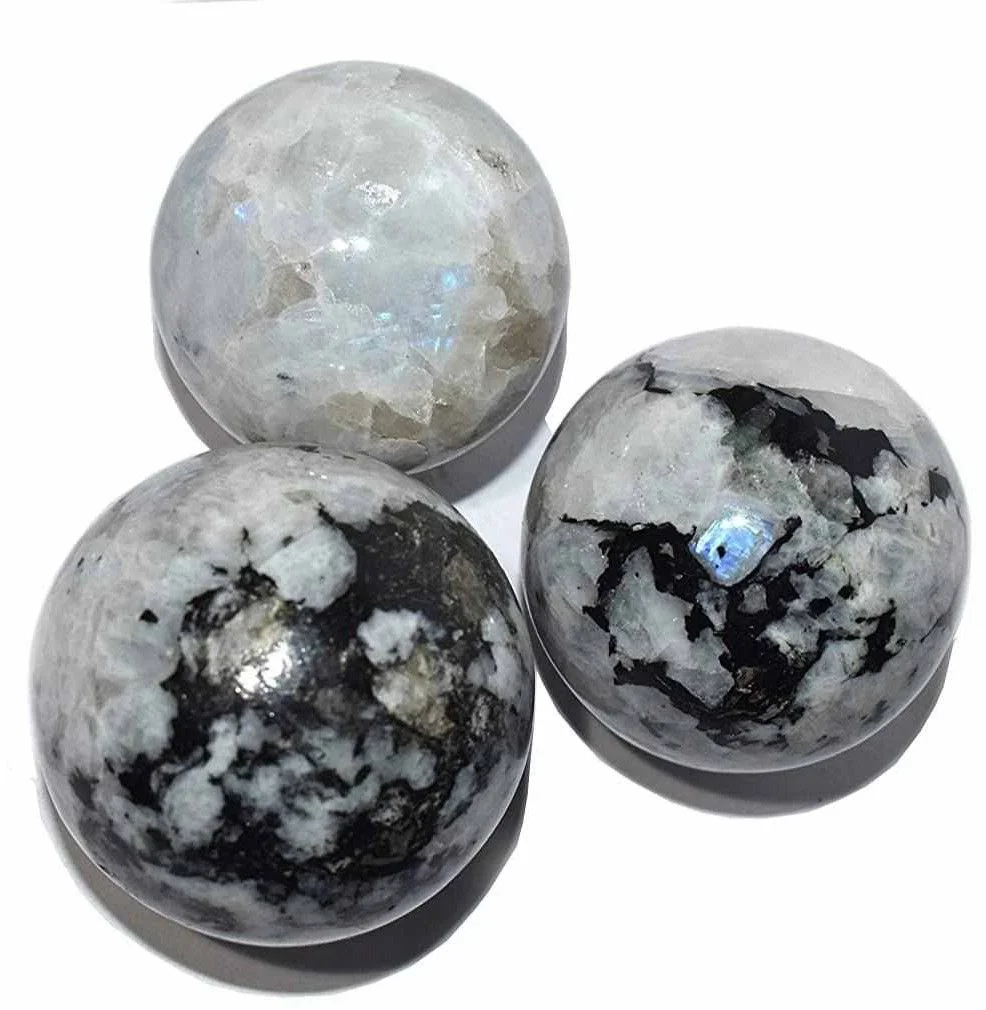
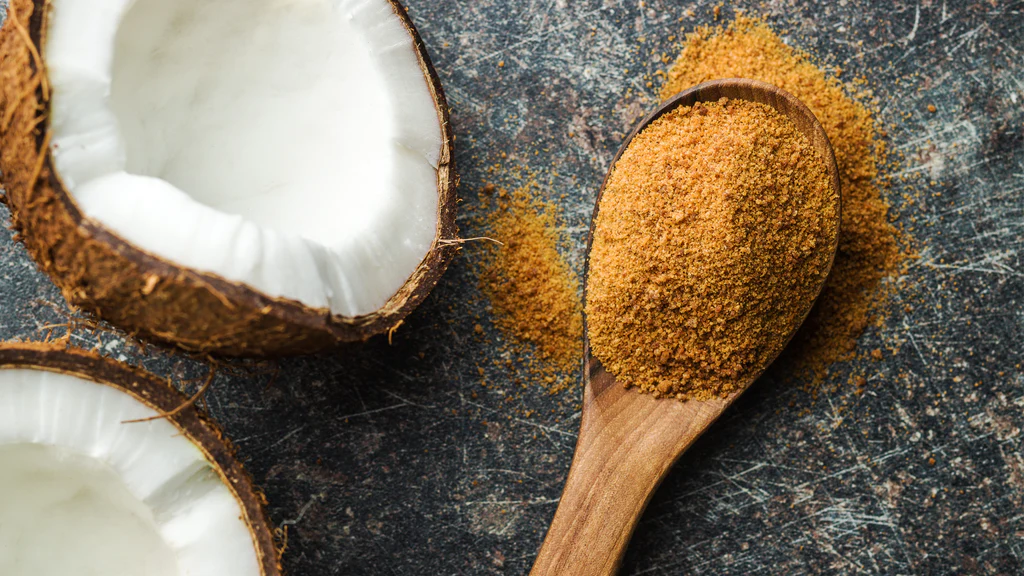
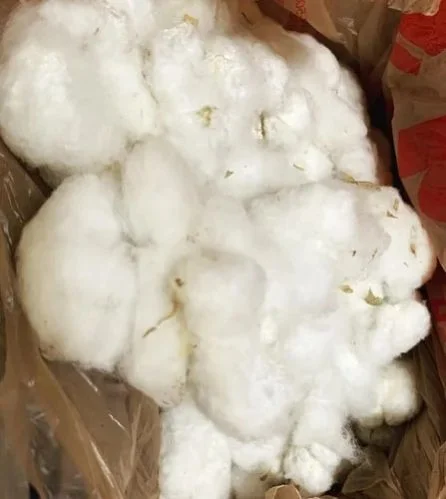
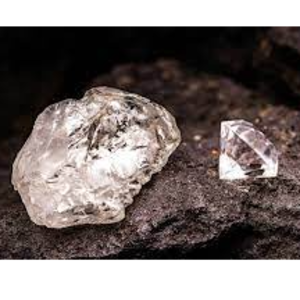
LUKONGE INTERNATIONAL GROUP. is based in Dar es Salaam, Tanzania and lists 20 active products across spice, agricultural and mineral categories. The catalogue includes dried cloves (HS 0902.20), black pepper (0904.11), green cardamom (0908.32), white and yellow maize (1005.90), sorghum (1007.00), sesame seeds (1207.40), soybean and soybean meal (1201.90, 2304.00), green coffee beans (0901.11), vanilla sticks (0905.10), cotton fiber (5201.00), refined white sugar (1701.99) and a range of precious and base minerals such as gold bullion (7108.12), diamonds (7102.31), copper ore (2603.00), tantalite‑coltan (2615.90), tin (8001.11), copper wire (7408.19), anthracite coal (2701.11) and natural crushed stone (2517.10).

The supplier’s product list covers both food‑grade commodities and high‑value minerals, each identified by its specific HS‑code family. Spices are recorded under chapter 09, cereals and oilseeds under chapters 10 and 12, sugars under chapter 17, textiles under chapter 52, and metals and minerals under chapters 26, 71, 80 and 27. This structured catalogue enables buyers to match import licences and tariff schedules directly to the items offered.

Product Range and Specialties of LUKONGE INTERNATIONAL GROUP.

The spice portfolio comprises cloves, black pepper and green cardamom, which are typically graded A‑grade with moisture below 12 % and compliant with ISO 22000 food‑safety standards. In the global market, cloves are often sold in 20 kg cartons, black pepper in 25 kg polypropylene bags, and cardamom pods in 10 kg sealed containers, with standard size ranges of 6‑8 mm for peppercorns and whole pod lengths of 12‑15 mm. The agricultural segment includes maize and sorghum grains (moisture ≤14 %), sesame seeds (hull‑free, 98 % purity), soybean (oil content 18‑20 %) and soybean meal (protein ≥44 %). Cereal grains are usually exported in 25 kg or 50 kg bulk bags, while oilseeds may be shipped in 20 kg jute bags. Coffee beans are supplied as AA‑grade green beans with moisture ≤12 % and screened to 16‑18 mm, packed in 60 kg jute sacks. Vanilla sticks are listed as Grade A Tahitian beans, commonly graded by vanillin content (≈2.5 % w/w). The mineral and metal line features gold bullion of 99.5‑99.99 % purity, natural diamonds, copper ore concentrate (25‑35 % Cu), tantalite‑coltan concentrate, tin of 99.9 % purity, electrolytic tough‑pitch copper wire (99.9 % Cu) and high‑grade anthracite coal (fixed carbon 85‑95 %). These commodities are typically shipped in bulk bags, steel drums or freight containers according to industry specifications.

Trade and Export Information - LUKONGE INTERNATIONAL GROUP.

Tanzania exports its spices and agricultural grains mainly to the EU, the Middle East and Asian markets, where chapter 09 and 10 HS‑codes attract a 5‑10 % preferential duty under various trade agreements. Buyers of Tanzanian coffee and vanilla often require a phytosanitary certificate, a certificate of origin and a commodity analysis report issued by an accredited lab such as SGS. Mineral shipments, especially gold and diamonds, are subject to the Kimberley Process and require assay certificates, while copper, tin and coal generally need a mining licence copy and a quality‑inspection certificate. Typical logistics involve loading 20‑ft or 40‑ft containers for spices and grains, bulk shipments for minerals on roll‑on‑roll‑off vessels, and FOB Dar es Salaam or CIF to destination ports as standard Incoterms. Export documentation frequently includes the commercial invoice, packing list, bill of lading, certificate of origin, phytosanitary certificate (for food products) and, where required, a material safety data sheet for minerals.

Sourcing from LUKONGE INTERNATIONAL GROUP. - Buyer Guidance

When sourcing from LUKONGE INTERNATIONAL GROUP., request a recent phytosanitary certificate for all food‑grade items and a laboratory analysis report confirming moisture, purity and any pesticide residues. For metal and mineral products, ask for an up‑to‑date assay report, certificate of origin and, for diamonds, a Kimberley Process certificate to verify conflict‑free status. Verify packaging details - e.g., 20 kg bags for spices, 25 kg bulk bags for grains, and sealed steel drums for copper ore - and confirm that the HS‑code used on the commercial invoice matches the product description to avoid customs delays. It is advisable to obtain a sample batch and perform an independent quality check before committing to full‑scale orders.

Frequently Asked Questions About LUKONGE INTERNATIONAL GROUP.

What spice products does LUKONGE International Group. export and which HS codes apply?

The company lists cloves (HS 0902.20), black pepper (0904.11) and green cardamom (0908.32). Each product is described as dried buds, whole peppercorns or whole pods respectively and is typically shipped in sealed 20‑kg cartons.

Which grain and cereal products are offered and how are they packaged for export?

White and yellow maize (HS 1005.90) and sorghum (HS 1007.00) are supplied. Standard export packaging is 25 kg polypropylene bulk bags, palletised for loading into 20‑ft or 40‑ft containers.

What certifications should a buyer request for gold bullion and diamonds?

Buyers should ask for a certificate of origin, an assay report confirming gold purity (99.5‑99.99 %) and, for diamonds, a Kimberley Process certificate that guarantees conflict‑free status.

How is green coffee supplied and what industry quality parameters are typical?

Green coffee beans (HS 0901.11) are packed in 60 kg jute bags. Industry standards require moisture content not exceeding 12 % and a uniform screen size of 16‑18 mm, with a cupping score that meets specialty‑grade specifications.

What common Incoterms are used for Tanzanian exporters like LUKONGE International Group.?

Typical terms include FOB Dar es Salaam for bulk or container shipments and CIF to the buyer’s destination port when the seller arranges freight and insurance.

What are typical minimum order quantities and lead times for the listed products?

Spice items generally have an MOQ of 500 kg per variety with a lead time of 30‑45 days. Bulk minerals such as copper ore or tin usually require 1‑5 tonnes MOQ and a 60‑day production and shipping window.

Which documents are essential for importing the listed agricultural products?

Essential documents include a phytosanitary certificate, certificate of origin, commercial invoice, packing list and bill of lading. For soy and sesame, a laboratory analysis confirming protein or oil content is often requested.

Are there any special handling requirements for the mineral products?

Minerals like copper wire, tin and anthracite coal are shipped in sealed steel drums or bulk containers with moisture‑proof liners. Buyers should verify that the cargo is accompanied by a material safety data sheet and a quality‑inspection certificate.


Other Suppliers in Onyx Gemstones

Top Trusted Suppliers

Related Products in Onyx Gemstones

Trending in Parent Category

More Suppliers in Parent Category

Related Products

Other Suppliers

EximNext
58.4K+ live requirements
Register Free🎁 5 free buy-lead credits
Post Requirement
🌍 Trusted by 224.3K+ businesses in 200+ countries|
58.4K+ active requirements right now
✉️ [email protected]
|
Sell on EximNextPost Requirement
EximNext
AgricultureApparelConstructionElectronicFoodHomeIndustrialMineralsMiscellaneous
🔥 Deals|✨ AI Match|🏭 Suppliers|📋 Buy Leads|💰 Trade Finance|⭐ Upgrade
58.4K+ live RFQs·194.4K+ suppliers
🎁 5 free credits →
EximNext
EximNext
Register Free
🎁 5 free buy-lead credits
Sign In
📋Post Requirement💬Get QuotesAI Match📋RFQ Marketplace
All Categories
Services & Tools
🏭Supplier Directory🔥Today's Deals💰Trade FinanceMembership
Sell on EximNext
AboutContactBlogHelp
LUKONGE INTERNATIONAL GROUP.

LUKONGE INTERNATIONAL GROUP.

🚢 Voyage
Country flag , TanzaniaEst. 2000-01-01
🏆
26+
Years in Business
🛡️
86/100
Trust Score

LUKONGE INTERNATIONAL GROUP. Product Catalog

Showing 12 of 20 products
View all products →
Coals
🚢 Voyage
Coals
Contact
MOQ: 1 Unit
Copper Wire
🚢 Voyage
Copper Wire
Contact
MOQ: 1 Unit
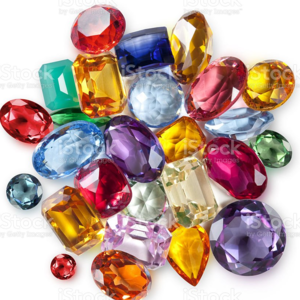
Game Stones
🚢 Voyage
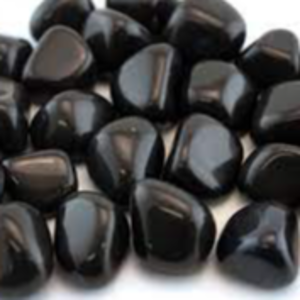
Game Stones
Contact
MOQ: 1 Unit
Tin
🚢 Voyage
Tin
Contact
MOQ: 1 Unit
Tantalite
🚢 Voyage
Tantalite
Contact
MOQ: 1 Unit
Copper
🚢 Voyage
Copper
Contact
MOQ: 1 Unit
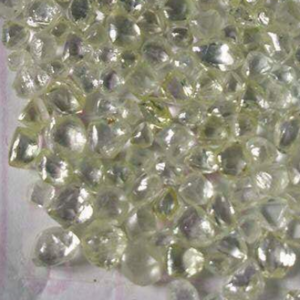
Diamond
🚢 Voyage
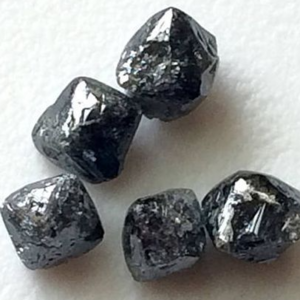
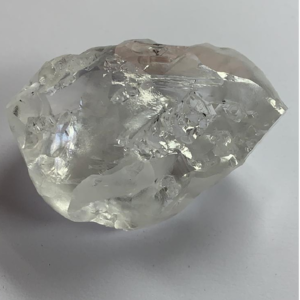
Diamond
Contact
MOQ: 1 Unit
Bullion Gold
🚢 Voyage
Bullion Gold
Contact
MOQ: 1 Unit
White Sugar
🚢 Voyage
White Sugar
Contact
MOQ: 1 Unit
Cotton
🚢 Voyage
Cotton
Contact
MOQ: 1 Unit
Sorghum
🚢 Voyage
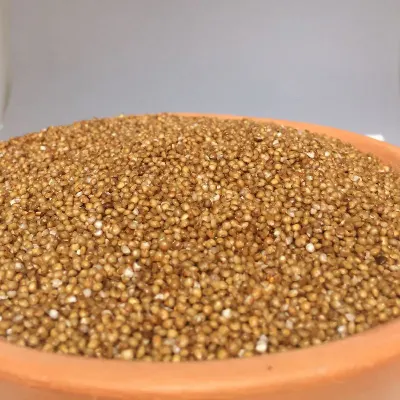
Sorghum
Contact
MOQ: 1 Unit
Soya Mills
🚢 Voyage
Soya Mills
Contact
MOQ: 1 Unit

About LUKONGE INTERNATIONAL GROUP. - Agricultural, Spice & Mineral Supplier in Tanzania

LUKONGE INTERNATIONAL GROUP. is based in Dar es Salaam, Tanzania and lists 20 active products across spice, agricultural and mineral categories. The catalogue includes dried cloves (HS 0902.20), black pepper (0904.11), green cardamom (0908.32), white and yellow maize (1005.90), sorghum (1007.00), sesame seeds (1207.40), soybean and soybean meal (1201.90, 2304.00), green coffee beans (0901.11), vanilla sticks (0905.10), cotton fiber (5201.00), refined white sugar (1701.99) and a range of precious and base minerals such as gold bullion (7108.12), diamonds (7102.31), copper ore (2603.00), tantalite‑coltan (2615.90), tin (8001.11), copper wire (7408.19), anthracite coal (2701.11) and natural crushed stone (2517.10).

The supplier’s product list covers both food‑grade commodities and high‑value minerals, each identified by its specific HS‑code family. Spices are recorded under chapter 09, cereals and oilseeds under chapters 10 and 12, sugars under chapter 17, textiles under chapter 52, and metals and minerals under chapters 26, 71, 80 and 27. This structured catalogue enables buyers to match import licences and tariff schedules directly to the items offered.

Product Range and Specialties of LUKONGE INTERNATIONAL GROUP.

The spice portfolio comprises cloves, black pepper and green cardamom, which are typically graded A‑grade with moisture below 12 % and compliant with ISO 22000 food‑safety standards. In the global market, cloves are often sold in 20 kg cartons, black pepper in 25 kg polypropylene bags, and cardamom pods in 10 kg sealed containers, with standard size ranges of 6‑8 mm for peppercorns and whole pod lengths of 12‑15 mm. The agricultural segment includes maize and sorghum grains (moisture ≤14 %), sesame seeds (hull‑free, 98 % purity), soybean (oil content 18‑20 %) and soybean meal (protein ≥44 %). Cereal grains are usually exported in 25 kg or 50 kg bulk bags, while oilseeds may be shipped in 20 kg jute bags. Coffee beans are supplied as AA‑grade green beans with moisture ≤12 % and screened to 16‑18 mm, packed in 60 kg jute sacks. Vanilla sticks are listed as Grade A Tahitian beans, commonly graded by vanillin content (≈2.5 % w/w). The mineral and metal line features gold bullion of 99.5‑99.99 % purity, natural diamonds, copper ore concentrate (25‑35 % Cu), tantalite‑coltan concentrate, tin of 99.9 % purity, electrolytic tough‑pitch copper wire (99.9 % Cu) and high‑grade anthracite coal (fixed carbon 85‑95 %). These commodities are typically shipped in bulk bags, steel drums or freight containers according to industry specifications.

Trade and Export Information - LUKONGE INTERNATIONAL GROUP.

Tanzania exports its spices and agricultural grains mainly to the EU, the Middle East and Asian markets, where chapter 09 and 10 HS‑codes attract a 5‑10 % preferential duty under various trade agreements. Buyers of Tanzanian coffee and vanilla often require a phytosanitary certificate, a certificate of origin and a commodity analysis report issued by an accredited lab such as SGS. Mineral shipments, especially gold and diamonds, are subject to the Kimberley Process and require assay certificates, while copper, tin and coal generally need a mining licence copy and a quality‑inspection certificate. Typical logistics involve loading 20‑ft or 40‑ft containers for spices and grains, bulk shipments for minerals on roll‑on‑roll‑off vessels, and FOB Dar es Salaam or CIF to destination ports as standard Incoterms. Export documentation frequently includes the commercial invoice, packing list, bill of lading, certificate of origin, phytosanitary certificate (for food products) and, where required, a material safety data sheet for minerals.

Sourcing from LUKONGE INTERNATIONAL GROUP. - Buyer Guidance

When sourcing from LUKONGE INTERNATIONAL GROUP., request a recent phytosanitary certificate for all food‑grade items and a laboratory analysis report confirming moisture, purity and any pesticide residues. For metal and mineral products, ask for an up‑to‑date assay report, certificate of origin and, for diamonds, a Kimberley Process certificate to verify conflict‑free status. Verify packaging details - e.g., 20 kg bags for spices, 25 kg bulk bags for grains, and sealed steel drums for copper ore - and confirm that the HS‑code used on the commercial invoice matches the product description to avoid customs delays. It is advisable to obtain a sample batch and perform an independent quality check before committing to full‑scale orders.

Frequently Asked Questions About LUKONGE INTERNATIONAL GROUP.

What spice products does LUKONGE International Group. export and which HS codes apply?

The company lists cloves (HS 0902.20), black pepper (0904.11) and green cardamom (0908.32). Each product is described as dried buds, whole peppercorns or whole pods respectively and is typically shipped in sealed 20‑kg cartons.

Which grain and cereal products are offered and how are they packaged for export?

White and yellow maize (HS 1005.90) and sorghum (HS 1007.00) are supplied. Standard export packaging is 25 kg polypropylene bulk bags, palletised for loading into 20‑ft or 40‑ft containers.

What certifications should a buyer request for gold bullion and diamonds?

Buyers should ask for a certificate of origin, an assay report confirming gold purity (99.5‑99.99 %) and, for diamonds, a Kimberley Process certificate that guarantees conflict‑free status.

How is green coffee supplied and what industry quality parameters are typical?

Green coffee beans (HS 0901.11) are packed in 60 kg jute bags. Industry standards require moisture content not exceeding 12 % and a uniform screen size of 16‑18 mm, with a cupping score that meets specialty‑grade specifications.

What common Incoterms are used for Tanzanian exporters like LUKONGE International Group.?

Typical terms include FOB Dar es Salaam for bulk or container shipments and CIF to the buyer’s destination port when the seller arranges freight and insurance.

What are typical minimum order quantities and lead times for the listed products?

Spice items generally have an MOQ of 500 kg per variety with a lead time of 30‑45 days. Bulk minerals such as copper ore or tin usually require 1‑5 tonnes MOQ and a 60‑day production and shipping window.

Which documents are essential for importing the listed agricultural products?

Essential documents include a phytosanitary certificate, certificate of origin, commercial invoice, packing list and bill of lading. For soy and sesame, a laboratory analysis confirming protein or oil content is often requested.

Are there any special handling requirements for the mineral products?

Minerals like copper wire, tin and anthracite coal are shipped in sealed steel drums or bulk containers with moisture‑proof liners. Buyers should verify that the cargo is accompanied by a material safety data sheet and a quality‑inspection certificate.

About LUKONGE INTERNATIONAL GROUP. - Agricultural, Spice & Mineral Supplier in Tanzania

LUKONGE INTERNATIONAL GROUP. is based in Dar es Salaam, Tanzania and lists 20 active products across spice, agricultural and mineral categories. The catalogue includes dried cloves (HS 0902.20), black pepper (0904.11), green cardamom (0908.32), white and yellow maize (1005.90), sorghum (1007.00), sesame seeds (1207.40), soybean and soybean meal (1201.90, 2304.00), green coffee beans (0901.11), vanilla sticks (0905.10), cotton fiber (5201.00), refined white sugar (1701.99) and a range of precious and base minerals such as gold bullion (7108.12), diamonds (7102.31), copper ore (2603.00), tantalite‑coltan (2615.90), tin (8001.11), copper wire (7408.19), anthracite coal (2701.11) and natural crushed stone (2517.10).

The supplier’s product list covers both food‑grade commodities and high‑value minerals, each identified by its specific HS‑code family. Spices are recorded under chapter 09, cereals and oilseeds under chapters 10 and 12, sugars under chapter 17, textiles under chapter 52, and metals and minerals under chapters 26, 71, 80 and 27. This structured catalogue enables buyers to match import licences and tariff schedules directly to the items offered.

Product Range and Specialties of LUKONGE INTERNATIONAL GROUP.

The spice portfolio comprises cloves, black pepper and green cardamom, which are typically graded A‑grade with moisture below 12 % and compliant with ISO 22000 food‑safety standards. In the global market, cloves are often sold in 20 kg cartons, black pepper in 25 kg polypropylene bags, and cardamom pods in 10 kg sealed containers, with standard size ranges of 6‑8 mm for peppercorns and whole pod lengths of 12‑15 mm. The agricultural segment includes maize and sorghum grains (moisture ≤14 %), sesame seeds (hull‑free, 98 % purity), soybean (oil content 18‑20 %) and soybean meal (protein ≥44 %). Cereal grains are usually exported in 25 kg or 50 kg bulk bags, while oilseeds may be shipped in 20 kg jute bags. Coffee beans are supplied as AA‑grade green beans with moisture ≤12 % and screened to 16‑18 mm, packed in 60 kg jute sacks. Vanilla sticks are listed as Grade A Tahitian beans, commonly graded by vanillin content (≈2.5 % w/w). The mineral and metal line features gold bullion of 99.5‑99.99 % purity, natural diamonds, copper ore concentrate (25‑35 % Cu), tantalite‑coltan concentrate, tin of 99.9 % purity, electrolytic tough‑pitch copper wire (99.9 % Cu) and high‑grade anthracite coal (fixed carbon 85‑95 %). These commodities are typically shipped in bulk bags, steel drums or freight containers according to industry specifications.

Trade and Export Information - LUKONGE INTERNATIONAL GROUP.

Tanzania exports its spices and agricultural grains mainly to the EU, the Middle East and Asian markets, where chapter 09 and 10 HS‑codes attract a 5‑10 % preferential duty under various trade agreements. Buyers of Tanzanian coffee and vanilla often require a phytosanitary certificate, a certificate of origin and a commodity analysis report issued by an accredited lab such as SGS. Mineral shipments, especially gold and diamonds, are subject to the Kimberley Process and require assay certificates, while copper, tin and coal generally need a mining licence copy and a quality‑inspection certificate. Typical logistics involve loading 20‑ft or 40‑ft containers for spices and grains, bulk shipments for minerals on roll‑on‑roll‑off vessels, and FOB Dar es Salaam or CIF to destination ports as standard Incoterms. Export documentation frequently includes the commercial invoice, packing list, bill of lading, certificate of origin, phytosanitary certificate (for food products) and, where required, a material safety data sheet for minerals.

Sourcing from LUKONGE INTERNATIONAL GROUP. - Buyer Guidance

When sourcing from LUKONGE INTERNATIONAL GROUP., request a recent phytosanitary certificate for all food‑grade items and a laboratory analysis report confirming moisture, purity and any pesticide residues. For metal and mineral products, ask for an up‑to‑date assay report, certificate of origin and, for diamonds, a Kimberley Process certificate to verify conflict‑free status. Verify packaging details - e.g., 20 kg bags for spices, 25 kg bulk bags for grains, and sealed steel drums for copper ore - and confirm that the HS‑code used on the commercial invoice matches the product description to avoid customs delays. It is advisable to obtain a sample batch and perform an independent quality check before committing to full‑scale orders.

Frequently Asked Questions About LUKONGE INTERNATIONAL GROUP.
What spice products does LUKONGE International Group. export and which HS codes apply?
The company lists cloves (HS 0902.20), black pepper (0904.11) and green cardamom (0908.32). Each product is described as dried buds, whole peppercorns or whole pods respectively and is typically shipped in sealed 20‑kg cartons.
Which grain and cereal products are offered and how are they packaged for export?
White and yellow maize (HS 1005.90) and sorghum (HS 1007.00) are supplied. Standard export packaging is 25 kg polypropylene bulk bags, palletised for loading into 20‑ft or 40‑ft containers.
What certifications should a buyer request for gold bullion and diamonds?
Buyers should ask for a certificate of origin, an assay report confirming gold purity (99.5‑99.99 %) and, for diamonds, a Kimberley Process certificate that guarantees conflict‑free status.
How is green coffee supplied and what industry quality parameters are typical?
Green coffee beans (HS 0901.11) are packed in 60 kg jute bags. Industry standards require moisture content not exceeding 12 % and a uniform screen size of 16‑18 mm, with a cupping score that meets specialty‑grade specifications.
What common Incoterms are used for Tanzanian exporters like LUKONGE International Group.?
Typical terms include FOB Dar es Salaam for bulk or container shipments and CIF to the buyer’s destination port when the seller arranges freight and insurance.
What are typical minimum order quantities and lead times for the listed products?
Spice items generally have an MOQ of 500 kg per variety with a lead time of 30‑45 days. Bulk minerals such as copper ore or tin usually require 1‑5 tonnes MOQ and a 60‑day production and shipping window.
Which documents are essential for importing the listed agricultural products?
Essential documents include a phytosanitary certificate, certificate of origin, commercial invoice, packing list and bill of lading. For soy and sesame, a laboratory analysis confirming protein or oil content is often requested.
Are there any special handling requirements for the mineral products?
Minerals like copper wire, tin and anthracite coal are shipped in sealed steel drums or bulk containers with moisture‑proof liners. Buyers should verify that the cargo is accompanied by a material safety data sheet and a quality‑inspection certificate.

LUKONGE INTERNATIONAL GROUP.
Country flag , Tanzania
🚢 Voyage
86/100
Trust Score
📦
20
Products
Free to contact — no commission
Escrow payment available
Verified business identity
Compare more suppliers
Post a requirement — get 10 quotes free
Let verified suppliers compete for your business. Free, fast, no commitment.
EximNext Verified Supplier
Business identity verified
Physical address confirmed
Financial history checked
Certifications authenticated
Trade references validated
Due Diligence
Verify this supplier's real shipping history.
Every shipment, every buyer, every port. Trade data that can't be faked.
Run due diligence →
Discover More

Related Suppliers & Products

Explore similar suppliers, related products and trending categories

Other Suppliers in Onyx Gemstones

Top Trusted Suppliers

Related Products in Onyx Gemstones

Trending in Parent Category

More Suppliers in Parent Category

Stay ahead in global trade
Weekly market insights & new supplier alerts.
EximNext
Exim Next is a leading global B2B marketplace, connecting over 205,000 verified suppliers and buyers across 200+ countries. As a trusted import export marketplace, it serves as the essential B2B portal for businesses worldwide, empowering them to expand their international reach. With Exim Next, businesses can trade smarter and grow faster.
SECURE PAYMENTS
VISAMastercardPayPalSWIFTL/CEscrow
Follow us
© 2026 EximNext