Anping Ofolan Metal Wire Mesh Manufacture Co., Ltd — Manufacturer & Wholesale Supplier
About Anping Ofolan Metal Wire Mesh Manufacture Co., Ltd - Wire Mesh Supplier in China
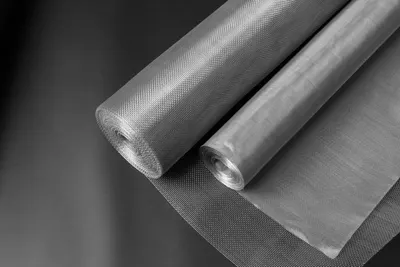
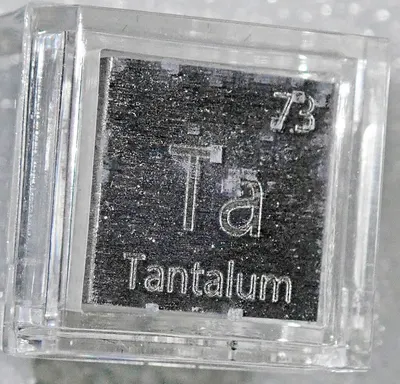
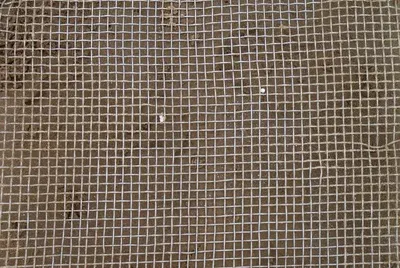
Anping Ofolan Metal Wire Mesh Manufacture Co., Ltd is located in Hebei province, China. The company lists nine active products in its catalogue, all falling under metal wire mesh made from rare and precious metals. The catalogue includes titanium mesh (2‑600 mesh, HS code Ta1 Tc4 G27), nickel wire mesh sheet (2‑400 mesh, HS code 7508.00), tungsten mesh (8‑200 mesh, HS code 8101.94), zirconium mesh plate (20‑100 mesh, HS code 8109.20), tantalum wire mesh (8‑300 mesh, HS code 8103.90), niobium wire mesh (40 mesh, HS code 8103.99), silver stretch mesh (20‑100 mesh, HS code 7408.19), platinum electrode mesh (50‑80 mesh, HS code 7110.21) and gold mesh (50 mesh, HS code 7108.13).
The product range covers pure metal meshes, alloy meshes and specialty forms such as filter, demister and current‑collector meshes. Mesh apertures are expressed in mesh count ranging from 40 to 600, and the company states capability to produce stainless‑steel meshes up to 6 m width using SUS grades (302, 304, 316, 316L, 904L, 2205). The listed items are described as suitable for high‑temperature, corrosive and high‑precision applications, matching the technical data provided in the catalogue.
Product Range and Specialties of Anping Ofolan Metal Wire Mesh Manufacture Co., Ltd
The catalogue focuses on high‑purity metal meshes. In the global market, titanium meshes are commonly supplied to the aerospace and chemical processing sectors in grades such as ASTM B265 Ti‑6Al‑4V with mesh counts from 100 to 600. Nickel meshes are typically produced to ASTM B443 specifications, with 2‑400 mesh used for laboratory filtration. Tungsten meshes for defense and aerospace are often required to meet ISO‑based specifications for thermal stability up to 3000 °C. Zirconium and tantalum meshes are standard in nuclear and medical‑device applications, where corrosion resistance is measured by ASTM G48. Silver and platinum meshes are used in electronics and catalytic converters, with purity levels above 99.99 % and mesh counts between 20 and 100. Gold meshes for rocket‑engine components are classified under high‑purity precious‑metal standards, frequently verified by ICP‑OES analysis.
Trade and Export Information - Anping Ofolan Metal Wire Mesh Manufacture Co., Ltd
China is one of the largest exporters of specialty metal wire mesh, with shipments classified under HS chapter 81 (other base metals) and chapter 73 (articles of iron or steel). Buyers in North America, Europe and Southeast Asia regularly import these meshes for aerospace, defense, petrochemical and high‑tech electronics projects. Typical certifications requested by importers include ISO 9001, ISO 14001, and material‑specific standards such as ASTM B265 for titanium or ASTM B443 for nickel. Export logistics commonly use 20‑foot or 40‑foot containers, with meshes packed in wooden crates or steel drums to protect the fine apertures. Incoterms such as FOB Hebei or CIF major ports (e.g., Shanghai, Tianjin) are standard for this product class.
Sourcing from Anping Ofolan Metal Wire Mesh Manufacture Co., Ltd - Buyer Guidance
When sourcing metal meshes from this supplier, buyers should request a mill test report that details chemical composition, tensile strength, maximum operating temperature and mesh‑count verification. Confirmation of ISO 9001:2015 certification and, where applicable, compliance with ASTM or ISO standards for the specific metal (e.g., ASTM B265 for titanium) helps validate quality. It is advisable to obtain a sample of the required mesh count before confirming a full order, and to verify packaging dimensions against container capacity to avoid damage during transit.
Frequently Asked Questions About Anping Ofolan Metal Wire Mesh Manufacture Co., Ltd
What metal mesh products does Anping Ofolan list in its catalogue?
The supplier lists nine active products, including titanium, nickel, tungsten, zirconium, tantalum, niobium, silver, platinum and gold meshes, with mesh counts ranging from 40 to 600 and HS codes as specified in the catalogue.
Which HS codes apply to the listed meshes?
The catalogue provides HS codes such as 7508.00 for nickel wire mesh, 8101.94 for tungsten mesh, 8109.20 for zirconium mesh, 8103.90 for tantalum mesh, 8103.99 for niobium mesh, 7408.19 for silver mesh, 7110.21 for platinum mesh, 7108.13 for gold mesh, and a non‑standard code "Ta1 Tc4 G27" for titanium mesh.
Does the supplier hold any certifications?
The company states implementation of ISO 9001:2015 quality management system; buyers should also request any additional certifications such as ISO 14001 or relevant ASTM test reports for the specific metal.
What typical specifications should a buyer verify for these meshes?
Buyers should verify mesh count (e.g., 2‑600 mesh for titanium), material purity (often >99.99 % for precious metals), tensile strength, corrosion resistance (ASTM G48 for nickel‑based alloys) and maximum temperature rating (e.g., up to 2400 °C for molybdenum‑based meshes).
What are common lead times and minimum order quantities for these metal meshes?
Lead times for custom‑size metal meshes from Chinese manufacturers usually range from 4 to 8 weeks after final drawing approval, and minimum order quantities are often weight‑based, typically starting at 5 kg for precious‑metal meshes and 20 kg for base‑metal meshes.
How are the meshes packaged for export?
Meshes are typically bundled, placed in moisture‑resistant wooden crates or steel drums, sealed with anti‑corrosion film and loaded into 20‑ft or 40‑ft containers, following standard packaging for fine metal meshes.
Which regions import these types of metal meshes?
Major importers include the United States, Germany, Japan and South Korea, where the meshes are used in aerospace, defense, chemical processing, electronics and high‑precision filtration industries.




 , China






.jpg.png)