Annai Singapore Fashion Pte. Ltd. — Supplier

About Annai Singapore Fashion Pte. Ltd. - Ladies Blouse Supplier in Singapore

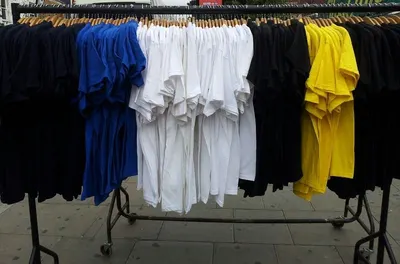
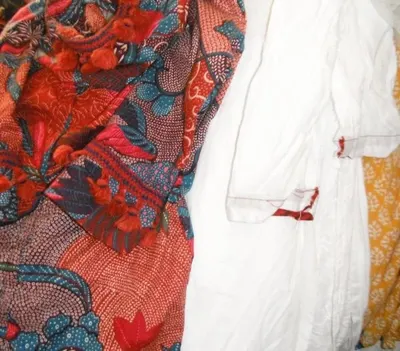
Singapore‑based Annai Singapore Fashion Pte. Ltd. lists nine active products across women’s apparel and fabric categories. The catalogue includes readymade blouses, T‑shirts, combined shirt‑and‑T‑shirt items, cotton blouse materials and linings, Kalamkari printed fabrics, sarees, assorted tops, leggings and churidar styles. Each entry aligns with the supplier’s top categories such as Ladies Blouse, Shirts & T‑Shirts, Other Ladies Dresses, Knitted & Woven Fabrics, and Ladies Salwar, Suits, Dupattas & Sarees. The product set reflects typical garment and textile offerings that are catalogued for B2B trade, without reference to any specific certifications or client claims.

The listed items fall within standard HS‑chapter‑62 headings for apparel and chapter‑63 for textile fabrics. Women’s blouses usually classify under HS 6206.10, T‑shirts under 6109.10, and woven fabrics under 5208‑5210. While the supplier’s data does not provide individual HS codes, buyers can anticipate these generic tariff headings when arranging customs clearance. The range also includes traditional Indian garments such as sarees and churidar, which often appear under HS 6204‑6205 for women’s suits and dresses. All products are described using the exact category names supplied, ensuring transparent alignment with trade classifications.

Product Range and Specialties of Annai Singapore Fashion Pte. Ltd.

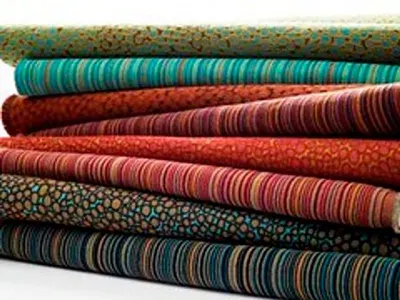
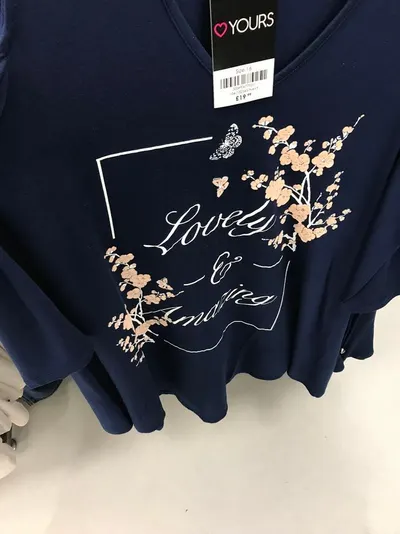
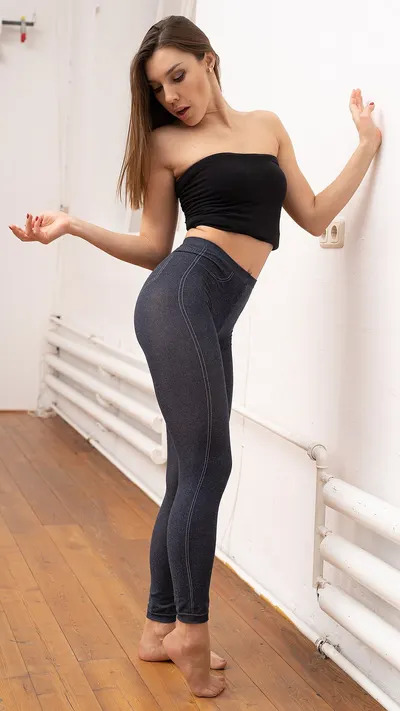
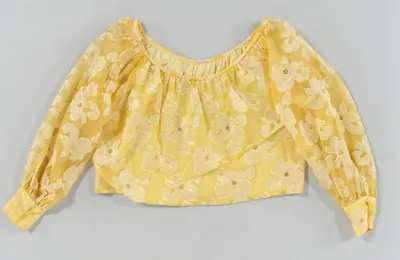
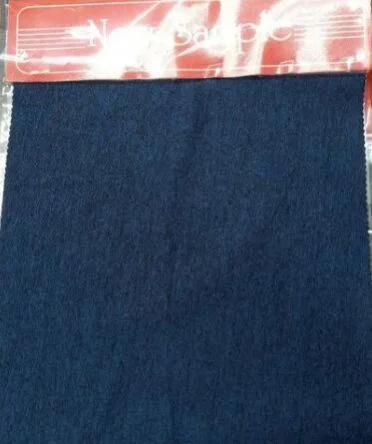
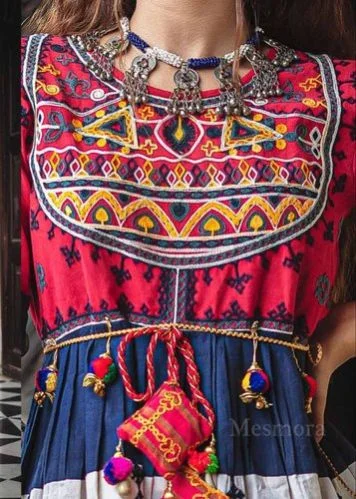
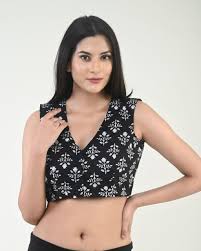
The catalogue presents a mix of ready‑made garments and raw textile materials. Readymade blouses and tops are typically cut from cotton, polyester‑cotton blends or rayon, with common weight specifications between 120 - 180 gsm. T‑shirts and shirt‑and‑T‑shirt hybrids are usually made from jersey knits of 180‑200 gsm, meeting standard shrinkage limits of 2‑3 % after washing. Kalamkari fabrics are hand‑printed cotton or silk with typical widths of 140‑150 cm and GSM values of 150‑250, prized for their design detail. Sarees listed may be silk, cotton or blended fabrics, often supplied in 5‑6 m lengths and weighing 200‑350 gsm depending on material. Leggings and churidar are generally woven or knit cotton‑spandex blends, offering stretch percentages of 5‑10 % for comfort. Buyers familiar with the apparel sector will recognize these grades and material choices as standard for mid‑range fashion sourcing.

Industry practice for these categories includes adherence to ISO 9001 quality management, Oeko‑Tex Standard 100 for textile safety, and, where applicable, compliance with the EU REACH regulation for chemical restrictions. Typical buyer specifications also reference colorfastness to washing (ISO 105‑C06) and dimensional stability tests. Suppliers in Singapore often export these products in 40 ft containers, packed in poly‑bags or cardboard boxes, with moisture barriers for silk sarees to prevent mildew during transit.

Trade and Export Information - Annai Singapore Fashion Pte. Ltd.

Singapore functions as a regional hub for garment and fabric exports, leveraging its port facilities and free‑trade agreements with the United States, European Union and Middle East. Exporters of women’s apparel from Singapore normally ship to buyers in the US, EU, GCC states and Southeast Asian markets, using HS‑chapter‑62 tariff lines that attract duty rates ranging from 0‑12 % depending on the destination’s trade policy. Textile fabrics such as Kalamkari prints fall under HS 5208‑5210, where many importers require a Certificate of Origin and a Lab Test Report confirming fiber composition and weight. Commonly requested certifications include ISO 9001 for process quality, Oeko‑Tex for harmful substance limits, and, for organic cotton items, GOTS certification. Standard Incoterms employed are FOB Singapore or CIF destination, with packaging that meets ASTM D3951 for export readiness. Buyers should also anticipate inspection regimes such as SGS or Bureau Veritas pre‑shipment audits for larger orders.

Because the supplier’s target markets are not listed, the description remains general: typical importers of women’s fashion from Singapore are wholesalers, brand owners and e‑commerce platforms that value consistent fabric GSM, accurate sizing charts and compliance with safety standards. Logistics often involve consolidation into 20 ft or 40 ft containers, with moisture‑controlled storage for silk sarees and protective wrapping for printed fabrics to preserve pattern integrity during sea freight.

Sourcing from Annai Singapore Fashion Pte. Ltd. - Buyer Guidance

When sourcing from Annai Singapore Fashion, buyers should request a detailed product specification sheet that lists fiber content, GSM, dimensions, and any finishing treatments such as anti‑pilling or wrinkle‑resistance. A pre‑shipment sample should be evaluated for colorfastness (ISO 105‑C06), shrinkage (ISO 5077) and seam strength (ISO 13935) before confirming bulk production. Because the supplier does not list certifications, buyers are advised to ask for copies of any ISO 9001, Oeko‑Tex or REACH compliance documents that the factory may hold, and to verify these through a third‑party audit if required.

MOQ for ready‑made garments in this segment typically starts at 300‑500 pieces per style, while fabric rolls may be ordered in multiples of 500 m. Lead times for finished blouses or T‑shirts from Singapore manufacturers range from 30 to 45 days after sample approval, whereas raw fabric such as Kalamkari prints may require 45‑60 days depending on printing schedules. Buyers should confirm packaging details - poly‑bag weight, inner box dimensions and container loading plan - to ensure efficient freight handling and to avoid damage to delicate items like silk sarees.

Frequently Asked Questions About Annai Singapore Fashion Pte. Ltd.

What product categories does Annai Singapore Fashion list in its catalogue?

The supplier lists nine products: Readymade Blouse, T‑shirt, Shirt and T‑shirt, Cotton Blouse Materials and Linings, Kalamkari Fabrics, Saree, Tops, Leggings and Churidar, covering women’s blouses, shirts, casual tops and traditional Indian garments.

Which HS‑code families are relevant for these products?

Women’s blouses and tops generally fall under HS 6206, T‑shirts under HS 6109, and woven or printed fabrics such as Kalamkari under HS 5208‑5210. Traditional garments like sarees and churidar are classified under HS 6204‑6205 for women’s suits and dresses.

What certifications should a buyer request from this supplier?

Buyers should ask for ISO 9001 quality‑management certification, Oeko‑Tex Standard 100 for textile safety, and any REACH compliance documents. If the supplier offers organic cotton, GOTS certification would also be relevant.

What typical quality tests are applied to the listed garments?

Standard tests include colorfastness to washing (ISO 105‑C06), dimensional shrinkage (ISO 5077), seam strength (ISO 13935) and fabric weight verification (gsm measurement) for both finished apparel and raw fabrics.

What are common minimum order quantities and lead times?

MOQ for finished blouses or T‑shirts usually starts at 300‑500 pieces per style, while fabric orders often require a minimum of 500 m. Lead time after sample approval is typically 30‑45 days for garments and 45‑60 days for printed fabrics.

How are the products typically packaged for export?

Garments are commonly packed in individual poly‑bags placed inside cardboard cartons, with size labels and fabric composition tags. Printed fabrics and silk sarees are often wrapped in moisture‑barrier paper and placed in sturdy boxes to protect against humidity and damage during sea freight.

Which regions most frequently import these types of products from Singapore?

Key import regions include the United States, European Union, Gulf Cooperation Council countries and Southeast Asian markets, where buyers look for consistent sizing, fabric quality and compliance with safety standards.

What documentation is needed for customs clearance of these goods?

Customs typically require a commercial invoice, packing list, Certificate of Origin, and any relevant test reports or certification copies (e.g., Oeko‑Tex). For fabrics, a lab analysis confirming fiber content may also be requested.


Featured Products from this Supplier

Other Suppliers in Primary Category

Top Trusted Suppliers

Related Products

Trending in Parent Category

More Suppliers in Category

Related Products

Other Suppliers

EximNext
7.1K+ live requirements
Register Free🎁 Reach global buyers
Post Requirement
🌍 Trusted by 225K+ businesses in 200+ countries|
7.1K+ active requirements right now
✉️ [email protected]
|
Sell on EximNextPost Requirement
EximNext
AgricultureApparelConstructionElectronicFoodHomeIndustrialMineralsMiscellaneous
🔥 Deals|✨ AI Match|🏭 Suppliers|📋 Buy Leads|💰 Trade Finance
7.1K+ live RFQs·194.8K+ suppliers
🎁 Reach global buyers →
EximNext
EximNext
Register Free
🎁 Reach global buyers
Sign In
📋Post Requirement💬Get Quotes✨AI Match📋RFQ Marketplace
All Categories
Services & Tools
🏭Supplier Directory🔥Today's Deals💰Trade Finance
Sell on EximNext →
AboutContactBlogHelp
Apparel & Home  ·  Singapore
9
products listed

Annai Singapore Fashion Pte. Ltd.

⚓ Harbor
Country flag , SingaporeNew supplier / no reviews yet
🛡️
54/100
Trust Score

Annai Singapore Fashion Pte. Ltd. Product Catalog

Showing 9 of 9 products
View all products →
T Shirt
⚓ Harbor
T Shirt
Contact
MOQ: 1 Unit
Shirt And T Shirt
⚓ Harbor
Shirt And T Shirt
Contact
MOQ: 1 Unit
Cotton Blouse Materials And Linnings
⚓ Harbor
Cotton Blouse Materials And Linnings
Contact
MOQ: 1 Unit
Kalamkari Fabrics
⚓ Harbor
Kalamkari Fabrics
Contact
MOQ: 1 Unit
Saree
⚓ Harbor
Saree
Contact
MOQ: 1 Unit
Tops
⚓ Harbor
Tops
Contact
MOQ: 1 Unit
Leggings
⚓ Harbor
Leggings
Contact
MOQ: 1 Unit
Churidar
⚓ Harbor
Churidar
Contact
MOQ: 1 Unit
Readymade Blouse
⚓ Harbor
Readymade Blouse
Contact
MOQ: 1 Unit

About Annai Singapore Fashion Pte. Ltd. - Ladies Blouse Supplier in Singapore

Singapore‑based Annai Singapore Fashion Pte. Ltd. lists nine active products across women’s apparel and fabric categories. The catalogue includes readymade blouses, T‑shirts, combined shirt‑and‑T‑shirt items, cotton blouse materials and linings, Kalamkari printed fabrics, sarees, assorted tops, leggings and churidar styles. Each entry aligns with the supplier’s top categories such as Ladies Blouse, Shirts & T‑Shirts, Other Ladies Dresses, Knitted & Woven Fabrics, and Ladies Salwar, Suits, Dupattas & Sarees. The product set reflects typical garment and textile offerings that are catalogued for B2B trade, without reference to any specific certifications or client claims.

The listed items fall within standard HS‑chapter‑62 headings for apparel and chapter‑63 for textile fabrics. Women’s blouses usually classify under HS 6206.10, T‑shirts under 6109.10, and woven fabrics under 5208‑5210. While the supplier’s data does not provide individual HS codes, buyers can anticipate these generic tariff headings when arranging customs clearance. The range also includes traditional Indian garments such as sarees and churidar, which often appear under HS 6204‑6205 for women’s suits and dresses. All products are described using the exact category names supplied, ensuring transparent alignment with trade classifications.

Product Range and Specialties of Annai Singapore Fashion Pte. Ltd.

The catalogue presents a mix of ready‑made garments and raw textile materials. Readymade blouses and tops are typically cut from cotton, polyester‑cotton blends or rayon, with common weight specifications between 120 - 180 gsm. T‑shirts and shirt‑and‑T‑shirt hybrids are usually made from jersey knits of 180‑200 gsm, meeting standard shrinkage limits of 2‑3 % after washing. Kalamkari fabrics are hand‑printed cotton or silk with typical widths of 140‑150 cm and GSM values of 150‑250, prized for their design detail. Sarees listed may be silk, cotton or blended fabrics, often supplied in 5‑6 m lengths and weighing 200‑350 gsm depending on material. Leggings and churidar are generally woven or knit cotton‑spandex blends, offering stretch percentages of 5‑10 % for comfort. Buyers familiar with the apparel sector will recognize these grades and material choices as standard for mid‑range fashion sourcing.

Industry practice for these categories includes adherence to ISO 9001 quality management, Oeko‑Tex Standard 100 for textile safety, and, where applicable, compliance with the EU REACH regulation for chemical restrictions. Typical buyer specifications also reference colorfastness to washing (ISO 105‑C06) and dimensional stability tests. Suppliers in Singapore often export these products in 40 ft containers, packed in poly‑bags or cardboard boxes, with moisture barriers for silk sarees to prevent mildew during transit.

Trade and Export Information - Annai Singapore Fashion Pte. Ltd.

Singapore functions as a regional hub for garment and fabric exports, leveraging its port facilities and free‑trade agreements with the United States, European Union and Middle East. Exporters of women’s apparel from Singapore normally ship to buyers in the US, EU, GCC states and Southeast Asian markets, using HS‑chapter‑62 tariff lines that attract duty rates ranging from 0‑12 % depending on the destination’s trade policy. Textile fabrics such as Kalamkari prints fall under HS 5208‑5210, where many importers require a Certificate of Origin and a Lab Test Report confirming fiber composition and weight. Commonly requested certifications include ISO 9001 for process quality, Oeko‑Tex for harmful substance limits, and, for organic cotton items, GOTS certification. Standard Incoterms employed are FOB Singapore or CIF destination, with packaging that meets ASTM D3951 for export readiness. Buyers should also anticipate inspection regimes such as SGS or Bureau Veritas pre‑shipment audits for larger orders.

Because the supplier’s target markets are not listed, the description remains general: typical importers of women’s fashion from Singapore are wholesalers, brand owners and e‑commerce platforms that value consistent fabric GSM, accurate sizing charts and compliance with safety standards. Logistics often involve consolidation into 20 ft or 40 ft containers, with moisture‑controlled storage for silk sarees and protective wrapping for printed fabrics to preserve pattern integrity during sea freight.

Sourcing from Annai Singapore Fashion Pte. Ltd. - Buyer Guidance

When sourcing from Annai Singapore Fashion, buyers should request a detailed product specification sheet that lists fiber content, GSM, dimensions, and any finishing treatments such as anti‑pilling or wrinkle‑resistance. A pre‑shipment sample should be evaluated for colorfastness (ISO 105‑C06), shrinkage (ISO 5077) and seam strength (ISO 13935) before confirming bulk production. Because the supplier does not list certifications, buyers are advised to ask for copies of any ISO 9001, Oeko‑Tex or REACH compliance documents that the factory may hold, and to verify these through a third‑party audit if required.

MOQ for ready‑made garments in this segment typically starts at 300‑500 pieces per style, while fabric rolls may be ordered in multiples of 500 m. Lead times for finished blouses or T‑shirts from Singapore manufacturers range from 30 to 45 days after sample approval, whereas raw fabric such as Kalamkari prints may require 45‑60 days depending on printing schedules. Buyers should confirm packaging details - poly‑bag weight, inner box dimensions and container loading plan - to ensure efficient freight handling and to avoid damage to delicate items like silk sarees.

Frequently Asked Questions About Annai Singapore Fashion Pte. Ltd.

What product categories does Annai Singapore Fashion list in its catalogue?

The supplier lists nine products: Readymade Blouse, T‑shirt, Shirt and T‑shirt, Cotton Blouse Materials and Linings, Kalamkari Fabrics, Saree, Tops, Leggings and Churidar, covering women’s blouses, shirts, casual tops and traditional Indian garments.

Which HS‑code families are relevant for these products?

Women’s blouses and tops generally fall under HS 6206, T‑shirts under HS 6109, and woven or printed fabrics such as Kalamkari under HS 5208‑5210. Traditional garments like sarees and churidar are classified under HS 6204‑6205 for women’s suits and dresses.

What certifications should a buyer request from this supplier?

Buyers should ask for ISO 9001 quality‑management certification, Oeko‑Tex Standard 100 for textile safety, and any REACH compliance documents. If the supplier offers organic cotton, GOTS certification would also be relevant.

What typical quality tests are applied to the listed garments?

Standard tests include colorfastness to washing (ISO 105‑C06), dimensional shrinkage (ISO 5077), seam strength (ISO 13935) and fabric weight verification (gsm measurement) for both finished apparel and raw fabrics.

What are common minimum order quantities and lead times?

MOQ for finished blouses or T‑shirts usually starts at 300‑500 pieces per style, while fabric orders often require a minimum of 500 m. Lead time after sample approval is typically 30‑45 days for garments and 45‑60 days for printed fabrics.

How are the products typically packaged for export?

Garments are commonly packed in individual poly‑bags placed inside cardboard cartons, with size labels and fabric composition tags. Printed fabrics and silk sarees are often wrapped in moisture‑barrier paper and placed in sturdy boxes to protect against humidity and damage during sea freight.

Which regions most frequently import these types of products from Singapore?

Key import regions include the United States, European Union, Gulf Cooperation Council countries and Southeast Asian markets, where buyers look for consistent sizing, fabric quality and compliance with safety standards.

What documentation is needed for customs clearance of these goods?

Customs typically require a commercial invoice, packing list, Certificate of Origin, and any relevant test reports or certification copies (e.g., Oeko‑Tex). For fabrics, a lab analysis confirming fiber content may also be requested.

About Annai Singapore Fashion Pte. Ltd. - Ladies Blouse Supplier in Singapore

Singapore‑based Annai Singapore Fashion Pte. Ltd. lists nine active products across women’s apparel and fabric categories. The catalogue includes readymade blouses, T‑shirts, combined shirt‑and‑T‑shirt items, cotton blouse materials and linings, Kalamkari printed fabrics, sarees, assorted tops, leggings and churidar styles. Each entry aligns with the supplier’s top categories such as Ladies Blouse, Shirts & T‑Shirts, Other Ladies Dresses, Knitted & Woven Fabrics, and Ladies Salwar, Suits, Dupattas & Sarees. The product set reflects typical garment and textile offerings that are catalogued for B2B trade, without reference to any specific certifications or client claims.

The listed items fall within standard HS‑chapter‑62 headings for apparel and chapter‑63 for textile fabrics. Women’s blouses usually classify under HS 6206.10, T‑shirts under 6109.10, and woven fabrics under 5208‑5210. While the supplier’s data does not provide individual HS codes, buyers can anticipate these generic tariff headings when arranging customs clearance. The range also includes traditional Indian garments such as sarees and churidar, which often appear under HS 6204‑6205 for women’s suits and dresses. All products are described using the exact category names supplied, ensuring transparent alignment with trade classifications.

Product Range and Specialties of Annai Singapore Fashion Pte. Ltd.

The catalogue presents a mix of ready‑made garments and raw textile materials. Readymade blouses and tops are typically cut from cotton, polyester‑cotton blends or rayon, with common weight specifications between 120 - 180 gsm. T‑shirts and shirt‑and‑T‑shirt hybrids are usually made from jersey knits of 180‑200 gsm, meeting standard shrinkage limits of 2‑3 % after washing. Kalamkari fabrics are hand‑printed cotton or silk with typical widths of 140‑150 cm and GSM values of 150‑250, prized for their design detail. Sarees listed may be silk, cotton or blended fabrics, often supplied in 5‑6 m lengths and weighing 200‑350 gsm depending on material. Leggings and churidar are generally woven or knit cotton‑spandex blends, offering stretch percentages of 5‑10 % for comfort. Buyers familiar with the apparel sector will recognize these grades and material choices as standard for mid‑range fashion sourcing.

Industry practice for these categories includes adherence to ISO 9001 quality management, Oeko‑Tex Standard 100 for textile safety, and, where applicable, compliance with the EU REACH regulation for chemical restrictions. Typical buyer specifications also reference colorfastness to washing (ISO 105‑C06) and dimensional stability tests. Suppliers in Singapore often export these products in 40 ft containers, packed in poly‑bags or cardboard boxes, with moisture barriers for silk sarees to prevent mildew during transit.

Trade and Export Information - Annai Singapore Fashion Pte. Ltd.

Singapore functions as a regional hub for garment and fabric exports, leveraging its port facilities and free‑trade agreements with the United States, European Union and Middle East. Exporters of women’s apparel from Singapore normally ship to buyers in the US, EU, GCC states and Southeast Asian markets, using HS‑chapter‑62 tariff lines that attract duty rates ranging from 0‑12 % depending on the destination’s trade policy. Textile fabrics such as Kalamkari prints fall under HS 5208‑5210, where many importers require a Certificate of Origin and a Lab Test Report confirming fiber composition and weight. Commonly requested certifications include ISO 9001 for process quality, Oeko‑Tex for harmful substance limits, and, for organic cotton items, GOTS certification. Standard Incoterms employed are FOB Singapore or CIF destination, with packaging that meets ASTM D3951 for export readiness. Buyers should also anticipate inspection regimes such as SGS or Bureau Veritas pre‑shipment audits for larger orders.

Because the supplier’s target markets are not listed, the description remains general: typical importers of women’s fashion from Singapore are wholesalers, brand owners and e‑commerce platforms that value consistent fabric GSM, accurate sizing charts and compliance with safety standards. Logistics often involve consolidation into 20 ft or 40 ft containers, with moisture‑controlled storage for silk sarees and protective wrapping for printed fabrics to preserve pattern integrity during sea freight.

Sourcing from Annai Singapore Fashion Pte. Ltd. - Buyer Guidance

When sourcing from Annai Singapore Fashion, buyers should request a detailed product specification sheet that lists fiber content, GSM, dimensions, and any finishing treatments such as anti‑pilling or wrinkle‑resistance. A pre‑shipment sample should be evaluated for colorfastness (ISO 105‑C06), shrinkage (ISO 5077) and seam strength (ISO 13935) before confirming bulk production. Because the supplier does not list certifications, buyers are advised to ask for copies of any ISO 9001, Oeko‑Tex or REACH compliance documents that the factory may hold, and to verify these through a third‑party audit if required.

MOQ for ready‑made garments in this segment typically starts at 300‑500 pieces per style, while fabric rolls may be ordered in multiples of 500 m. Lead times for finished blouses or T‑shirts from Singapore manufacturers range from 30 to 45 days after sample approval, whereas raw fabric such as Kalamkari prints may require 45‑60 days depending on printing schedules. Buyers should confirm packaging details - poly‑bag weight, inner box dimensions and container loading plan - to ensure efficient freight handling and to avoid damage to delicate items like silk sarees.

Frequently Asked Questions About Annai Singapore Fashion Pte. Ltd.
What product categories does Annai Singapore Fashion list in its catalogue?
The supplier lists nine products: Readymade Blouse, T‑shirt, Shirt and T‑shirt, Cotton Blouse Materials and Linings, Kalamkari Fabrics, Saree, Tops, Leggings and Churidar, covering women’s blouses, shirts, casual tops and traditional Indian garments.
Which HS‑code families are relevant for these products?
Women’s blouses and tops generally fall under HS 6206, T‑shirts under HS 6109, and woven or printed fabrics such as Kalamkari under HS 5208‑5210. Traditional garments like sarees and churidar are classified under HS 6204‑6205 for women’s suits and dresses.
What certifications should a buyer request from this supplier?
Buyers should ask for ISO 9001 quality‑management certification, Oeko‑Tex Standard 100 for textile safety, and any REACH compliance documents. If the supplier offers organic cotton, GOTS certification would also be relevant.
What typical quality tests are applied to the listed garments?
Standard tests include colorfastness to washing (ISO 105‑C06), dimensional shrinkage (ISO 5077), seam strength (ISO 13935) and fabric weight verification (gsm measurement) for both finished apparel and raw fabrics.
What are common minimum order quantities and lead times?
MOQ for finished blouses or T‑shirts usually starts at 300‑500 pieces per style, while fabric orders often require a minimum of 500 m. Lead time after sample approval is typically 30‑45 days for garments and 45‑60 days for printed fabrics.
How are the products typically packaged for export?
Garments are commonly packed in individual poly‑bags placed inside cardboard cartons, with size labels and fabric composition tags. Printed fabrics and silk sarees are often wrapped in moisture‑barrier paper and placed in sturdy boxes to protect against humidity and damage during sea freight.
Which regions most frequently import these types of products from Singapore?
Key import regions include the United States, European Union, Gulf Cooperation Council countries and Southeast Asian markets, where buyers look for consistent sizing, fabric quality and compliance with safety standards.
What documentation is needed for customs clearance of these goods?
Customs typically require a commercial invoice, packing list, Certificate of Origin, and any relevant test reports or certification copies (e.g., Oeko‑Tex). For fabrics, a lab analysis confirming fiber content may also be requested.

Annai Singapore Fashion Pte. Ltd.
Country flag Singapore

⚓ HarborApparel & Home
54/100
Trust Score
9
Products
✓ Free to contact — no commission
✓ Escrow payment available
✓ Verified business identity
Compare more suppliers
Post a requirement — get 10 quotes free
Let verified suppliers compete for your business. Free, fast, no commitment.
Due Diligence
Verify this supplier's real shipping history.
Every shipment, every buyer, every port. Trade data that can't be faked.
Run due diligence →
Discover More

Related Suppliers & Products

Explore similar suppliers, related products and trending categories

Featured Products from this Supplier

Other Suppliers in Primary Category

Top Trusted Suppliers

Related Products

Trending in Parent Category

More Suppliers in Category

Stay ahead in global trade
Weekly market insights & new supplier alerts.
EximNext
Exim Next is a leading global B2B marketplace, connecting over 220,000 registered suppliers and buyers across 200+ countries. As a trusted import export marketplace, it serves as the essential B2B portal for businesses worldwide, empowering them to expand their international reach. With Exim Next, businesses can trade smarter and grow faster.
SECURE PAYMENTS
VISAMastercardPayPalSWIFTL/CEscrow
Follow us
© 2026 EximNext