Alphamega Global Ltd — Supplier
About Alphamega Global Ltd - Mixed Food Supplier in Turkey
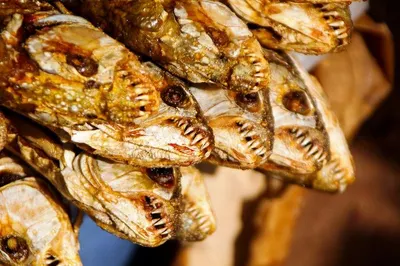
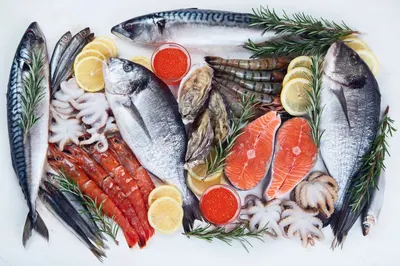
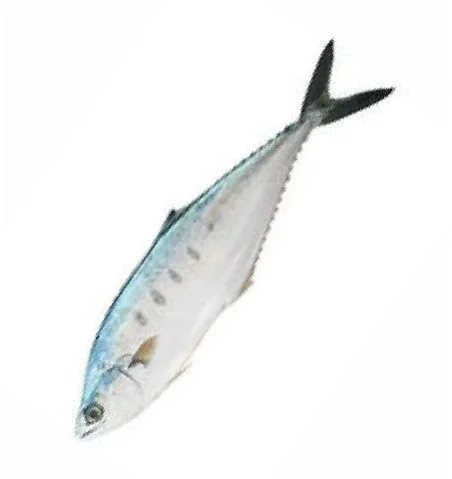
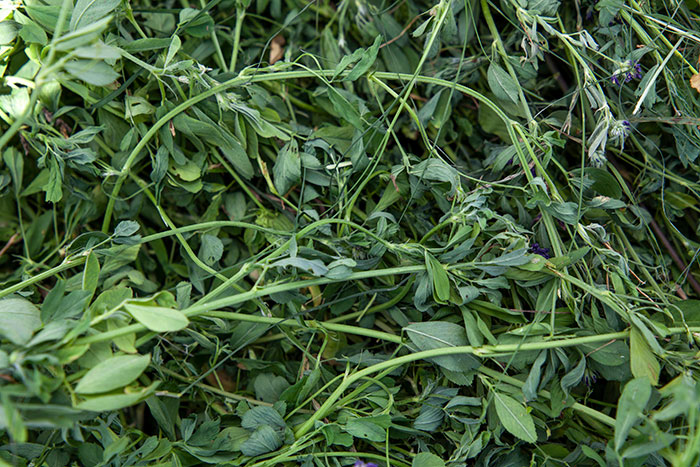
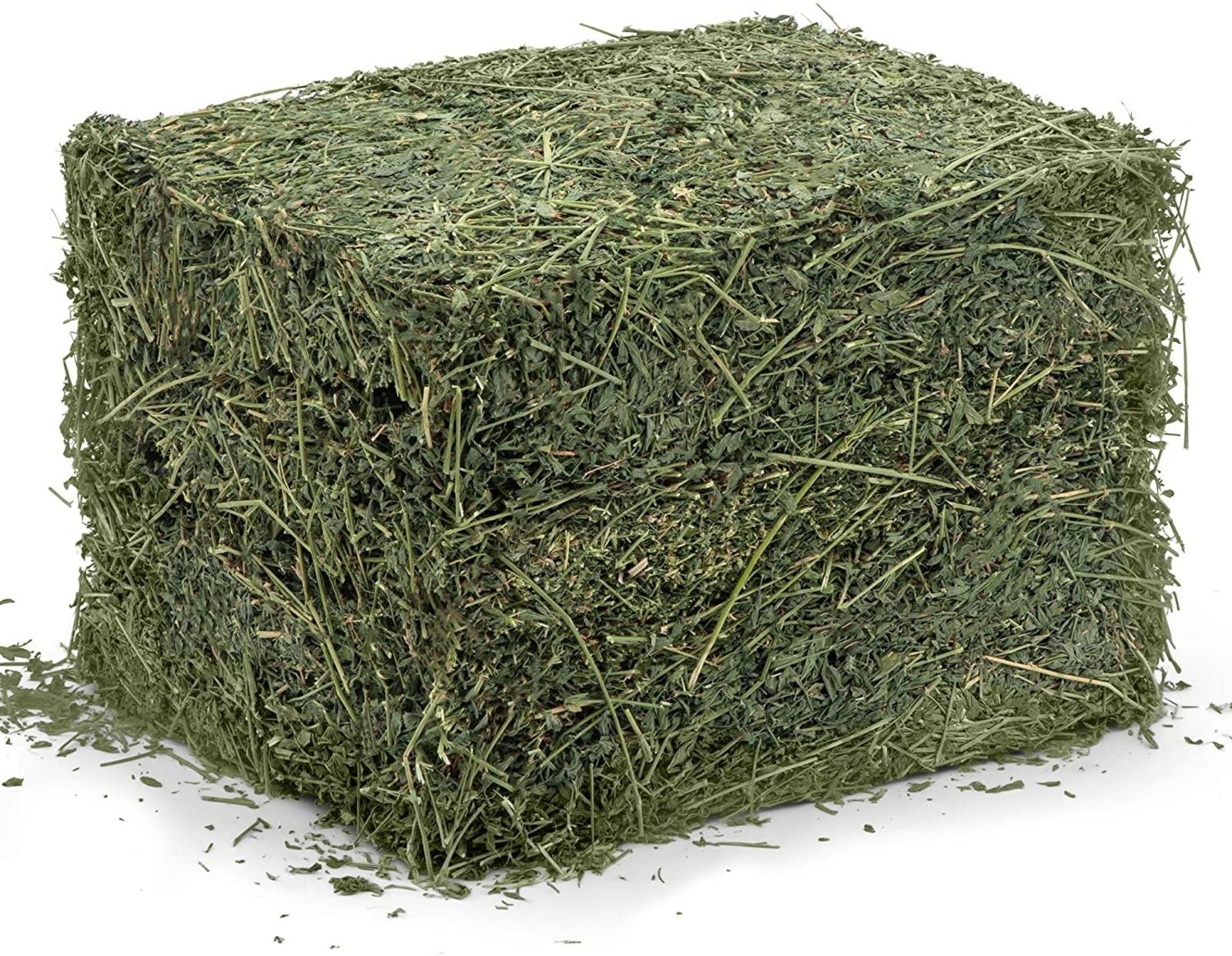
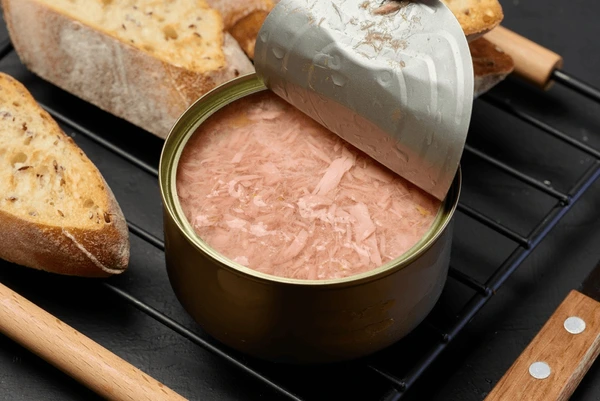
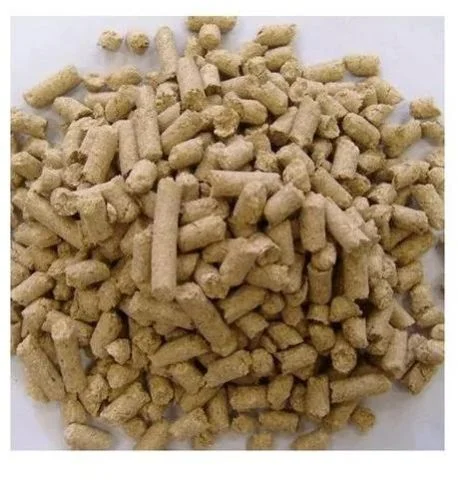
Alphamega Global Ltd is based in Turkey and currently lists 31 active products in its online catalogue. The catalogue spans animal feed (alfalfa hay) and a broad spectrum of seafood items, including frozen fish, fresh and frozen crustaceans, and dried marine products. The listed seafood categories feature species such as Pacific mackerel, tilapia, pangasius, hilsa, red snapper, and various lobsters and crabs. Several dried seafood entries specify HS codes 0305.59 for dried anchovy, 0306.17 for dried red shrimp, and 0305.49 for freeze‑dried Atlantic salmon. The alfalfa hay entries are described as high‑protein, suitable for animal feeding, and are grouped under the generic feed category.
Product Range and Specialties of Alphamega Global Ltd
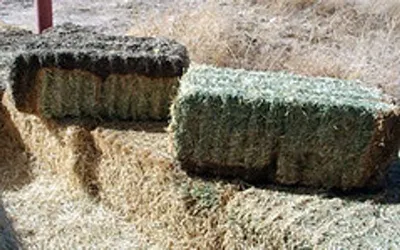
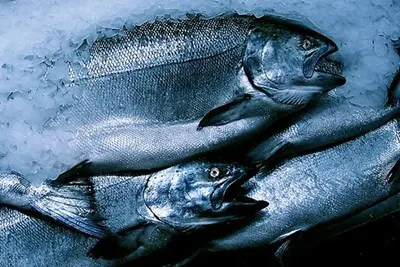
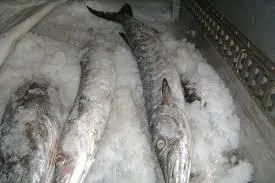
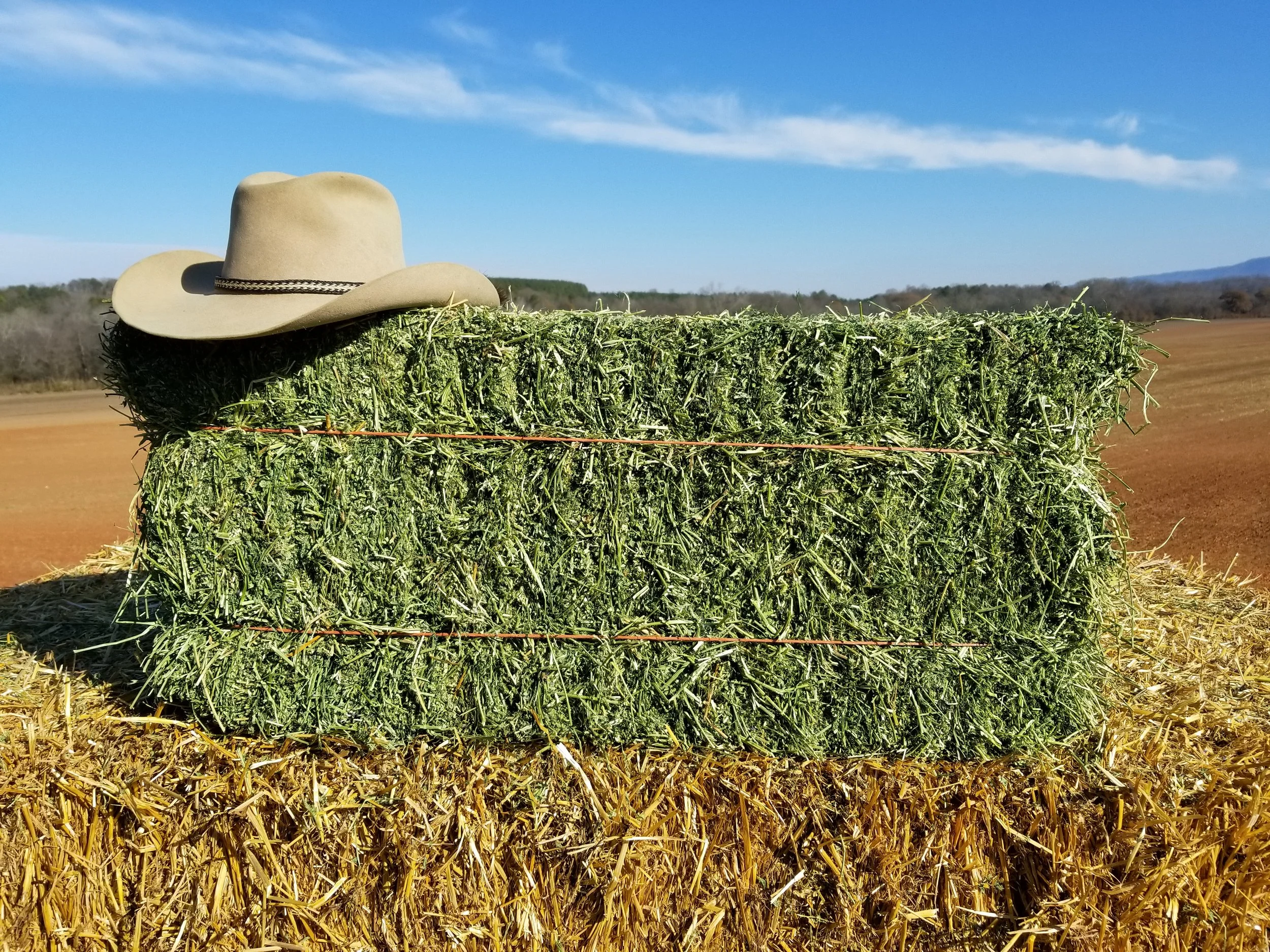
The catalogue contains multiple alfalfa hay listings described as high‑protein or best‑grade, which in the feed industry are typically evaluated by crude protein levels of 15‑20 % and low fiber content. Seafood entries include frozen Pacific mackerel, tilapia, pangasius, hilsa, and red snapper, where buyers often request moisture limits below 70 % and ice glaze thickness of 2‑3 mm per kilogram of product. Dried seafood items such as dried anchovy and dried red shrimp fall under HS Chapter 03 and are usually sold in vacuum‑packed or bulk bags with moisture content under 12 %. Freeze‑dried salmon is classified under HS 0305.49 and commonly meets a residual moisture level below 5 % and retains natural lipid profiles. The variety of product formats - fresh, frozen, dried, and freeze‑dried - mirrors typical Turkish export portfolios that target feed manufacturers, seafood processors, and retail distributors.
Trade and Export Information - Alphamega Global Ltd
Turkey is a major exporter of both animal feed and seafood, with the European Union, the Middle East, and North America representing the largest import markets for these categories. HS Chapter 03 (0305‑0306) covers fish, crustaceans and molluscs, and HS Chapter 12 includes animal feed such as alfalfa hay, which is often shipped in 20‑ft or 40‑ft containers on a palletized basis. International buyers of frozen seafood usually require HACCP, BRC or ISO 22000 certification, as well as compliance with EU Regulation 853/2004 for fish hygiene. Dried seafood imports commonly need phytosanitary certificates and may be subject to maximum residue limits for heavy metals and histamine under Codex standards. For alfalfa hay, EU buyers frequently request evidence of compliance with EU Feed Hygiene Regulation, mycotoxin testing (e.g., aflatoxin B1 < 20 µg/kg), and documentation of sustainable sourcing. Typical Incoterms for Turkish exporters are FOB or CIF, with refrigerated containers (reefers) for frozen products and dry containers for hay and dried seafood.
Sourcing from Alphamega Global Ltd - Buyer Guidance
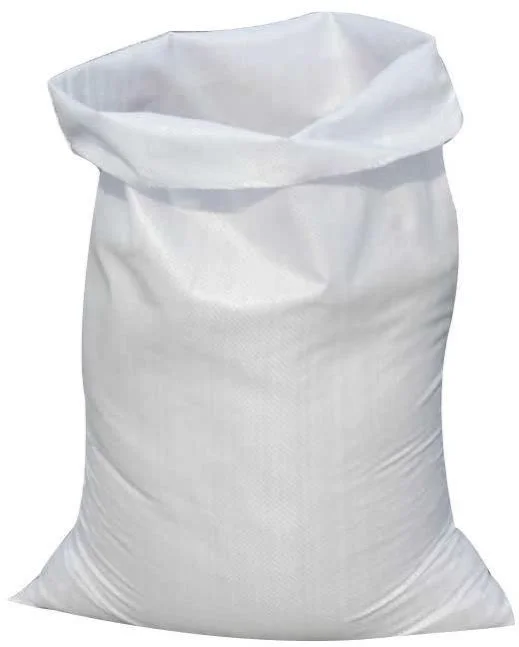
When sourcing from this supplier, request up‑to‑date HACCP or BRC audit reports for any frozen or fresh seafood items, and a recent analysis of mycotoxins and crude protein for alfalfa hay. Ask for product specification sheets that list moisture content, ice glaze thickness, packaging weight (e.g., 10 kg bags for frozen fish, 20 kg bulk bags for dried shrimp) and HS code to verify customs classification. Verify that the dried seafood products carry a phytosanitary certificate and, where applicable, a Certificate of Origin to benefit from preferential duty rates under Turkey‑EU agreements. For bulk shipments, confirm container type (reefers for frozen fish, dry containers for hay) and typical lead times of 30‑45 days from order confirmation to shipment.
Frequently Asked Questions About Alphamega Global Ltd
What seafood species does Alphamega Global Ltd list in its catalogue?
The catalogue mentions Pacific mackerel, tilapia, pangasius, hilsa, red snapper, various lobsters, crabs, and both fresh and frozen shrimp varieties.
Which HS codes are associated with the dried seafood products?
The dried anchovy entry uses HS code 0305.59, the dried red shrimp entry uses HS code 0306.17, and the freeze‑dried salmon entry uses HS code 0305.49.
What typical certifications should a buyer request for the frozen fish items?
Buyers should request HACCP, BRC or ISO 22000 audit reports, as well as proof of compliance with EU Regulation 853/2004 for fish hygiene.
How is alfalfa hay usually evaluated for quality in the feed market?
Quality is commonly assessed by crude protein content (15‑20 %), low fiber percentage, leaf‑to‑stem ratio, and mycotoxin levels such as aflatoxin B1 below 20 µg/kg.
What packaging formats are standard for the frozen seafood products?
Frozen fish are typically packed in insulated boxes or vacuum‑sealed bags ranging from 10 kg to 20 kg, and shipped in temperature‑controlled (reefers) containers.
What documentation is needed for the dried seafood exports?
A phytosanitary certificate, Certificate of Origin, and a laboratory analysis report confirming moisture content (usually under 12 %) and compliance with Codex heavy‑metal limits are standard.
What are the common container types used for shipping alfalfa hay?
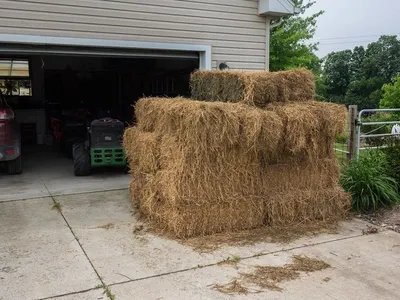
Alfalfa hay is usually loaded in 20‑ft or 40‑ft dry containers on pallets, with bulk bags of 20 kg or 25 kg per bag to optimize space.
What lead time should a buyer expect for a full container load from Turkey?
Typical lead times for a full container load range from 30 to 45 days, depending on product type, required certifications and seasonal shipping schedules.




 , Turkey