Efrika mall international SARL — Verified Supplier
About Efrika mall international SARL - Multi-Category Supplier in Zaire
Efrika mall international SARL operates out of Zaire and currently lists 32 active products across a broad spectrum of categories. The catalogue includes essential oils (HS 3301.29) presented as 100 % pure natural extracts, vegetable oil cosmetics (HS 3304.99) based on a blend of coconut, jojoba, argan and sunflower oils, and refined corn oil for edible use (HS 1507.90). Additional entries cover cosmetic products (HS 3304.30), decorative zinc‑alloy items (HS 7117.90), spice seed blends such as cumin‑coriander (HS 0909.21), and a variety of food staples ranging from wheat flour (HS 1101.00) to sorghum grain (HS 1007.00). Each product is identified by a specific HS code and material description, providing a clear view of the commodity types the supplier can export.
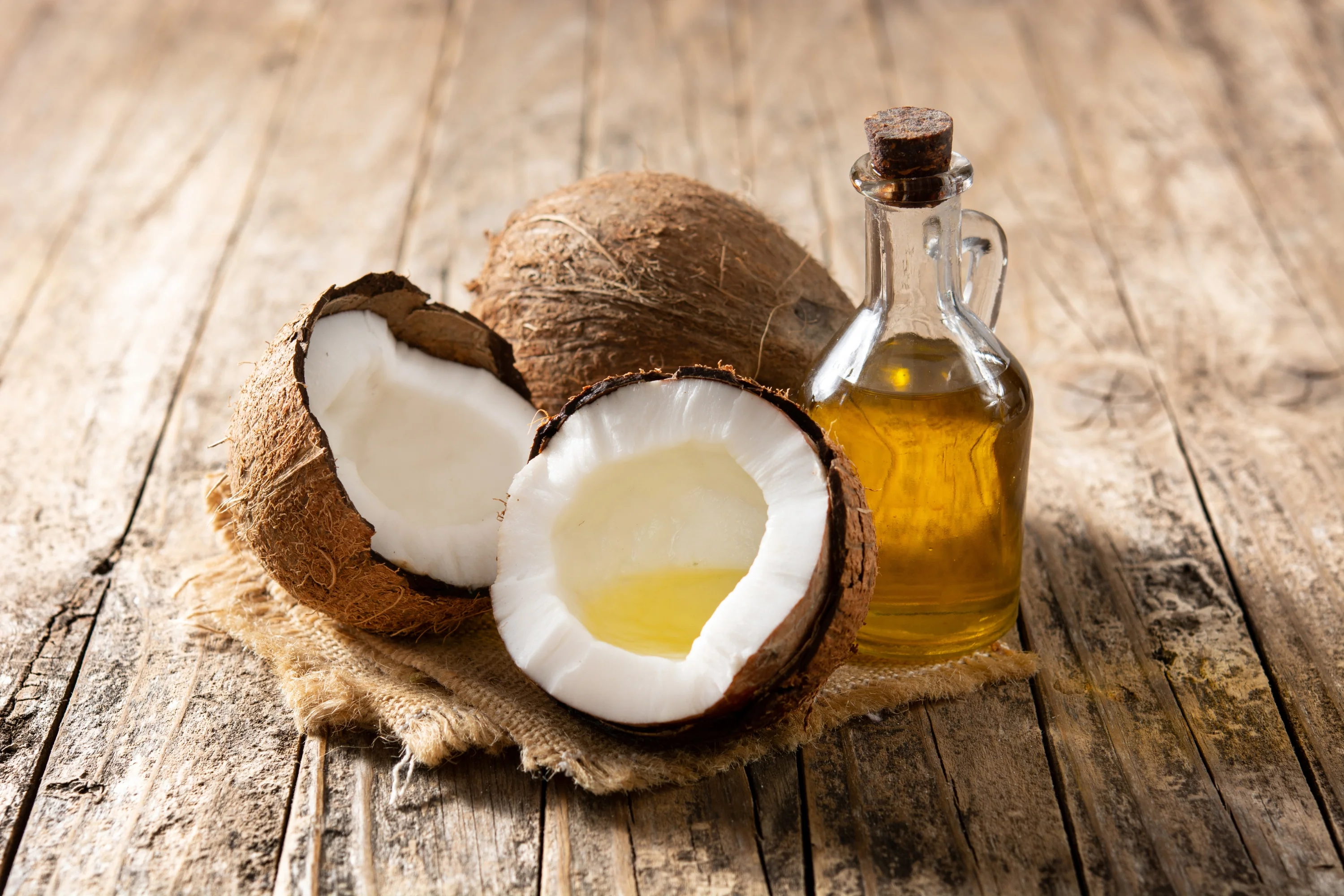
The supplier’s portfolio also contains numerous agricultural and natural raw materials: cassia tora seeds (HS 1209.99), moringa seeds (HS 1207.99), cashew nut kernel oil (HS 1515.90), shea butter (HS 1515.90), sun‑dried shrimp (HS 0306.11), baobab powder (HS 1212.93), peppermint herb (HS 1211.90), and a range of nuts, legumes and oils such as peanuts (HS 1202.42), coconut oil (HS 1513.19) and organic soaps (HS 3401.19). The list further includes specialty items like herbal teas (HS 0902.40), dry split turmeric (HS 0910.30) and even artistic prints (HS 4911.91). All entries are described as natural or organically positioned, reflecting the supplier’s “organic” tier classification.
Product Range and Specialties of Efrika mall international SARL
The catalogue groups products into three broad families: (1) natural extracts and cosmetics - essential oils (3301.29), vegetable‑oil based cosmetics (3304.99) and broader cosmetic formulations (3304.30); (2) edible oils and fats - refined corn oil (1507.90), coconut oil (1513.19), shea butter and cashew nut oil (both 1515.90) - which in global trade are typically graded by free‑fatty‑acid content (<0.1 % for refined oils) and peroxide value (<10 meq O₂/kg). (3) Food grains, seeds and spices - wheat flour (1101.00) usually meets protein 10‑12 % and ash < 0.6 %; sorghum (1007.00) and maize (1005.90) are shipped in 25 kg bags with moisture ≤ 14 %; spice seeds (0909.21) are expected to have moisture ≤ 12 % and foreign‑matter < 2 %. Industry standards such as ISO 22000 for food safety, ISO 9001 for quality management and, where applicable, organic certifications (e.g., EU‑organic, USDA‑NOP) are the usual baselines for buyers sourcing these categories.
Trade and Export Information - Efrika mall international SARL
Exports of natural extracts, edible oils and staple grains from Central African nations like Zaire are routinely directed to the European Union, North America and the Middle East, where demand for organic and ethically sourced commodities is strong. The HS code families present (3301‑3304 for cosmetics, 1507‑1515 for oils, 1005‑1101 for grains) trigger standard customs inspections for purity, pesticide residues and, for organic claims, verification against the relevant organic certification body. Buyers typically require compliance with HACCP food‑safety plans, phytosanitary certificates for seeds and grains, and COA (Certificate of Analysis) for oils and extracts. Packaging conventions include 1 L bottles for essential oils, 20 kg drums or 25 kg bags for bulk oils, and 25 kg polypropylene bags for grains, all loaded into 20‑ft or 40‑ft containers under FOB or CIF terms. Zaire’s export logistics rely on the port of Matadi and inland rail to Kinshasa, making containerized shipments the most common mode for the listed product range.
Sourcing from Efrika mall international SARL - Buyer Guidance
When sourcing from Efrika mall international SARL, buyers should request a full Certificate of Analysis for each batch of essential oil, oil blend or food grain, covering parameters such as purity (GC‑MS for extracts), free fatty acid level, peroxide value and moisture content. For organic‑labelled items, obtain the latest organic certification document and confirm that the production method matches the buyer’s target market’s regulations (e.g., EU organic regulation 834/2007). Verify that phytosanitary certificates accompany all seed, grain and spice shipments, and that the supplier can provide test reports for pesticide residues, aflatoxins (for nuts) and heavy metals (for powders). Typical minimum order quantities range from 500 kg for refined oils to 20 metric tons for bulk grains, with lead times of 4‑8 weeks after order confirmation, depending on harvest cycles and customs clearance at the port of export.
Frequently Asked Questions About Efrika mall international SARL
What product categories does Efrika mall international SARL list in its catalogue?
The supplier lists 32 items covering essential oils (HS 3301.29), vegetable‑oil cosmetics (HS 3304.99), refined corn oil (HS 1507.90), a range of food grains such as wheat flour (HS 1101.00) and sorghum (HS 1007.00), spice seed blends (HS 0909.21), herbal teas, nuts, seeds, butter, and several decorative metal items.
Which HS codes are associated with the edible oil products?
Edible oil products are identified under HS 1507.90 for refined corn oil, HS 1513.19 for coconut oil and HS 1515.90 for both cashew nut kernel oil and shea butter. These codes fall within Chapter 15, which governs animal or vegetable fats and oils.
What certifications should a buyer request for the organic‑labelled items?
Buyers should ask for the current organic certification (e.g., EU‑organic, USDA‑NOP) and an ISO 9001 quality‑management certificate. In addition, a COA that confirms compliance with organic pesticide limits and the absence of synthetic additives is standard practice.
What are the typical packaging formats for the grain and oil products?
Grains such as wheat, sorghum, rice and maize are usually packed in 25 kg polypropylene bags, while bulk oils are shipped in 20 kg drums or 25 kg food‑grade bags. Essential oils are typically bottled in 100 ml or 1 L glass containers with sealed caps.
What is the usual minimum order quantity and lead time for the listed products?
Minimum order quantities are commonly 500 kg for refined or specialty oils and 20 metric tons for bulk grains. Lead times range from four to eight weeks after order receipt, depending on harvest timing and the need for export documentation.
Which Incoterms are most frequently used for shipments from Zaire?
Exporters from Zaire generally operate on FOB Kinshasa or CIF destination, allowing buyers to manage freight or to receive the goods with insurance and transport costs included.
What documentation is required for customs clearance of spice seeds and herbal teas?
Customs authorities typically require a phytosanitary certificate, a Certificate of Origin and a COA showing moisture content below 12 % for spice seeds and compliance with food‑safety standards for herbal teas.
How can a buyer obtain a sample before placing a full order?
The supplier can dispatch a small sample (e.g., 100 ml of essential oil or a 5 kg bag of grain) under a prepaid term. Buyers should request the sample together with the COA and, for organic products, a copy of the current organic certificate.




 , Zaire