Lunaz Sea Foods — Manufacturer & Wholesale Supplier
About Lunaz Sea Foods - Seafood Supplier in Bangladesh
Bangladesh, capital Dhaka, hosts Lunaz Sea Foods, which currently lists five active products in its catalogue. The company reports exporting a range of seafood items, sesame seeds, fresh crabs, and medical face masks, and also acting as an agent for energy oil. Its profile states it supplies all kinds of seafood and agricultural products according to buyer demand. The supplier’s tier is marked as organic and its trust tier as harbor. The catalogue reflects the same categories.
The published catalogue contains entries for sesame seeds, a duplicate listing of sesame seed, generic seafood, soft‑shell crab, and another seafood entry. These entries correspond to the top categories identified as sesame seeds, seafood, fresh crabs, medical face masks, and fresh or chilled seafood. The product count of five aligns with the five catalogue lines. No additional product specifications such as HS codes are supplied in the source data.
Product Range and Specialties of Lunaz Sea Foods
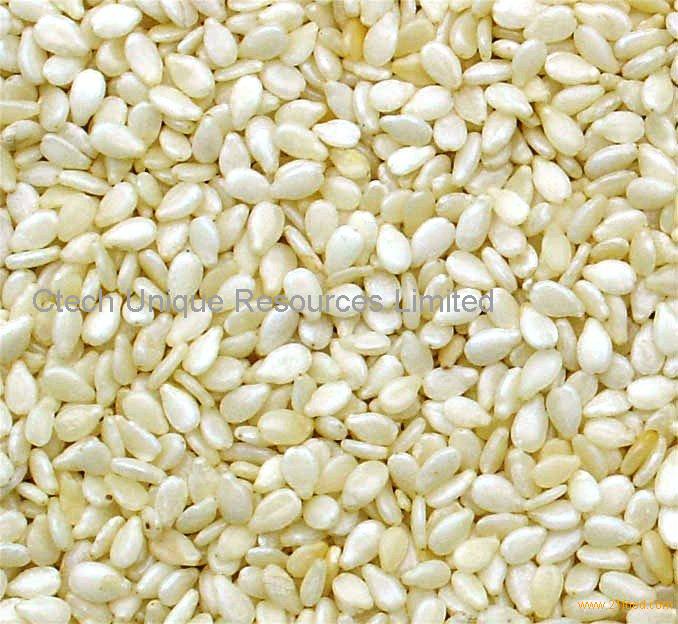
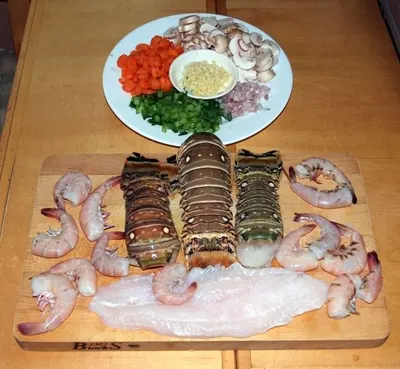
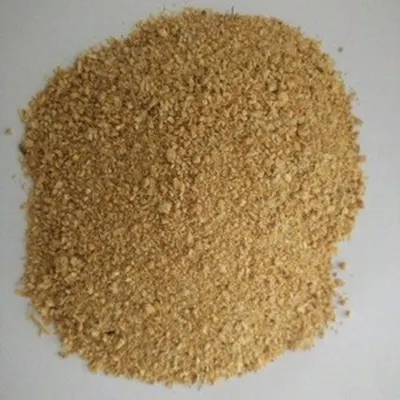
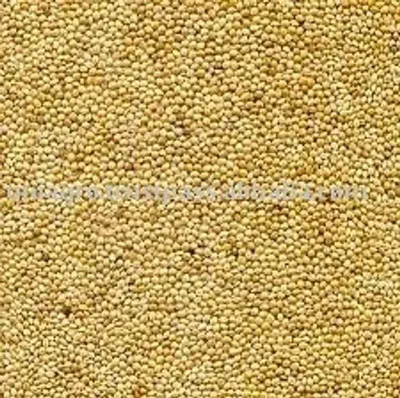
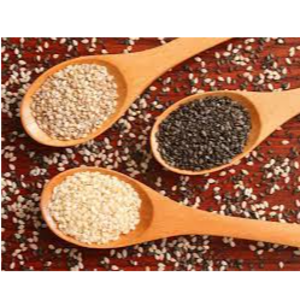
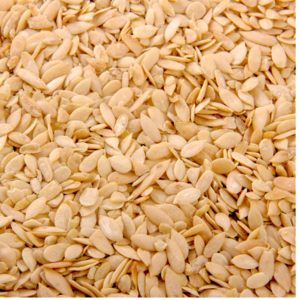
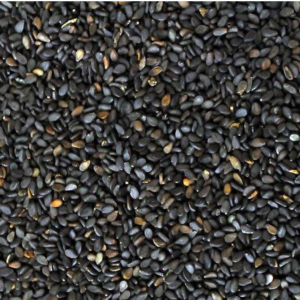
Lunaz Sea Foods lists sesame seeds and a generic seafood line together with soft‑shell crab. In the global market, sesame seeds are offered as hulled or unhulled, white or black varieties, typically with moisture content not exceeding 6 % and oil content between 45 % and 55 %. Seafood exporters usually differentiate between frozen fillets, whole fish, and shell‑fish, with soft‑shell crab commonly graded by carapace length (100‑150 mm) and sold chilled in insulated cartons. Buyers often request batch‑specific specifications such as size, weight per unit (e.g., 1 - 2 kg per crab), and ice‑packaging standards for freshness. The combination of these product types places the supplier within the broader Bangladesh export segment for agricultural and marine commodities.
Trade and Export Information - Lunaz Sea Foods
Bangladesh is a recognized source of both sesame seeds and a variety of seafood, with the EU, Middle East, and the United States representing the largest import markets for these goods. Sesame seeds fall under HS Chapter 12, specifically HS 1208.00, while crustaceans such as soft‑shell crab are classified under HS 0302.12 and broader seafood items under HS 0305.10. Exporters typically provide HACCP, ISO 22000, and, where applicable, organic certification; buyers frequently request BRC or SQF audit reports for seafood shipments. Standard export logistics involve FOB loading at Chittagong or Mongla ports, with refrigerated 20‑ft or 40‑ft containers used for chilled seafood and bulk bags for sesame seeds. Import regulations often require phytosanitary certificates for agricultural products and health certificates for marine goods, together with compliance to maximum residue limits (MRLs) set by the destination country.
Sourcing from Lunaz Sea Foods - Buyer Guidance
When sourcing sesame seeds from this supplier, request a recent analysis report confirming moisture ≤6 % and oil content within the 45‑55 % range, as well as a pesticide residue test that meets the EU maximum residue limits. For soft‑shell crab and other seafood, ask for HACCP certification, a health certificate, and a microbiological test covering total plate count and coliforms. Verify the packaging method (e.g., insulated boxes with gel ice) and confirm that the shipment will be sealed in a temperature‑controlled container maintaining 0‑4 °C. Typical minimum order quantities in the sector are 500 kg for sesame seeds and 200 kg for chilled seafood, with lead times of 30‑45 days from order confirmation.
Ensure that any claim of organic status is backed by a recognized organic certificate issued by an accredited body in Bangladesh. Request a product sample before finalizing a large order, and compare the sample’s physical parameters (seed colour, crab size, ice‑pack integrity) against the specifications outlined in the supplier’s catalogue. Confirm that the commercial invoice lists the correct HS codes and that the shipping documents include the required certificates of origin and sanitary certificates.
Frequently Asked Questions About Lunaz Sea Foods
What product categories does Lunaz Sea Foods list in its catalogue?
The catalogue contains five entries: sesame seeds, a duplicate entry for sesame seed, a generic seafood line, soft‑shell crab, and another seafood entry.
Which HS codes are typically used for the products offered by this supplier?
Sesame seeds are classified under HS 1208.00, soft‑shell crab under HS 0302.12, and broader seafood items under HS 0305.10. The supplier’s data does not list specific HS codes, so buyers should verify the correct code for each shipment.
What certifications are commonly required for importing sesame seeds and seafood from Bangladesh?
Buyers usually request HACCP or ISO 22000 for seafood, BRC or SQF audit reports, and organic certification if the product is marketed as organic. For sesame seeds, phytosanitary certificates and, where applicable, organic certificates are standard.
What are typical packaging methods for the supplier’s seafood products?
Seafood such as soft‑shell crab is typically packed in insulated cartons with gel ice, sealed in refrigerated 20‑ft or 40‑ft containers that maintain 0‑4 °C throughout transit. Bulk fish may be frozen and packed in vacuum‑sealed bags.
What sample or test reports should a buyer request before placing a large order?
Buyers should ask for a moisture and oil‑content analysis for sesame seeds, pesticide residue results, and for seafood a microbiological test covering total plate count and coliforms, as well as a HACCP compliance certificate.
What are the usual minimum order quantities and lead times for these product lines?
In the sector, sesame seeds are commonly ordered in minimum batches of around 500 kg, while chilled seafood such as soft‑shell crab is often sold in batches of 200 kg or more. Lead times from order confirmation to shipment typically range from 30 to 45 days.
How are shipments from Bangladesh usually exported?
Exporters frequently use FOB terms from the ports of Chittagong or Mongla, with refrigerated containers for seafood and bulk bags for sesame seeds. Buyers often arrange CIF or DAP terms for final delivery.
What documentation is essential for customs clearance of these goods?
Customs clearance generally requires a commercial invoice listing the correct HS code, a certificate of origin, a phytosanitary certificate for sesame seeds, and a health certificate for seafood, along with any required HACCP or organic certificates.




 , Bangladesh

.jpg.png)