Agriculture›
 Apparel and fashion accessories›
 Construction & real estate›💡Electronic & Electrical›🍎Food & Beverages›🛋️Home furnishing & supplies›⚗️Industrial goods & chemical›🪨Minerals & metals›📦Miscellaneous›Agriculture›Apparel and fashion accessories›Construction & real estate›💡Electronic & Electrical›🍎Food & Beverages›🛋️Home furnishing & supplies›⚗️Industrial goods & chemical›🪨Minerals & metals›📦Miscellaneous›
Alaitihad Herbs Product Catalog

About Alaitihad Herbs - Herbs Supplier in Egypt
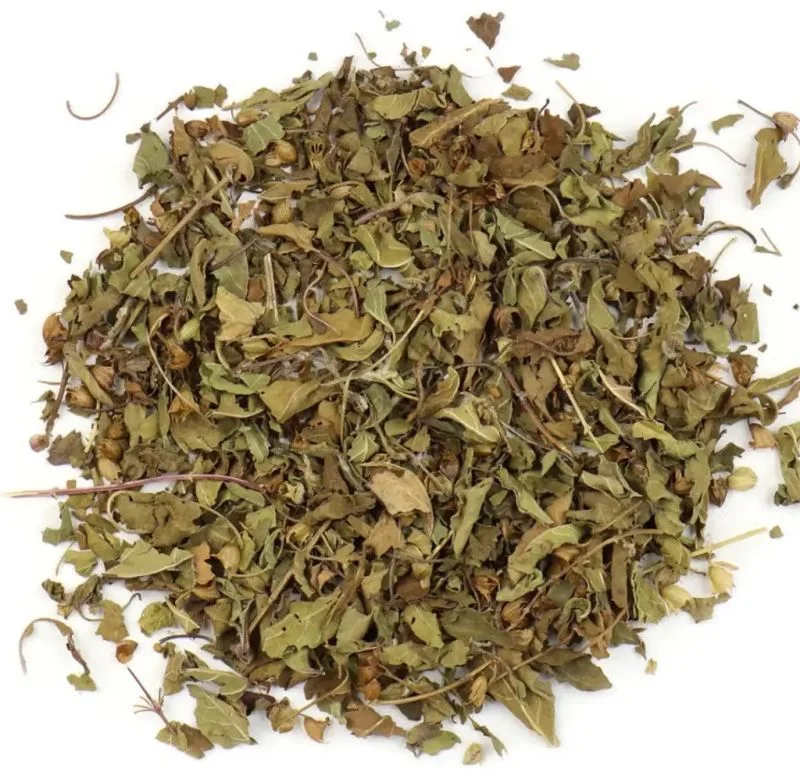
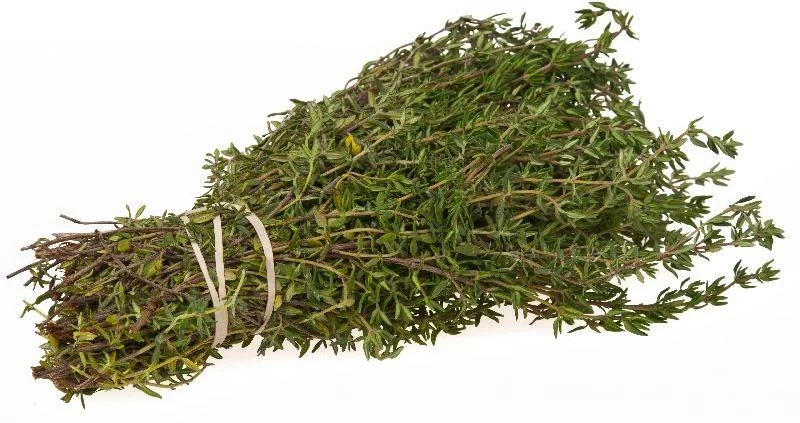
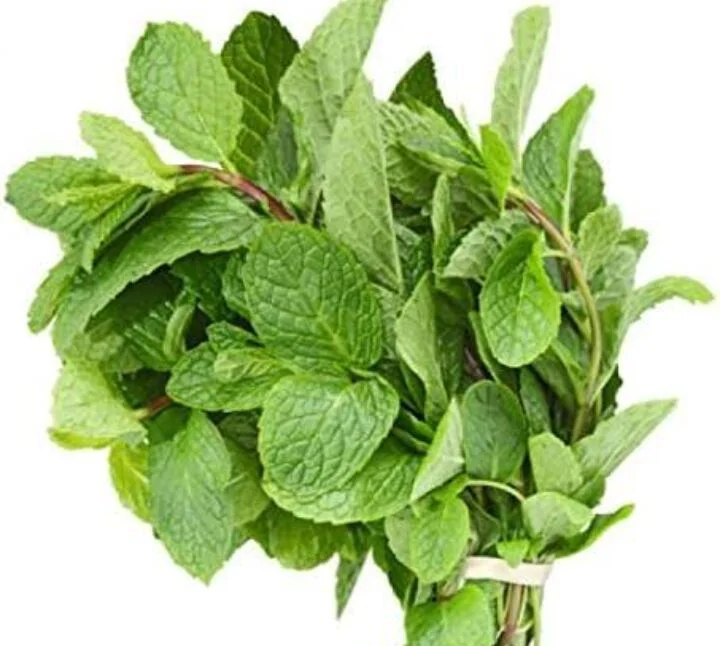
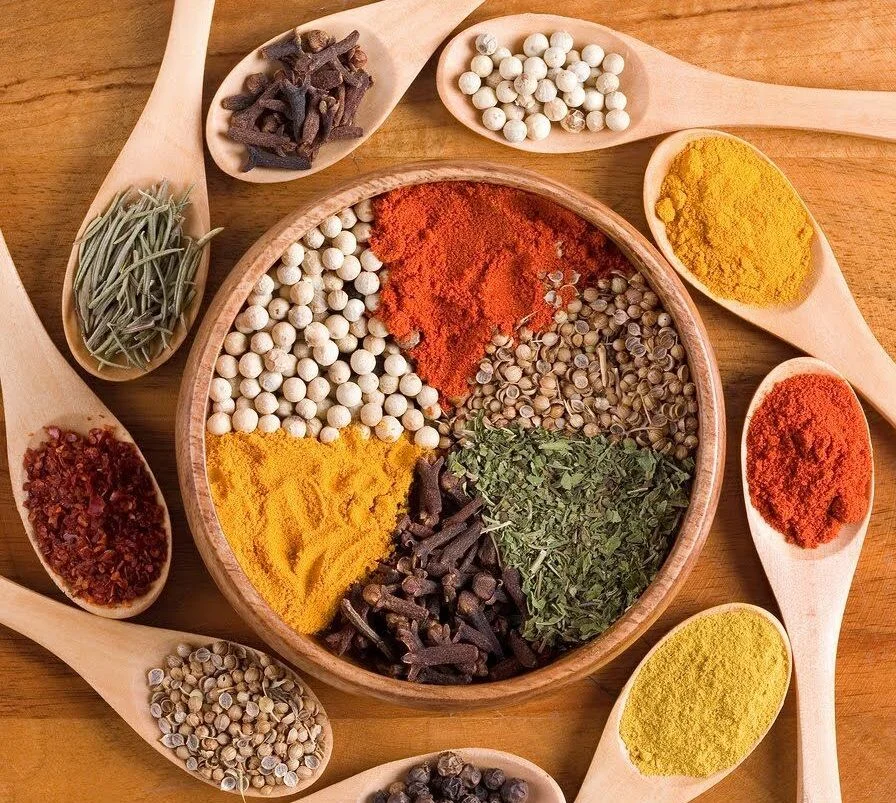
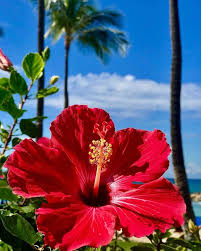
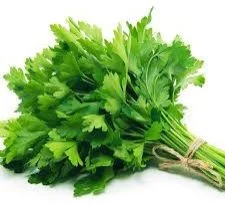
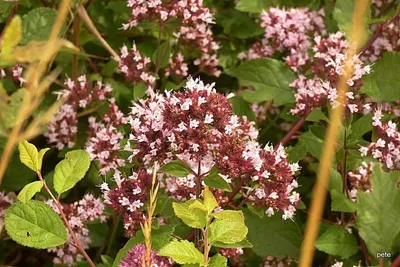
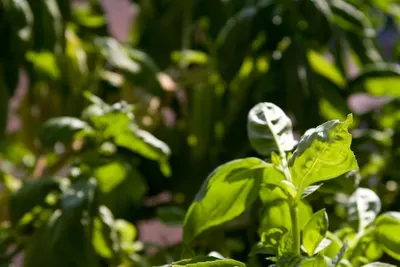
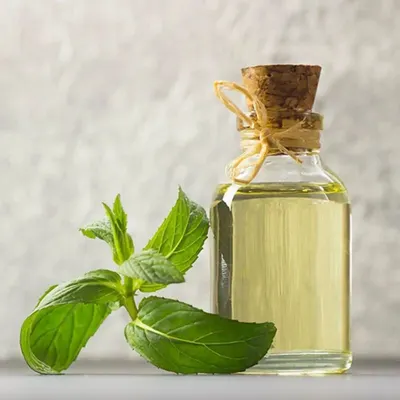
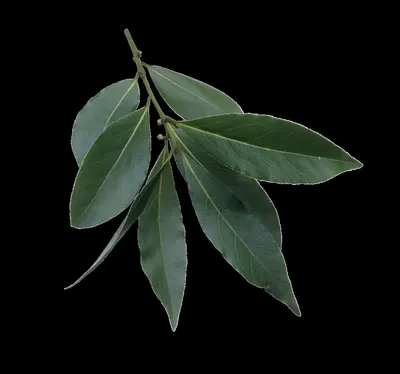
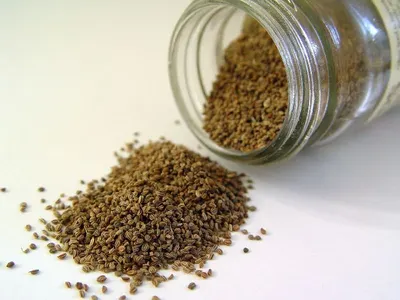
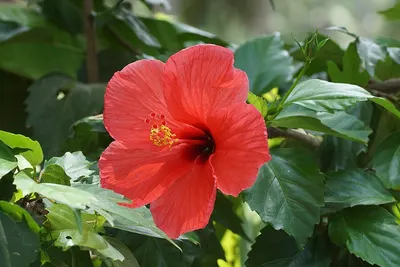
Alaitihad Herbs operates from Egypt, with its activities centred in the agricultural zones of the Nile Delta. The supplier lists ten active products across the herb and spice segment, including both leafy herbs and seed varieties. In the catalogue, the company provides dried Marjoram, Basil, Spearmint, Bay Laurel (recorded under HS code 0910.91 for dried bay leaves), Dill Seeds, Fennel Seeds, Hibiscus, Lemon Grass, Parsley and Peppermint. Each item is presented as a bulk dried commodity suitable for further processing or packaging. The product set reflects the typical herb categories exported from Egypt, covering both aromatic leaves and culinary seeds.
The product set combines common culinary herbs such as Basil, Spearmint and Parsley with specialty items like Hibiscus and Lemon Grass. Seed commodities include Dill and Fennel, while the dried leaf segment features Marjoram, Bay Laurel and Peppermint. All items are identified as dried plant material, and the Bay Laurel entry includes a specific HS classification (0910.91) that aligns with international customs coding for dried bay leaves. The remaining herbs fall under broader HS headings for dried herbs and spices, typically recorded in HS chapter 09. The supplier’s catalogue does not reference any proprietary processing methods or additional certifications.
Product Range and Specialties of Alaitihad Herbs
Alaitihad Herbs’ catalogue covers ten dried herb and seed products. Dried leaf herbs such as Basil, Spearmint, Marjoram, Parsley, Peppermint and Bay Laurel are commonly graded by moisture content (usually below 12 %), leaf colour, and essential oil retention, with industry standards requiring microbial limits of ≤10,000 CFU/g for total plate count. Seed products like Dill and Fennel are evaluated by seed size (generally 3‑5 mm), purity (minimum 98 % seed), and oil content, with standard specifications calling for low foreign matter (<2 %). Buyers often request certificates of analysis confirming pesticide residue levels below the EU maximum residue limits (MRLs) and aflatoxin thresholds under 5 µg/kg. Typical packaging includes 25 kg jute bags for bulk shipments and 1 kg retail cartons, each sealed to protect against humidity.
Frequently Asked Questions About Alaitihad Herbs
What HS codes apply to the herbs offered by Alaitihad Herbs?
Bay Laurel is classified under HS code 0910.91 for dried bay leaves. The other dried leaf herbs and seed products fall under the broader HS 0910 headings for dried herbs, spices and related seeds.
Which quality specifications should I verify for the dried herbs?
Check moisture content (typically <12 %), microbial limits (total plate count ≤10,000 CFU/g), and pesticide residue levels that meet EU or US maximum residue limits. Essential oil content and leaf colour are also common quality parameters.
Are certifications such as ISO 22000 or HACCP required for these products?
Buyers usually request ISO 22000, HACCP or GMP certificates to confirm food safety compliance. These certifications are not listed in the supplier’s facts, so they should be requested directly.
What packaging formats are standard for bulk shipments?
Bulk dried herbs are typically packed in 25 kg jute bags or 1 kg retail cartons, sealed against moisture. For container loading, pallets with stretch‑wrap are used to maximize space and protect product integrity.
How can I obtain a sample before placing a large order?
Alaitihad Herbs can provide a 1 kg sample of each requested herb. Samples are shipped in small cartons and are accompanied by a Certificate of Analysis for the specific batch.
 Egypt
Related Suppliers & Products
Explore similar suppliers, related products and trending categories