AC Knits — Verified Supplier

About AC Knits - Shirts & T-Shirts Supplier in India

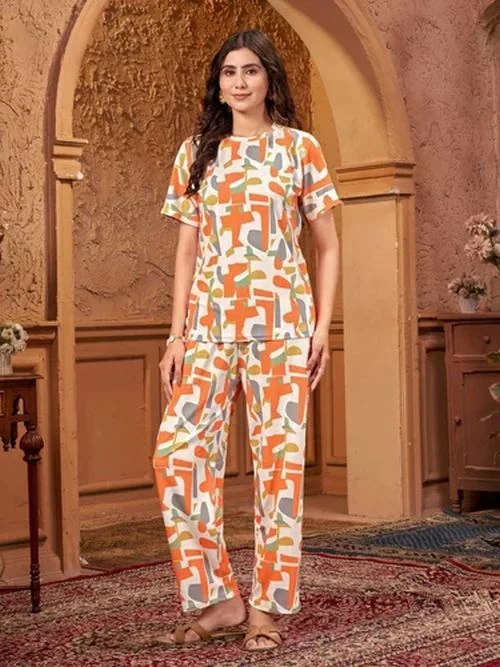
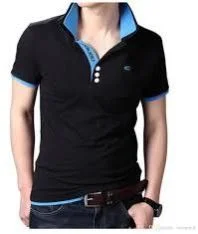
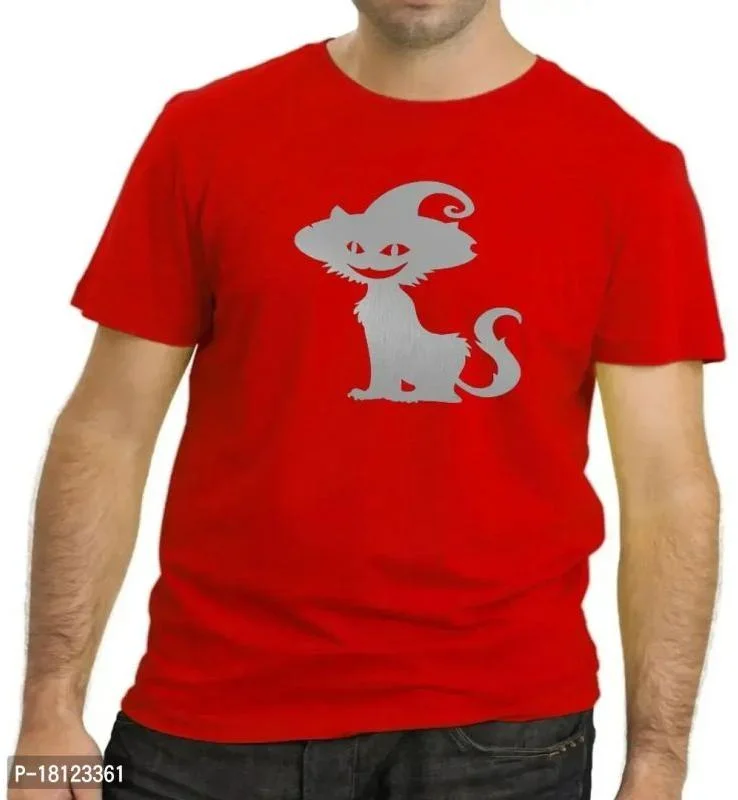
India hosts AC Knits, which currently lists 17 active products across its catalogue. The company’s offerings concentrate on knitwear for men, babies and ladies, with product names such as Mens Yarn Dyed T‑Shirt, Mens Yarn Dyed Polo, Mens Knitted Sports Wear and Mens Interlock Yarn Dyed Pyjama Set. In the baby segment, items include Baby Girl Cap Sleeve Bodies, Baby Romper With Padding, Baby Pyjama Set, Baby Infant Toddler Baloon T‑shirt, Baby Knitted Scarf and Baby Knitted Cap Hat, each recorded under HS codes 6111.20 or 6117.10. Materials are described as 100 % cotton interlock or single jersey knit (160‑200 GSM), cotton‑polyester blends, combed cotton knit and soft acrylic‑cotton blends. The ladies’ line features photo‑printed tops, knitted pants, night‑wear pyjama sets, sweat shirts and knitted tops, completing the 17‑item portfolio.

The catalogue reflects common knitwear construction methods used in Indian garment manufacturing, where yarn‑dyed interlock fabrics are standard for casual shirts and sportswear. Baby garments are typically produced in 100 % cotton with GSM values between 160 and 200, matching industry expectations for softness and durability. The inclusion of HS code 6117.10 for acrylic‑blend scarves aligns with global customs classification for knitted or crocheted apparel accessories. Overall, AC Knits provides a focused selection of knit apparel that maps directly onto recognised HS chapters for textile products.

Product Range and Specialties of AC Knits

The product list comprises men’s casual and sports knitwear, baby apparel made from single‑jersey or interlock cotton, and a small assortment of ladies’ tops and night‑wear. Men’s items such as yarn‑dyed T‑shirts and polos are typically produced in 30‑40 gsm yarn weight, dyed before knitting to achieve uniform colour. Baby bodies and pyjama sets use 100 % cotton interlock at 160‑200 gsm, a weight that balances breathability with warmth for infant skin. The baby scarf (HS 6117.10) utilizes a soft acrylic‑cotton blend, a common alternative to pure wool for cost‑effective accessories. In the ladies’ segment, knitted tops and sweat shirts follow standard cotton or cotton‑blend yarns with GSM ranges of 180‑220, matching market expectations for casual wear.

Industry standards for these categories include Oeko‑Tex Standard 100 testing for harmful substances, color‑fastness to washing (ISO 105‑C06) and dimensional stability (shrinkage <3 %). Buyers often specify GSM tolerances of ±5 % and request lab‑tested yarn counts (e.g., 30 Ne or 40 Ne for T‑shirts). For baby garments, compliance with REACH and CPSIA (for US imports) is routinely required, especially when blends contain polyester or acrylic fibers.

Trade and Export Information - AC Knits

India is a major exporter of knitwear under HS chapters 61 and 62, with the United States, European Union, and Middle‑East markets accounting for the largest shares of demand for casual shirts, sportswear and baby apparel. The HS code 6111.20 covers knitted or crocheted garments of cotton, which are subject to routine customs inspections for fibre content, country of origin marking and compliance with textile labelling regulations. Buyers importing these items commonly request certificates such as Oeko‑Tex Standard 100, ISO 9001 quality management and, where applicable, GOTS for organic cotton. Typical shipping arrangements use 40‑ft containers packed in poly‑bagged cartons of 20‑30 kg each, with FOB or CIF Incoterms negotiated per buyer preference.

Because AC Knits lists both men’s and baby knitwear, the supplier’s export profile aligns with the broader Indian textile sector that benefits from competitive labour costs and established cotton supply chains. Indian exporters usually provide pre‑shipment inspection reports (e.g., SGS or Bureau Veritas) to satisfy import‑country verification requirements. The presence of HS codes 6111.20 and 6117.10 indicates that customs duties and import quotas will be applied according to the destination country’s tariff schedule for cotton‑based and acrylic‑blend knitted goods.

Sourcing from AC Knits - Buyer Guidance

When sourcing from AC Knits, buyers should request a detailed material specification sheet that confirms fibre percentages, GSM, yarn count and dyeing method for each garment. Test reports for colour‑fastness, shrinkage and Oeko‑Tex compliance are standard documents that help verify product safety, especially for baby items. Verify that the HS code declared (6111.20 for cotton garments, 6117.10 for acrylic‑blend accessories) matches the invoice and packing list, and confirm the packaging dimensions to calculate container utilisation.

Frequently Asked Questions About AC Knits

What product categories are included in AC Knits’ catalogue?

The catalogue covers men’s knit shirts, polo shirts and sportswear, baby garments such as bodies, rompers, pyjama sets and knitted accessories, and a limited range of ladies’ tops, pants and night‑wear.

How many individual items does AC Knits list?

The supplier currently lists 17 distinct products across its active catalogue.

Which HS codes are associated with AC Knits’ products?

Products made of cotton knit are recorded under HS 6111.20, while the baby knitted scarf falls under HS 6117.10.

What materials and fabric weights are typical for the baby garments?

Baby bodies, pyjama sets and caps are described as 100 % cotton interlock or single jersey knit with a GSM range of 160‑200. The baby scarf uses a 100 % soft acrylic yarn or cotton blend.

What certifications should a buyer request for these knitwear items?

Buyers normally request Oeko‑Tex Standard 100 for harmful‑substance testing, ISO 9001 for quality management, and, where applicable, REACH compliance documentation for chemical safety.

What are common minimum order quantities and lead times for knitwear from Indian suppliers?

Typical MOQ for cotton knit garments ranges from 500 to 1,000 pieces per style, with lead times of 30‑45 days after design approval and sample confirmation.

How are the products usually packed for export?

Items are packed in poly‑bagged cartons, each carton weighing between 20 and 30 kg, and loaded into 20‑ft or 40‑ft containers depending on order volume.

What Incoterms are most frequently used for shipments from India?

FOB (Port of Mumbai or Chennai) and CIF (destination port) are the most common Incoterms negotiated for textile exports from India.


Featured Products from this Supplier

Other Suppliers in Primary Category

Top Trusted Suppliers

Related Products

Trending in Parent Category

More Suppliers in Category

Related Products

Other Suppliers

EximNext
58.5K+ live requirements
Register Free🎁 Reach verified global buyers
Post Requirement
🌍 Trusted by 224.6K+ businesses in 200+ countries|
58.5K+ active requirements right now
✉️ [email protected]
|
Sell on EximNextPost Requirement
EximNext
AgricultureApparelConstructionElectronicFoodHomeIndustrialMineralsMiscellaneous
🔥 Deals|✨ AI Match|🏭 Suppliers|📋 Buy Leads|💰 Trade Finance
58.5K+ live RFQs·194.6K+ suppliers
🎁 Reach global buyers →
EximNext
EximNext
Register Free
🎁 Reach verified global buyers
Sign In
📋Post Requirement💬Get QuotesAI Match📋RFQ Marketplace
All Categories
Services & Tools
🏭Supplier Directory🔥Today's Deals💰Trade Finance
Sell on EximNext
AboutContactBlogHelp
🏭

AC Knits

Harbor
Country flag , India
🛡️
77/100
Trust Score

AC Knits Product Catalog

Showing 12 of 17 products
View all products →
Baby Infant Toddler Baloon T-shirt
Harbor
Baby Infant Toddler Baloon T-shirt
Contact
MOQ: 1 Unit
Ladies Knitted Top
Harbor
Ladies Knitted Top
Contact
MOQ: 1 Unit
Ladies Sweat Shirt
Harbor
Ladies Sweat Shirt
Contact
MOQ: 1 Unit
Ladies Night Wear Pyjama Set
Harbor
Ladies Night Wear Pyjama Set
Contact
MOQ: 1 Unit
Ladies Knitted Pant
Harbor
Ladies Knitted Pant
Contact
MOQ: 1 Unit
Ladies Top
Harbor
Ladies Top
Contact
MOQ: 1 Unit
Ladies Photo Printed Top
Harbor
Ladies Photo Printed Top
Contact
MOQ: 1 Unit
Baby Knitted Cap Hat
Harbor
Baby Knitted Cap Hat
Contact
MOQ: 1 Unit
Baby Knitted Scarf
Harbor
Baby Knitted Scarf
Contact
MOQ: 1 Unit
Mens Yarn Dyed T-Shirt
Harbor
Mens Yarn Dyed T-Shirt
Contact
MOQ: 1 Unit
Baby Pyjama Set
Harbor
Baby Pyjama Set
Contact
MOQ: 1 Unit
Baby Romper With Padding
Harbor
Baby Romper With Padding
Contact
MOQ: 1 Unit

About AC Knits - Shirts & T-Shirts Supplier in India

India hosts AC Knits, which currently lists 17 active products across its catalogue. The company’s offerings concentrate on knitwear for men, babies and ladies, with product names such as Mens Yarn Dyed T‑Shirt, Mens Yarn Dyed Polo, Mens Knitted Sports Wear and Mens Interlock Yarn Dyed Pyjama Set. In the baby segment, items include Baby Girl Cap Sleeve Bodies, Baby Romper With Padding, Baby Pyjama Set, Baby Infant Toddler Baloon T‑shirt, Baby Knitted Scarf and Baby Knitted Cap Hat, each recorded under HS codes 6111.20 or 6117.10. Materials are described as 100 % cotton interlock or single jersey knit (160‑200 GSM), cotton‑polyester blends, combed cotton knit and soft acrylic‑cotton blends. The ladies’ line features photo‑printed tops, knitted pants, night‑wear pyjama sets, sweat shirts and knitted tops, completing the 17‑item portfolio.

The catalogue reflects common knitwear construction methods used in Indian garment manufacturing, where yarn‑dyed interlock fabrics are standard for casual shirts and sportswear. Baby garments are typically produced in 100 % cotton with GSM values between 160 and 200, matching industry expectations for softness and durability. The inclusion of HS code 6117.10 for acrylic‑blend scarves aligns with global customs classification for knitted or crocheted apparel accessories. Overall, AC Knits provides a focused selection of knit apparel that maps directly onto recognised HS chapters for textile products.

Product Range and Specialties of AC Knits

The product list comprises men’s casual and sports knitwear, baby apparel made from single‑jersey or interlock cotton, and a small assortment of ladies’ tops and night‑wear. Men’s items such as yarn‑dyed T‑shirts and polos are typically produced in 30‑40 gsm yarn weight, dyed before knitting to achieve uniform colour. Baby bodies and pyjama sets use 100 % cotton interlock at 160‑200 gsm, a weight that balances breathability with warmth for infant skin. The baby scarf (HS 6117.10) utilizes a soft acrylic‑cotton blend, a common alternative to pure wool for cost‑effective accessories. In the ladies’ segment, knitted tops and sweat shirts follow standard cotton or cotton‑blend yarns with GSM ranges of 180‑220, matching market expectations for casual wear.

Industry standards for these categories include Oeko‑Tex Standard 100 testing for harmful substances, color‑fastness to washing (ISO 105‑C06) and dimensional stability (shrinkage <3 %). Buyers often specify GSM tolerances of ±5 % and request lab‑tested yarn counts (e.g., 30 Ne or 40 Ne for T‑shirts). For baby garments, compliance with REACH and CPSIA (for US imports) is routinely required, especially when blends contain polyester or acrylic fibers.

Trade and Export Information - AC Knits

India is a major exporter of knitwear under HS chapters 61 and 62, with the United States, European Union, and Middle‑East markets accounting for the largest shares of demand for casual shirts, sportswear and baby apparel. The HS code 6111.20 covers knitted or crocheted garments of cotton, which are subject to routine customs inspections for fibre content, country of origin marking and compliance with textile labelling regulations. Buyers importing these items commonly request certificates such as Oeko‑Tex Standard 100, ISO 9001 quality management and, where applicable, GOTS for organic cotton. Typical shipping arrangements use 40‑ft containers packed in poly‑bagged cartons of 20‑30 kg each, with FOB or CIF Incoterms negotiated per buyer preference.

Because AC Knits lists both men’s and baby knitwear, the supplier’s export profile aligns with the broader Indian textile sector that benefits from competitive labour costs and established cotton supply chains. Indian exporters usually provide pre‑shipment inspection reports (e.g., SGS or Bureau Veritas) to satisfy import‑country verification requirements. The presence of HS codes 6111.20 and 6117.10 indicates that customs duties and import quotas will be applied according to the destination country’s tariff schedule for cotton‑based and acrylic‑blend knitted goods.

Sourcing from AC Knits - Buyer Guidance

When sourcing from AC Knits, buyers should request a detailed material specification sheet that confirms fibre percentages, GSM, yarn count and dyeing method for each garment. Test reports for colour‑fastness, shrinkage and Oeko‑Tex compliance are standard documents that help verify product safety, especially for baby items. Verify that the HS code declared (6111.20 for cotton garments, 6117.10 for acrylic‑blend accessories) matches the invoice and packing list, and confirm the packaging dimensions to calculate container utilisation.

Frequently Asked Questions About AC Knits

What product categories are included in AC Knits’ catalogue?

The catalogue covers men’s knit shirts, polo shirts and sportswear, baby garments such as bodies, rompers, pyjama sets and knitted accessories, and a limited range of ladies’ tops, pants and night‑wear.

How many individual items does AC Knits list?

The supplier currently lists 17 distinct products across its active catalogue.

Which HS codes are associated with AC Knits’ products?

Products made of cotton knit are recorded under HS 6111.20, while the baby knitted scarf falls under HS 6117.10.

What materials and fabric weights are typical for the baby garments?

Baby bodies, pyjama sets and caps are described as 100 % cotton interlock or single jersey knit with a GSM range of 160‑200. The baby scarf uses a 100 % soft acrylic yarn or cotton blend.

What certifications should a buyer request for these knitwear items?

Buyers normally request Oeko‑Tex Standard 100 for harmful‑substance testing, ISO 9001 for quality management, and, where applicable, REACH compliance documentation for chemical safety.

What are common minimum order quantities and lead times for knitwear from Indian suppliers?

Typical MOQ for cotton knit garments ranges from 500 to 1,000 pieces per style, with lead times of 30‑45 days after design approval and sample confirmation.

How are the products usually packed for export?

Items are packed in poly‑bagged cartons, each carton weighing between 20 and 30 kg, and loaded into 20‑ft or 40‑ft containers depending on order volume.

What Incoterms are most frequently used for shipments from India?

FOB (Port of Mumbai or Chennai) and CIF (destination port) are the most common Incoterms negotiated for textile exports from India.

About AC Knits - Shirts & T-Shirts Supplier in India

India hosts AC Knits, which currently lists 17 active products across its catalogue. The company’s offerings concentrate on knitwear for men, babies and ladies, with product names such as Mens Yarn Dyed T‑Shirt, Mens Yarn Dyed Polo, Mens Knitted Sports Wear and Mens Interlock Yarn Dyed Pyjama Set. In the baby segment, items include Baby Girl Cap Sleeve Bodies, Baby Romper With Padding, Baby Pyjama Set, Baby Infant Toddler Baloon T‑shirt, Baby Knitted Scarf and Baby Knitted Cap Hat, each recorded under HS codes 6111.20 or 6117.10. Materials are described as 100 % cotton interlock or single jersey knit (160‑200 GSM), cotton‑polyester blends, combed cotton knit and soft acrylic‑cotton blends. The ladies’ line features photo‑printed tops, knitted pants, night‑wear pyjama sets, sweat shirts and knitted tops, completing the 17‑item portfolio.

The catalogue reflects common knitwear construction methods used in Indian garment manufacturing, where yarn‑dyed interlock fabrics are standard for casual shirts and sportswear. Baby garments are typically produced in 100 % cotton with GSM values between 160 and 200, matching industry expectations for softness and durability. The inclusion of HS code 6117.10 for acrylic‑blend scarves aligns with global customs classification for knitted or crocheted apparel accessories. Overall, AC Knits provides a focused selection of knit apparel that maps directly onto recognised HS chapters for textile products.

Product Range and Specialties of AC Knits

The product list comprises men’s casual and sports knitwear, baby apparel made from single‑jersey or interlock cotton, and a small assortment of ladies’ tops and night‑wear. Men’s items such as yarn‑dyed T‑shirts and polos are typically produced in 30‑40 gsm yarn weight, dyed before knitting to achieve uniform colour. Baby bodies and pyjama sets use 100 % cotton interlock at 160‑200 gsm, a weight that balances breathability with warmth for infant skin. The baby scarf (HS 6117.10) utilizes a soft acrylic‑cotton blend, a common alternative to pure wool for cost‑effective accessories. In the ladies’ segment, knitted tops and sweat shirts follow standard cotton or cotton‑blend yarns with GSM ranges of 180‑220, matching market expectations for casual wear.

Industry standards for these categories include Oeko‑Tex Standard 100 testing for harmful substances, color‑fastness to washing (ISO 105‑C06) and dimensional stability (shrinkage <3 %). Buyers often specify GSM tolerances of ±5 % and request lab‑tested yarn counts (e.g., 30 Ne or 40 Ne for T‑shirts). For baby garments, compliance with REACH and CPSIA (for US imports) is routinely required, especially when blends contain polyester or acrylic fibers.

Trade and Export Information - AC Knits

India is a major exporter of knitwear under HS chapters 61 and 62, with the United States, European Union, and Middle‑East markets accounting for the largest shares of demand for casual shirts, sportswear and baby apparel. The HS code 6111.20 covers knitted or crocheted garments of cotton, which are subject to routine customs inspections for fibre content, country of origin marking and compliance with textile labelling regulations. Buyers importing these items commonly request certificates such as Oeko‑Tex Standard 100, ISO 9001 quality management and, where applicable, GOTS for organic cotton. Typical shipping arrangements use 40‑ft containers packed in poly‑bagged cartons of 20‑30 kg each, with FOB or CIF Incoterms negotiated per buyer preference.

Because AC Knits lists both men’s and baby knitwear, the supplier’s export profile aligns with the broader Indian textile sector that benefits from competitive labour costs and established cotton supply chains. Indian exporters usually provide pre‑shipment inspection reports (e.g., SGS or Bureau Veritas) to satisfy import‑country verification requirements. The presence of HS codes 6111.20 and 6117.10 indicates that customs duties and import quotas will be applied according to the destination country’s tariff schedule for cotton‑based and acrylic‑blend knitted goods.

Sourcing from AC Knits - Buyer Guidance

When sourcing from AC Knits, buyers should request a detailed material specification sheet that confirms fibre percentages, GSM, yarn count and dyeing method for each garment. Test reports for colour‑fastness, shrinkage and Oeko‑Tex compliance are standard documents that help verify product safety, especially for baby items. Verify that the HS code declared (6111.20 for cotton garments, 6117.10 for acrylic‑blend accessories) matches the invoice and packing list, and confirm the packaging dimensions to calculate container utilisation.

Frequently Asked Questions About AC Knits
What product categories are included in AC Knits’ catalogue?
The catalogue covers men’s knit shirts, polo shirts and sportswear, baby garments such as bodies, rompers, pyjama sets and knitted accessories, and a limited range of ladies’ tops, pants and night‑wear.
How many individual items does AC Knits list?
The supplier currently lists 17 distinct products across its active catalogue.
Which HS codes are associated with AC Knits’ products?
Products made of cotton knit are recorded under HS 6111.20, while the baby knitted scarf falls under HS 6117.10.
What materials and fabric weights are typical for the baby garments?
Baby bodies, pyjama sets and caps are described as 100 % cotton interlock or single jersey knit with a GSM range of 160‑200. The baby scarf uses a 100 % soft acrylic yarn or cotton blend.
What certifications should a buyer request for these knitwear items?
Buyers normally request Oeko‑Tex Standard 100 for harmful‑substance testing, ISO 9001 for quality management, and, where applicable, REACH compliance documentation for chemical safety.
What are common minimum order quantities and lead times for knitwear from Indian suppliers?
Typical MOQ for cotton knit garments ranges from 500 to 1,000 pieces per style, with lead times of 30‑45 days after design approval and sample confirmation.
How are the products usually packed for export?
Items are packed in poly‑bagged cartons, each carton weighing between 20 and 30 kg, and loaded into 20‑ft or 40‑ft containers depending on order volume.
What Incoterms are most frequently used for shipments from India?
FOB (Port of Mumbai or Chennai) and CIF (destination port) are the most common Incoterms negotiated for textile exports from India.

🏭
AC Knits
Country flag , India
Harbor
77/100
Trust Score
📦
17
Products
Free to contact — no commission
Escrow payment available
Verified business identity
Compare more suppliers
Post a requirement — get 10 quotes free
Let verified suppliers compete for your business. Free, fast, no commitment.
EximNext Verified Supplier
Business identity verified
Physical address confirmed
Financial history checked
Certifications authenticated
Trade references validated
Due Diligence
Verify this supplier's real shipping history.
Every shipment, every buyer, every port. Trade data that can't be faked.
Run due diligence →
Discover More

Related Suppliers & Products

Explore similar suppliers, related products and trending categories

Featured Products from this Supplier

Other Suppliers in Primary Category

Top Trusted Suppliers

Related Products

Trending in Parent Category

More Suppliers in Category

Stay ahead in global trade
Weekly market insights & new supplier alerts.
EximNext
Exim Next is a leading global B2B marketplace, connecting over 205,000 verified suppliers and buyers across 200+ countries. As a trusted import export marketplace, it serves as the essential B2B portal for businesses worldwide, empowering them to expand their international reach. With Exim Next, businesses can trade smarter and grow faster.
SECURE PAYMENTS
VISAMastercardPayPalSWIFTL/CEscrow
Follow us
© 2026 EximNext