Test 54 — Verified Manufacturer & Wholesale Supplier
About Test 54 - Electronic appliances Supplier in India
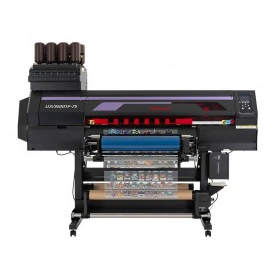
India, Kanpur Nagar in Uttar Pradesh hosts the supplier Test 54, which currently lists nine active products in its catalogue. The catalogue covers a range of electronic appliances including a washing machine (HS 8450.19, material Plastic), an induction cooktop (HS 8516.60, material Steel), a desktop computer monitor (HS 8471.41, material plastic), a refrigerator unit (HS 2529.21, material Plastic and Fibre), a water heater (HS 8516.10, material Plastic and Steal), a mixer‑grinder (HS 8509.40, material Plastic & Fibre), a printer (HS 8548.90, material Plastic), a scanner (HS 9022.12, material Plastic) and a projector (HS 8528.49.00, material Plastic).
The listed products fall under HS chapters 84, 85, 84, 25, 85, 85, 85, 90 and 85 respectively, reflecting a focus on household and office electronics. Materials are predominantly engineered plastics with selective use of steel or fibre reinforcement, matching common construction practices for consumer appliances produced in India.
Product Range and Specialties of Test 54
The supplier’s catalogue includes nine specific items: washing machines, induction cooktops, desktop monitors, refrigerators, water heaters, mixer‑grinders, printers, scanners and projectors. In the broader industry, washing machines are typically offered in 6‑8 kg front‑load capacity with IEC‑60335 safety compliance, while induction cooktops are rated between 1.5 kW and 3.7 kW and require magnetic‑compatible cookware. Desktop monitors usually conform to VESA mounting standards and display resolutions from Full HD to 4K, and refrigerators are classified by total volume (e.g., 300 L) and energy‑star ratings. Water heaters are often 1‑2 kW electric units with temperature control, mixer‑grinders use 500‑800 W motors with stainless‑steel blades, printers follow ISO/IEC 24712 for print quality, scanners meet ISO‑12233 imaging standards, and projectors are rated by lumens (e.g., 3000 lm) and throw distance. These typical specifications complement the material descriptions provided (plastic housings, steel components, fibre reinforcements).
Trade and Export Information - Test 54
Indian manufacturers of electronic appliances commonly export to the Middle East, Africa, Southeast Asia and parts of Europe, where demand for cost‑effective yet reliable household devices remains strong. The HS code families present (84‑85‑90‑25) are subject to standard customs duties and often require CE marking for the European market, BIS certification for Indian domestic compliance, and FCC compliance for the United States. Buyers usually request test reports such as IEC safety certificates, RoHS compliance for restricted substances, and energy‑efficiency labels (e.g., IE‑Mark). Packaging for these goods typically involves double‑wall corrugated boxes, moisture‑resistant liners, and palletization for 20‑ft or 40‑ft containers, with Incoterms like FOB Kanpur or CIF Dubai frequently used. Export logistics from Uttar Pradesh benefit from proximity to major rail and road corridors linking to the ports of Mumbai and Chennai.
Sourcing from Test 54 - Buyer Guidance
When sourcing from Test 54, buyers should request product data sheets that list capacity, power consumption, safety certifications (CE, BIS, IEC) and material composition. Samples of the plastic housing can be inspected for fire‑retardant grades such as UL‑94 V‑0, while steel components should be checked for corrosion‑resistant treatments. Verify that the supplier can provide test reports for IEC‑60335 (appliance safety), IEC‑60730 (induction cooktop control), and ISO‑9001 quality‑management certificates if required. Confirm packaging dimensions, weight per unit and container loading plans before finalising purchase orders.
Frequently Asked Questions About Test 54
What electronic appliance categories does Test 54 list in its catalogue?
The catalogue includes washing machines, induction cooktops, desktop monitors, refrigerators, water heaters, mixer‑grinders, printers, scanners and projectors, each identified with a specific HS code.
Which HS codes are associated with the listed products?
Washing machine - 8450.19; Induction cooktop - 8516.60; Desktop monitor - 8471.41; Refrigerator - 2529.21; Water heater - 8516.10; Mixer‑grinder - 8509.40; Printer - 8548.90; Scanner - 9022.12; Projector - 8528.49.00.
What material is most commonly used in the products?
Plastic is the primary material across all items, with steel used in induction cooktops and water heaters, and fibre reinforcement in refrigerators and mixer‑grinders.
Which certifications should a buyer request for these appliances?
Buyers should ask for CE marking, BIS certification, IEC safety test reports (e.g., IEC‑60335 for washing machines), RoHS compliance and any applicable energy‑efficiency labels.
What are typical minimum order quantities and lead times for these products?
MOQ and lead time vary by item; for bulk appliances such as washing machines and refrigerators, MOQ often starts at a full container load (≈20 units) with a lead time of 30‑45 days, while smaller items like printers and scanners may be ordered in pallets of 100‑200 units with 20‑30 days lead time.
How are the products packaged for international shipment?
Standard packaging uses double‑wall corrugated boxes, moisture‑resistant liners and palletization on Euro‑pallets, suitable for loading into 20‑ft or 40‑ft containers under FOB or CIF terms.
What documentation is needed for customs clearance of these goods?
Customs clearance typically requires a commercial invoice, packing list, certificate of origin, and any applicable conformity certificates (CE, BIS, RoHS) matching the HS codes listed.
Which regions are the main import markets for Indian electronic appliances?
Main import markets include the United Arab Emirates, Saudi Arabia, Kenya, South Africa, Malaysia and selected European countries, where buyers look for cost‑effective appliances that meet international safety standards.




 Kanpur Nagar, India