Wuhan Jin Xingqiang Mould Steel Co., Ltd. — Verified Supplier
About Wuhan Jin Xingqiang Mould Steel Co., Ltd. - Steel Bars Supplier in China
Wuhan Jin Xingqiang Mould Steel Co., Ltd. is based in China and lists five active products in its catalogue. All five items belong to the cold work tool steel segment of the broader steel bars category, and the supplier references two HS‑code families: 7228.30 for D2 steel and 7204.49 for O1 steel. The remaining three steels - 1.2601/Cr12MoV/SKD11, DC53/Cr8Mo2VSi and D3/1.2080/Cr12/SKD1 - are presented without HS codes, but they are also classified under chapter 72 for steel products. The catalogue explicitly names the chemical designations (e.g., 1.2379 for D2, 1.2510 for O1) and the associated alloying elements, providing a clear technical reference for buyers. The supplier is tagged as an imported tier with a “harbor” trust level, indicating that it operates through established trade channels.
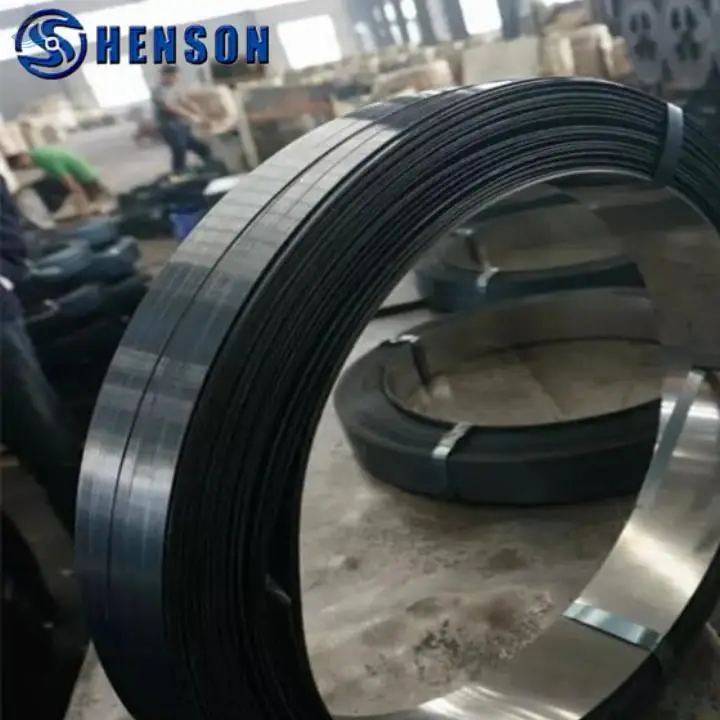
The listed cold work tool steels are intended for high‑precision die‑making, mould tooling and other applications requiring wear resistance and dimensional stability. Typical industry specifications for these grades include hardness ranges of 55‑62 HRC after appropriate heat treatment, carbon contents up to 1.5 %, and chromium levels between 11‑13 % for D2, while O1 features manganese‑chromium‑tungsten alloys with hardness around 58‑62 HRC. These steels are commonly supplied in bundled coils or bars sized for 20‑ft or 40‑ft container loads, and they fall under HS chapter 72 which governs iron and steel products. The product list therefore provides both the alloy identifiers and, where available, the exact HS codes needed for customs declaration.
Product Range and Specialties of Wuhan Jin Xingqiang Mould Steel Co., Ltd.
The supplier’s catalogue comprises five cold work tool steel grades: 1.2601/Cr12MoV/SKD11, DC53/Cr8Mo2VSi, D3/1.2080/Cr12/SKD1, D2/1.2379/Cr12Mo1V1 (HS 7228.30) and O1/1.2510/9CrWMn (HS 7204.49). Each entry specifies the alloy designation and, for D2 and O1, the corresponding HS‑code and material description, enabling precise classification for trade. These steels are part of the cold‑work tool steel family, distinguished by high carbon and alloy content to provide superior hardness and wear resistance.
In the global tool‑steel market, D2 is recognized as a high‑carbon high‑chromium ledeburite steel, typically supplied in hardened condition at 60‑62 HRC and used for blanking and forming dies. O1 is a manganese‑chromium‑tungsten alloy commonly delivered after oil‑quench and tempering to achieve 58‑62 HRC, suitable for cutting tools and precision moulds. Other grades such as SKD11 and SKD1 are Japanese‑standard equivalents of high‑speed tool steels, often meeting DIN 1.2367 or JIS SKD11 specifications. Buyers usually expect material test reports, chemical analysis, and hardness certification for each batch, and they may request compliance with standards such as ASTM A681 or ISO 4957 for alloy content.
Trade and Export Information - Wuhan Jin Xingqiang Mould Steel Co., Ltd.
China is a major exporter of cold work tool steels, with shipments frequently directed to automotive, aerospace and precision‑engineering sectors in Europe, North America and East Asia. The HS‑code 7228.30 (other alloy steel bars and rods) and 7204.49 (other alloy steel bars, rods and profiles) are routinely inspected under the WTO‑aligned customs regime, requiring a mill test certificate and, where applicable, conformity to ISO 9001 quality‑management systems. Typical export documentation includes a commercial invoice, packing list, certificate of origin and the aforementioned material test report; buyers often request CE marking or ASTM equivalence for downstream compliance. Logistics for these steel bars usually involve FOB or CIF terms, with loads consolidated in standard 20‑ft or 40‑ft containers, and moisture content controlled to below 0.5 % to prevent corrosion during transit.
Sourcing from Wuhan Jin Xingqiang Mould Steel Co., Ltd. - Buyer Guidance
When sourcing cold work tool steel from this supplier, buyers should request a current mill test certificate that lists chemical composition, heat‑treatment parameters and hardness values for the specific grade. It is advisable to verify the HS code on the commercial invoice matches the product (7228.30 for D2, 7204.49 for O1) to avoid customs delays. Samples of a representative heat‑treated batch can be requested to confirm dimensional tolerance, surface finish and hardness before confirming larger orders. Buyers should also confirm the supplier’s packaging format - typically bundled bars in wooden crates or steel drums - and clarify the minimum order quantity, which in the cold‑work steel market often starts at 5 tons for container loads.
Frequently Asked Questions About Wuhan Jin Xingqiang Mould Steel Co., Ltd.
What cold work tool steel grades are listed in the catalogue?
The catalogue lists five grades: 1.2601/Cr12MoV/SKD11, DC53/Cr8Mo2VSi, D3/1.2080/Cr12/SKD1, D2/1.2379/Cr12Mo1V1 and O1/1.2510/9CrWMn.
Which products have HS codes provided?
HS 7228.30 is provided for D2 steel and HS 7204.49 for O1 steel. The other three grades are listed without HS codes.
What certifications are typically required for cold work tool steel imports?
Importers usually require an ISO 9001 quality‑management certificate, a mill test certificate, and, where applicable, compliance with ASTM A681 or ISO 4957 standards.
What hardness range is expected for D2 steel after heat treatment?
D2 steel is commonly hardened to a Rockwell C hardness of 60‑62 HRC after appropriate quenching and tempering.
How are the steels typically packaged for shipment?
Cold work tool steels are generally packed in bundled bars or coils, placed in wooden crates or steel drums, and loaded into standard 20‑ft or 40‑ft containers.
What lead time is typical for orders from China?
Lead times for cold work tool steel from China usually range from 30 to 45 days, depending on order size, heat‑treatment specifications and shipping terms.
Which regions commonly import Chinese cold work tool steel?
Key import regions include the European Union, the United States, Japan, South Korea and the broader Southeast Asian market.
How can a buyer request a sample before placing a full order?
A buyer can contact the supplier to arrange a small‑quantity sample, specifying the desired grade, heat‑treatment condition and required test reports such as chemical analysis and hardness.




 , China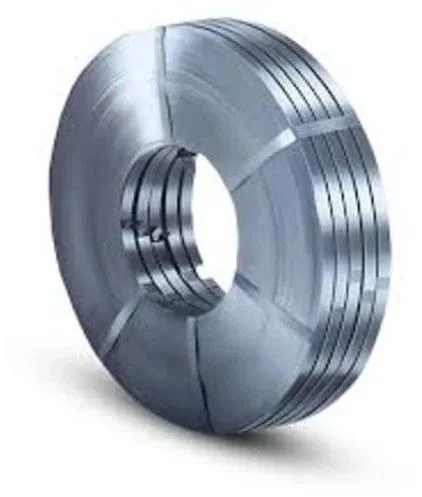





.jpg.png)