Wimar – Chlodnia Sp. Z O.O. — Supplier
About Wimar - Chlodnia Sp. Z O.O. - Dairy & Milk Products Supplier in Poland
Poland hosts the supplier Wimar - Chlodnia Sp. Z O.O., which currently lists nine active products in its catalogue. The product portfolio spans various dairy and related categories, including infant formula milk, soy‑bean milk powder, non‑dairy creamer powder, flavored yogurt, and a certified organic baby milk formula identified under HS code 1901.10. Additional items comprise a quality milk‑vetch honey, frozen whole milkfish, and standard milk‑based powders such as Nido cream milk powder. Each entry is classified within the broader HS chapter 19 for dairy preparations, with the organic formula explicitly described as “Organic Whole Milk Powder with Vegetable Oil Blend.” The supplier is recorded as an imported tier with a harbor trust rating.
Product Range and Specialties of Wimar - Chlodnia Sp. Z O.O.
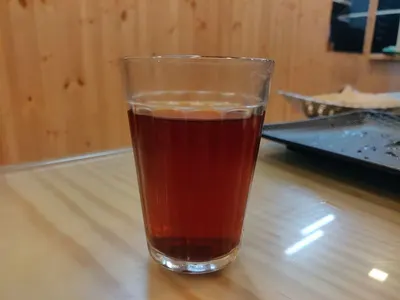
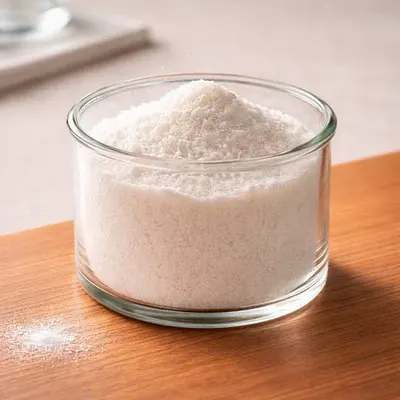
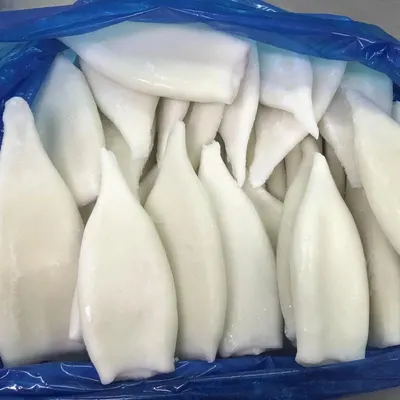
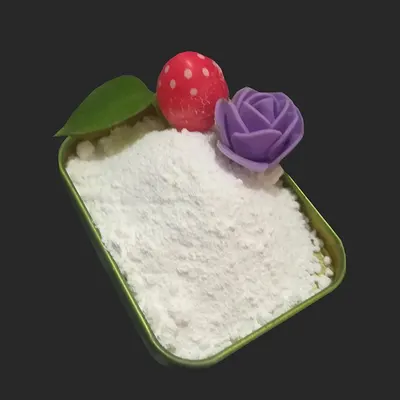
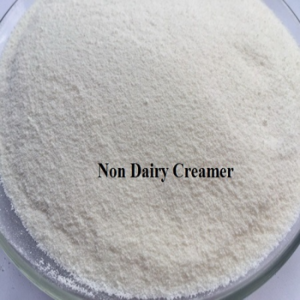
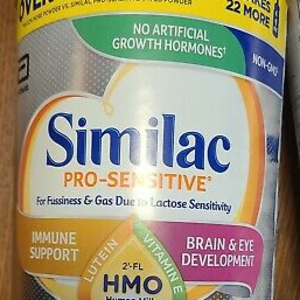
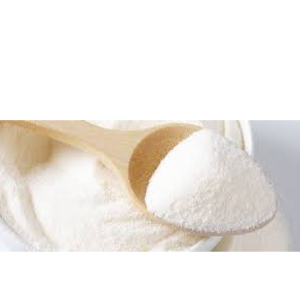
The catalogue includes Infant Formula Milk Baby Food, Nutrilon Baby Milk Formula, Quality Milk Vetch Honey, Non Dairy Creamer Powder, Frozen Milkfish Whole Round, 100% Pure Soybean Milk Powder, Yogurt or Flavored Milk Using Colorant, Nido Cream Milk Powder, and HOLLE Organic Baby Milk Formula (HS 1901.10). In the dairy sector, infant formulas are typically produced to Codex Alimentarius specifications, featuring protein levels between 1.8 % and 2.5 % and strict limits on heavy metals and microbiological counts. Milk powders such as Nido or soy‑based variants are usually sold in 25 kg or 1 ton bulk bags, with moisture content below 5 % and fat content ranging from 14 % to 26 % depending on the blend. Honey from milk‑vetch is classified under HS 0409 and commonly meets ICUMSA 45 - 70 grades, with moisture under 18 % and a measured diastase activity above 8 Schade units. Frozen whole milkfish, while not a dairy product, falls under HS 0307 and is typically flash‑frozen to retain freshness for export.
Trade and Export Information - Wimar - Chlodnia Sp. Z O.O.
Poland, as a member of the European Union, follows EU food safety regulations and benefits from established trade routes to Western Europe, the Middle East, and North Africa. Dairy preparations under HS 1901 are subject to EU sanitary certification, often requiring a health certificate, a certificate of origin, and compliance with the EU’s organic regulation (Regulation (EU) 2018/848) when marketed as organic. Export logistics usually involve 20‑ft or 40‑ft containers with insulated pallets for temperature‑sensitive items such as infant formula and frozen fish, and standard bulk bags for powdered products. Buyers frequently request HACCP plans, ISO 22000 or BRC certifications, and laboratory analysis reports for parameters like aflatoxin (for honey) or protein content (for milk powders).
Sourcing from Wimar - Chlodnia Sp. Z O.O. - Buyer Guidance
When sourcing from this supplier, buyers should request the latest EU organic certificate for the HOLLE Organic Baby Milk Formula and verify that the product complies with Codex standard 156 for infant formula. For the soy‑bean milk powder and non‑dairy creamer, it is advisable to obtain a nutrient analysis sheet showing protein, fat, lactose, and moisture levels, as well as a microbiological test report confirming absence of Salmonella and coliforms. Honey shipments should be accompanied by an ICUMSA grade certificate and a moisture test result. Confirm the HS code listed (1901.10 for the organic formula) matches the commercial invoice and that packaging meets the buyer’s shelf‑life requirements, typically 12 - 24 months for powdered dairy products.
Frequently Asked Questions About Wimar – Chlodnia Sp. Z O.O.
What product categories does Wimar - Chlodnia Sp. Z O.O. offer?
The supplier lists nine products covering infant formula, baby milk formula, quality milk‑vetch honey, non‑dairy creamer powder, frozen whole milkfish, 100 % soybean milk powder, flavored yogurt, Nido cream milk powder, and an organic baby milk formula (HS 1901.10).
Which HS code applies to the organic baby milk formula?
The organic baby milk formula is recorded under HS code 1901.10, which pertains to milk and cream not concentrated and not containing added sugar.
What certifications are typically required for the dairy powders listed?
Buyers usually request EU organic certification (if claimed), ISO 22000 or BRC food safety certificates, and a laboratory analysis confirming protein (≈30 %), fat (≈15‑20 %), moisture (<5 %) and microbiological limits.
How is honey quality verified for the milk‑vetch honey?
Honey quality is commonly verified with an ICUMSA grade certificate, a moisture content measurement below 18 %, and a diastase activity test above 8 Schade units.
What packaging formats are standard for the powdered products?
Powders such as infant formula, Nido cream milk powder and soybean milk powder are typically packed in 25 kg multi‑layer bags or 1 ton bulk containers, sealed to protect against moisture and contamination.
What logistics considerations apply to the frozen milkfish?
Frozen whole milkfish is usually shipped in insulated containers with dry ice or refrigerated containers, complying with HS 0307 regulations and requiring a health certificate for live‑fish products.
What documentation should a buyer request before placing an order?
Buyers should request a certificate of origin, the relevant health or sanitary certificate, a recent laboratory test report for each product, and any applicable organic or food‑safety certifications.




 , Poland