Weihai Transport Aquatic Food Co., Ltd. — Verified Supplier
About Weihai Transport Aquatic Food Co., Ltd. - Frozen Seafood Supplier in China
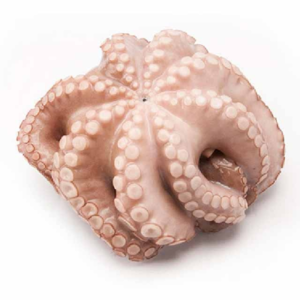
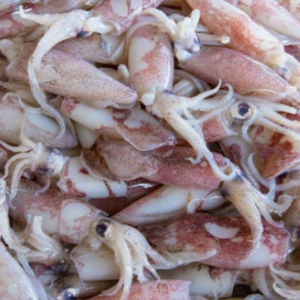
Weihai Transport Aquatic Food Co., Ltd. is based in China and lists 24 active products. The catalogue covers a mix of frozen and fresh seafood items, including frozen squid, frozen octopus, frozen mackerel, fresh squid, frozen oysters, frozen sardine, and other processed seafood snacks. Specific product entries such as Tang Yang Squid Chip, Seasoned Octopus, Breaded Oyster, and Breaded Sardine are listed, with two items providing HS codes: Tatsuta Yang Pacific Saury (HS 0302.44) and Breaded Sardine (HS 1604.13). The company also offers a range of vegetable‑based items such as Sweet Potato, Pumpkin, Eggplant, and processed items like Fried Vegetable Cake. The product set spans both raw seafood (e.g., Norwegian Mackerel, Fresh/Frozen Pacific Saury) and value‑added breaded or seasoned preparations.
Product Range and Specialties of Weihai Transport Aquatic Food Co., Ltd.
The product list includes raw fish such as Norwegian Mackerel and Pacific Saury, fresh squid, and a variety of breaded or seasoned seafood snacks like Breaded Oyster, Breaded Sardine, Breaded Hoki Fillet, and Breaded Squid Rings. In the frozen seafood sector, buyers typically evaluate size grades (e.g., squid 30‑45 mm, sardine 12‑15 cm), moisture content below 80 % for frozen items, and ice glaze thickness of 2‑5 mm to prevent freezer burn. Breaded products are commonly assessed for coating uniformity, oil absorption (usually under 12 % by weight), and compliance with HACCP or BRC food‑safety standards. Vegetables such as Sweet Potato, Pumpkin and Eggplant are usually exported as fresh or frozen commodity grades with standard moisture limits of 70‑78 % and visual defect thresholds defined by EU fresh produce regulations.
Trade and Export Information - Weihai Transport Aquatic Food Co., Ltd.
China is one of the world’s largest exporters of frozen seafood, supplying the European Union, United States, Japan and Southeast Asian markets. HS chapter 03 (fish and crustaceans) and chapter 16 (fish, crustaceans, molluscs prepared or preserved) are the primary tariff classifications, exemplified by HS 0302.44 for Pacific Saury and HS 1604.13 for breaded sardine. Importers generally require a health certificate issued by the Chinese Ministry of Agriculture, a sanitary certificate, and, where applicable, HACCP or BRC audit reports. Shipping is typically performed in 20‑ft or 40‑ft refrigerated containers (reefers) with temperature controls at - 18 °C for frozen goods and 0 °C for fresh fish, using Incoterms such as FOB Qingdao or CIF Shanghai. Chinese exporters also align with the Codex Alimentarius standards for maximum residue limits (MRLs) on heavy metals and pesticides in seafood and vegetables.
Sourcing from Weihai Transport Aquatic Food Co., Ltd. - Buyer Guidance
When sourcing from this supplier, request a product specification sheet that details size range, moisture content, ice glaze thickness for frozen items, and coating composition for breaded products. Ask for recent laboratory analysis reports covering microbiological limits (e.g., total plate count < 5 × 10⁴ CFU/g), histamine levels for mackerel (< 200 mg/kg), and heavy‑metal testing according to Codex limits. Verify that the supplier can provide a valid HACCP or BRC audit report, a Chinese export health certificate, and, if required by the destination country, a Certificate of Origin. Sampling of the actual product batch before full shipment is standard practice to confirm compliance with the agreed specifications.
Frequently Asked Questions About Weihai Transport Aquatic Food Co., Ltd.
What seafood categories does Weihai Transport Aquatic Food Co., Ltd. list in its catalogue?
The catalogue includes frozen squid, frozen octopus, frozen mackerel, fresh squid, frozen oysters, frozen sardine, and a range of breaded or seasoned seafood snacks such as Breaded Oyster, Breaded Sardine and Breaded Squid Rings.
Which products have HS codes specified in the catalogue?
Two products list HS codes: Tatsuta Yang Pacific Saury is classified under HS 0302.44 and Breaded Sardine is classified under HS 1604.13.
What typical quality parameters should I verify for the frozen squid products?
Buyers usually check squid size (30‑45 mm mantle length), moisture content below 80 %, ice glaze thickness of 2‑5 mm, and compliance with microbiological limits such as total plate count under 5 × 10⁴ CFU/g.
Are there standard certifications I should request for these seafood items?
Commonly required documents include a Chinese export health certificate, a sanitary certificate, HACCP or BRC audit reports, and laboratory test results for histamine, heavy metals and microbiology.
What packaging and shipping methods are typical for these products?
Frozen seafood is normally packed in insulated boxes with gel ice or dry ice, then loaded into refrigerated containers (reefers) set at - 18 °C. Breaded products may be vacuum‑sealed in poly‑bags and palletised for transport.
What is the usual MOQ and lead time for a new order?
Suppliers of Chinese frozen seafood often set a minimum order quantity of one 20‑ft refrigerated container (approximately 10‑12 metric tons) and a lead time of 25‑35 days from order confirmation, depending on product seasonality.
How can I verify the origin and freshness of the fish used in the products?
Request a Certificate of Origin and a recent catch or processing date on the health certificate. For fresh or frozen fish, a temperature log confirming storage at - 18 °C from catch to shipment is standard verification.
What documentation is needed for customs clearance in the EU?
EU customs typically require the commercial invoice, packing list, health certificate, Certificate of Origin, and, where applicable, a BRC audit report or HACCP certification for seafood imports.




 , China