Vin-vinson International Nig Ltd — Verified Suppliers
About Vin-vinson International Nig Ltd - Cocoa Beans Supplier in Nigeria
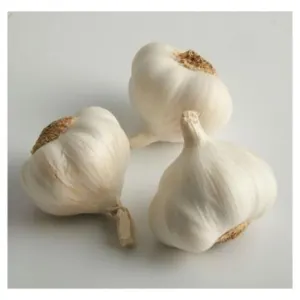
Nigeria, based in Abuja, operates a catalogue of ten distinct agricultural products. Vin‑vinson International Nig Ltd lists cocoa beans and cocoa powder, Manuka honey, cashew nuts, fresh and dried ginger, cassava in powder, fresh and dried forms, palm oil and palm kernel cake, soybean, shea butter, garlic and sesame seed/oil. The active product count of ten reflects the breadth of raw and processed food commodities the company offers for export. Each item is identified in the supplier’s catalogue by its generic product name without additional specifications.
The catalogue separates cocoa into beans and powder, groups ginger as fresh and dry, and presents cassava in three formats - powder, fresh and dry. Palm‑oil related items include both crude palm oil and palm kernel cake. The listing also includes both the seed and oil form of sesame, and a single entry for garlic. No HS codes are supplied in the catalogue, but the product titles align with standard HS headings used for these commodities.
Product Range and Specialties of Vin-vinson International Nig Ltd
Vin‑vinson International Nig Ltd’s product list includes cocoa beans and cocoa powder, Manuka honey, cashew nuts, fresh and dried ginger, cassava (powder, fresh and dry), palm oil and palm kernel cake, soybean, shea butter, garlic and sesame seed/oil. In the global market cocoa beans are commonly graded by ICUMSA colour values, with ICUMSA 45 - 70 considered premium, moisture below 7 % and foreign matter under 0.5 %. Manuka honey is usually verified by a UMF or MGO rating, with commercial grades ranging from MGO 100 to MGO 800. Cashew nuts are classified as Grade AA when they have a kernel size above 15 mm and moisture under 5 %.
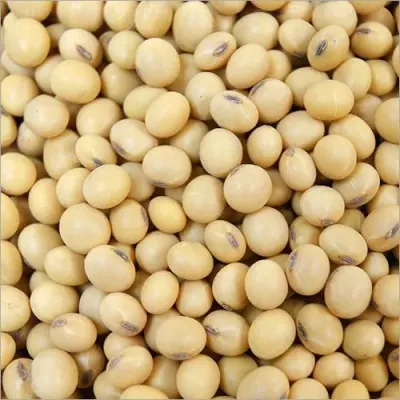
Typical specifications for ginger require a moisture content below 12 % for dried ginger and a size of 25 - 50 mm for fresh ginger. Cassava powder generally contains 80 - 85 % starch, while fresh cassava roots are evaluated by dry matter content above 30 %. Palm oil exported from West Africa is often refined to a free‑fatty‑acid level under 0.5 % and an iodine value of 45 - 55. Soybean beans are graded by oil content (18 - 22 %) and protein (35 - 40 %). Shea butter is usually sold in refined form with an iodine value of 40 - 45, and sesame seed is traded with an oil extraction rate of 45 - 55 % for the seed and purity above 98 % for the oil.
Trade and Export Information - Vin-vinson International Nig Ltd
Nigeria is a long‑standing exporter of cocoa, palm oil, nuts and spices to the European Union, United States and Southeast Asian markets. Buyers typically import these commodities under HS chapter 18 for cocoa, chapter 04 for honey, chapter 08 for nuts, chapter 09 for ginger, chapter 07 for cassava, chapter 15 for palm oil, chapter 12 for soybean, chapter 15 for shea butter and chapter 12 for sesame. Commonly required certifications include organic certificates, phytosanitary certificates, ISO 22000 or HACCP compliance and, for honey, a valid UMF/MGO test report. Packaging follows bulk standards: cocoa beans in 60 kg jute bags, palm oil in 20 ft containers with food‑grade drums, and nuts or seeds in 25 kg polypropylene bags. Standard Incoterms such as FOB Lagos or CIF Rotterdam are used, with freight typically arranged on 20‑ft or 40‑ft containers depending on volume.
Export logistics from Nigeria benefit from the Port of Lagos and the Port of Calabar, which handle containerized shipments of agricultural commodities. Import regulations in destination regions frequently demand residue testing for aflatoxins in cocoa, pesticide limits for cashew and soybean, and compliance with the EU’s REACH framework for oils and fats. Sellers often provide a Certificate of Origin and a commercial invoice to satisfy customs requirements in the buyer’s country.
Sourcing from Vin-vinson International Nig Ltd - Buyer Guidance
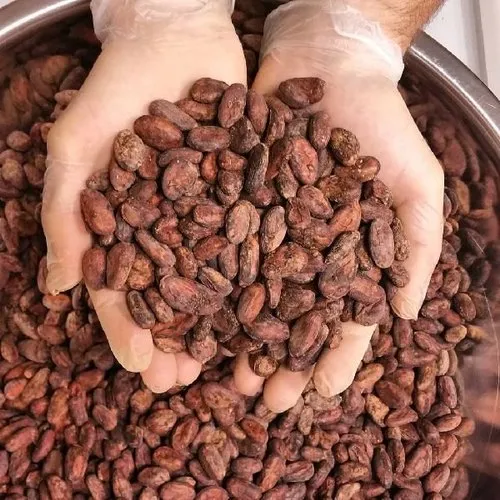
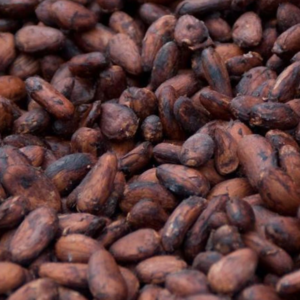
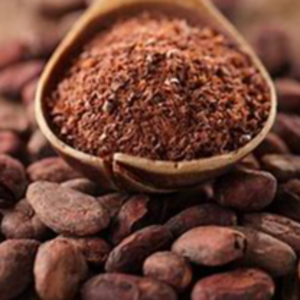
When sourcing cocoa beans or powder, request a recent laboratory analysis showing moisture below 7 %, fat content, and aflatoxin levels under 5 ppb. For Manuka honey, ask for a UMF or MGO certificate and a microbiological test confirming absence of Clostridium botulinum spores. Buyers of cashew nuts and sesame should verify size grading reports and oil content analyses respectively. It is advisable to obtain a phytosanitary certificate and, if organic status is required, a valid organic certification that matches the buyer’s target market standards.
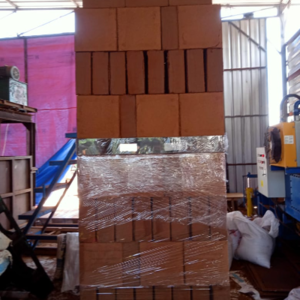
Prior to placing a purchase order, confirm the supplier’s packaging options, container load plans and lead times. Typical lead times for Nigerian agricultural exports range from 30 to 45 days after receipt of a pro‑forma invoice, depending on seasonal availability. Requesting a sample batch and reviewing the accompanying test reports helps to validate quality before committing to a full container shipment.
Frequently Asked Questions About Vin-vinson International Nig Ltd
What product categories does Vin‑vinson International Nig Ltd list for export?
The supplier lists cocoa beans and cocoa powder, Manuka honey, cashew nuts, fresh and dried ginger, cassava (powder, fresh and dry), palm oil and palm kernel cake, soybean, shea butter, garlic and sesame seed/oil.
Which HS codes are normally used for these commodities?
Typical HS codes are 1801 for cocoa beans and cocoa powder, 0409 for honey, 0801 for cashew nuts, 0910 for ginger, 0705 for cassava, 1511 for palm oil, 1201 for soybean, 1509 for shea butter, 0703 for garlic and 1207 for sesame seed and oil.
What certifications should a buyer request for the cocoa products?
Buyers usually request an organic certificate, a phytosanitary certificate, and a lab report confirming moisture below 7 % and aflatoxin levels under 5 ppb. ISO 22000 or HACCP compliance is also common for food safety.
What quality parameters are typical for Manuka honey?
Manuka honey is graded by UMF or MGO values; commercial grades range from MGO 100 to MGO 800. Buyers also check for a moisture content below 18 % and compliance with microbiological limits for yeasts and molds.
What are the usual minimum order quantities and packaging formats?
Bulk agricultural goods are commonly shipped in 20‑ft or 40‑ft containers. Minimum order quantities are often expressed in metric tonnes, for example 10 tonnes of cocoa beans or 5 tonnes of palm oil, packed in food‑grade drums, jute bags or bulk bags as appropriate.
Which documents are required for customs clearance in major import markets?
Standard documents include a commercial invoice, packing list, Certificate of Origin, phytosanitary certificate and, where applicable, an organic certification. Destination countries may also require a lab analysis report for pesticide residues or aflatoxin levels.
What are typical lead times for shipments from Nigeria?
Lead times generally range from 30 to 45 days after order confirmation, depending on product seasonality and container availability. Faster turnaround may be possible for dry commodities such as garlic or sesame seed.
How are the products typically shipped from Nigeria?
Exports are usually loaded at the Port of Lagos or the Port of Calabar onto 20‑ft or 40‑ft containers. Common Incoterms are FOB Lagos or CIF destination, with freight forwarders handling inland transport and customs documentation.




 , Nigeria