V.R. Creations (INDIA) — Supplier
About V.R. Creations (INDIA) - Ladies Salwar, Suits, Dupattas & Sarees Supplier in India
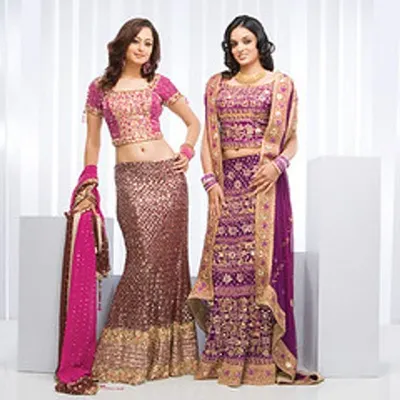
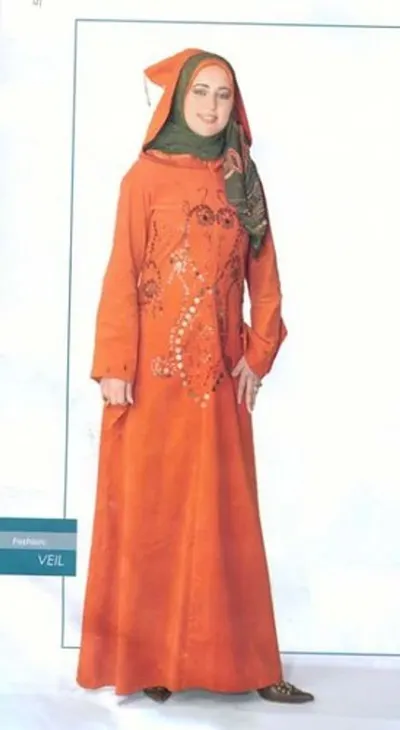
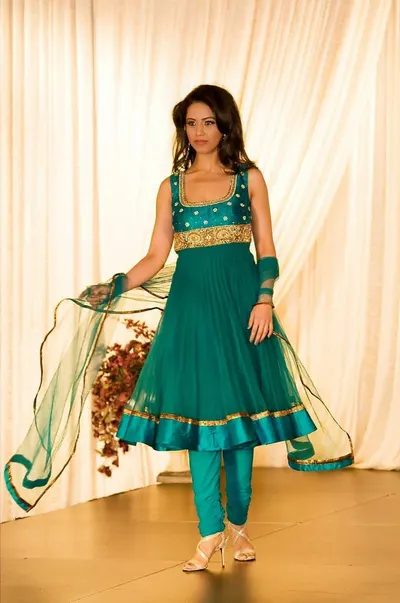
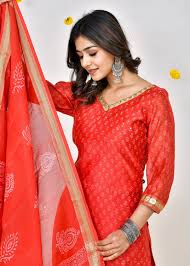
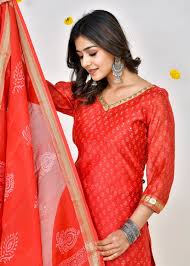
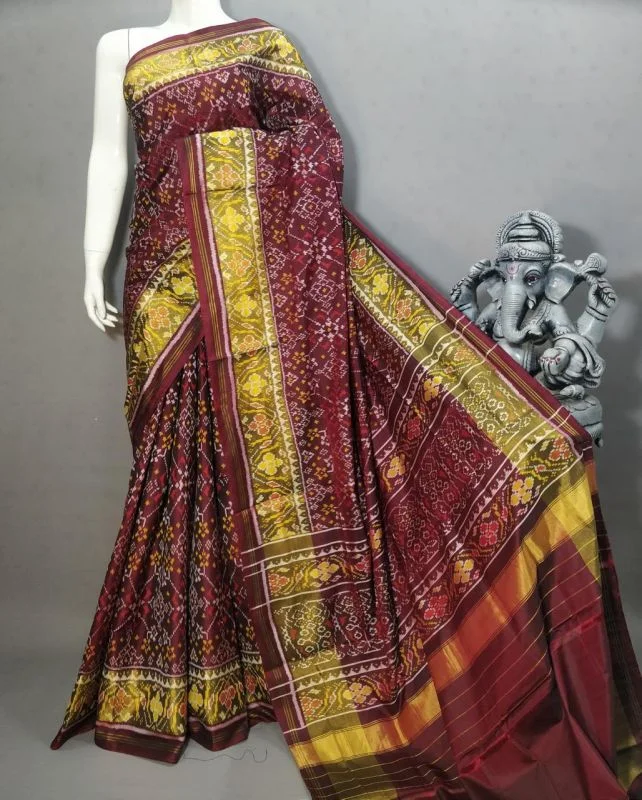
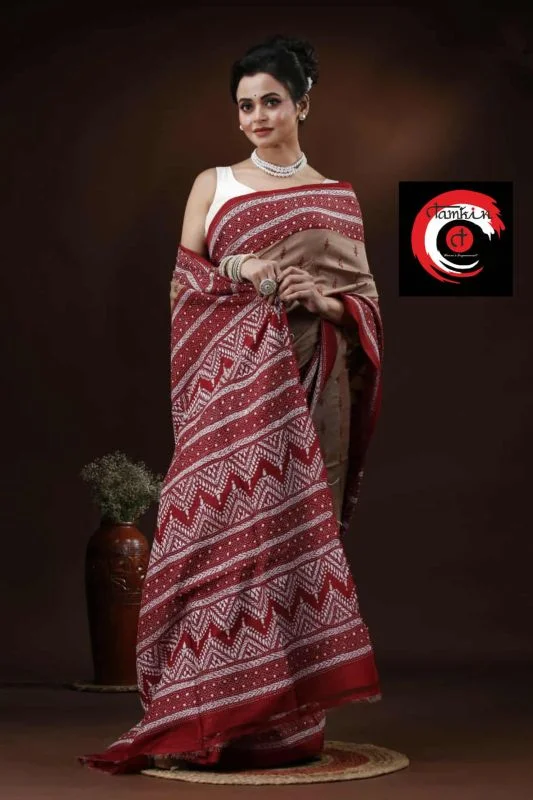
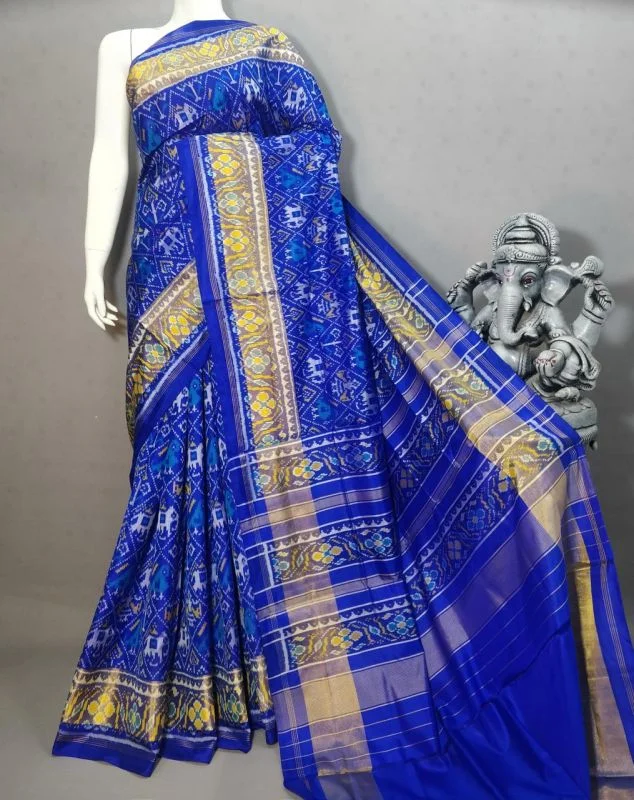
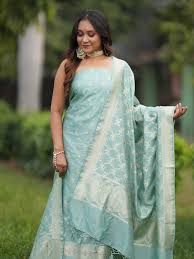
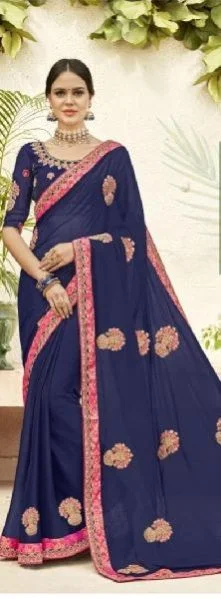
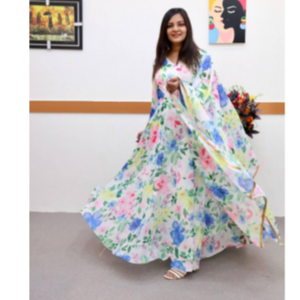
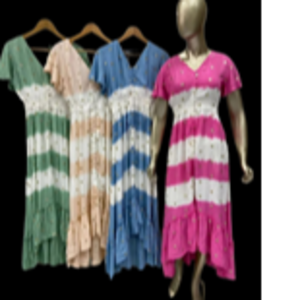
India‑based V.R. Creations (INDIA) lists seven active product entries focused on women’s ethnic wear. The catalogue includes Punjabi suits, Punjabi dress, Salwar suit, Design Salwar suit, Fancy Punjabi suits and Designer Ladies suits, all falling under the broader categories of Ladies Salwar, Suits, Dupattas & Sarees and Ladies Suit & Salwar.
The supplier’s product list reflects typical Indian garment styles that are exported under HS chapter 62, which covers apparel and clothing accessories. No additional HS codes are provided, but the items are classified as women’s suits and dresses commonly shipped in bulk cartons for international buyers.
Product Range and Specialties of V.R. Creations (INDIA)
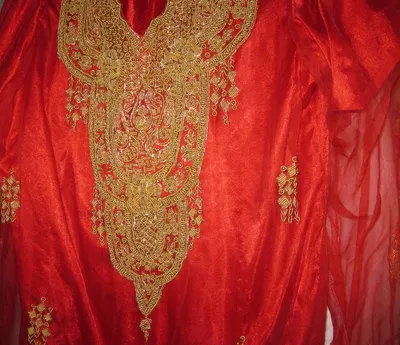
The seven catalogued items are specific variations of Punjabi‑style suits and Salwar‑type ensembles, each identified by its generic name rather than detailed fabric specifications. In the Indian apparel market, such garments are usually produced in cotton, silk, polyester‑blend or georgette fabrics, with typical fabric weights ranging from 150 g/m² for lightweight chiffon to 250 g/m² for structured cotton‑satin blends. Buyers often request information on GSM, thread count, and finish (e.g., embroidered, printed, or plain).
Trade and Export Information - V.R. Creations (INDIA)
India is a major exporter of women’s ethnic garments, with the United States, United Arab Emirates, United Kingdom and Germany representing key destination markets. Export shipments are typically packed in poly‑bagged units placed inside export‑grade cartons, loaded into 20‑ft or 40‑ft containers. Standard documentation includes a commercial invoice, packing list, certificate of origin and, where required, test reports for colourfastness, shrinkage and safety (e.g., Oeko‑Tex Standard 100).
Sourcing from V.R. Creations (INDIA) - Buyer Guidance
When sourcing from V.R. Creations (INDIA), buyers should request detailed fabric composition, GSM, colour‑fastness test results and a size‑chart for each style. Samples are commonly provided in a pre‑production batch to verify stitching quality, embroidery density and finishing. Verify any certifications such as Oeko‑Tex or ISO 9001 that the supplier can furnish, and confirm packaging dimensions before finalising the order.
Frequently Asked Questions About V.R. Creations (INDIA)
What types of garments are listed in the V.R. Creations catalogue?
The catalogue contains seven entries: Punjabi suits, Punjabi dress, Salwar suit, Design Salwar suit, Fancy Punjabi suits, and Designer Ladies suits, all classified as women’s ethnic wear.
Which fabrics are typically used for these Indian ethnic suits?
Buyers usually encounter cotton, silk, polyester‑blend, chiffon and georgette fabrics, with fabric weights between 150 g/m² and 250 g/m² depending on the style.
What certifications are commonly expected for Indian apparel exports?
Exporters often provide Oeko‑Tex Standard 100 for textile safety and ISO 9001 for quality management; buyers should request these certificates if required.
What is a typical minimum order quantity (MOQ) for these garments?
MOQs for Indian ethnic wear generally range from 200 to 500 pieces per style, but the exact figure should be confirmed with the supplier for each design.
How are the garments packaged for international shipment?
Standard practice is to pack each garment in a sealed poly‑bag, then group the bags into export‑grade cardboard cartons suitable for container loading.
Which shipping terms are most common for Indian garment exporters?
CIF (Cost, Insurance, Freight) and FOB (Free on Board) are the prevalent Incoterms used for shipments from Indian ports.
What lead time should a buyer expect for a sample order?
Sample production typically takes 7‑14 days after design approval, followed by 3‑5 days for air freight to major destinations.
Which markets commonly import Punjabi and Salwar suits?
Key import markets include the United States, United Arab Emirates, United Kingdom, Canada and European Union countries, where there is steady demand for Indian ethnic apparel.




 , India