Triple j — Verified Supplier
About Triple j - Agricultural Products Supplier in Nigeria
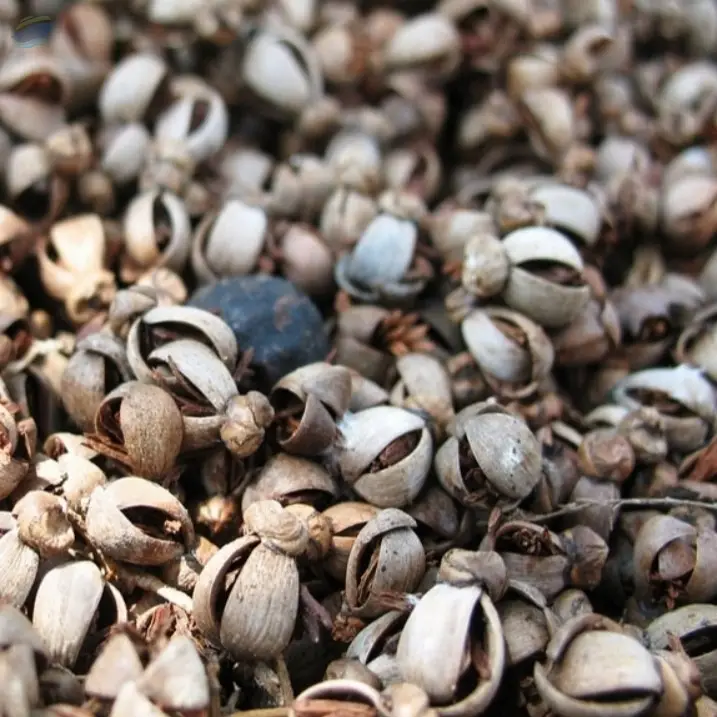
Triple j operates from Abuja, Nigeria and currently lists ten active agricultural products in its catalogue. The company’s catalogue includes palm oil (HS 1511.10), wood charcoal (HS 4402.00), cashew nut (HS 1515.90), palm kernel shell (HS 1401.20), cocoa seeds (HS 1801.00.00), kolanut (HS 0801.31), dried chilli (HS 0904.20), garri (HS 1108.13), ogbonno (HS 1211.90) and plantains (HS 0803.10). Each entry records the material description supplied, ranging from palm fruit vegetable oil to fresh plantain fruit. The product count and HS‑code families show that Triple j covers both edible oils and bulk food commodities as well as biomass fuel material. The listing reflects a focus on raw and minimally processed agricultural outputs sourced within Nigeria.
The supplier’s profile states that it exports agricultural goods worldwide and emphasizes organic sourcing. While the description mentions a broad variety of items, the factual catalogue limits the range to the ten products above. The inclusion of both food items (cocoa beans, cashew kernels, plantains) and industrial raw material (palm kernel shell, wood charcoal) indicates a mixed market orientation. All products are identified by their official HS codes, which align with international customs classification for each commodity.
Product Range and Specialties of Triple j
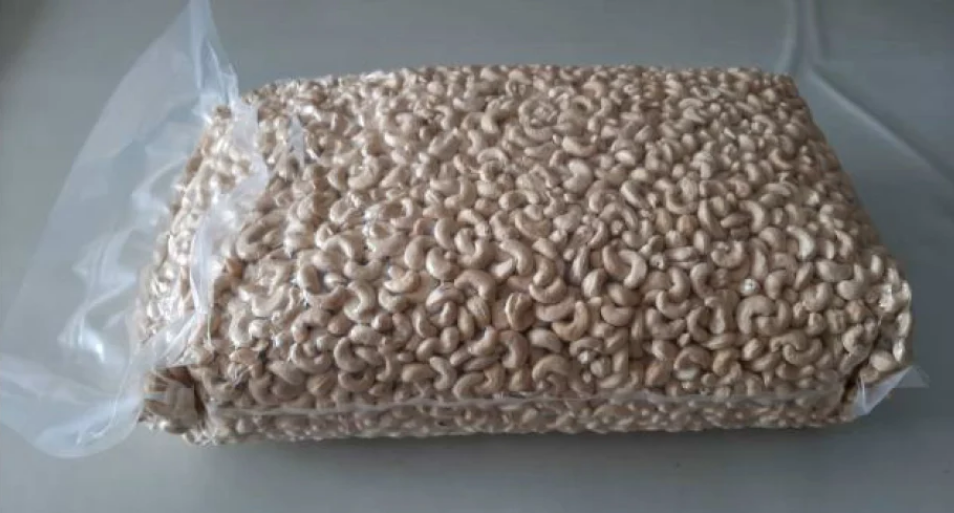
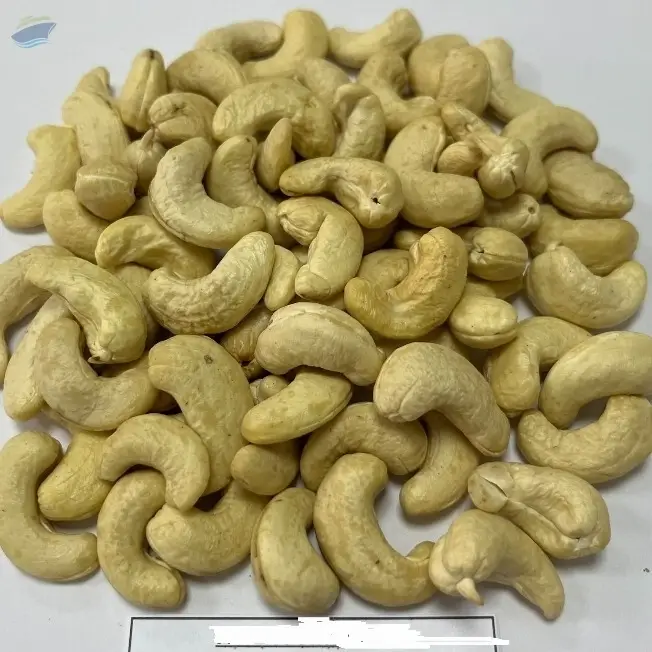
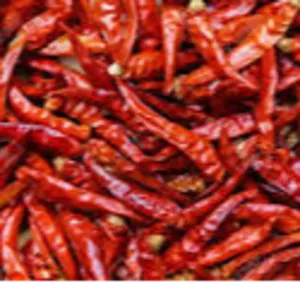
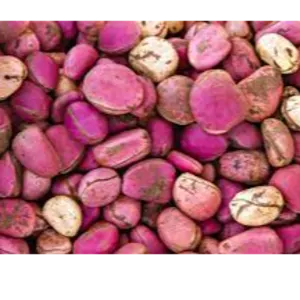
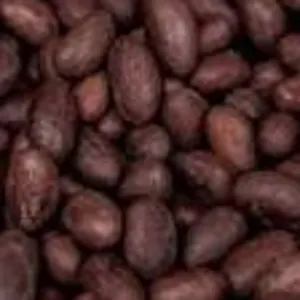
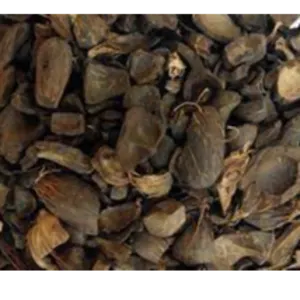
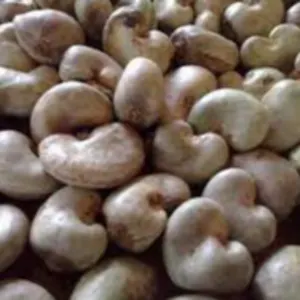
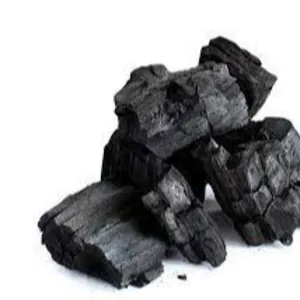
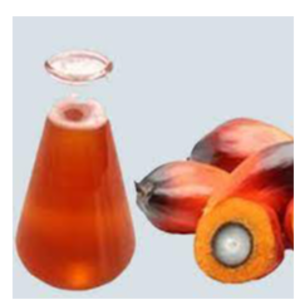
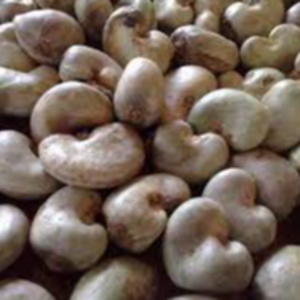
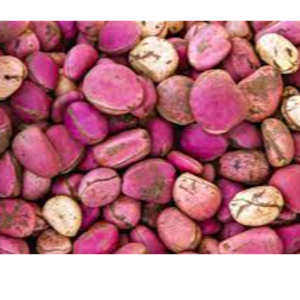
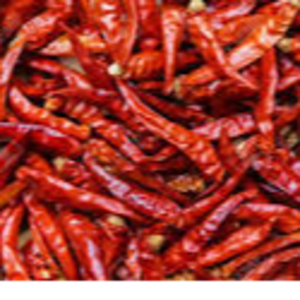
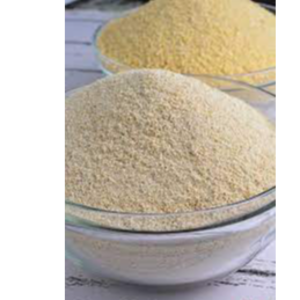
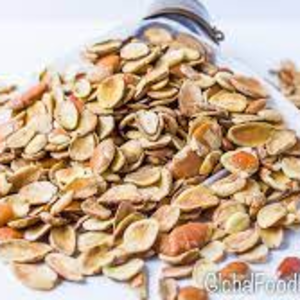
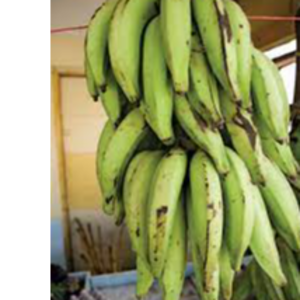
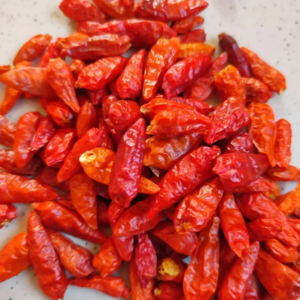
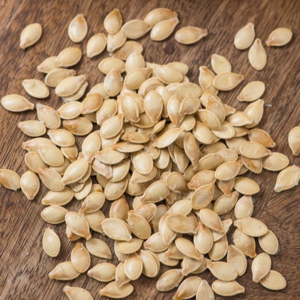
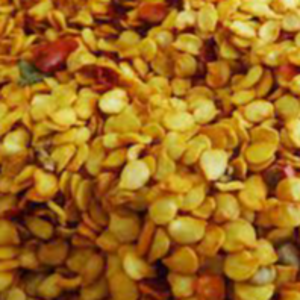
Triple j’s catalogue offers raw palm oil classified under HS 1511.10, a product that typically meets free‑fatty‑acid levels below 0.1 % and moisture under 0.05 % for export quality. Wood charcoal (HS 4402.00) is usually supplied with moisture content under 10 % and ash below 5 %, suitable for metallurgical and domestic fuel use. Cashew nuts (HS 1515.90) are graded by kernel size (e.g., 12 mm + ) and moisture below 5 %, with common export grades AAA and AA. Cocoa seeds (HS 1801.00.00) are expected to have a moisture content not exceeding 7 % and a fermentation score that meets EU standards. Kolanut (HS 0801.31) is traded in whole pods with moisture under 12 % and is subject to phytosanitary clearance. Dried chilli (HS 0904.20) generally carries a capsaicin range of 30 000 - 50 000 Scoville units and moisture below 12 %. Garri (HS 1108.13) is a fermented cassava product with moisture under 12 % and particle size grading. Ogbonno (HS 1211.90) seeds are typically sold as whole kernels with moisture below 10 %. Plantains (HS 0803.10) are exported as fresh fruit, usually sized 15 - 25 cm in length and harvested at 18 - 22 % pulp moisture.
Trade and Export Information - Triple j
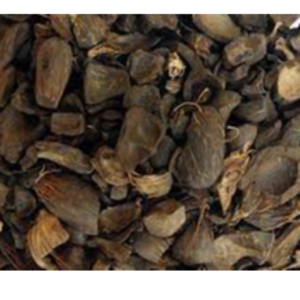
Nigeria is a long‑standing exporter of palm oil, cashew kernels and cocoa beans, with major destination markets in the European Union, China and the United States. HS chapter 15 products such as palm oil (1511) and cashew nuts (1515) often require a phytosanitary certificate, a certificate of origin and, where applicable, organic certification under EU organic regulations. Wood charcoal (HS 4402) and palm kernel shell (HS 1401) are classified as biomass fuels and are frequently shipped in 20 ft or 40 ft containers on a FOB or CIF basis, with compliance to the IMO’s MARPOL regulations for solid fuel. Typical importers include food manufacturers, confectionery producers and bio‑energy firms, all of which request laboratory analysis reports (e.g., free fatty acid, moisture, heavy metal testing). Nigerian exporters generally adhere to ISO 22000 or HACCP food safety systems, though these certifications must be verified by the buyer.
Sourcing from Triple j - Buyer Guidance
When sourcing from Triple j, buyers should request a recent phytosanitary certificate for each food commodity and an organic certification document if the organic tier is required. For palm oil and cashew kernels, ask for a free‑fatty‑acid test report and moisture analysis; for cocoa beans, a fermentation quality report and aflatoxin test are standard. Wood charcoal and palm kernel shell buyers usually request moisture and ash content certificates, as well as a material safety data sheet. Verify that the HS code on the commercial invoice matches the product description to avoid customs delays. Samples of each batch should be evaluated against the typical grades mentioned in the range section before confirming a full order.
Frequently Asked Questions About Triple j
What HS codes does Triple j use for its listed products?
The catalogue assigns HS 1511.10 to palm oil, 4402.00 to wood charcoal, 1515.90 to cashew nut, 1401.20 to palm kernel shell, 1801.00.00 to cocoa seeds, 0801.31 to kolanut, 0904.20 to dried chilli, 1108.13 to garri, 1211.90 to ogbonno and 0803.10 to plantains.
Are the agricultural products certified organic?
Triple j is described as an organic supplier, but no specific organic certification is listed in the facts. Buyers should request the current organic certificate and verify its validity for the target market.
What typical quality specifications should I check for palm oil?
Export‑grade palm oil usually has free fatty acid ≤0.1 %, moisture ≤0.05 %, iodine value around 50 - 55, and complies with the EU or US food safety standards.
What documentation is needed for importing cashew nuts from Nigeria?
A phytosanitary certificate, certificate of origin, and a lab report showing moisture ≤5 % and aflatoxin levels below the importing country’s limit are commonly required.
What are the usual packaging and container sizes for wood charcoal?
Wood charcoal is typically packed in 20 kg bags or bulk in 1 ton polypropylene bags, and shipped in standard 20 ft or 40 ft containers on FOB or CIF terms.
How can I verify the quality of cocoa seeds before placing a large order?
Request a recent fermentation quality report, moisture analysis (<7 %), and an aflatoxin test. A physical sample for sensory evaluation and bean size grading should also be obtained.
What minimum order quantities (MOQ) apply to the listed products?
MOQs vary by product; bulk commodities such as palm oil and wood charcoal are often quoted per metric ton, while food items like cashew nuts, cocoa seeds and plantains are typically quoted per 20 ft container load (approximately 10 - 12 tons). The exact MOQ should be confirmed with the supplier.
Which Incoterms does Triple j usually work with?
The supplier commonly uses FOB (Free on Board) from Lagos or CIF (Cost, Insurance, Freight) to major ports in Europe and Asia, but the exact term should be agreed in the sales contract.




 , Nigeria





.jpg.png)