Agriculture›
 Apparel and fashion accessories›
 Construction & real estate›💡Electronic & Electrical›🍎Food & Beverages›🛋️Home furnishing & supplies›⚗️Industrial goods & chemical›🪨Minerals & metals›📦Miscellaneous›Agriculture›Apparel and fashion accessories›Construction & real estate›💡Electronic & Electrical›🍎Food & Beverages›🛋️Home furnishing & supplies›⚗️Industrial goods & chemical›🪨Minerals & metals›📦Miscellaneous›
Trade Connect Private Limited
⚓ Harbor , PakistanEst. 2018-12-31New supplier / no reviews yet
Trade Connect Private Limited Product Catalog
About Trade Connect Private Limited - Agricultural Byproducts Supplier in Pakistan
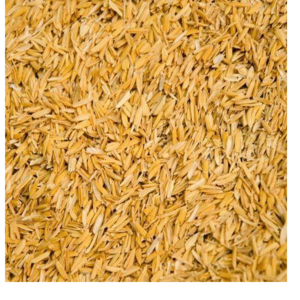
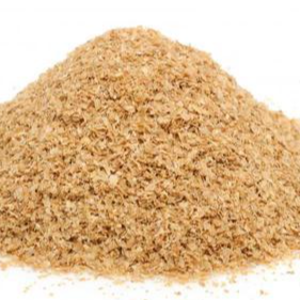
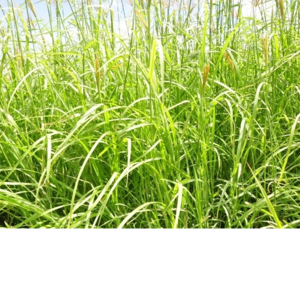
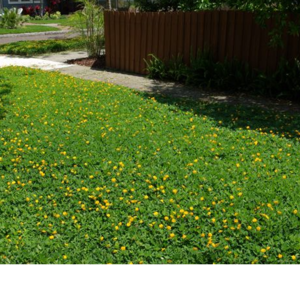
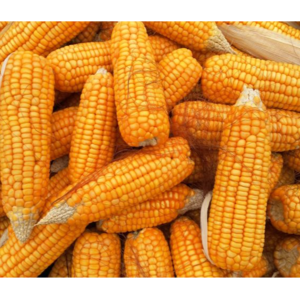
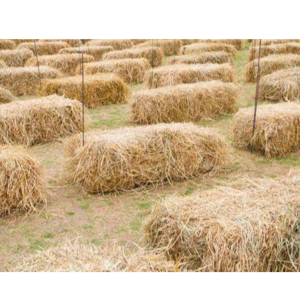
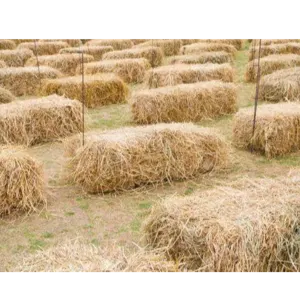
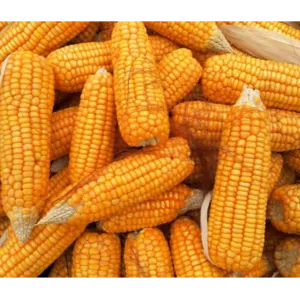
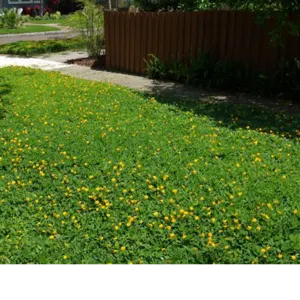
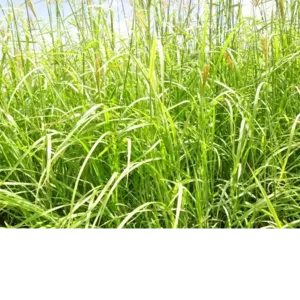
Pakistan, with its major agricultural production in the Sindh province, hosts Trade Connect Private Limited in Karachi. The company lists six active products in its catalogue, covering a range of agricultural by‑products and grains. These include Rice Husk (HS 1213.00), Wheat Bran (HS 2302.30), Rhodes grass (HS 1214.90), Peanut Grass (HS 0602.90), Maize (HS 1005.90) and Rice Straw (HS 1213.00). Each item is identified by its primary material - for example, natural dried Rhodes grass (Chloris gayana) or yellow corn (Zea mays). The catalogue groups the products under broader categories such as Rice, Wheat, and Grass Cutters.
The listed categories correspond to common export commodities from Pakistan, where rice and wheat derivatives are major crop residues. The HS code families 12 (Products of the milling industry; animal fodder) and 23 (Food products) indicate that the goods are classified as agricultural raw materials suitable for feed, industrial processing, or organic applications. The supplier’s active product count of six reflects a focused portfolio rather than a broad commodity mix.
Product Range and Specialties of Trade Connect Private Limited
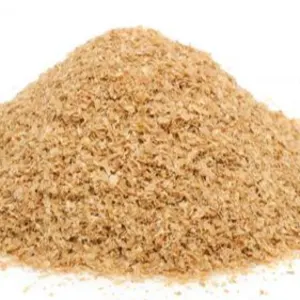
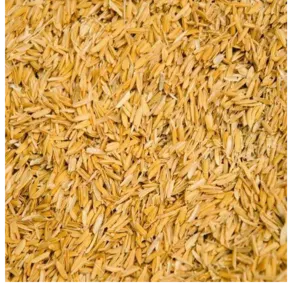
Trade Connect Private Limited offers Rice Husk and Rice Straw, both classified under HS 1213.00, which are typically used as bio‑fuel, bedding, or raw material for biodegradable composites. In the global market, rice husk is graded by moisture content (usually ≤12 %) and ash percentage (around 15‑20 %). Wheat Bran (HS 2302.30) is commonly supplied with protein content of 13‑16 % and fiber levels of 10‑12 %, meeting specifications for animal feed. Maize (HS 1005.90) is traded in kernel form with moisture limits of 13‑14 % and may be specified by test weight (≈72 kg / hL). Rhodes grass and Peanut Grass, classified under HS 1214.90 and HS 0602.90 respectively, are dried or live plant materials used for pasture or erosion control; typical quality parameters include dry matter percentage (>85 %) and herbicide‑free status. Buyers generally request certificates of analysis confirming these specifications.
Frequently Asked Questions About Trade Connect Private Limited
What HS codes are used for Trade Connect’s rice by‑products?
Rice Husk and Rice Straw are both classified under HS code 1213.00, which covers rice husks and other agricultural residues. The identical code reflects their common treatment as bulk agricultural raw material.
Which certifications should I request for rice husk or wheat bran shipments?
Buyers typically request a Certificate of Analysis and an ISO 9001 quality management certificate. If the product is marketed as organic, an additional organic certification such as GlobalG.A.P. should be verified.
What are the typical packaging formats for maize and rice straw from Pakistan?
Maize kernels are usually packed in 1‑ton woven polypropylene bags or bulk containers, while rice straw is shipped in bulk bags or stacked in 20‑ft or 40‑ft containers. Both formats are designed to protect against moisture ingress during transit.
How can I obtain a sample of Rhodes grass for quality testing?
Trade Connect can supply a small quantity (e.g., 5 kg) of dried Rhodes grass in a sealed sample bag. Request a sample together with a phytosanitary certificate and a moisture content report before placing a full order.
What documentation is required for importing Peanut Grass into the EU?
The EU typically requires a phytosanitary certificate, a material safety data sheet, and proof of compliance with the EU Plant Health Regulation. A Certificate of Analysis confirming the absence of prohibited substances is also standard.
PakistanRelated Suppliers & Products
Explore similar suppliers, related products and trending categories