Tianjin Guotai Qiancheng Iron & Steel Co., Ltd. — Supplier
About Tianjin Guotai Qiancheng Iron & Steel Co., Ltd. - Steel Bars Supplier in China
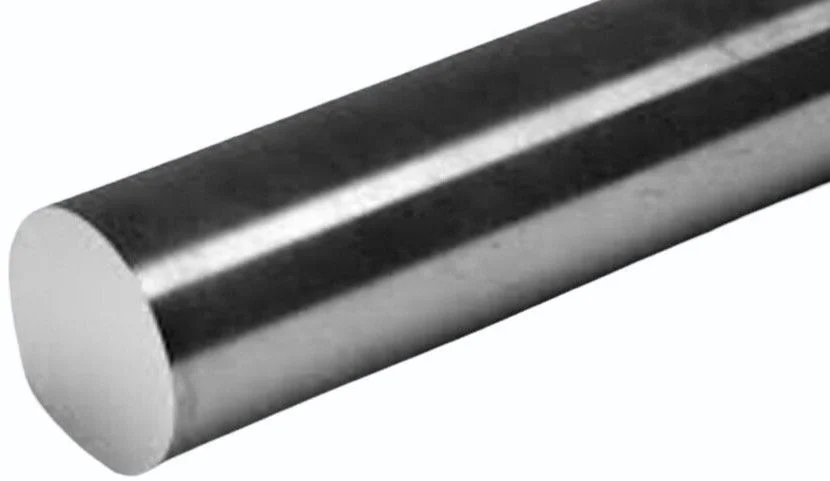
Based in Tianjin, China, Tianjin Guotai Qiancheng Iron & Steel Co., Ltd. currently lists five distinct steel bar products. The catalogue focuses on steel bars and stainless steel bars, covering high‑strength carbon steel and prestressed rebar variants. Products include round bars with diameters ranging from 25 mm to 50 mm and grades such as 830/1030 and 930/1080. The HS code families represented are 7214.20, 7222.10, and 7207.19, which correspond to rolled steel bars and stainless steel products under the Harmonized System. Each entry specifies the material class, for example high‑strength carbon steel or hot‑rolled carbon steel.
The FT Bar is a 36 mm diameter round bar classified under HS code 7214.20 and made from high‑strength carbon steel grade 830/1030. The prestressed bars are offered in 25 - 32 mm and 36 - 40 mm diameters, with HS codes 7222.10 and 7214.20 respectively, and use either stainless steel or high‑tensile carbon steel grade 930/1080. The PT BAR, sized 25 - 32 mm, carries HS code 7207.19 and is described as carbon steel hot‑rolled with a yield strength of 830 MPa and tensile strength of 1030 MPa. The fully threaded bar, 50 mm diameter, is listed under HS code 7214.20 and uses carbon structural steel grade 830/1030. All items are presented with explicit mechanical property ranges that align with standard specifications for construction‑grade rebar.
Product Range and Specialties of Tianjin Guotai Qiancheng Iron & Steel Co., Ltd.
The catalogue includes round bars produced from high‑strength carbon steel (grades 830/1030) and high‑tensile carbon steel (grades 930/1080), as well as stainless‑steel prestressed rebar. In the global market these grades correspond to tensile strengths of approximately 1030 MPa and 1080 MPa, which meet or exceed the requirements of standards such as EN 10210 (hot‑rolled seamless steel tubes) and ISO 6935‑2 for steel bars. Typical industry grades for carbon rebar are ASTM A615 Grade 60 (≈420 MPa) and Grade 80 (≈560 MPa); the supplier’s 830/1030 and 930/1080 grades are positioned in the high‑strength segment used for heavy‑load construction and infrastructure projects.
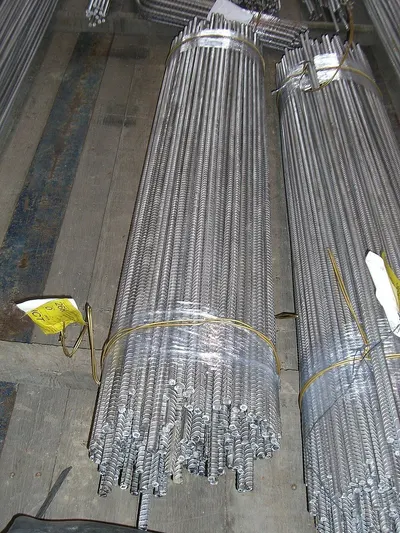
Stainless‑steel prestressed bars are commonly supplied to the same specifications as ASTM A1035 or EN 10080, with 304 or 316 stainless grades being the most requested for corrosion‑resistant applications. The product dimensions in the list range from 25 mm to 50 mm diameter, which aligns with standard rebar sizes (e.g., 20 mm, 25 mm, 32 mm, 40 mm, 50 mm) used in reinforced concrete. Buyers typically receive the bars in bundled packs or on pallets, with each bundle wrapped to preserve surface condition and facilitate handling.
Trade and Export Information - Tianjin Guotai Qiancheng Iron & Steel Co., Ltd.
China is a major exporter of steel bars, and shipments classified under HS codes 7214.20, 7222.10 and 7207.19 are routinely dispatched to markets in Southeast Asia, the Middle East, Africa and Europe. Importers in these regions often require compliance with standards such as EN 10080 for reinforcing steel or ASTM A615 for carbon rebar, and they commonly request mill test certificates, chemical composition reports and conformity to ISO 9001 quality management.
Logistically, the bars are typically packed in steel or wooden crates, or bundled on pallets, and loaded into 20‑ft or 40‑ft containers. Common Incoterms used by Chinese steel exporters include FOB Tianjin Port and CIF to the buyer’s destination. Export documentation usually includes the commercial invoice, packing list, certificate of origin, and where applicable, an inspection certificate from agencies like SGS or Bureau Veritas.
Sourcing from Tianjin Guotai Qiancheng Iron & Steel Co., Ltd. - Buyer Guidance
Buyers should request a mill test certificate that details chemical composition, tensile strength, yield strength and elongation for each grade (e.g., 830/1030 or 930/1080). Verifying that the product meets the relevant standard - EN 10080 for reinforcing steel or ASTM A1035 for stainless‑steel rebar - helps ensure suitability for structural applications.
It is advisable to confirm the exact dimensions, surface condition (hot‑rolled, cold‑drawn, or threaded) and packaging format before placing an order. Samples or small trial shipments can be arranged to assess compliance, and buyers should also inquire about the supplier’s ability to provide custom lengths or diameters if project specifications differ from the listed sizes.
Frequently Asked Questions About Tianjin Guotai Qiancheng Iron & Steel Co., Ltd.
What steel bar grades are listed in the catalogue?
The catalogue includes carbon steel bars with mechanical grades 830/1030 and 930/1080, as well as stainless‑steel prestressed bars that are referenced by the same grade numbers. These grades define specific yield and tensile strength values used in structural applications.
Which HS codes correspond to the listed products?
The FT Bar, the fully threaded bar and the 36 mm prestressed bar are classified under HS code 7214.20. The 25/32 mm prestressed bar uses HS code 7222.10, while the PT BAR is listed with HS code 7207.19.
What mechanical properties are associated with grade 830/1030?
Grade 830/1030 denotes a minimum yield strength of 830 MPa and a tensile strength of 1030 MPa. These values place the bar in the high‑strength category required for heavy‑load reinforcement.
What certifications are commonly required for these steel bars?
Typical certifications requested for these steel bars include an ISO 9001 quality‑management certificate and a mill test certificate detailing chemical and mechanical properties. For stainless‑steel products, compliance with ASTM A1035 or EN 10080 is also commonly required.
How are the bars typically packaged for export?
Bars are usually bundled on pallets, wrapped in protective film, and placed in steel or wooden crates for sea shipment. The packed pallets are then loaded into 20‑ft or 40‑ft containers according to the order volume.
What Incoterms are typically used for shipments from Tianjin?
Export transactions from Tianjin frequently use FOB Tianjin Port as the base Incoterm. Buyers may also opt for CIF to their destination when they prefer the seller to arrange freight and insurance.
What is a typical lead time for orders from China?
In the Chinese steel export industry, a standard lead time ranges from four to six weeks after order confirmation. The exact timing depends on order size, required documentation and any additional processing such as cutting to length.
Can custom diameters or lengths be supplied?
Suppliers in China often offer custom diameters and cut‑to‑length services for carbon and stainless‑steel bars upon request. Such customization may involve a minimum order quantity and an additional processing period.




 , China