Agriculture›
 Apparel and fashion accessories›
 Construction & real estate›💡Electronic & Electrical›🍎Food & Beverages›🛋️Home furnishing & supplies›⚗️Industrial goods & chemical›🪨Minerals & metals›📦Miscellaneous›Agriculture›Apparel and fashion accessories›Construction & real estate›💡Electronic & Electrical›🍎Food & Beverages›🛋️Home furnishing & supplies›⚗️Industrial goods & chemical›🪨Minerals & metals›📦Miscellaneous›
TAKIMEX GLOBAL CO., LTD
⚓ Harbor , Viet NamNew supplier / no reviews yet
TAKIMEX GLOBAL CO., LTD Product Catalog
About TAKIMEX GLOBAL CO., LTD - Processed Fruit Products Supplier in Viet Nam
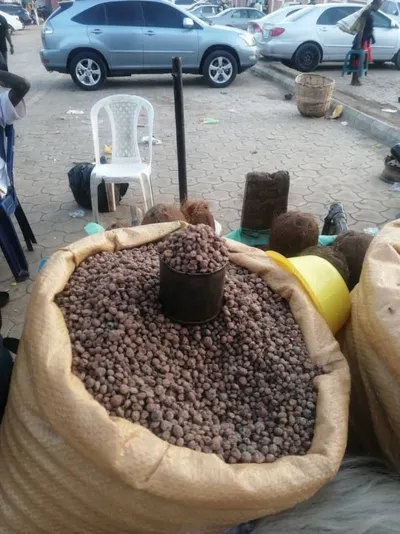
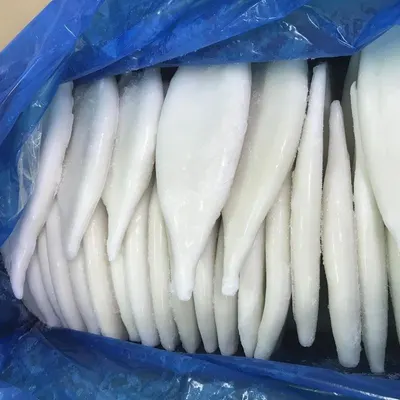
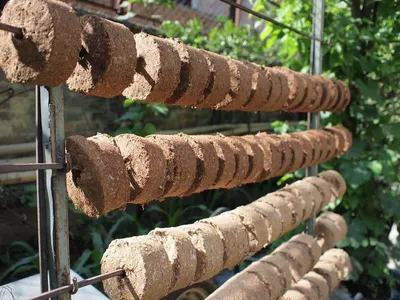
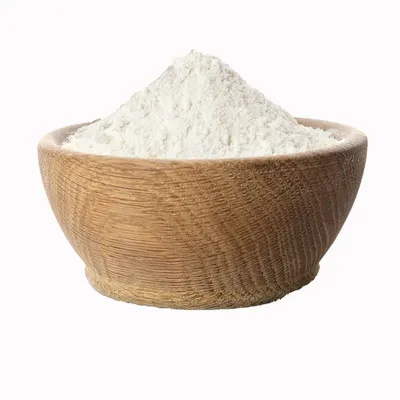
Vietnam, Binh Duong province hosts TAKIMEX GLOBAL CO., LTD which lists five active products in its catalogue. The company’s inventory includes a premium desiccated coconut powder classified under HS code 0801.11, a coconut coir shade sail (HS 6306.29), dried cuttlefish bone (HS 0508.00), and two coffee‑wood dog chew items recorded under HS codes 4421.99 and 4401.22 respectively. Each entry specifies the primary material - coconut meat, coconut fiber, cuttlefish bone, and Arabica coffee wood - reflecting the supplier’s focus on agricultural and forest‑derived goods. The catalogue does not mention additional product lines beyond these five items, and no further quantitative data such as batch sizes or container volumes are provided.
The supplier’s profile highlights a ten‑year background in import‑export, but no specific turnover or employee figures are disclosed. All product titles contain contact phone numbers, indicating a direct sales approach, yet the factual content remains limited to the product names, HS codes and material descriptions supplied.
Product Range and Specialties of TAKIMEX GLOBAL CO., LTD
TAKIMEX GLOBAL CO., LTD offers desiccated coconut powder (HS 0801.11) which in the industry is typically produced with a moisture content below 6 % and a particle size of 250‑500 µm. Buyers often look for a fat content around 60‑65 % and a color grade comparable to ICUMSA 45 for related coconut products. The coconut coir shade sail (HS 6306.29) is made from coconut fiber and is commonly supplied in denier ranges of 400‑800, with UV‑stabilised finishes that meet ASTM D4587 for outdoor durability. Dried cuttlefish bone (HS 0508.00) is usually processed to a moisture level under 8 % and sized between 5‑20 mm, serving as a calcium supplement in animal feed or aquarium substrates. The coffee‑wood dog chew items (HS 4421.99 and 4401.22) are crafted from 100 % Arabica coffee wood, a hard, aromatic timber; pet‑toy standards often require a hardness of 45‑55 Shore A and compliance with ISO 22120 for safety testing.
Frequently Asked Questions About TAKIMEX GLOBAL CO., LTD
What HS codes does TAKIMEX GLOBAL CO., LTD use for its products?
The catalogue lists HS 0801.11 for desiccated coconut powder, HS 6306.29 for coconut coir shade sails, HS 0508.00 for dried cuttlefish bone, HS 4421.99 for one coffee‑wood dog chew variant, and HS 4401.22 for another coffee‑wood dog chew variant.
What are the typical quality specifications for the desiccated coconut powder?
Industry standards expect moisture below 6 %, fat content around 60‑65 %, and a fine particle size of 250‑500 µm. Buyers usually request a laboratory analysis confirming these parameters before shipment.
How is the coconut coir shade sail manufactured and what tests are common?
The sails are woven from coconut fiber with a denier of 400‑800 and treated for UV resistance. ASTM D4587 or equivalent outdoor durability testing is commonly performed to verify resistance to sunlight and weathering.
What certifications are typically required for the cuttlefish bone export?
Exporters must provide a phytosanitary certificate, a moisture content certificate (under 8 %), and, if destined for feed or aquarium use, a compliance statement with relevant food‑safety standards such as HACCP.
What safety standards apply to the coffee‑wood dog chew products?
Pet‑toy safety standards such as ISO 22120, CE conformity or ASTM F963 are normally required. A material safety data sheet and hardness test (45‑55 Shore A) should be supplied.
Viet NamRelated Suppliers & Products
Explore similar suppliers, related products and trending categories