Sri Vinayaga Exports — Verified Supplier
About Sri Vinayaga Exports - Coconut Shell Charcoal Supplier in India
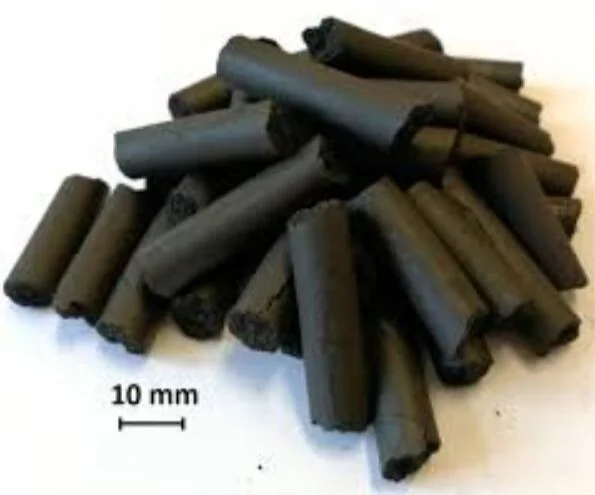
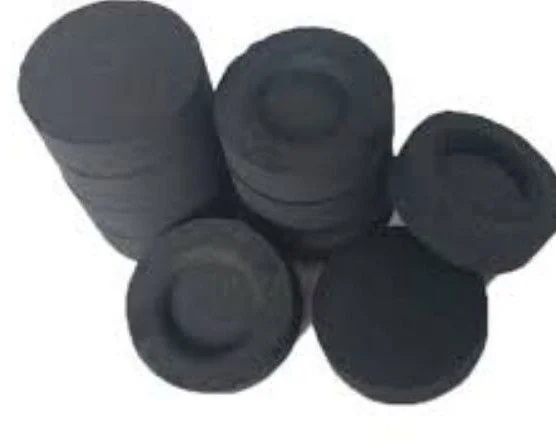
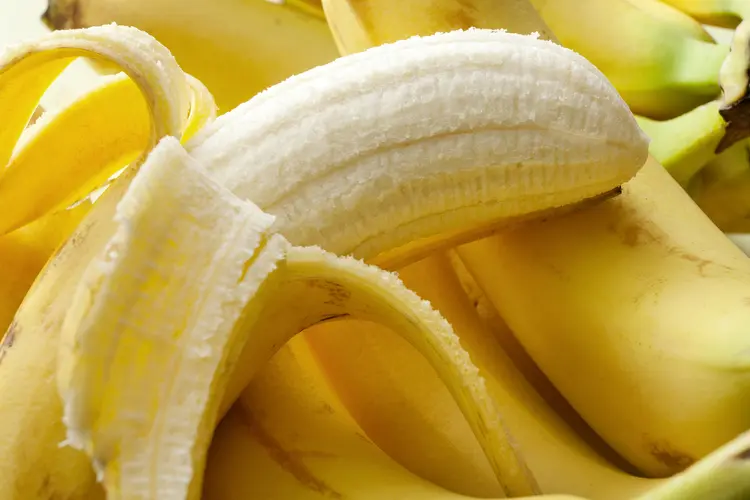
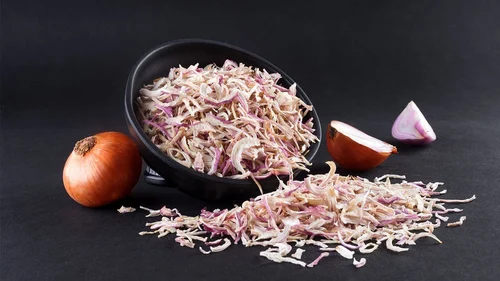
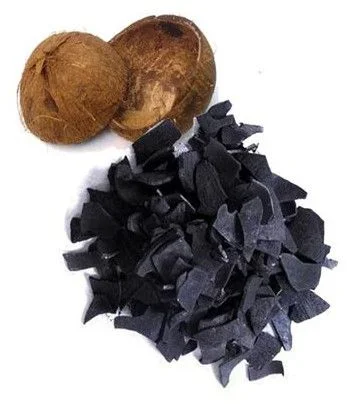
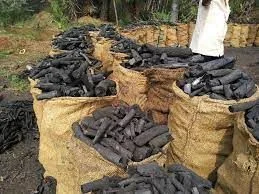
Sri Vinayaga Exports is based in India and currently lists twelve active products across its catalogue. The company’s offerings cover coconut shell charcoal products, various fresh fruits and vegetables, and several forms of biomass briquettes. The top categories include Coconut Shell Charcoal, Pomegranate, Fresh Onion, Banana, Semi‑husked Coconut, Coco Peat & Coir Pith, Charcoal Briquette and related Briquette items. Each product is identified by its specific name in the catalogue, such as Coconut Shell Charcoal Stick (Bakhoor) or Cavendish Banana.
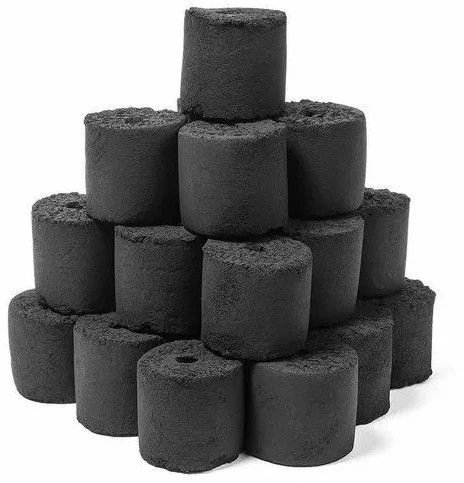
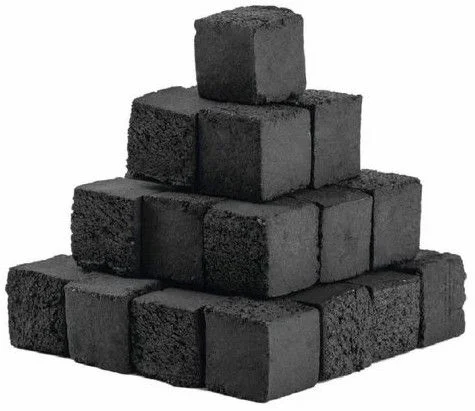
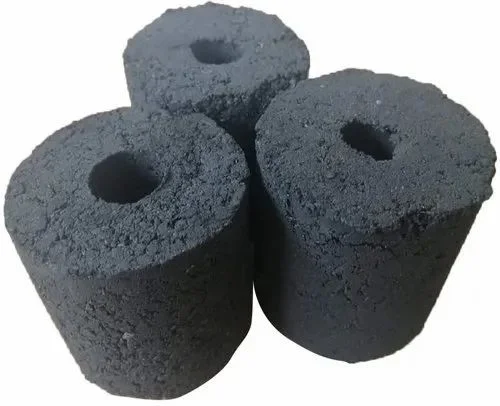
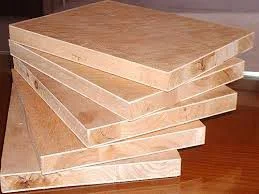
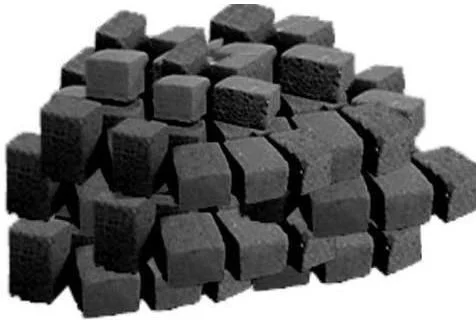
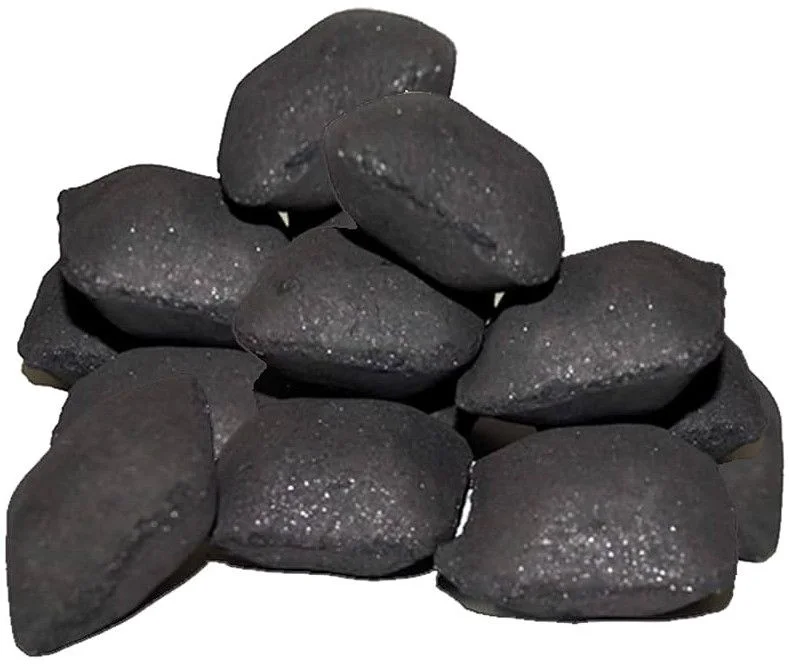
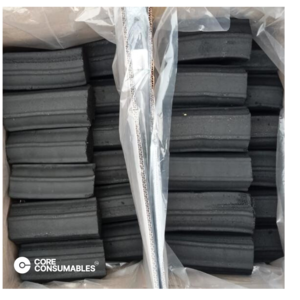
The catalogue comprises items like Coconut Shell Charcoal, multiple briquette formats (hexagonal, pillow‑shaped, shisha/hookah), Coir Block, Biomass Briquettes, and Sawdust Charcoal Briquette, as well as fresh produce including Pomegranate, Onion, Cavendish Banana, and Semi‑husked Coconut. Although HS codes are not disclosed in the source data, these products fall under standard international tariff headings for charcoal (HS 4401‑4403), fresh fruits (HS 0804‑0806), and horticultural products (HS 0703).
Product Range and Specialties of Sri Vinayaga Exports
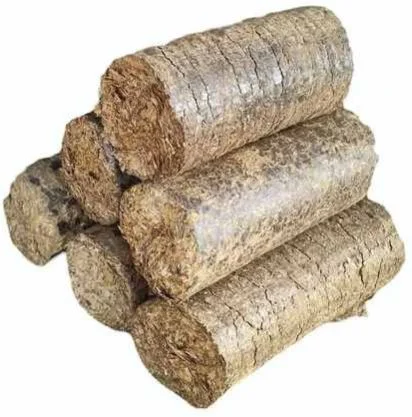
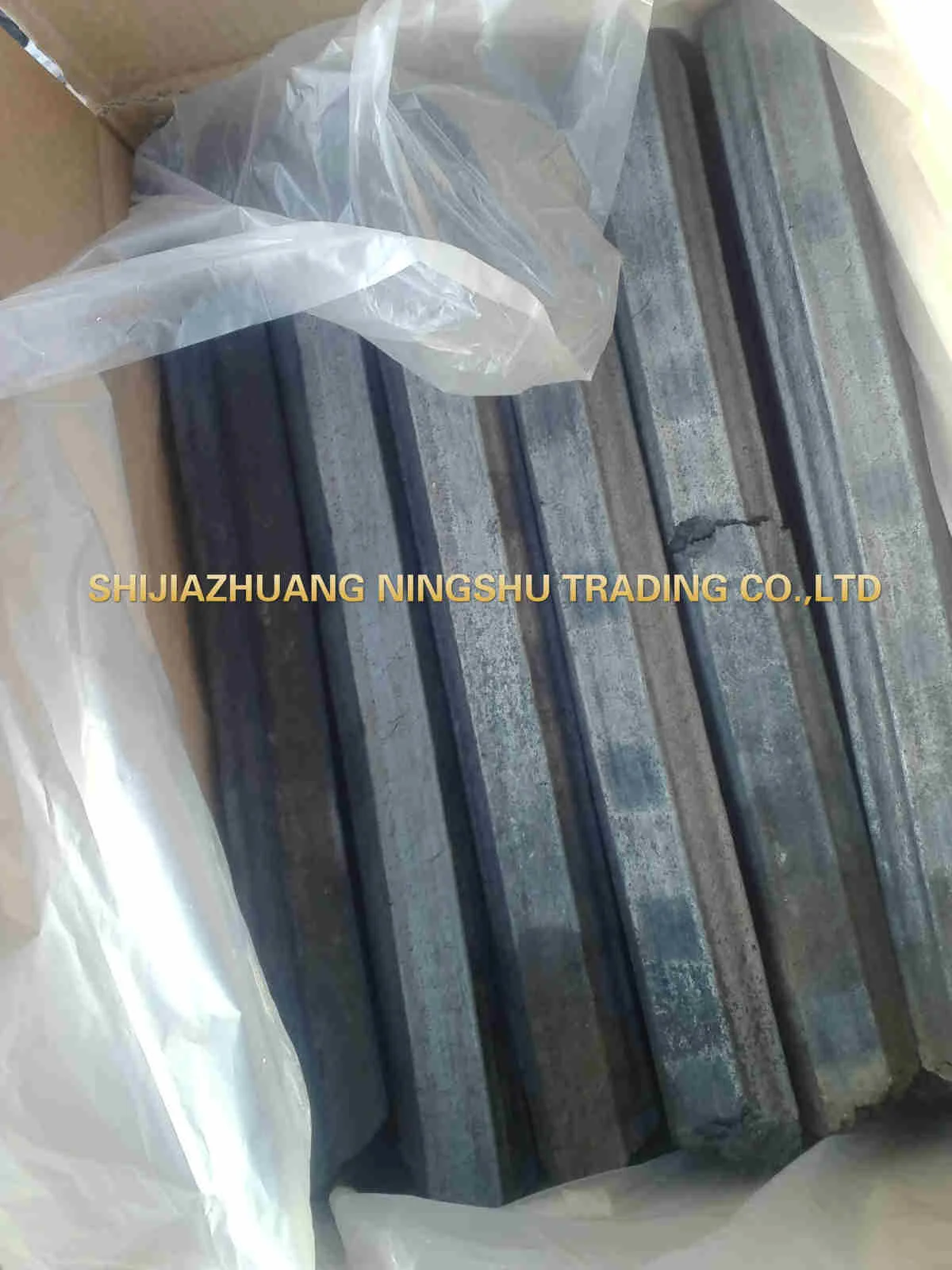
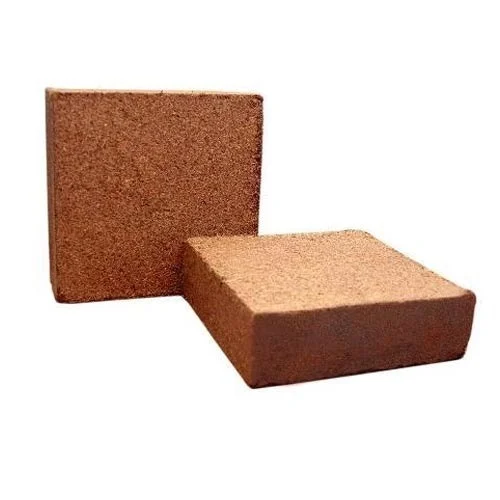
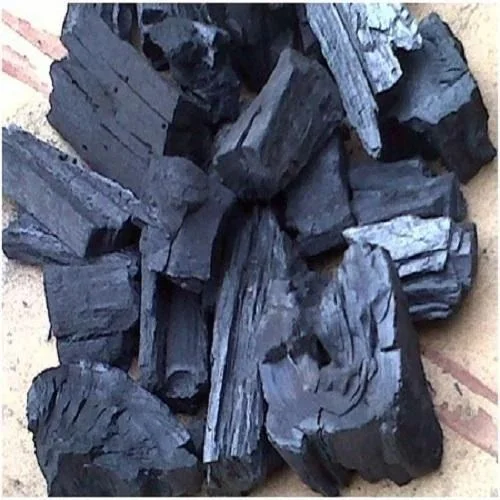
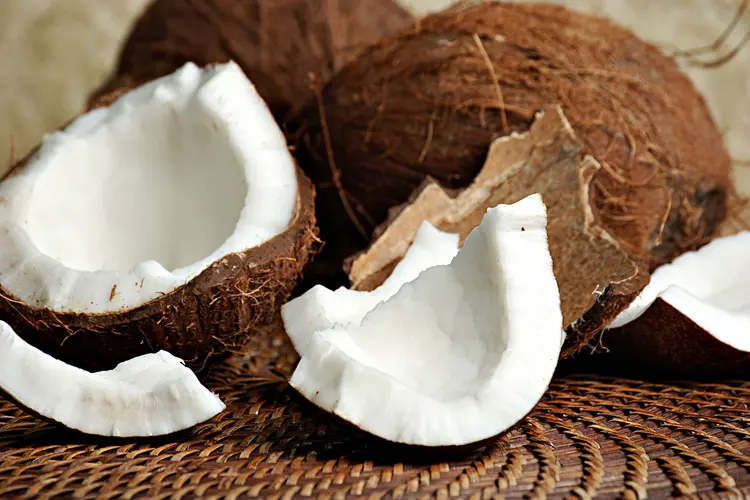
Sri Vinayaga Exports’ catalogue lists twelve distinct items. Charcoal offerings comprise Coconut Shell Charcoal sticks used for bakhoor, hexagonal and pillow‑shaped briquettes, shisha/hookah briquettes, biomass briquettes, and sawdust‑based briquettes. The coir product line includes Coir Block and Coco Peat & Coir Pith. Fresh agricultural items consist of Pomegranate, Onion, Cavendish Banana, and Semi‑husked Coconut.
In the global market, coconut shell charcoal is typically graded by carbon content (80‑90 % C), ash level (<10 %), and moisture (<8 %). Briquettes are often produced to a density of 0.5‑0.7 g cm⁻³ and sized 50 mm × 20 mm for hookah use or 150 mm × 50 mm for industrial fuel. Coir blocks commonly meet a moisture range of 10‑12 % and a pH of 5.5‑6.5. Fresh produce such as pomegranate and banana are sorted by size (pomegranate 8‑12 cm diameter, banana 18‑22 cm length) and must meet phytosanitary standards for import. Semi‑husked coconut generally conforms to a moisture content of 12‑14 % and a husk removal rate of 70‑80 %.
Trade and Export Information - Sri Vinayaga Exports
Exporters of coconut shell charcoal from India primarily ship to markets in the Middle East, Europe, and North America, where the material is used for incense, grilling, and industrial fuel. Fresh fruits and vegetables like pomegranate, onion, and banana are commonly exported to the EU, GCC, and Southeast Asian countries. The relevant HS code families include 4401‑4403 for charcoal products, 0804‑0806 for fresh fruits, and 0703 for onions.
Typical export documentation includes a phytosanitary certificate for agricultural goods, a certificate of origin, and where required, ISO 9001 quality system certification. Buyers often request test reports confirming ash content for charcoal (≤10 %) and moisture analysis for coir products. Standard packaging involves 20‑ft or 40‑ft containers, with charcoal briquettes packed in sealed polypropylene bags (25 kg each) and fresh produce in ventilated wooden boxes or export‑grade cartons. Common Incoterms used are FOB Indian ports such as Chennai or Kolkata, with CIF options for distant markets.
Sourcing from Sri Vinayaga Exports - Buyer Guidance
When sourcing charcoal or briquettes from Sri Vinayaga Exports, buyers should obtain a recent laboratory analysis showing carbon, ash, and moisture percentages, and verify the briquette dimensions and density against industry norms. Requesting a sample batch packaged in the intended bag size helps confirm sealing integrity and resistance to moisture during transit.
For fresh produce, buyers need a phytosanitary certificate, a post‑harvest treatment statement, and a quality inspection report covering size grading, pesticide residue limits, and moisture content. Confirming the supplier can meet container loading plans (e.g., 20 ft container capacity of 1,200 kg of bananas) and providing packing lists aligned with HS codes will streamline customs clearance.
Frequently Asked Questions About Sri Vinayaga Exports
What types of charcoal does Sri Vinayaga Exports offer?
The catalogue includes Coconut Shell Charcoal sticks for bakhoor, hexagonal and pillow‑shaped coconut shell briquettes, shisha/hookah charcoal briquettes, biomass briquettes, and sawdust charcoal briquettes.
Which HS codes apply to the charcoal products?
Charcoal products from coconut shells fall under HS chapter 44, typically HS 4401 for charcoal and HS 4403 for charcoal briquettes.
How are the fresh fruits packaged for export?
Pomegranate and Cavendish banana are usually packed in export‑grade cartons or ventilated wooden boxes, with each carton holding a standardized weight that fits standard 20‑ft or 40‑ft containers.
What certifications should a buyer request for the agricultural items?
Buyers should request a phytosanitary certificate, a certificate of origin, and, where required, compliance with EU pesticide residue limits or US FDA import requirements.
What are the typical moisture and ash limits for the coconut shell charcoal?
Industry standards expect moisture below 8 % and ash content below 10 % for high‑grade coconut shell charcoal used in incense or grilling.
What container sizes are commonly used for shipping the briquettes?
Briquettes are generally loaded into 20‑ft or 40‑ft containers, with each 20‑ft container holding approximately 1,200 kg of packed briquettes, depending on bag dimensions.
How can a buyer verify the quality of the onion product?
Request a laboratory test report covering size grading (e.g., 30‑40 mm diameter), moisture content (≤8 %), and a phytosanitary inspection confirming no pests or diseases.
Which Incoterms does Sri Vinayaga Exports work with?
The supplier commonly offers FOB terms from major Indian ports and can arrange CIF shipments upon request.




 , India