Shreeji Exports — Verified Manufacturer & Wholesale Supplier
About Shreeji Exports - Spice Supplier in India
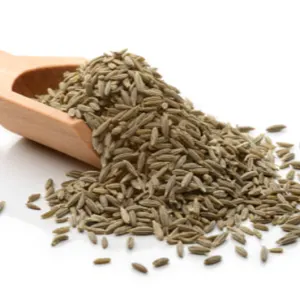
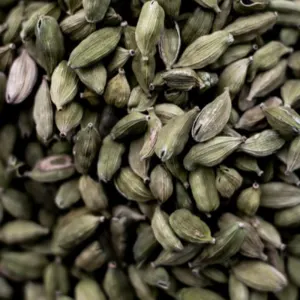
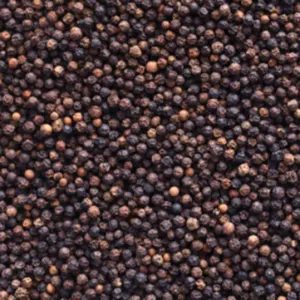
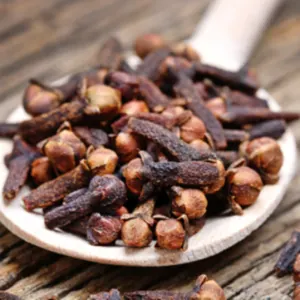
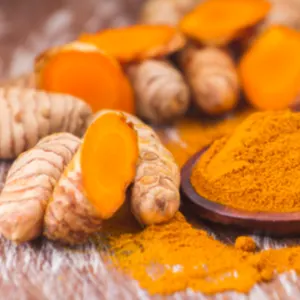
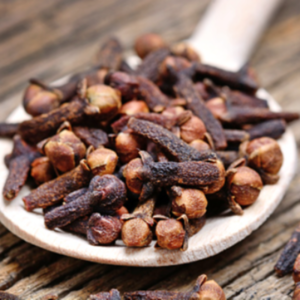
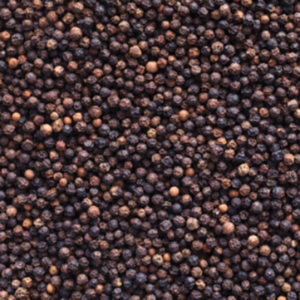
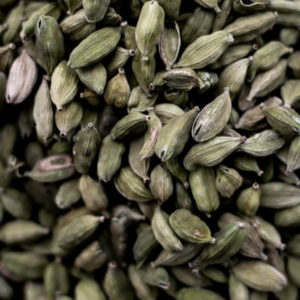
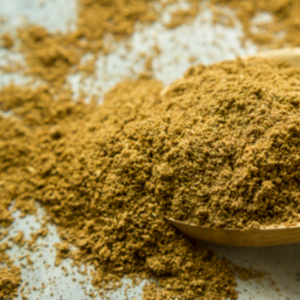
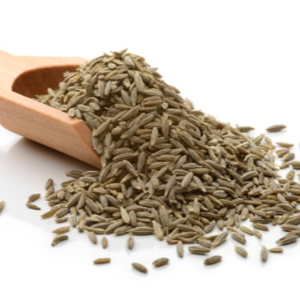
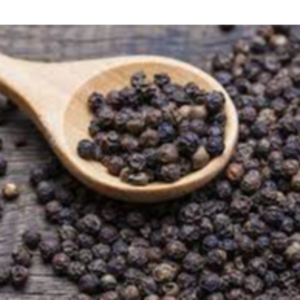
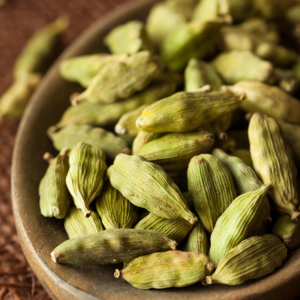
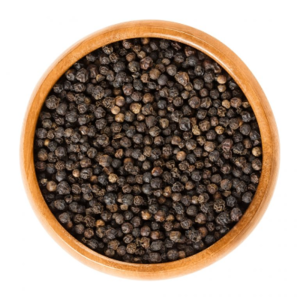
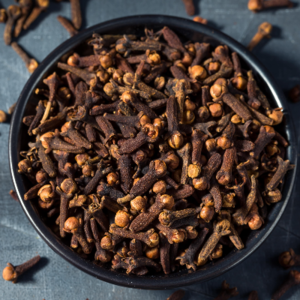
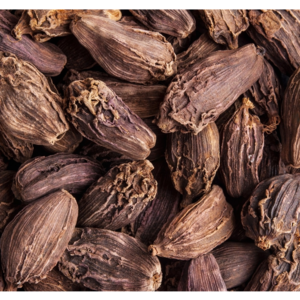
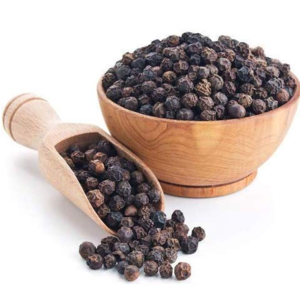
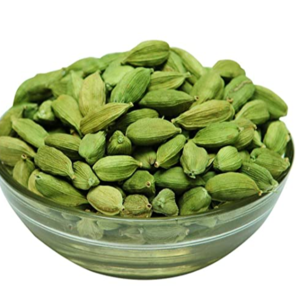
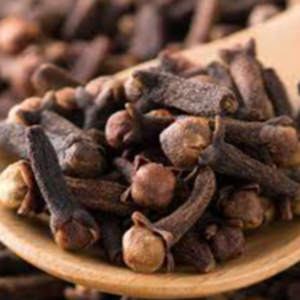
India, Gujarat state, Ahmedabad city is the base for Shreeji Exports. The supplier lists six active products in its catalogue: Jaggery (HS 1701.14), Cloves (HS 0901.11), Black Pepper (HS 0904.11), Garam Masala (HS 0910.91), Cardamom (HS 0908.30) and Cumin seeds (HS 0909.21). Each entry specifies the material type, such as organic whole cloves (Eugenia caryophyllata) or whole green cardamom pods (Elettaria cardamomum). The catalogue reflects a focus on organic and conventional spice commodities that are typical of Indian agricultural exports. The supplier also mentions broader categories like Peppermint, Turmeric, Black Cardamom, Turmeric Powder, Aloe Vera, Thyme, Ginger Tea and Herbal Tea, indicating a diversified product portfolio beyond the six listed items.
Shreeji Exports positions itself within the Indian spice sector, a market that supplies a large share of global demand for aromatic seeds and blends. The six catalogued items cover both single‑ingredient spices (e.g., cloves, cardamom) and composite blends such as Garam Masala, which combines cumin, coriander, pepper, cinnamon, cloves, cardamom, nutmeg and bay leaf. The HS‑code families range from 0901 to 0910, covering whole spices, ground blends and sugar products. The supplier’s organic tier suggests compliance with organic standards, though specific certifications are not listed in the facts. Export volumes are typically measured in metric tonnes for bulk spices and in 20‑kg jute bags for products like jaggery.
Product Range and Specialties of Shreeji Exports
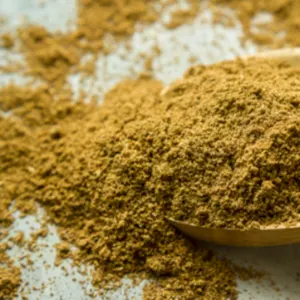
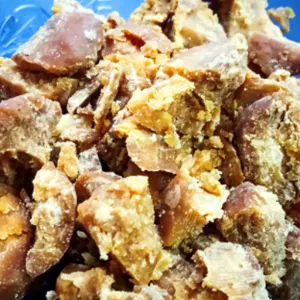
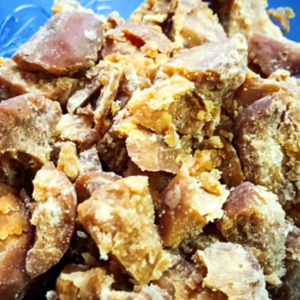
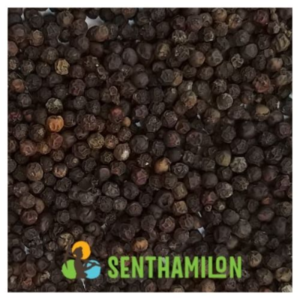
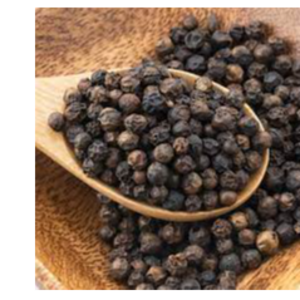
The catalogue includes organic whole cloves (HS 0901.11) and whole green cardamom pods (HS 0908.30), both of which are graded by size, moisture content and foreign matter according to industry norms such as ISO 11036 for spices. Black peppercorns (HS 0904.11) are usually classified by length (e.g., 5 mm + ) and oil content, while cumin seeds (HS 0909.21) are assessed for colour, size uniformity and aflatoxin levels. Jaggery (HS 1701.14) is commonly supplied in 20 kg or 25 kg bags, with specifications limiting moisture to below 12 % and requiring a minimum sucrose equivalence of 80 %. Garam Masala (HS 0910.91) is a ground blend where each component must meet its individual spice specifications before being mixed, and the final product is often tested for particle size distribution and microbial limits. Buyers typically request certificates such as FSSAI, ISO 9001 or organic accreditation (USDA/EU) to verify compliance with food safety and organic standards.
Trade and Export Information - Shreeji Exports
India ranks among the top exporters of spices worldwide, with the European Union, United States and Middle East representing the largest import regions. HS chapters 0901‑0910 cover whole and ground spices, and customs authorities in these regions often require phytosanitary certificates and proof of compliance with maximum residue limits (MRLs) for pesticide residues. Organic spice shipments from Gujarat are frequently inspected under the EU Organic Regulation (Regulation (EU) 2018/848) and the USDA National Organic Program, which demand traceability from farm to export. Standard packaging includes 20 kg jute or polypropylene bags for whole spices and 25 kg bulk bags for jaggery, sealed in export‑grade cartons for sea freight, typically on 20‑ft or 40‑ft containers. Incoterms such as FOB Ahmedabad or CIF Dubai are common, with buyers expecting pre‑shipped samples and laboratory test reports accompanying the commercial invoice.
Sourcing from Shreeji Exports - Buyer Guidance
When sourcing from Shreeji Exports, buyers should request the latest organic certification, a phytosanitary certificate and a laboratory analysis report covering moisture, ash, essential oil content (for pepper and cardamom) and pesticide residues. For Jaggery, a moisture test and sucrose equivalence report are standard checks, while spice buyers often verify size grading sheets and foreign matter percentages. Confirm the packaging format (e.g., 20 kg jute bags) and whether the supplier can provide HS‑code‑specific documentation for customs clearance. Typical minimum order quantities for whole spices range from 500 kg to 1 tonne, with lead times of 30‑45 days after order confirmation and sample approval.
Frequently Asked Questions About Shreeji Exports
What spice products does Shreeji Exports list in its catalogue?
The catalogue contains Jaggery (HS 1701.14), Cloves (HS 0901.11), Whole Black Pepper (HS 0904.11), Garam Masala blend (HS 0910.91), Green Cardamom pods (HS 0908.30) and Cumin seeds (HS 0909.21).
Which HS codes are associated with the listed products?
Jaggery uses HS 1701.14, Cloves HS 0901.11, Black Pepper HS 0904.11, Garam Masala HS 0910.91, Cardamom HS 0908.30 and Cumin seeds HS 0909.21.
Are the spices certified organic?
The supplier is described as an organic tier seller, but the facts do not list a specific organic certification. Buyers should ask for USDA Organic, EU Organic or Indian NOP certificates before purchase.
What typical quality specifications apply to the listed spices?
Common specifications include moisture < 12 % for jaggery, size grading for pepper (e.g., 5 mm + ), colour and foreign‑matter limits for cardamom and cloves, and essential‑oil content for pepper and cardamom measured in % v/v.
What documentation should a buyer request?
Buyers should request a phytosanitary certificate, an analysis report covering moisture, ash, essential oil and pesticide residues, and any organic or ISO certifications relevant to the product.
What are the usual packaging and container sizes for export?
Whole spices and jaggery are typically packed in 20 kg jute or polypropylene bags, placed in export cartons. Full container loads use 20‑ft or 40‑ft containers, with the number of bags depending on container capacity.
What are typical minimum order quantities and lead times?
Minimum order quantities generally start at 500 kg per spice, with larger batches for bulk orders. Lead times are usually 30‑45 days after order confirmation and sample approval.
Which markets commonly import these Indian spices?
The European Union, United States and Middle Eastern countries are the primary import markets for Indian whole and ground spices, driven by demand for culinary and food‑processing applications.




 Ahmedabad, India