Shenzhen Huiertai Electronic Co., Ltd — Supplier
About Shenzhen Huiertai Electronic Co., Ltd - Electronic Sensors Supplier in China
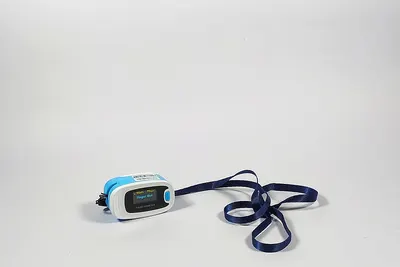
Shenzhen Huiertai Electronic Co., Ltd operates out of China and currently lists five distinct products in its catalogue. The offerings include a three‑point silicone soft‑tip SpO₂ sensor, a Nellcor finger‑clip SpO₂ sensor, a non‑invasive blood pressure (NIBP) cuff, a line of generic cuffs, and a temperature probe. These items are classified under the supplier’s top categories of Electronic Sensors and Agriculture, reflecting a focus on sensor technology for monitoring applications. All five products are intended for physiological measurement rather than agricultural machinery. No HS codes are supplied in the source data.
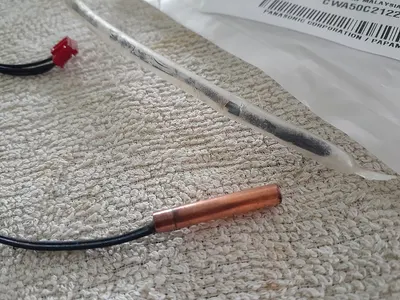
The SpO₂ sensors are typically used in patient monitoring equipment and conform to standards such as IEC 60601‑1 and ISO 80601‑2‑61, which define accuracy of ±2 % and response times under two seconds. NIBP cuffs generally follow ISO 81060‑2, offering pressure ranges from 0 to 300 mm Hg and sizes from pediatric to adult. Temperature probes for medical use often employ thermistor elements with measurement ranges from - 40 °C to 150 °C and are compatible with ISO 80601‑2‑56 requirements. The generic cuffs listed may serve both medical and agricultural sensor mounts, though specific material specifications are not detailed. Buyers should note that the catalogue does not include explicit HS‑code assignments.
Product Range and Specialties of Shenzhen Huiertai Electronic Co., Ltd
Shenzhen Huiertai’s catalogue covers two pulse‑oximetry sensors, a non‑invasive blood pressure cuff, additional cuff variants, and a temperature probe. In the medical‑device market, SpO₂ sensors are commonly supplied in silicone‑tipped or clip‑type formats, with typical optical wavelengths of 660 nm and 940 nm and a required signal‑to‑noise ratio above 20 dB. NIBP cuffs are usually made of PVC or nylon‑blended material, feature a bladder volume of 30‑60 ml, and are calibrated to ±3 mm Hg accuracy. Temperature probes for clinical use often employ Class‑B thermistors, are packaged sterile, and meet IEC 60601‑1‑8 safety standards. While the supplier does not list HS codes, products of this nature are generally classified under Chapter 90 (HS 9021 for medical instruments and HS 9022 for apparatus for physical or chemical analysis).
Trade and Export Information - Shenzhen Huiertai Electronic Co., Ltd
China is a leading exporter of medical sensor devices, and products such as SpO₂ sensors, NIBP cuffs and temperature probes are routinely shipped to North America, the European Union, and Southeast Asian countries. Importers in these regions often reference HS Chapter 90 codes - particularly 9021 90 for pulse oximeters and 9022 90 for diagnostic probes - to determine tariff rates and regulatory treatment.
Buyers of Chinese‑origin sensor equipment typically request CE Declaration of Conformity, FDA 510(k) clearance or equivalent national approvals, and evidence of ISO 13485 quality‑management compliance. Standard packaging includes sterile barrier pouches placed within double‑wall cardboard cartons, with quantities sized for 20‑foot or 40‑foot containers under FOB or CIF Incoterms. Export controls in China require a commercial invoice, packing list, and, where applicable, an Export License for dual‑use components.
Sourcing from Shenzhen Huiertai Electronic Co., Ltd - Buyer Guidance
When sourcing from Shenzhen Huiertai, buyers should obtain the latest product data sheets that specify accuracy, operating temperature, and material composition for each sensor type. Requesting a CE Declaration of Conformity, ISO 13485 certificate, and, for the SpO₂ sensors, an IEC 60601‑1 test report will help verify compliance with international medical‑device standards. Sample units are usually provided in quantities of 10‑20 pieces, allowing functional testing before bulk orders; typical minimum order quantities range from 500 to 1,000 units per SKU, with lead times of four to six weeks after order confirmation. Verify that the packaging meets sterile barrier requirements and that the shipping terms (FOB Shanghai or CIF destination port) are clearly stated.
Frequently Asked Questions About Shenzhen Huiertai Electronic Co., Ltd
What product categories does Shenzhen Huiertai offer?
The supplier lists two pulse‑oximetry sensors (a 3‑point silicone soft‑tip and a Nellcor finger‑clip), a non‑invasive blood‑pressure cuff, additional generic cuffs, and a temperature probe, all falling under electronic sensor applications.
Which HS codes are typically applied to these types of devices?
Medical sensor devices such as SpO₂ monitors and temperature probes are generally classified under Chapter 90, with HS 9021 90 for pulse‑oximetry equipment and HS 9022 90 for diagnostic probes; NIBP cuffs often use HS 9021 90 as well.
What certifications should a buyer request for these medical sensors?
Buyers should ask for a CE Declaration of Conformity, any FDA 510(k) clearance or equivalent national approval, and an ISO 13485 quality‑management certificate, together with test reports referencing IEC 60601‑1 or ISO 80601‑2‑61 where applicable.
What are typical technical specifications for the SpO₂ sensors?
Standard SpO₂ sensors operate at dual wavelengths of 660 nm and 940 nm, provide an accuracy of ±2 % SpO₂, have a response time under two seconds, and are designed for operating temperatures between 0 °C and 50 °C.
What are common material and performance specs for the NIBP cuff?
NIBP cuffs are usually made of PVC or nylon‑blend material, feature a bladder volume of 30‑60 ml, cover pressure ranges up to 300 mm Hg, and meet ISO 81060‑2 accuracy requirements of ±3 mm Hg.
How are the temperature probes typically packaged for export?
Temperature probes are commonly sealed in sterile barrier pouches, placed inside double‑wall cardboard cartons, and labeled according to the HS 9022 90 code for diagnostic instruments.
What are typical MOQ, lead time, and shipping terms for these products?
Minimum order quantities are often 500‑1 000 units per item, lead times range from four to six weeks after order confirmation, and shipments are usually arranged on a FOB Shanghai or CIF destination‑port basis using 20‑foot or 40‑foot containers.




 , China






.jpg.png)