Shatin Trading Global Limited — Supplier
About Shatin Trading Global Limited - Diverse Commodity Supplier in Kenya
Shatin Trading Global Limited is based in Kenya and currently lists 24 distinct products across eight primary commodity categories. The catalogue includes bitumen and asphalt binders, a range of lubricants, crude oil derivatives, steel billets, urea fertilizers, iron ore pellets, industrial chemicals and milk powder. Products are identified by standard trade designations such as Bitumen 40/50, Base Oil SN 180 and Milk Powder, and three steel billet entries carry specific HS codes (7207.11, 7207.12, 7207.19). The supplier’s portfolio reflects typical export commodities from East Africa, with a focus on bulk and intermediate goods for construction, agriculture and manufacturing sectors.
The listed steel billets specify carbon steel grades - 3 SP (semi‑killed), 4 SP (low‑carbon mild steel) and 5 SP (structural steel to GOST 380) - each matched to the HS chapter 72 code family. The Iron Ore Pellet entry cites magnetite with approximately 67 % Fe and is classified under HS 2601.12. Bitumen products cover penetration ranges from 40/50 to 85/100 as well as VG grades 10 to 40, while lubricants include base oils SN 150‑500 and engine oils ranging from 5 W 40 to 20 W 50. Urea is offered in prilled and 46 % granule forms, and sulfuric acid appears without further specification.
Product Range and Specialties of Shatin Trading Global Limited
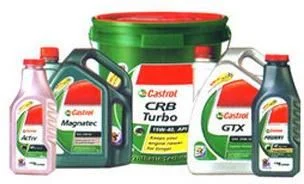
The bitumen selection follows the common penetration grading system used in road construction, where 40/50 denotes a penetration of 40‑50 × 0.1 mm and VG (viscosity grade) numbers indicate the temperature at which the binder reaches 100 cP. Buyers usually request certifications such as EN 13808 or ASTM D946 for performance verification. The lubricant line comprises mineral base oils (SN 150‑500) that meet API SN specifications and engine oils that conform to API SL/SM or ACEA A3/B4 standards, with viscosity grades expressed in the SAE W system.
Urea fertilizer is typically supplied as 46 % N prilled or granulated material, meeting the ISO‑based quality criteria for nitrogen content uniformity and low dust. Steel billets are standard carbon steel sections used in forging and rolling; the 3 SP, 4 SP and 5 SP grades correspond to semi‑killed, low‑carbon and structural specifications that are often required to comply with ASTM A108 or EN 10210. Iron ore pellets with 67 % Fe are classified as concentrate suitable for blast‑furnace feed and generally need to meet the specifications of the China Iron and Steel Association (CISA) or the International Iron Ore Association (IIOA). Milk powder, though not detailed, is typically produced as whole‑milk powder with fat content around 26 % and is subject to Codex GUT‑44 standards.
Trade and Export Information - Shatin Trading Global Limited
Exporters of Kenyan bitumen, steel billets and iron ore pellets commonly ship to construction‑heavy markets in the Middle East, South Asia and East Africa. The HS 7207 family for steel billets and HS 2601 for iron ore pellets are subject to customs inspections that verify material composition and origin, with many importers requiring a Certificate of Origin and a pre‑shipment inspection report. Lubricant and base oil shipments are classified under HS 2710 and often need to comply with the European REACH regulation or the U.S. EPA Tier 2 standards, especially for sulfur content.
Bulk commodities such as bitumen and iron ore are typically loaded in ISO‑compatible 20‑foot or 40‑foot containers, or in bulk carriers for larger volumes, with moisture and temperature controls specified in the contract. Milk powder is usually packed in food‑grade multi‑layer bags or 25 kg cartons, sealed to meet Codex‑GAP hygiene requirements. Common Incoterms for these shipments include FOB Nairobi Port or CIF Dubai, allowing buyers to arrange inland transport while the supplier handles export clearance.
Sourcing from Shatin Trading Global Limited - Buyer Guidance
Prospective buyers should request the latest material test certificates for each commodity, such as a Bitumen Penetration Test report, a Steel Billet Tensile Strength certificate and a nitrogen content analysis for urea. For lubricants, an API SN certification sheet, viscosity curve at 40 °C and sulfur limit data are standard documents. A Certificate of Origin, sanitary certificates for milk powder and a Sulphuric Acid Safety Data Sheet (SDS) are also typical prerequisites.
Samples are usually provided in small‑scale batches - for example, 25 kg bags of milk powder or 5 L drums of base oil - to allow verification of physical properties and compliance with buyer specifications before full‑scale orders. Buyers should confirm the packaging type, loading method and any required pre‑shipment inspections, and negotiate Incoterms that align with their logistics network. Verifying that the supplier can produce the required HS‑code documentation and any requested ISO or REACH compliance will reduce the risk of customs delays.
Frequently Asked Questions About Shatin Trading Global Limited
Which HS codes are used for the steel billets listed by Shatin Trading Global Limited?
The three steel billet products are classified under HS 7207.11 for Carbon Steel Grade 3 SP, HS 7207.12 for Carbon Structural Steel Grade 5 SP (GOST 380) and HS 7207.19 for Mild Steel low‑carbon Grade 4 SP.
What certifications should I request when purchasing bitumen from this supplier?
Buyers typically ask for a Bitumen Penetration Test report and compliance with EN 13808 or ASTM D946. A Certificate of Origin and a pre‑shipment inspection report are also standard for customs clearance.
How is the quality of the 46 % urea fertilizer verified?
Quality is confirmed through a nitrogen content analysis that must show 46 % N, along with uniform particle size and low dust levels. Suppliers often provide an ISO‑based quality certificate and a material safety data sheet.
What packaging options are common for the milk powder offered?
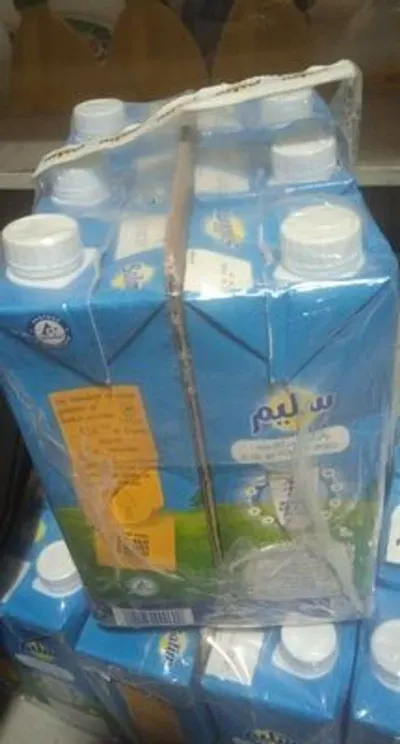
Milk powder is usually packed in food‑grade multi‑layer bags or 25 kg corrugated cartons that meet Codex‑GAP hygiene standards. The packaging is sealed to protect against moisture and contamination during transit.
Which Incoterms are most frequently used for bulk shipments from Kenya?
FOB Nairobi Port and CIF Dubai are the most common Incoterms for bulk commodities such as bitumen, steel billets and iron ore pellets. These terms allow the buyer to arrange inland transport while the supplier manages export formalities.
What documentation is required for lubricants and base oils?
Buyers should request an API SN certification sheet, a REACH compliance statement and a Safety Data Sheet (SDS) that details viscosity, sulfur content and flash point. A Certificate of Origin is also typically required for customs processing.
What are typical lead times for steel billet orders?
Lead times for carbon steel billets from Kenya usually range from 30 to 45 days, depending on the grade and the size of the order. Buyers should confirm production scheduling and any required pre‑shipment inspections when placing the order.
How are bitumen VG grades defined and what tests are standard?
VG (Viscosity Grade) numbers refer to the temperature, in degrees Celsius, at which the bitumen reaches a viscosity of 100 cP. Standard tests include a viscosity measurement at the specified VG temperature and a penetration test for the 40/50 grade.




 , Kenya