Agriculture›
 Apparel and fashion accessories›
 Construction & real estate›💡Electronic & Electrical›🍎Food & Beverages›🛋️Home furnishing & supplies›⚗️Industrial goods & chemical›🪨Minerals & metals›📦Miscellaneous›Agriculture›Apparel and fashion accessories›Construction & real estate›💡Electronic & Electrical›🍎Food & Beverages›🛋️Home furnishing & supplies›⚗️Industrial goods & chemical›🪨Minerals & metals›📦Miscellaneous›
Fazcom Product Catalog

About Fazcom - Organic Fertilizers Supplier in Tunisia
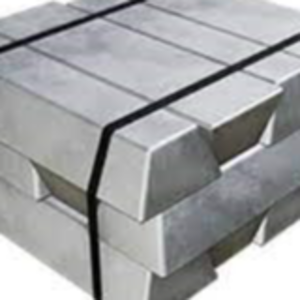
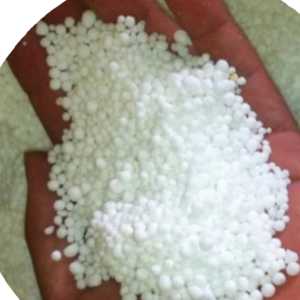
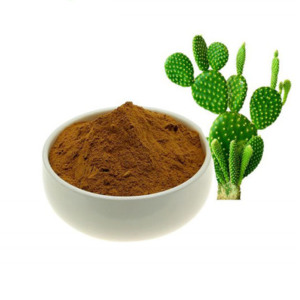
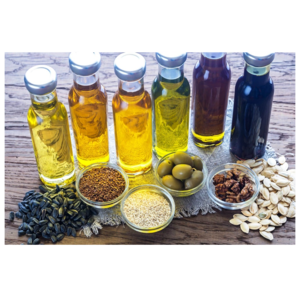
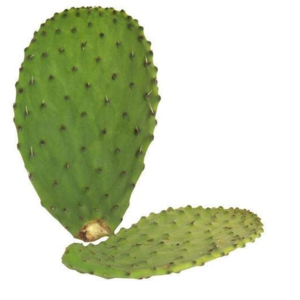
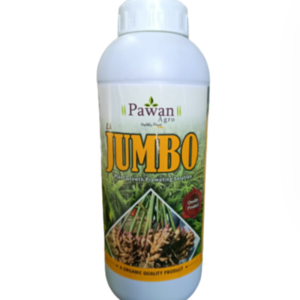
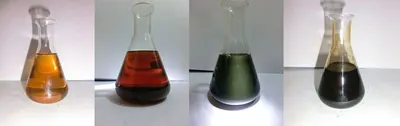
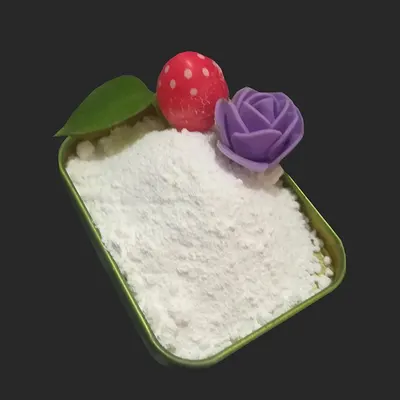
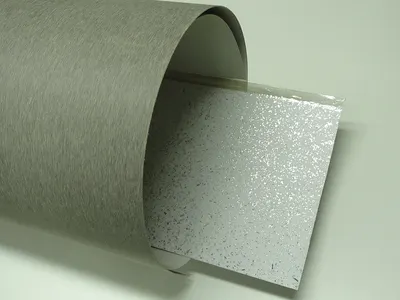
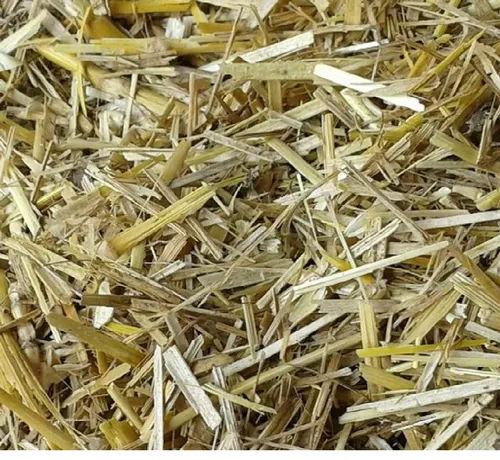
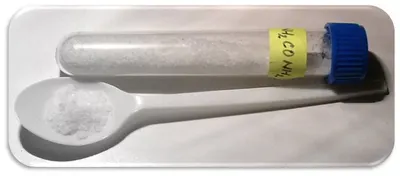
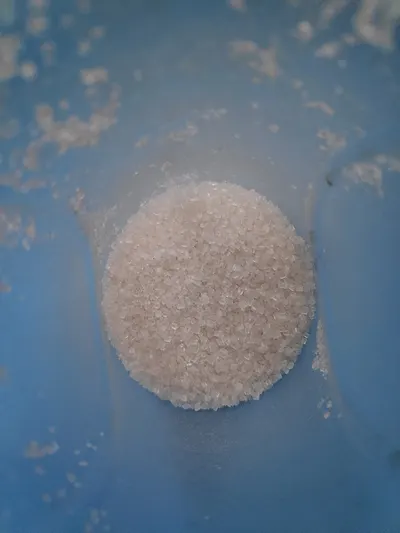
Fazcom is based in Tunis, Tunisia and lists 17 active products in its catalogue. The catalogue includes aluminium ingot A7 (HS 7601.10, aluminium 99.7 % Al), urea 46 % (HS 3102.10, nitrogen content 46 %), Nopal powder (HS 1211.90, dried Opuntia ficus‑indica), edible and non‑edible mixed seed oils (HS 1515.19, vegetable oil blend), Prickly Pear leaf (HS 1211.90, dried cactus leaf), Portland cement (HS 2523.29, clinker‑gypsum blend), seaweed‑based organic fertilizers (HS 3101.00), refined white beet sugar ICUMSA 45 (HS 1701.99), glazed ceramic kitchenware (HS 6908.90), and additional items such as soft wheat, crude oil and various aluminium products without listed HS codes.
The supplier is categorized under the organic tier and holds a voyage trust tier classification. Its product mix spans agricultural chemicals, organic fertilizers, construction materials and metal commodities. No specific certifications are listed in the provided data. The company’s focus is on exporting these goods from Tunisia to international markets. All items are referenced with their respective HS code families where available.
Product Range and Specialties of Fazcom
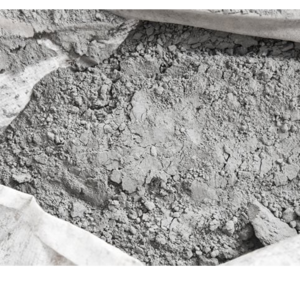
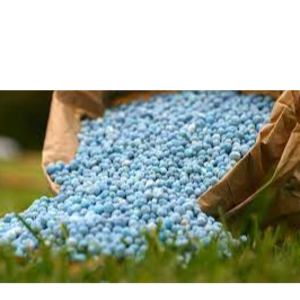
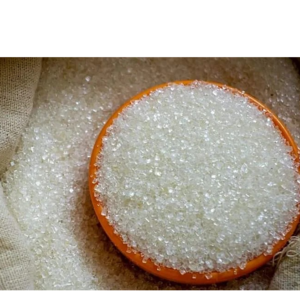
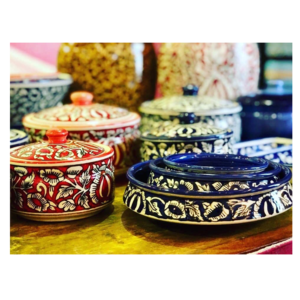
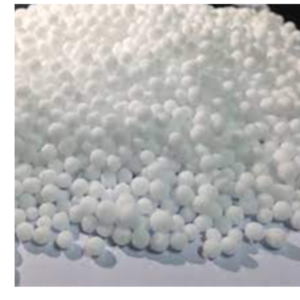
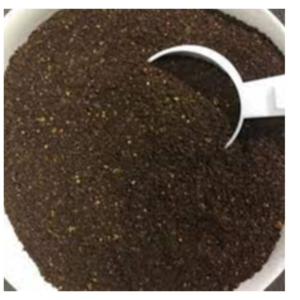
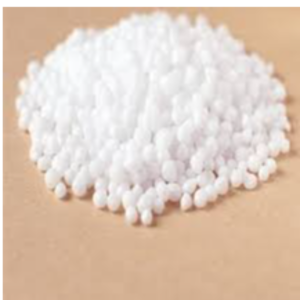
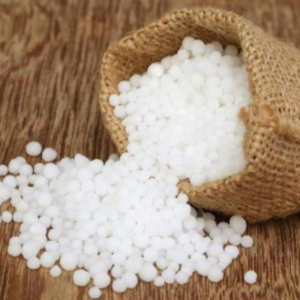
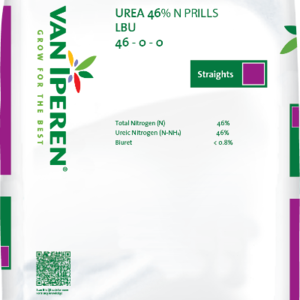
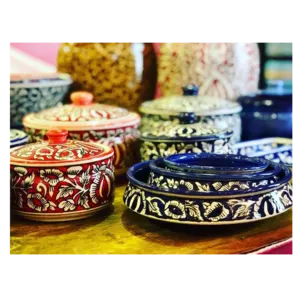
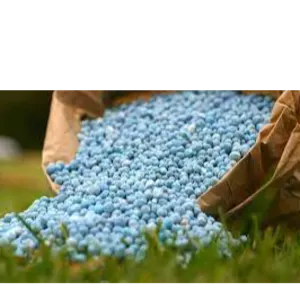
Fazcom’s aluminium offering consists of ingot A7 (Al 99.7 % purity, HS 7601.10) and a generic aluminium product (HS 7601.11) that correspond to grade A7 commonly used for extrusion and casting, with typical density 2.70 g cm‑3 and tensile strength around 90 MPa. The urea product is supplied as 46 % nitrogen granules (HS 3102.10), matching the standard fertilizer grade that requires particle size 2 - 4 mm and moisture below 0.5 %. Nopal powder and Prickly Pear leaf are listed under HS 1211.90; industry standards for such dried cactus material usually demand moisture content below 10 % and microbial limits compliant with food‑grade specifications. The mixed‑seed vegetable oil falls under HS 1515.19, where buyers often specify acid value ≤ 2 mg KOH g‑1 and peroxide value ≤ 10 meq O2 kg‑1. Cement products (HS 2523.29) are typical Portland cement types 42.5 R, with compressive strength ≥ 42.5 MPa at 28 days and conformity to EN 197‑1. Refined beet sugar ICUMSA 45 (HS 1701.99) adheres to the whiteness standard of 45 % and moisture ≤ 0.1 %. Ceramic kitchenware (HS 6908.90) is glazed, fired at 1200 - 1300 °C, and generally meets EU lead‑free glaze regulations.
Frequently Asked Questions About Fazcom
What HS codes does Fazcom use for its aluminium products?
Aluminium ingot A7 is listed under HS 7601.10 and the generic aluminium product under HS 7601.11. Both codes belong to chapter 76, which covers aluminium and its alloys.
Are there standard quality specifications for the sugar ICUMSA 45 offered by Fazcom?
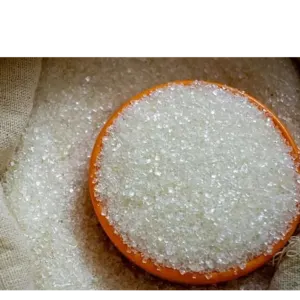
The sugar conforms to the ICUMSA 45 whiteness grade, with moisture not exceeding 0.1 % and ash content below 0.04 %. These parameters are the typical specifications for this grade.
Which certification documents should I ask for when buying the urea 46 %?
Request an analytical certificate showing nitrogen content of 46 % and a material safety data sheet. Buyers also commonly require ISO 9001 compliance and, for agricultural use, a phytosanitary certificate.
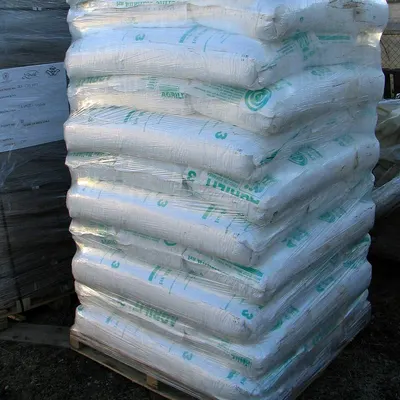
What packaging is used for the cement products?
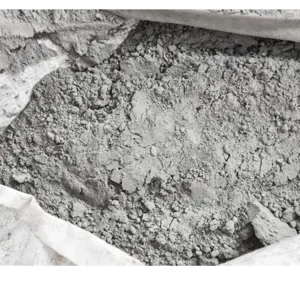
Cement is usually shipped in 1‑ton bulk bags or loaded in 20‑ft containers on wooden pallets. Exports are often accompanied by a CE conformity declaration and a compressive‑strength test report.
How is the Nopal powder quality verified?
Buyers should request a certificate of analysis indicating moisture content below 10 % and compliance with food‑grade microbial limits. Additional organic or HACCP certification may be required depending on the destination market.
 Tunisia
Related Suppliers & Products
Explore similar suppliers, related products and trending categories